Few figures in modern electronic music occupy a space as mythic, untamable, and culturally pervasive as Richard D. James, universally known as Aphex Twin. Born in Limerick, Ireland, and raised amid the rugged, isolating coastlines of Cornwall, James emerged from the crucible of the early-1990s UK rave circuit to fundamentally redraw the boundaries of sound design. Over a career spanning more than three decades, his output has continually dissolved the distinctions between mechanical precision and organic warmth, between transcendent beauty and visceral, avant-garde chaos.
To approach the discography of Aphex Twin is to navigate an ever-shifting labyrinth of sub-genres—ambient minimalism, IDM (intelligent dance music), drill-and-bass, and abrasive acid techno—punctuated by mischievous pranks, fabricated interviews, and iconic, unsettling iconography. As platforms like TikTok introduce foundational tracks such as Avril 14th, QKThr, and Jynweythek to a massive new generation of listeners—propelling James ahead of mainstream titans like Taylor Swift in monthly YouTube Music listeners—his cultural footprint only deepens. This retrospective, curated through a comprehensive ranking of his defining studio albums, explores how a reclusive British electronic producer transformed himself into an enduring, epoch-defining cultural enigma.
Detailed Chronology: The Studio Albums Ranked
With a discography characterized by radical reinvention, any ranking of Aphex Twin’s studio albums remains deeply subjective. What stands as one listener’s transcendent masterpiece may represent another’s sonic attrition. Yet, evaluating these six core long-plays reveals the evolutionary trajectory of a singular sonic architect.
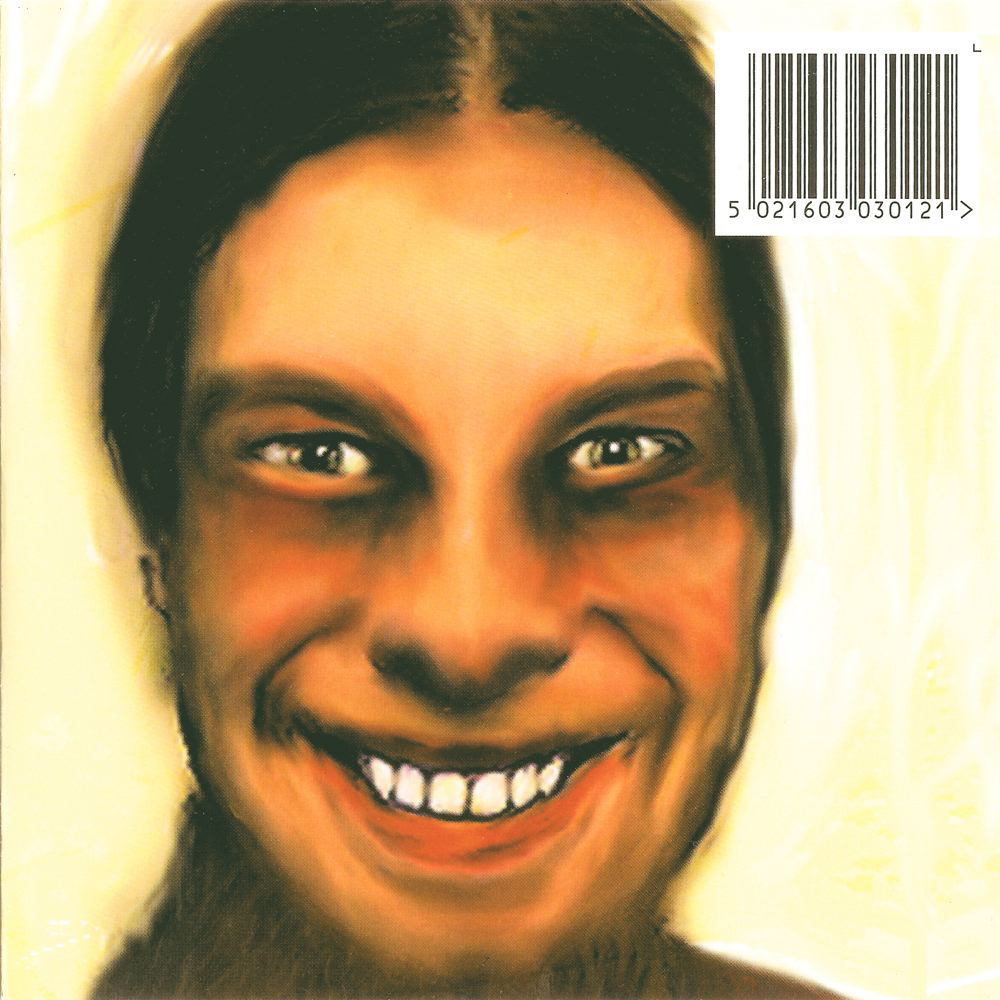
6. …I Care Because You Do (1995)
Following the austere, minimalist expansiveness of Selected Ambient Works Volume II, 1995’s …I Care Because You Do marked a calculated return to rhythmic, convention-challenging structures. As James explained in a 1995 interview with Paper Magazine, the album was a deliberate pivot: "The tracks I chose were part of a conscious effort to be more conventionally accessible, featuring rhythm of some kind. I don’t really care, but I thought since the last one wasn’t [rhythmic], I’d make this one so it was."
Shrouded in tongue-in-cheek humor and coded in-jokes—such as Acrid Avid Jam Shred serving as an anagram for Richard D. James, Ventolin taking its name from asthma medication, and Alberto Balsalm nodding to a budget shampoo brand—the record bridges the gap between ambient depth and digital glitch. Tracks like the trip-hop-leaning Cow Cud Is A Twin and the warm, tape-spliced melodies of Alberto Balsalm showcase his mastery of analogue textures, making its basement placement on this list a testament to the sheer strength of his catalog rather than any shortfall in quality.
Best Track:Cow Cud Is A Twin / Alberto Balsalm
5. Selected Ambient Works Volume II (1994)
Sprawling across two and a half hours of eerie minimalism, spiritual warmth, and haunting textures, Selected Ambient Works Volume II is Aphex Twin’s definitive ambient statement. Inspired by James’s lucid dreams and experiences with synesthesia, the double album is an undisputed masterclass in spatial atmosphere.
Moving from the nostalgic, comforting embrace of fan-favorite #3 (commonly dubbed Rhubarb) to the icy, desolate dread of tracks like #4 and #24, the record requires a meditative surrender. Though its lack of traditional track titles and daunting runtime make it less immediately accessible than his rhythmic works, it remains an indispensable foundational pillar for modern ambient music.
Best Track:#3 (Rhubarb)
4. Syro (2014)
Arriving after a thirteen-year studio hiatus following 2001’s Drukqs, Syro broke a long silence with some of James’s most groove-heavy, accessible, and electro-infused material. Though some critics initially argued it lacked the wild, erratic flourishes of his 90s output, Syro stands as one of his most compositionally cohesive and deeply personal projects.
Recorded across multiple studios over several years, the album incorporates the domestic audio signatures of James’s family—featuring the voices of his children, his wife, and his own vocoded vocals on the breakbeat-driven opener minipops 67 [120.2]. The album closes with aisatana, a devastatingly tender piano piece dedicated to his wife, Anastasia. Speaking to Pitchfork in 2014, James reflected on the era that birthed his love for these rhythms: "I used to love jungle. I still think it’s the ultimate genre, really, because the people making it weren’t musicians… There was only a couple of years where people didn’t know what they were doing, and you got all these samples that are just totally not related in pitch."
Best Track:minipops 67 [120.2]
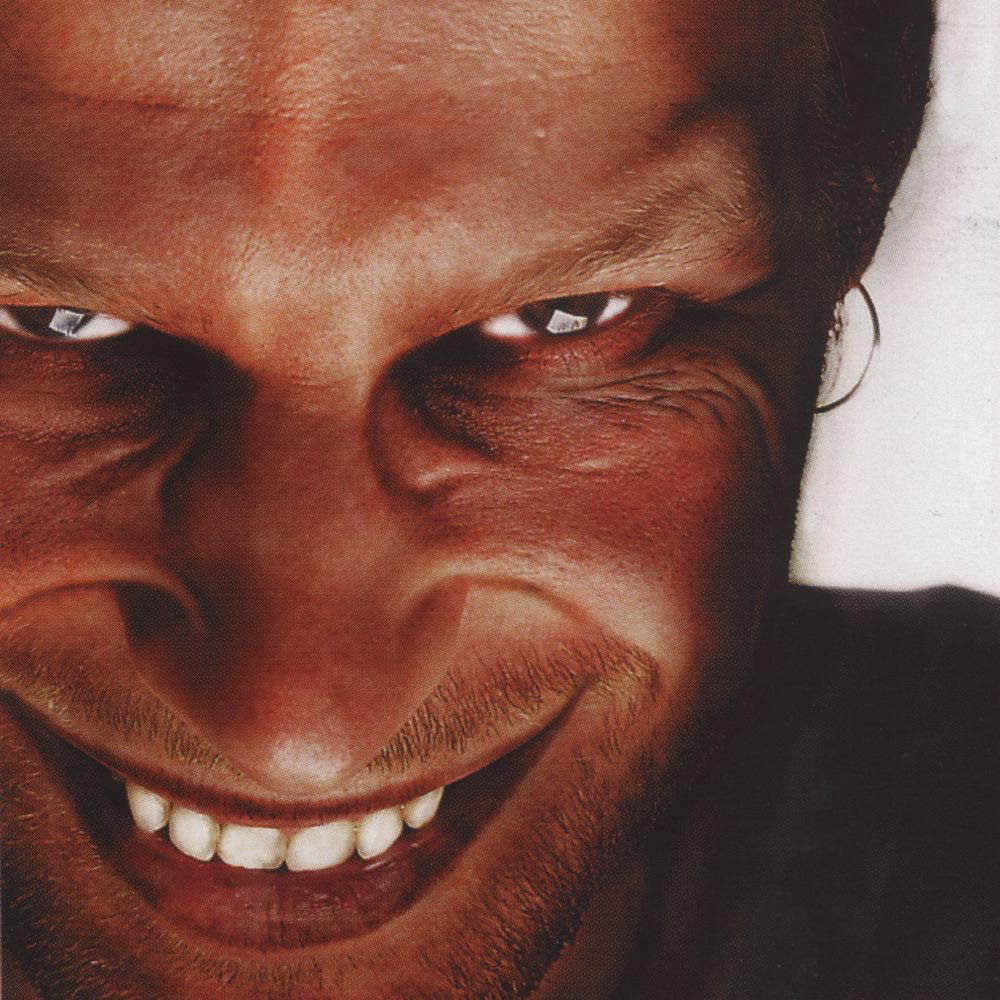
3. Richard D. James Album (1996)
Clocking in at a brisk 32 minutes across 10 tracks, the Richard D. James Album wastes no time establishing its frantic sonic identity. Driven by hyper-detailed, high-speed breakbeat programming, the record helped codify "drill-and-bass"—a subgenre characterized by hyper-syncopated, chaotic percussion.
Having previously explored the concept on his Hangable Auto Bulb EP under the AFX pseudonym, James perfected the tension here by pitting frantic, jagged drum loops against lush, pastoral strings and fragile childhood melodies, best exemplified on Girl/Boy Song. It is peak Aphex Twin: playful, technologically audacious, and profoundly idiosyncratic.
Best Track:Peek82454201
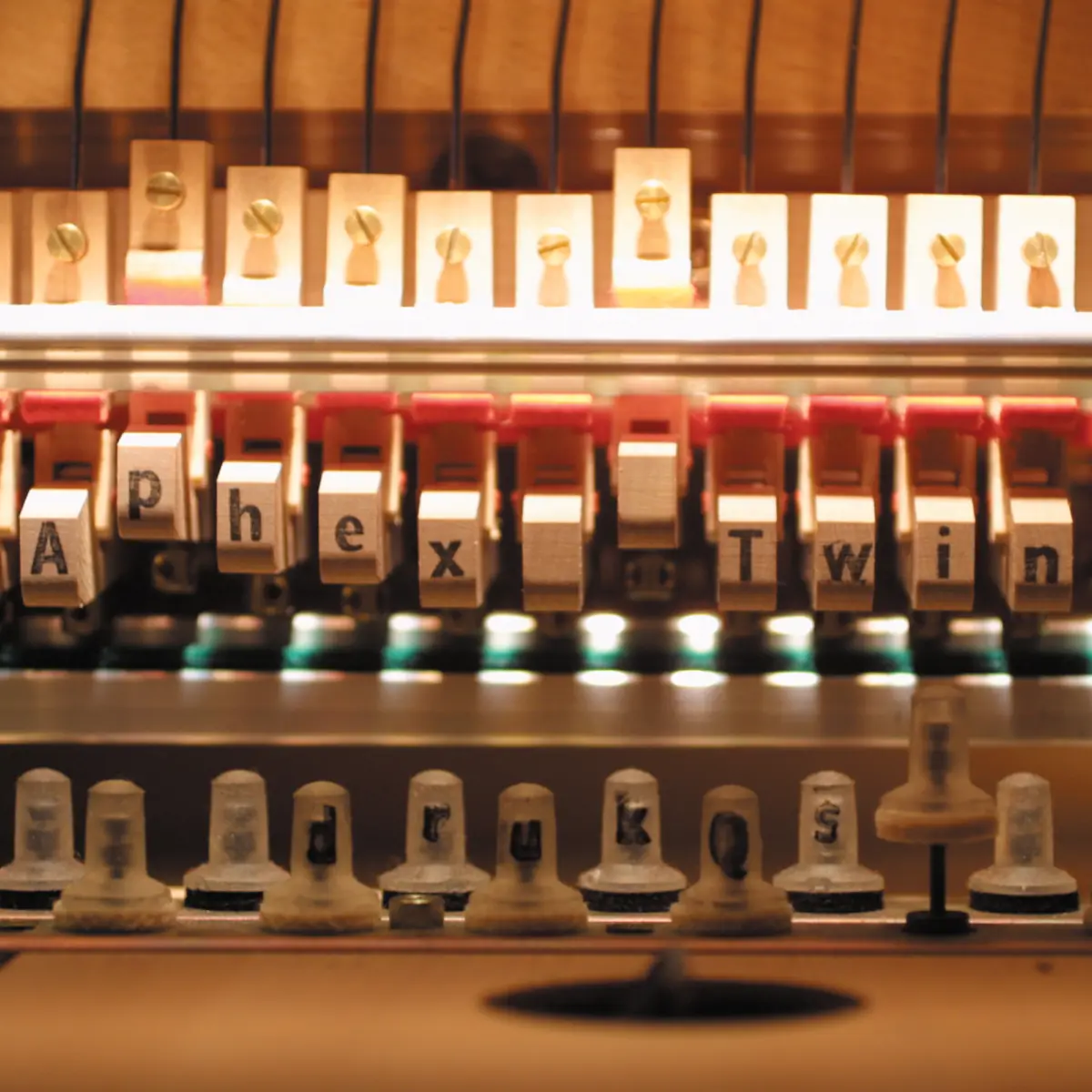
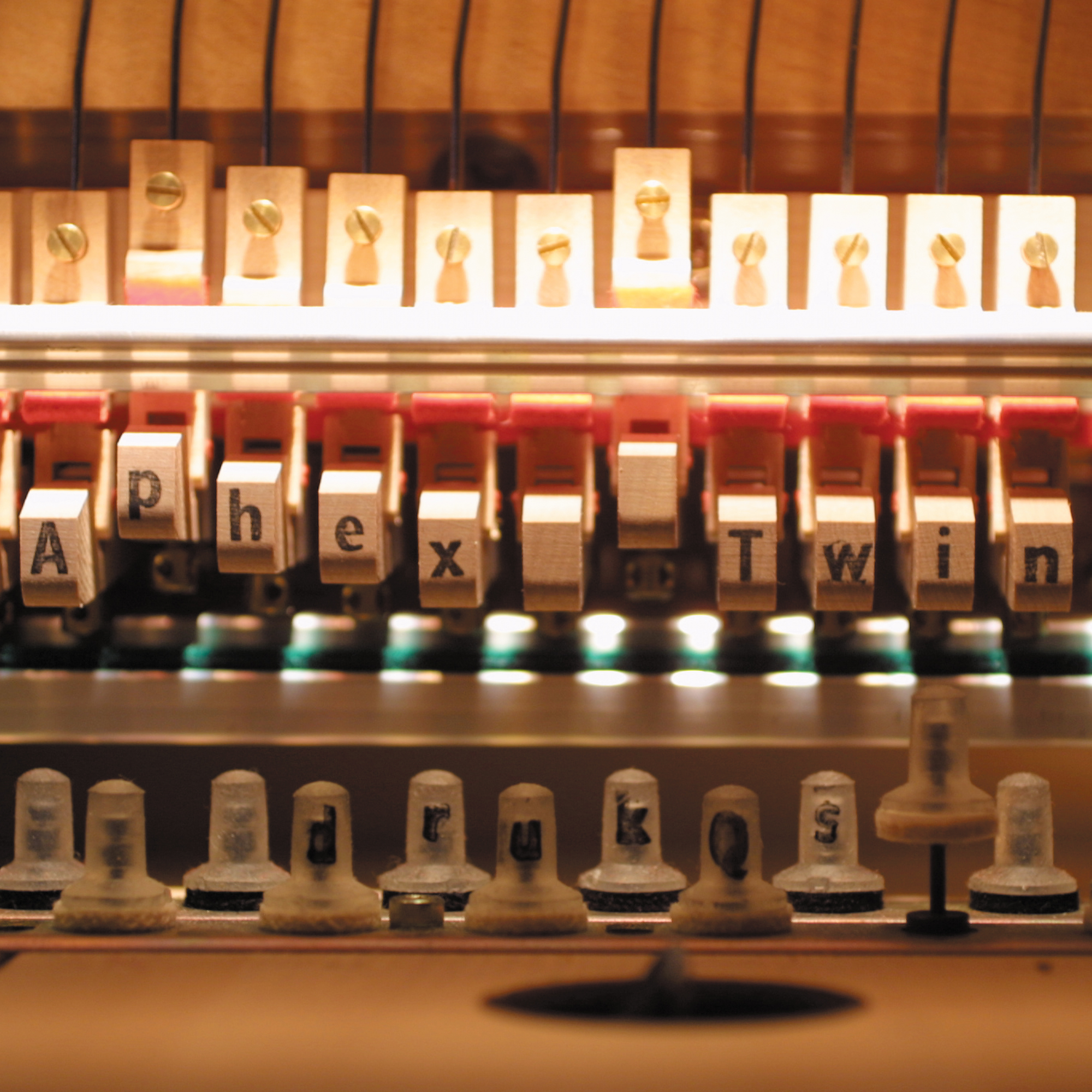
2. Drukqs (2001)
Often framed as James’s ultimate "showing off" record, Drukqs is a sprawling, 30-track, one-hour-and-forty-minute marathon that captures every extreme of the Aphex Twin spectrum. The whiplash between tracks is dizzying: the mutating, acid-drenched drill-and-bass of Vordhosbn sits yards away from the delicate, Erik Satie-inspired minimalist piano compositions like Avril 14th and QKThr.
While contemporary reviews were occasionally skeptical of its stylistic shifts—with Pitchfork initially dismissing its classical piano pieces as "languid noodlings"—history has thoroughly vindicated the record. Tracks like Avril 14th and QKThr have achieved unprecedented modern longevity, serving as ubiquitous sonic backdrops for viral internet culture, TikTok edits, and the popular "subtle foreshadowing" meme trend.
Best Track:Vordhosbn / Avril 14th
1. Selected Ambient Works 85-92 (1992)
To many disciples of electronic music, Selected Ambient Works 85-92 (SAW I) is the quintessential Aphex Twin record. Compiling tracks recorded over a formative seven-year period, the album captures the expansive, gorgeous ambience that underpins the producer’s finest work, while refusing to remain entirely tranquil—as evidenced by the sinister acid bubble of Green Calx.
From the shimmering expanse of Xtal and Tha to the rhythmic pulse of Pulsewidth and We Are The Music Makers, the album showcases an astonishingly fully-formed artistic vision right out of the gate. Beyond its auditory brilliance, SAW I forever etched into culture the iconic, alien-like "Aphex A" monogram designed by graphic designer and former rave dancer Paul Nicholson.
Best Track:Pulsewidth
Supporting Context & Metrics: Cultural Resonance and Internet Mythos
The mythology surrounding Richard D. James is as formidable as his discography. Emerging during an era when electronic music was rapidly shifting from underground illegal warehouses to mainstream consciousness, James cultivated an aura of elusiveness that inverted traditional pop stardom.
Rather than shying away from eccentricity, he weaponized it. His infamous visual collaborations with director Chris Cunningham on Windowlicker and Come To Daddy—featuring grotesque, digitally mapped iterations of James’s own grinning face pasted onto backup dancers and children—permanently altered the landscape of MTV music video aesthetics. Similarly, his live performances regularly crossed into performance art and outright sabotage; most famously at New York’s Knitting Factory in 1995, where he capped off a set by dropping an active microphone into a spinning food blender and dragging a turntable needle across a sheet of sandpaper.
Crucially, this resistance to institutional categorization extended to terminology. While critics and journalists frequently slapped the label "Intelligent Dance Music" (IDM) onto his work to demarcate it from club-ready techno, James openly rejected the moniker as pretentious, recognizing that such gatekeeping language builds unnecessary barriers between listener and art.
In the digital era, this anti-establishment ethos has found an unexpected second wind. Driven by short-form video algorithms, TikTok trends, and meme culture, compositions from Drukqs and Selected Ambient Works have introduced his catalog to a demographic born years after his initial commercial peak. This modern resurgence has catalyzed unprecedented streaming metrics, cementing his status not as a nostalgic relic of 90s electronica, but as a vital, contemporary cultural force.
Official Statements & Industry Perspectives
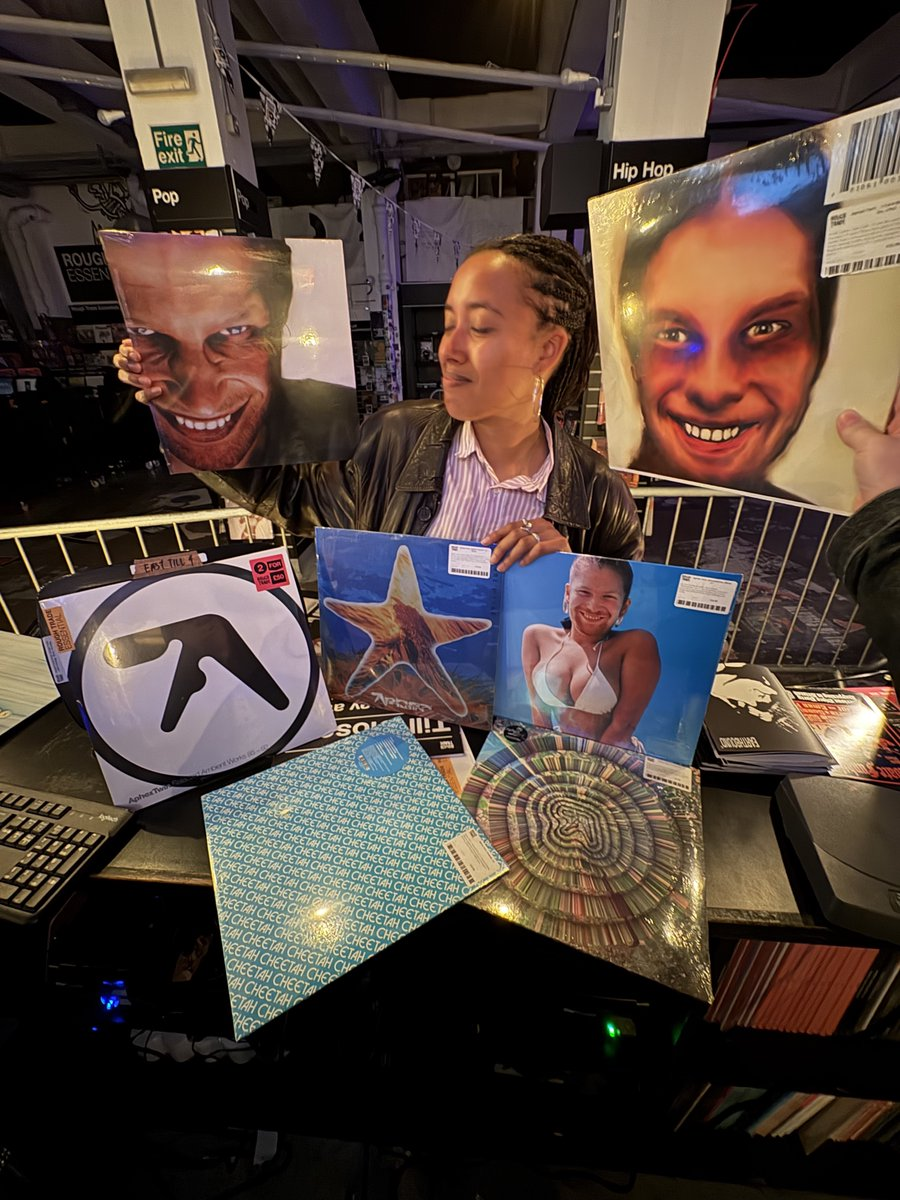
Reflecting on the enduring legacy of Aphex Twin, Rough Trade Marketing and Content Manager Georgia Mulraine notes the complex relationship between the producer’s output and his audience:
"With so much versatility of sound, it feels that any Aphex Twin ranking is going to be especially subjective, and what might be considered his best might not be everybody’s favourite, but what we all can agree on, is that a listen to every one of these albums helps us understand how the British producer has ended up such an enduring cultural enigma."
Reflecting on his creative philosophy during a rare 2014 interview with Pitchfork, James contextualized his ongoing fascination with raw, unpolished sound creation:
"I used to love jungle. I still think it’s the ultimate genre, really, because the people making it weren’t musicians… There was only a couple of years where people didn’t know what they were doing, and you got all these samples that are just totally not related in pitch. I really hunt down those records."
Future Outlook
As the electronic music landscape continues to iterate through cycles of hyper-digital production and analogue revival, the template established by Richard D. James remains entirely peerless. With Drukqs marking its milestone 25th anniversary in 2026, and his recent material—such as the 2023 release Blackbox Life Recorder 21f / In a Room7 F760—proving that his appetite for intricate, propulsive sound design remains unquenched, Aphex Twin stands outside the traditional timelines of commercial music industry relevance.
Whether operating under his core moniker, exploring raw techno via his AFX alias, or remaining comfortably out of sight in his Cornish sanctuary, James has ensured that his sonic footprint will continue to disorient, captivate, and inspire future generations of producers and listeners alike.
Further Listening & Essential Releases
For devoted fans looking to explore deeper into the expansive universe of Richard D. James:
Analogue Bubblebath (1991): Raw, acid-soaked techno released under the AFX alias, capturing the primal energy of the early 90s underground.
Come to Daddy EP (1997): A landmark in electronic music’s darker sub-territories, anchored by a title track of feral vocal distortion and menacing breakbeats.
Windowlicker (1999): A warped, futuristic deconstruction of R&B and funky electro, paired with Chris Cunningham’s deeply unsettling visual masterwork.
Blackbox Life Recorder 21f / In a Room7 F760 (2023): A welcome contemporary return, pairing complex, propulsive electronics with moments of hazy introspection.