Executive Overview
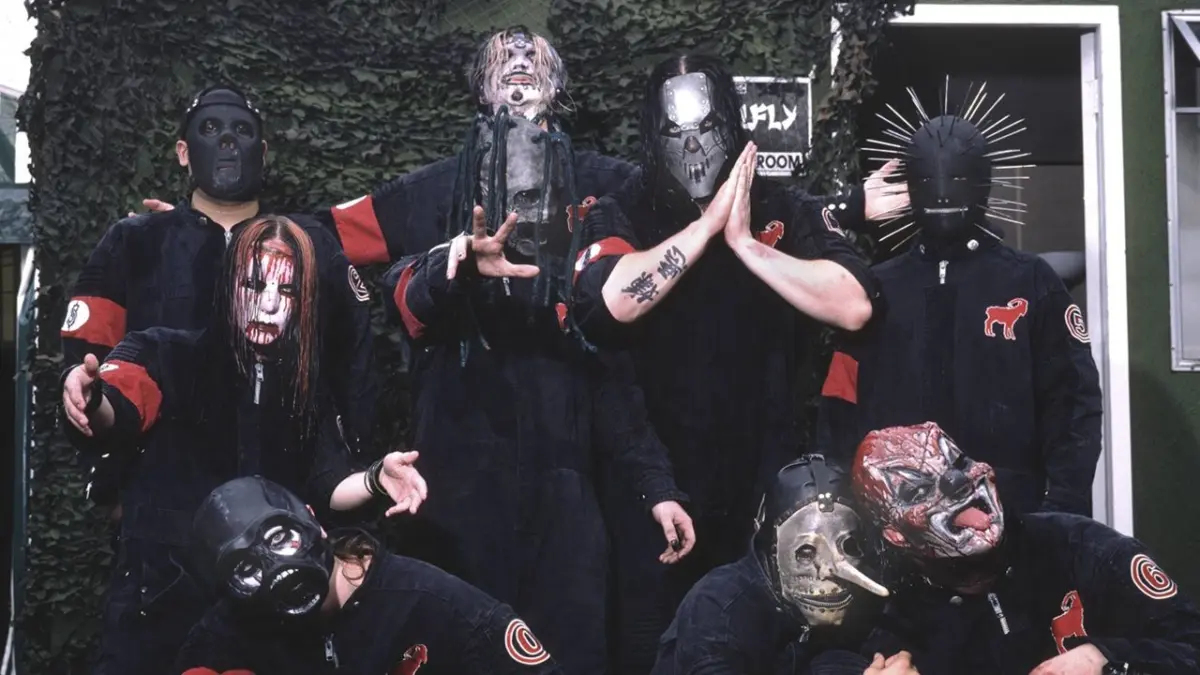
When Slipknot released their self-titled debut in 1999, they introduced a chaotic, mask-wearing, nine-member sonic assault that disrupted the prevailing rock landscape. However, it was their sophomore follow-up, 2001’s Iowa, that permanently altered the trajectory of heavy music. Arriving at a time when nu-metal was ascending toward polished, radio-friendly commercialism, Iowa was an explicit, uncompromising rejection of mainstream palatability. It was an album defined by extreme violence, downtuned sludgy riffage, technical blast-beats, and raw, misanthropic catharsis.
Despite its unyielding sonic intensity, Iowa performed remarkably on commercial charts, debuting at #1 on the UK Albums Chart and #3 on the US Billboard 200. It remains widely regarded as the most extreme album ever to achieve such commercial heights.
A quarter-century after its tracking, the legacy of Iowa extends far beyond its initial release. The album established a blueprint for extreme music’s viability in mainstream culture, paving the way for contemporary acts like Gojira—who performed at the 2024 Paris Olympics opening ceremony—Knocked Loose, and Bring Me The Horizon.
To understand how nine musicians from Des Moines, Iowa, created a record of such unrelenting fury, one must examine the high-stakes, physically damaging studio sessions overseen by legendary producer Ross Robinson.
Detailed Chronology: The Anarchy and Agony of Creation
   [1999]           [Late 2000]             [Early 2001]              [August 2001]
Self-Titled Debut -> Band Fractures -> Sound City Sessions Begin -> 'Iowa' Released
 (Global Stardom)  (Internal Tensions)   (Injuries, Grief & Tape Cuts)   (#1 UK Debut)
1. The Post-Debut Fallout and Psychological Fracture (Late 2000)
Following the relentless touring cycle for their 1999 debut, the members of Slipknot returned home altered. Sudden global fame, industry pressure, and substance indulgence took a severe emotional toll. The band was on the verge of collapsing under the weight of its own success.
Tensions escalated to a point where late bassist Paul Gray and late drummer Joey Jordison contacted producer Ross Robinson with grave concerns that the band would disband before tracking a second record. Meanwhile, frontman Corey Taylor was channeling creative energy into his side project, Stone Sour. Recognizing the imminent threat to the group, Robinson flew out to meet the band directly, refocusing their collective hostility toward a singular artistic outlet.
2. Entering Sound City Studios (Early 2001)
The group re-assembled at Sound City Studios in Van Nuys, California—a studio known for hosting legendary rock sessions, including Fleetwood Mac’s self-titled record and Nirvana’s Nevermind. Rather than opting for polished digital production techniques, Robinson insisted on tracking the band in high-stress, live acoustic environments to capture their raw intensity.
The band was housed in a carpeted, windowless side room within Sound City rumored to be haunted. It was inside this atmosphere that the album’s most notorious sessions occurred.
       +-------------------------------------------------------+
       |             SOUND CITY STUDIOS (ROOM B)               |
       |  - Carpeted, windowless, high-humidity tracking space |
       |  - Site of the NyQuil-fueled 15-minute 'Iowa' jam     |
       |  - Vocal isolation booth for Taylor's self-mutilation  |
       +-------------------------------------------------------+
3. The NyQuil Jam and the Birth of the Title Track
During the tracking of the album’s 15-minute title track, "Iowa", members of the band consumed bottles of NyQuil before entering the tracking room. Robinson arranged room microphones to capture the atmosphere as the band executed an unscripted, improvisational jam.
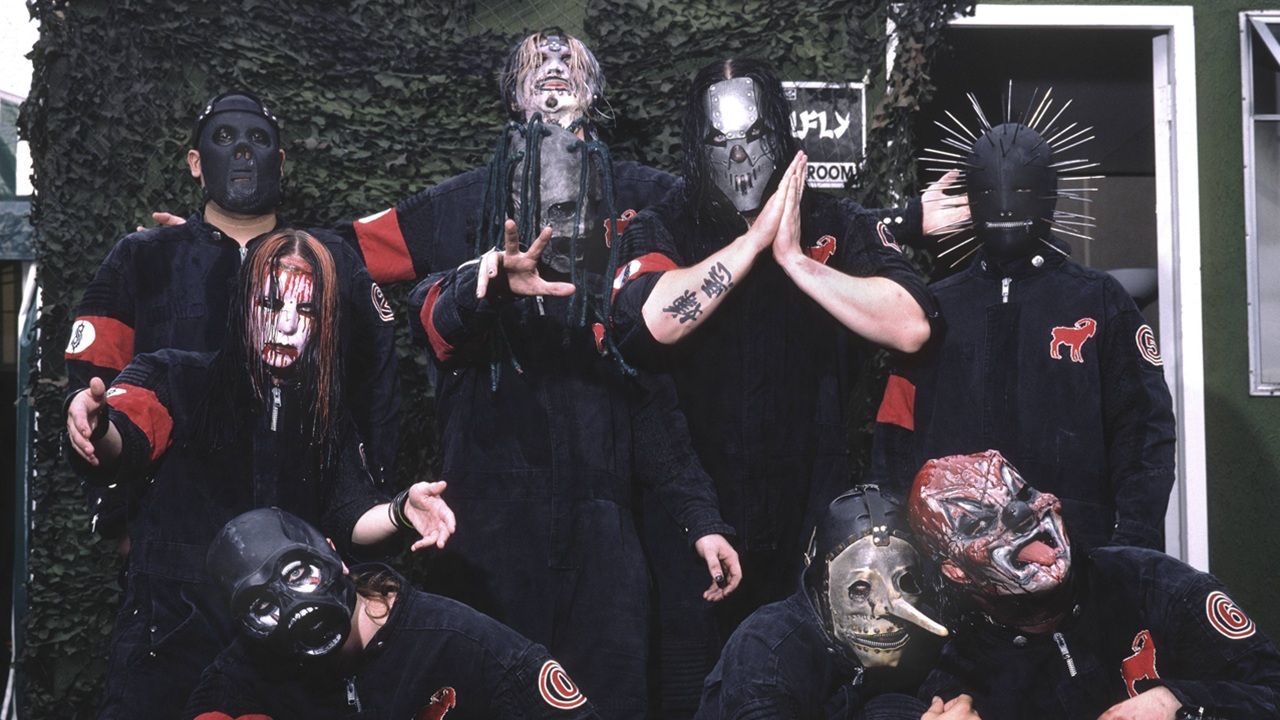
The version that appears on the final release was recorded in a single, unedited take, capturing an organic fluidity rare for heavy metal records of that era.
4. Physical Trauma: Robinson’s Broken Spine
Midway through the tracking process, Robinson suffered a severe motocross accident, fracturing his spine. Refusing to delay the record or pass production duties to an assistant, Robinson returned to the studio after just 24 hours in the hospital.
Wearing a rigid back brace and enduring intense physical pain, Robinson continued to engineer and direct the band daily. This act of dedication altered the psychological dynamic in the studio, raising the stakes and forcing the band to commit fully to the tracking process.
+-------------------------------------------------------------------------+
|                  KEY INCIDENTS DURING THE 'IOWA' SESSIONS               |
+-------------------------------------------------------------------------+
| Incident                 | Impact on Production & Sound                 |
+--------------------------+----------------------------------------------+
| Ross Robinson's Accident | Producer suffered a broken back in a         |
|                          | motocross crash; returned to studio after 1  |
|                          | day, instilling relentless work ethic.       |
+--------------------------+----------------------------------------------+
| Sid Wilson's Loss        | Turntablist recorded backing audio after his |
|                          | grandfather passed away; his breakdown was   |
|                          | converted into the opening track "(515)".    |
+--------------------------+----------------------------------------------+
| Vocal Session Intensity  | Corey Taylor performed vocal takes naked,    |
|                          | using broken glass for physical catharsis to |
|                          | reach peak emotional output.                 |
+--------------------------+----------------------------------------------+
5. Vocal Sessions and Emotional Catharsis
Corey Taylor’s vocal performances were tracked under extreme psychological and physical stress. During vocal takes for tracks like "Iowa" and "Skin Ticket", Taylor stripped off his clothes, broke glass on the studio floor, and self-inflicted cuts to induce a state of physical shock.
Concurrently, turntablist Sid Wilson suffered the loss of his grandfather while in Los Angeles. Upon arriving at the studio in state of severe grief, Robinson placed Wilson behind a microphone to capture his raw emotional reaction. Wilson’s breakdown was recorded, manipulated, and ultimately arranged into the album’s haunting intro track, "(515)".
Supporting Context & Technical Metrics
To understand the sonic intensity of Iowa, one must analyze the technical production choices made by Ross Robinson and engineer Mike Fraser. In 2001, modern digital audio workstations (DAWs) like Pro Tools were becoming industry standard, enabling producers to snap drums to a digital grid and pitch-correct vocal takes. Robinson rejected these digital shortcuts, choosing to record Iowa entirely to two-inch analog tape.
Analog Editing and Drum Mechanics
Editing Joey Jordison’s rapid double-bass drum patterns required manual physical labor. Robinson spent nearly a month manually splicing two-inch master tape using razor blades and editing blocks.
ANALOG TAPE SPLICING PROCESS (Joey Jordison's Drums):
[Two-Inch Analog Tape] ---> [Manual Razor Cut] ---> [Micro-Sliver Removal] ---> [Re-Spliced Tape]
                                                                                      |
                                                                                      v
                                                             (Creates slightly rushed, frantic feel)
To enhance the album’s chaotic feel, Robinson cut microscopic slivers out of the tape directly before specific drum hits. This subtle technique caused the percussion to feel milliseconds ahead of the tempo, instilling a frantic, rushing quality into the rhythm section.
Industry Metrics and Chart Performance
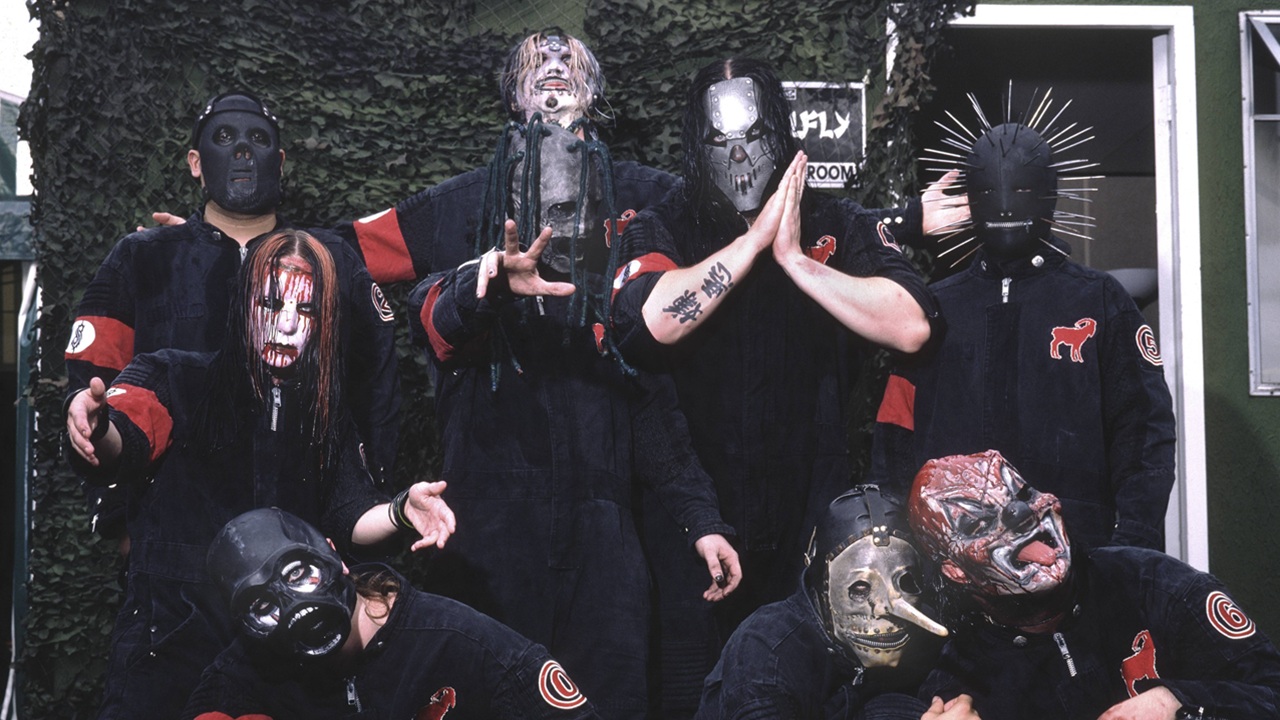
Upon its release on August 28, 2001, through Roadrunner Records, Iowa defied industry expectations for extreme music:
- UK Albums Chart: Debuted at #1, beating out mainstream pop and rock releases.
- US Billboard 200: Debuted at #3, selling over 250,000 copies in its first week.
- RIAA Certification: Certified Platinum in the United States, alongside Gold and Platinum certifications across Europe, Canada, and Australia.
- Critical Reception: Named one of the most influential heavy metal albums of the 2000s by publications including Metal Hammer, Kerrang!, and Rolling Stone.
Official Producer Insights: Ross Robinson on the Studio Chaos
Reflecting on the 25-year legacy of Iowa, producer Ross Robinson provided detailed accounts of the operational atmosphere, internal band dynamics, and technical philosophy that shaped the record.
On Rejecting Commercial Expectations
"I’ve never done a record with an intention of hits or thinking about what the listener is going to do. That’s just not part of the equation. It was just, ‘How can we go deeper?’ Roadrunner really wanted another Spit It Out, but we were looking to help Norway burn some more churches. We wanted to join that extreme metal club!"
On Band Tensions and Sudden Stardom
"That transition from having this vision from nothing, to it becoming so extreme as far as success… Nobody goes to school for it; there’s no education for how to deal with everybody suddenly kissing your butt. Girls that would never have looked at you, suddenly paying you all this attention… it’s very confusing. It was tough on these innocent Beavises!"
"We weren't going, 'Let's make this sound good.' Fuck that!
Does it give you chills? Does it make you laugh or cry, do you get scared?
I wanted people to worry they were going to die listening to this record!"
                                — Ross Robinson, Producer
On Working Through a Broken Back
"I broke my back [in a motocross accident] and showed up anyway; it put a very next-level diligence into those guys. Joey [Jordison] said to me later, ‘It was the greatest thing that ever happened to us.’ It was really tough—I’d get home and just lie there watching The Big Lebowski until I passed out. I was in so much pain, but I’d get to the studio and it’d be, ‘Let’s get it the fuck on!’"
On the Legacy of Late Members Joey Jordison and Paul Gray
"I miss Joey and Paul so much, so those guys getting to live on through that is a dream… When you’ve got a band slamming as hard as they possibly fucking can, not giving a damn about mistakes or perfection, it creates a living, beating heartbeat. If you want to know if life can last forever, or you wanna feel Joey and Paul? Press play. It’s right there."
Future Outlook & Cultural Legacy
Twenty-five years after its turbulent creation, Iowa remains a landmark release in modern heavy music. The album demonstrated that extreme metal could achieve global commercial success without sacrificing sound, aggression, or artistic integrity.
The Lineage of Modern Extreme Metal
The stylistic ripples of Iowa can be observed across today’s heavy music spectrum:
- Mainstream Crossover: French metal titans Gojira brought extreme metal to a global audience during the 2024 Paris Olympics—an achievement rooted in the mainstream cultural footprint carved out by Slipknot decades earlier.
- Hardcore Revival: Acts like Knocked Loose have brought relentless, abrasive hardcore to late-night television shows such as Jimmy Kimmel Live!, leveraging the blueprint Iowa established for uncompromised extreme music on major platforms.
- Arena Scale: Bands like Bring Me The Horizon evolved from deathcore origins into chart-topping, arena-headlining acts while maintaining heavy, aggressive roots influenced by Slipknot’s early work.
Ultimately, Iowa stands as an enduring monument to raw artistic authenticity. By capturing a volatile moment of internal conflict, physical injury, and grief on analog tape, Ross Robinson and Slipknot created an album that continues to define the absolute limits of mainstream extreme music.