Executive Overview
For decades, the ritual of recording a DJ mix was a high-stakes, linear endeavor. A practitioner would hook up the master output of their hardware mixer to an external recording device, hit the physical record button, and pray they didn’t commit a "galloping" beat-matching mistake thirty minutes into a marathon session. One flubbed transition meant restarting the entire recording from scratch.
Today, that paradigm has shifted entirely. The modern landscape of DJ mix creation is sophisticated, non-destructive, and deeply integrated with advanced digital audio workstations (DAWs) and artificial intelligence. Whether you are crafting a syndication-ready radio show, a promotional demo for a booking agent, a dynamic YouTube upload, a Mixcloud timeline set, or simply archiving a club performance, specialized software exists for every stage of the pipeline.
Modern tools fall into several distinct categories: live performance capture applications, offline timeline editors that allow producers to paint transitions with surgical precision, AI-powered automation platforms that assemble a baseline mix before human fine-tuning, and open-source remix suites. This article provides an authoritative breakdown of the best software and hardware tools available for DJ mix creation, categorized by their distinct workflows.
Detailed Chronology: From Linear Hardware to Intelligent Software
To understand how modern DJ software operates, it is helpful to trace the evolution of how mixes have been captured and engineered over the past thirty years.
- The Analog and Mini-Disc Era (Late 1990s – Early 2000s): Mixes relied on hardware routing—cassette decks, Minidisc recorders, and eventually standalone CD burners connected to the booth outputs of analog mixers like the Pioneer DJM-600 or Allen & Heath Xone series. Mistakes were permanent.
- The Digital Audio Editor Boom (Mid-2000s): As computers became ubiquitous in bedrooms and backstage riders, software like Audacity and early versions of Ableton Live allowed DJs to transfer their live recordings into digital form. Trimming dead air, normalizing audio levels, and cutting out background noise became standard post-production steps.
- The Automated Timeline Pioneer (Late 2000s): Software like MixMeister Studio introduced timeline-based, non-destructive arranging to the DJ world. Instead of playing tracks live, users could drop tracks onto a timeline, letting software align tempos and beats automatically. Though revolutionary, the software eventually aged out of modern operating systems.
- The Stem and AI Revolution (2020s–Present): Today, platforms like DJ.Studio, Density One, and Silverdaw leverage real-time stem separation, key and tempo analysis, and performance-data logging. Software no longer merely records audio waves; it understands the structure of the music itself, allowing transitions to be built, edited, or completely re-rendered post-performance.
Supporting Context & Metrics: Choosing the Right Workflow
Rather than utilizing a blunt, one-size-fits-all ranking system, modern evaluation dictates that software must be judged by its specific workflow utility. Below is a detailed breakdown of the premier tools across distinct production categories.
1. Best DJ Mix Recording Software Overall: DJ.Studio
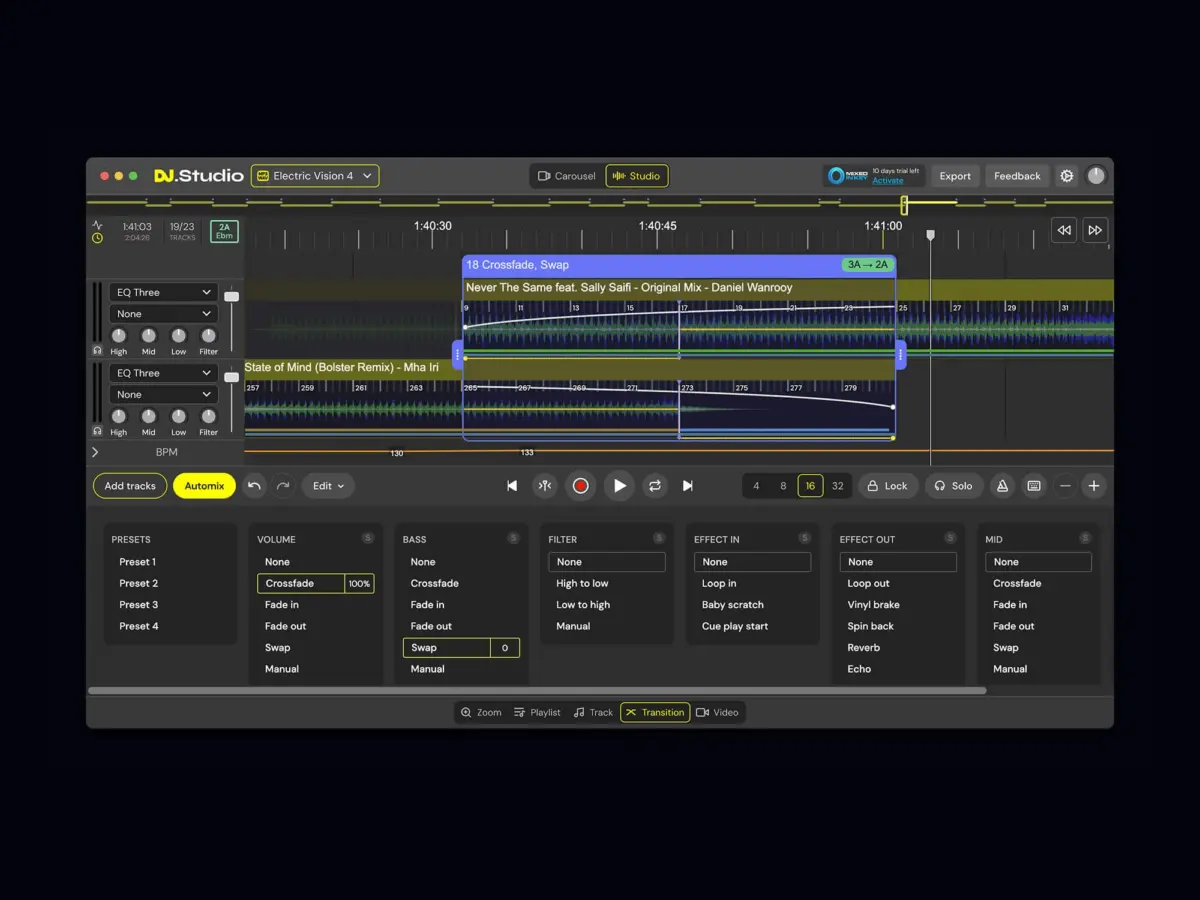
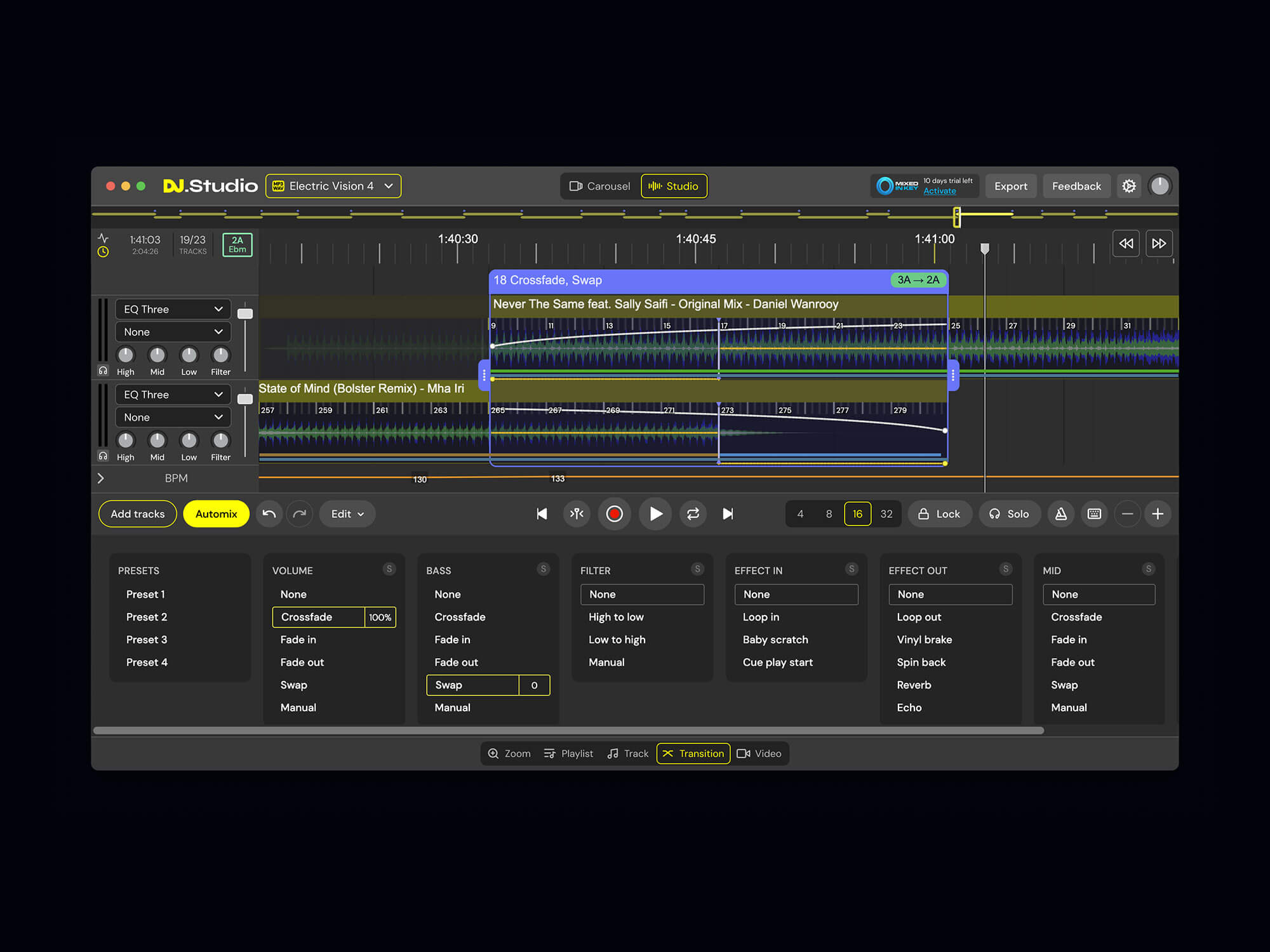
If your primary objective is to craft polished, professional-grade DJ mixes with absolute creative flexibility, DJ.Studio stands unrivaled in the current market. Often characterized as a DAW built exclusively for DJs, the platform was conceived out of a desire to replace the aging MixMeister Studio.

- Core Functionality: Users can import playlists directly from ecosystem standards like rekordbox, Serato, and virtual DJ software. The software automatically maps out harmonic keys and tempos, generates seamless transition suggestions, and allows users to rearrange track order on a multi-track timeline.
- Key Features: Stem separation capabilities, non-destructive timeline editing, and the ability to export master audio files without ever physically touching a hardware controller. It also features deep integrations with Mixed In Key, Beatport, and Ableton Live workflows.
- Value Proposition: For radio syndication, promotional mixes, and long-form sets, DJ.Studio slashes prep time from hours of trial and error down to mere minutes.
2. Best DJ Mix Recording Innovation: Density One
Old-school digital purists will remember when Native Instruments’ Traktor Pro (then Traktor DJ Studio) allowed users to record sets as "Mixfiles"—capturing performance data rather than audio, which could then be edited prior to final rendering. While that feature faded away, Density One has reimagined the concept for modern club hardware.
- Core Functionality: Density does not capture raw audio streams during a performance. Instead, it logs the underlying performance data: track loading actions, cue point triggers, loop activations, mixer fencer movements, EQ adjustments, filter sweeps, and effects automation.
- Post-Performance Processing: Once a live set concludes, Density uses the recorded metadata to rebuild the mix using the original, uncompressed studio audio files. This allows DJs to surgically clean up sloppy transitions, adjust volume automation, or fix minor timing errors after the fact.
- Hardware Compatibility: Currently optimized primarily for Pioneer DJ and AlphaTheta club-standard ecosystems, Density One represents one of the most paradigm-shifting innovations in live mix preservation.
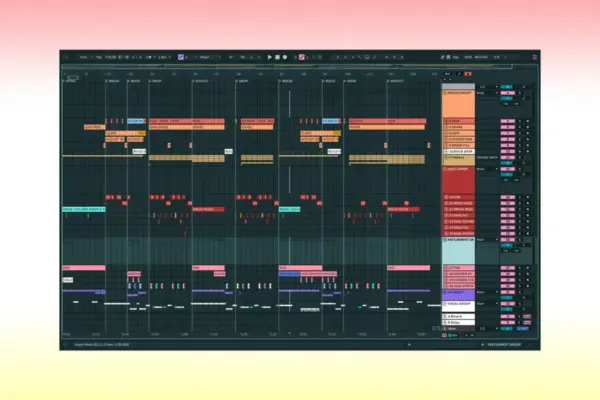
3. Best Software for Producing Studio-Quality Mixes: Ableton Live
While Ableton Live is fundamentally a music production workstation rather than a dedicated DJ application, it has evolved into the gold standard for audio obsessives and headlining touring artists who demand uncompromised sonic control.
- Workflow Architecture: Users can drop tracks into Session or Arrangement view, using Ableton’s legendary warp engine to lock disparate tempos into absolute grid alignment.
- Production Capabilities: Every transition can be meticulously crafted. Producers can insert custom sound effects, design bespoke intro edits, layer acapellas over instrumental loops, automate filters manually, and apply professional-grade multi-band compression and limiting on the master bus. Many commercial festival mix compilations and syndicated radio shows are finished entirely inside Ableton.
4. Best Free Software for Editing DJ Mixes: Audacity
For over two decades, Audacity has served as the trusty Swiss Army knife for bedroom and club DJs alike.
- Utility: It lacks the advanced nonlinear arrangement capabilities of a dedicated DAW or specialized DJ suite, but for basic post-processing—such as trimming the warm-up silence off the front of a live recording, boosting overall loudness via limiting, and exporting to high-bitrate MP3 or WAV formats—it remains remarkably efficient.
- Accessibility: Because of its decades-long tenure, users have access to thousands of free video tutorials and troubleshooting guides across YouTube and producer forums.
5. Best Live Mobile Recording App: Pioneer DJ DJM-REC
For working club DJs who want a frictionless, hardware-direct recording solution without hauling laptops or outboard recording interfaces to a venue, Pioneer DJ’s proprietary DJM-REC application remains an essential utility.
- Integration: The app connects directly to compatible Pioneer DJM mixers via a single digital cable to an iOS device.
- Features: It captures pristine, master-level audio directly from the mixer’s internal digital signal path. Furthermore, it embeds track markers automatically based on the mixer’s crossfader and channel activity, making it effortless to split a single recorded set into individual track IDs for upload platforms like Mixcloud or SoundCloud.
6. Best Free Remix & Mashup Studio: Silverdaw
A standout open-source arrival, Silverdaw is a free digital audio workstation designed specifically for the unique demands of mashup artists, bootleg creators, and sample-based mix producers.
- Design Philosophy: Unlike standard DAWs built around virtual instruments and MIDI composition, Silverdaw is built entirely around audio manipulation. It features lightning-fast automatic tempo and key detection, robust stem separation algorithms, timeline slicing, and effects automation.
- Appeal: It feels intuitively designed by people who understand the workflow of a DJ rather than a traditional classical orchestrator, positioning it as an indispensable zero-cost alternative for creative mix compilation.
7. Best Software for Playlist-Driven Mixes: DropLab
Filling the conceptual gap between traditional performance DJ software and heavy studio DAWs, DropLab enables creators to build complete, timeline-based mixes directly from static playlists.
- Focus: The platform emphasizes rapid set preparation, track arrangement, and sophisticated crossfading tools. Recent updates include native stem separation and fine-grained transition editing, making it a viable, modern alternative to legacy playlist editors.
Official Industry Statements & Perspectives
Industry veterans emphasize that the shift toward non-destructive software is not about "cheating" a live performance, but rather elevating the final listener experience.
Chris Barker, an established DJ, producer, and industry analyst, notes:
"The expectations of modern listeners have risen exponentially. When a fan tunes into a radio broadcast or a festival stream, they aren’t grading you on whether you beat-matched two records under strobe lights; they are judging the sonic cohesion, harmonic flow, and overall dynamic impact of the audio. Utilizing modern software tools allows artists to present their musical taste in the best possible light without the artifacting and human error inherent in legacy recording methods."
Furthermore, software developers point out that the integration of artificial intelligence and metadata-driven performance logs (such as those pioneered by Density One) bridge the historic chasm between the raw energy of a live club set and the clinical perfection of a studio master.
Future Outlook: What Lies Ahead for DJ Mix Technology?
As computing power increases and cloud-based music ecosystems evolve, the boundaries separating live performance, post-production, and automated distribution will continue to dissolve. Several key trends are poised to shape the next decade of DJ mix creation:
- Universal Stem Integration: Real-time, high-fidelity stem separation—breaking a mixed track down into independent vocals, basslines, drums, and melodic elements on the fly—will move from an advanced feature to a baseline standard across all recording and editing platforms. This will allow producers to execute live-style mashups and acapella blends inside editing software with zero artifact distortion.
- Cloud-Native Collaborative Mixes: Future platforms will likely enable multiple DJs to collaborate on a single timeline within cloud environments, passing stems and transition arrangements back and forth across global networks in real-time.
- Algorithmic Mastering Assistants: As automated mastering utilities become increasingly context-aware, software suites will automatically analyze the sonic profile of mixed tracks, dynamically balancing EQ curves and loudness penalties to ensure optimal playback across consumer streaming platforms like Apple Music, Spotify, and YouTube Music.
Ultimately, whether you choose the automated speed of DJ.Studio, the granular control of Ableton Live, or the performance-data innovation of Density One, the modern DJ has never been better equipped to translate their creative vision into a pristine, shareable audio reality.