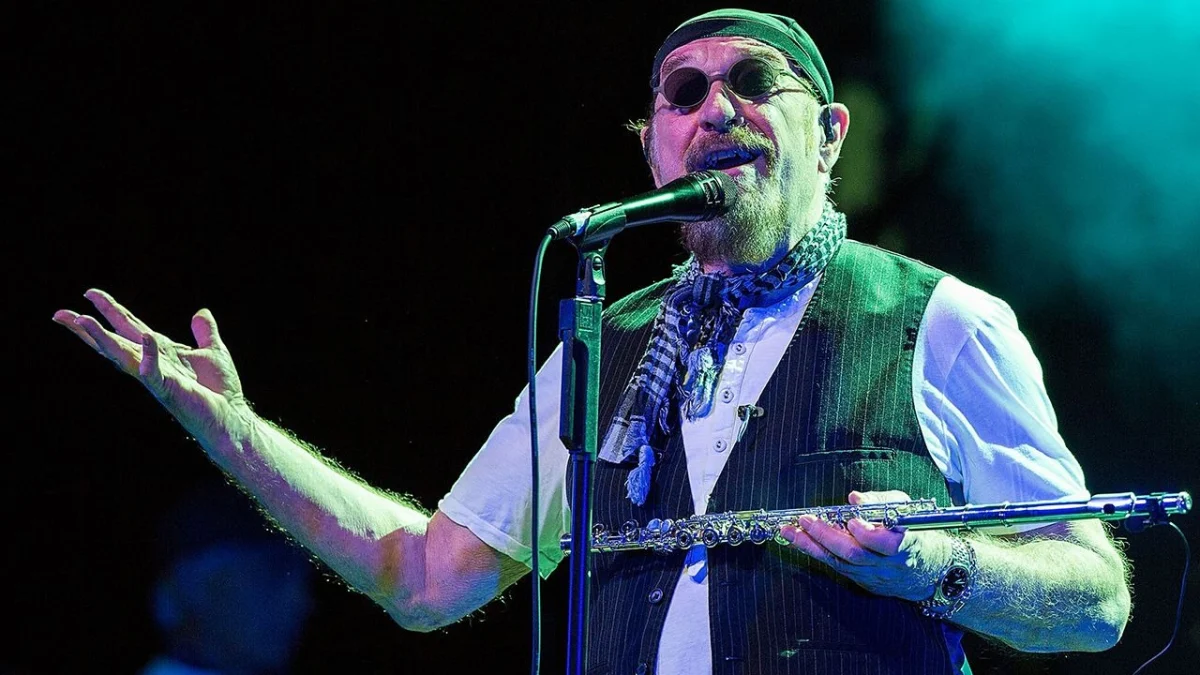
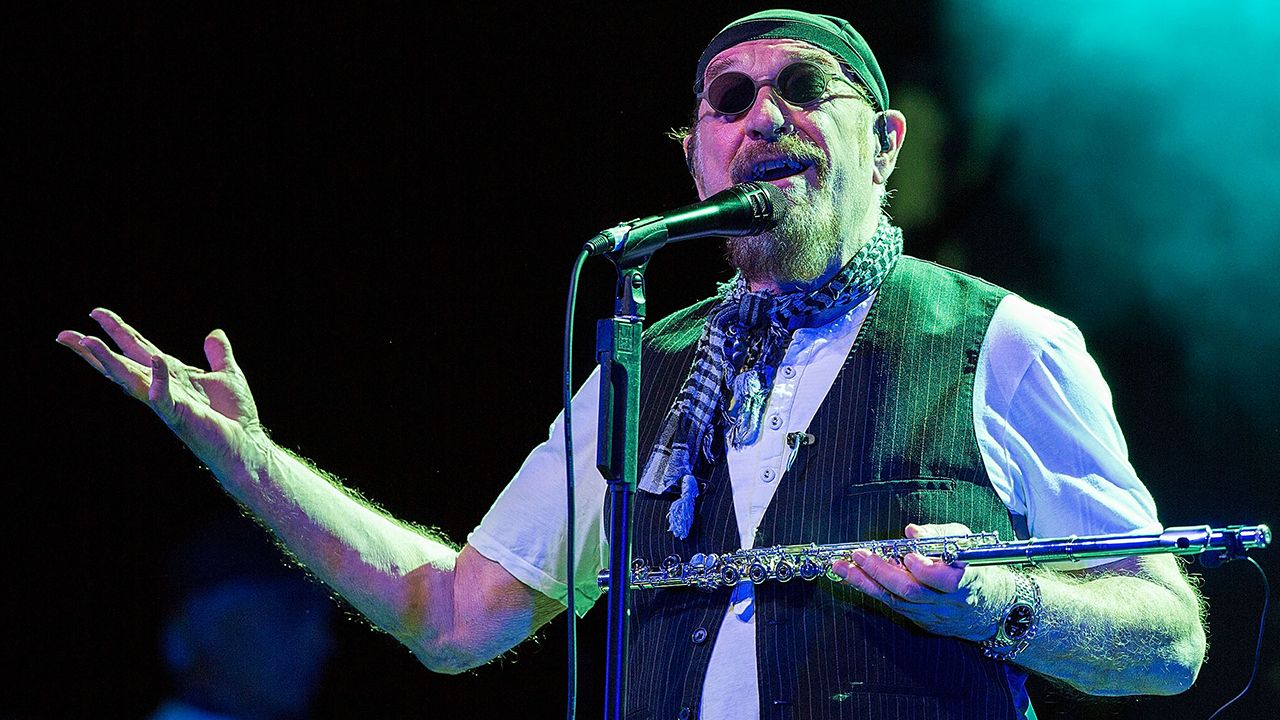
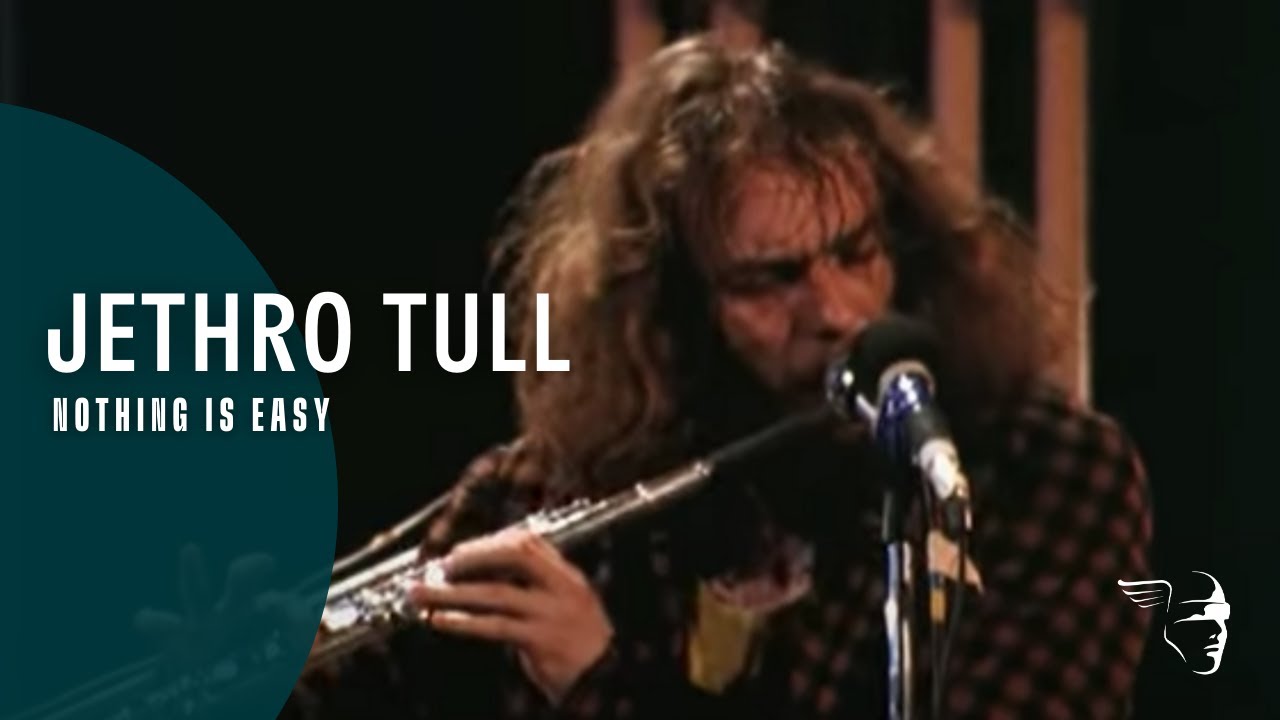
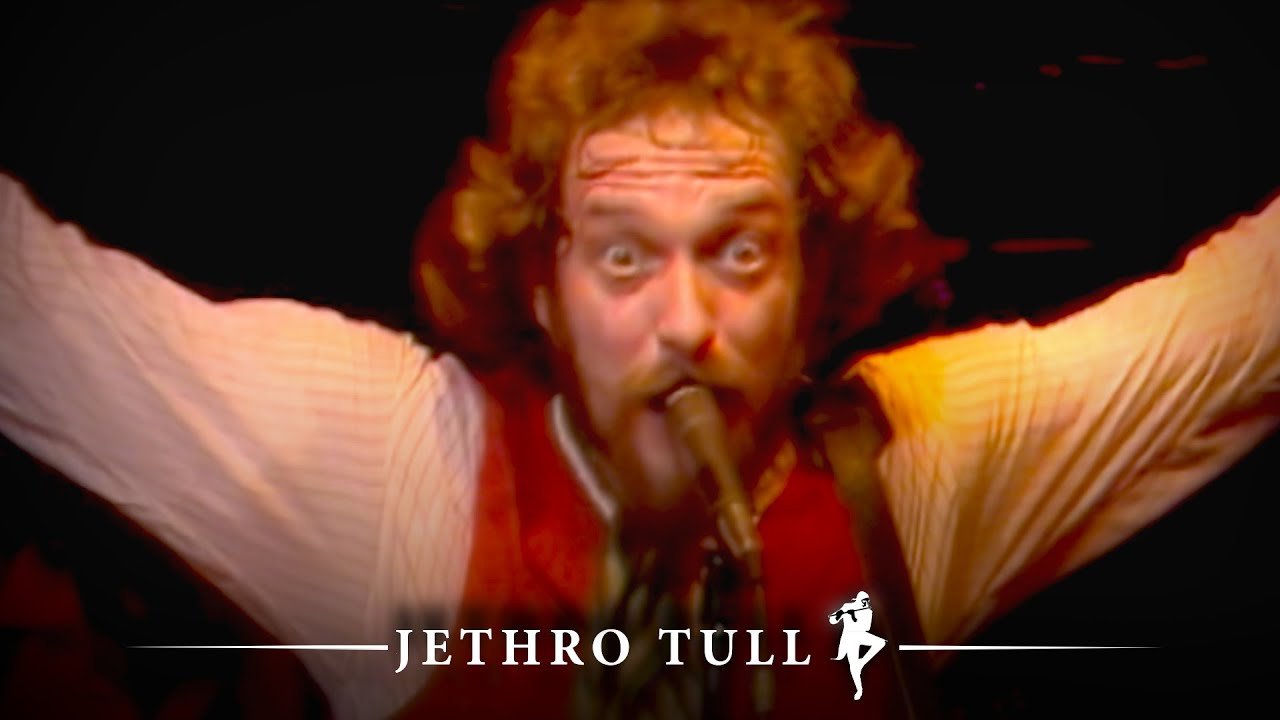
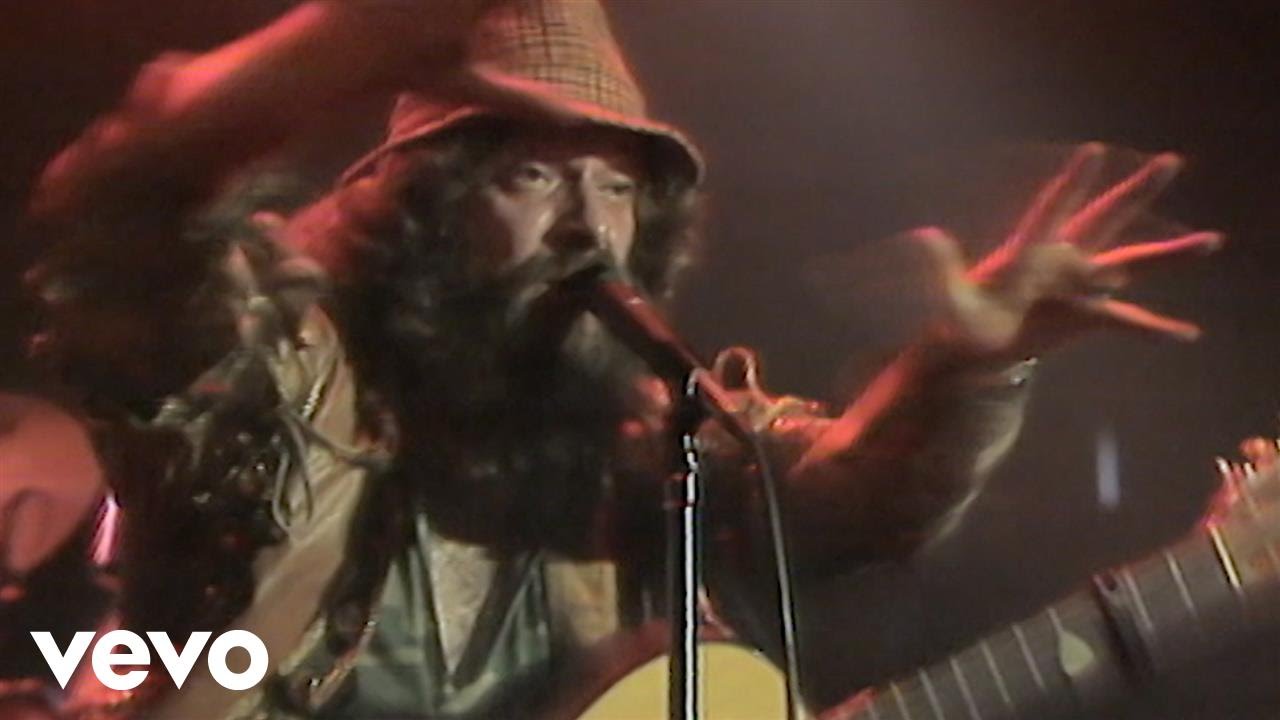
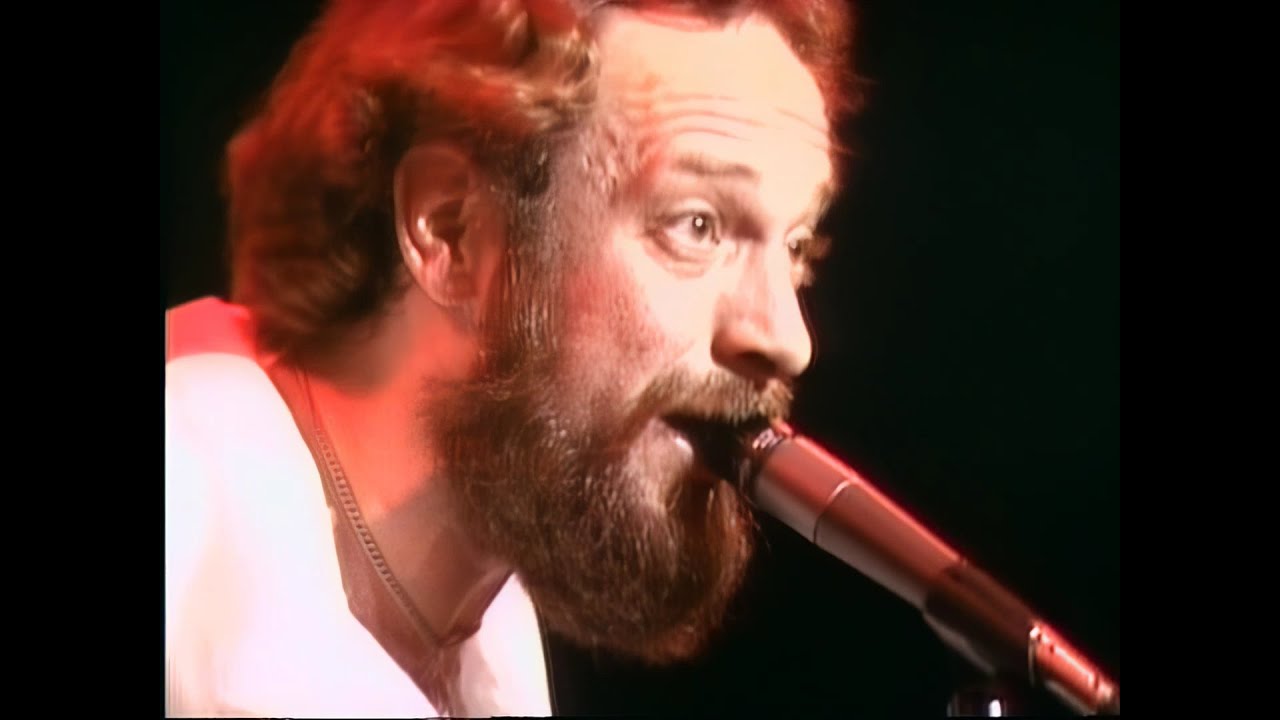
Few entities in the history of popular music have navigated the stylistic mutations of rock with the relentless autonomy of Jethro Tull. Formed in 1968 around the eccentric vision of frontman, multi-instrumentalist, and flautist Ian Anderson, the group grew from humble British blues-club origins into a vanguard force of progressive rock, pioneering a genre-defying synthesis of folk, hard rock, classical phrasing, and cynical social commentary.
Prior to reactivating the Jethro Tull moniker for a modern album cycle—beginning with 2022’s The Zealot Gene and continuing through RökFlöte and Curious Ruminant—Anderson engaged in a detailed retrospective with Prog magazine. Spanning 21 studio albums recorded across 35 years (1968 to 2003), Anderson offered an unfiltered assessment of the band’s discography.
This retrospective provides an authoritative account of Jethro Tull’s studio trajectory. It documents their transition from British blues to conceptual progressive rock, their pastoral folk trilogy, their electronic synth-rock shifts in the 1980s, and their late-era fusions. Anderson addresses internal band tensions, vocal crises, tragedy, and the industry controversies that defined the band’s career.
Detailed Chronology
  1968         1971          1972-73         1977-78          1984           1987          1995-2003
---|------------|--------------|---------------|---------------+--------------+------------|------------>
 This Was    Aqualung    Thick As A Brick /  Songs / Heavy    Under Wraps    Crest Of A     Roots To Branches /
 (Blues-Folk) (Breakthrough) Passion Play    Horses          (Synth-Rock /   Knave          Christmas Album
                         (High Prog)        (Folk-Rock)     Drum Machine)  (Grammy Win)   (Late Fusions)
Formative Years & Folk-Blues Realignment (1968–1970)
This Was (1968)
Jethro Tull’s debut album served as both an entry point into the late-1960s British music scene and an immediate declaration of artistic independence. Rooted firmly in blues elements and Black American folk culture, the album featured guitarist Mick Abrahams alongside Anderson. However, Anderson quickly recognized the stylistic limits of the genre.
"When we were recording it, the one thing I felt sure about is that if we were lucky enough to make another album, I knew it wouldn’t be like this one," Anderson stated. "That’s not part of my life and I couldn’t keep doing that. I’d look like a complete twit."
The album was also notable for its minimalist presentation, featuring cover art stripped of band logos—a rebellious decision that defied industry norms of the era.
+-------------------------------------------------------------------------------+
|                       EARLY ALBUM DYNAMICS (1968–1970)                        |
+---------------------+---------------------------------------------------------+
| Album               | Key Stylistic & Structural Shifts                       |
+---------------------+---------------------------------------------------------+
| This Was (1968)     | British Blues Boom, African-American Folk Influences,   |
|                     | No-Logo Sleeve Packaging                                |
+---------------------+---------------------------------------------------------+
| Stand Up (1969)     | Departure of Mick Abrahams, Arrival of Original Prog,  |
|                     | Eclectic Instrumentation, Fusion of Classical/Folk/Rock |
+---------------------+---------------------------------------------------------+
| Benefit (1970)      | Darker Psychological Tones, Hard-Rock Guitars,         |
|                     | US Tour Fatigue, Space-Age Isolation Motifs             |
+---------------------+---------------------------------------------------------+
Stand Up (1969)
Following the departure of Abrahams, Stand Up represented Jethro Tull’s artistic coming-of-age. The record saw the introduction of eclectic arrangements, mixing classical adaptations (such as "Bourée") with folk and hard rock. Anderson considers this the pivotal transition point where "progressive rock" emerged as a distinct movement, allowing the band to blend diverse genres without stylistic boundaries.
Benefit (1970)
Influenced by the band’s grueling first tours of the United States, Benefit introduced a darker, more cynical edge. The album expanded their use of studio techniques, such as backwards guitar tracks and flanged keys. A notable track, "For Michael Collins, Jeffrey And Me," highlighted Anderson’s narrative songwriting, drawing parallels between personal isolation and astronaut Michael Collins remaining in orbit in the Command Module during the Apollo 11 moon landing.
The Prog Pantheon & Conceptual Audacity (1971–1975)
Aqualung (1971)
Aqualung elevated Jethro Tull to global prominence. Built primarily on acoustic guitar riffs written by Anderson that were later converted into electric anthems—most notably the iconic title track—the album examined themes of organized religion, homelessness, and social hypocrisy. Though critics labeled it a concept album, Anderson maintained it was simply a collection of songs sharing thematic overlaps. Aqualung expanded the band’s fanbase far beyond the UK and North America, securing their position in international markets.
Thick As A Brick (1972)
In response to music critics who insistently characterized Aqualung as a concept album, Anderson set out to deliver a parody of the genre.
"I thought, ‘Right, let’s show them what a concept album is!’" Anderson recalled. "It seemed like an amusing idea to go down that route in this Pythonesque way and to try to use surreal humour."
Composed as a single, continuous 43-minute piece of music split across two sides of a vinyl record—and attributed to the fictional child prodigy Gerald Bostock—the album unexpectedly topped the US Billboard charts and established Jethro Tull as a major theatrical live act.
+-------------------------------------------------------------------------------+
|                      THE CONCEPTUAL ERA (1971–1975)                           |
+---------------------+---------------------------------------------------------+
| Album               | Conceptual Framing & Reception                          |
+---------------------+---------------------------------------------------------+
| Aqualung (1971)     | Acoustic/Electric duality; critique of church & state; |
|                     | Breakthrough album across international markets         |
+---------------------+---------------------------------------------------------+
| Thick As A Brick    | Satirical single-track epic; attributed to Gerald       |
| (1972)              | Bostock; #1 US album; introduced theatrical staging     |
+---------------------+---------------------------------------------------------+
| A Passion Play      | Complex afterlife narrative; recorded post-Château     |
| (1973)              | collapse; polarized press, championed by metal peers    |
+---------------------+---------------------------------------------------------+
| War Child (1974)    | Reverted to concise single format; spawned US hit       |
|                     | "Bungle In The Jungle"; radio-friendly production       |
+---------------------+---------------------------------------------------------+
| Minstrel In The     | Introspective studio methods; last album with Jeffrey   |
| Gallery (1975)      | Hammond; contrast between acoustic and heavy rock       |
+---------------------+---------------------------------------------------------+
A Passion Play (1973)
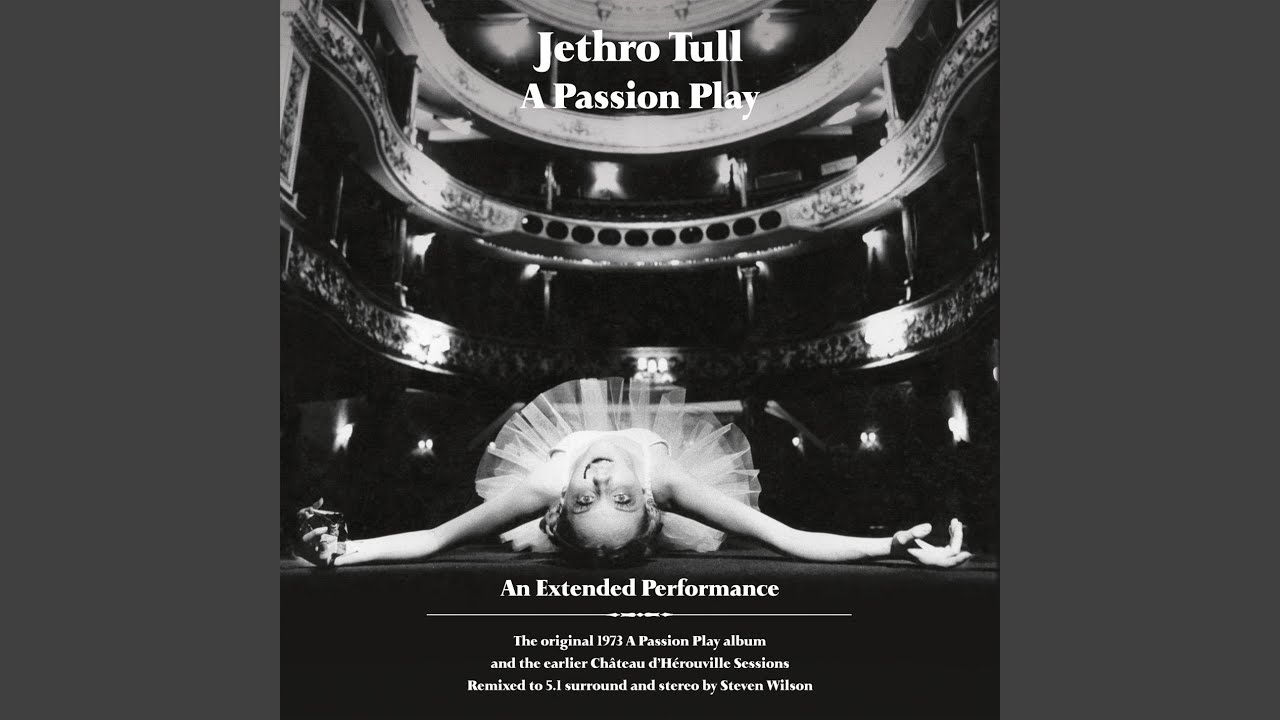
Following the success of Thick As A Brick, the band attempted to record their next project at the Château d’Hérouville in France. The sessions—later dubbed the "Château d’Isaster" tapes—were abandoned due to technical issues, poor recording equipment, and widespread food poisoning. Forced to write and record a new album under tight deadline pressure back in the UK, the band produced A Passion Play. Featuring complex time signatures and a narrative centered on the afterlife, the album received polarized reviews from critics, though it earned praise from contemporary artists, including Iron Maiden bassist Steve Harris.
War Child (1974)
Conceived initially as a soundtrack for an unproduced feature film, War Child saw the band return to concise song structures. The album was propelled by "Bungle In The Jungle," a reworked track from the abandoned Château sessions designed specifically for American AM radio. The single became a major hit in North America, broadening the band’s audience and filling arena tours throughout the decade. Deep Purple guitarist Ritchie Blackmore also expressed admiration for the album’s distinct tone and classical-rock arrangements.
Minstrel In The Gallery (1975)
Minstrel In The Gallery reflected a shift toward introspective songwriting and changing band dynamics. It marked the final appearance of longtime bassist Jeffrey Hammond, whose upcoming departure prompted Anderson to adopt a more isolated approach to production. Using click tracks and recorded overdubs, Anderson began working independently in the studio—a method that altered the band’s collaborative recording dynamic, juxtaposing acoustic arrangements with heavy electric passages.
The Folk-Rock Trilogy & Domestic Tragedy (1976–1979)
Too Old To Rock ‘n’ Roll: Too Young To Die! (1976)
Written after a turbulent flight, the title track of this concept album reflected on the subculture of aging 1950s British rockers and bikers. Anderson used the narrative to explore themes of nostalgia, cultural change, and personal identity, producing a story that combined social satire with a sympathetic look at subcultural loyalty.
+-------------------------------------------------------------------------------+
|                     PASTORAL FOLK & ERA TRANSITION (1976–1979)                |
+---------------------+---------------------------------------------------------+
| Album               | Contextual Factors & Artistic Direction                 |
+---------------------+---------------------------------------------------------+
| Too Old To Rock...  | Conceptual look at 1950s subcultures; written during    |
| (1976)              | flight turbulence; mid-70s rock introspection           |
+---------------------+---------------------------------------------------------+
| Songs From The Wood | Collaborative peak; arrangements by Martin Barre and    |
| (1977)              | Dee Palmer; revival of a unified band dynamic           |
+---------------------+---------------------------------------------------------+
| Heavy Horses (1978) | Pastoral focus during the UK punk explosion; refusal to |
|                     | chase trends; parallel existence alongside New Wave     |
+---------------------+---------------------------------------------------------+
| Stormwatch (1979)   | Cold War motifs & oil crisis themes; marred by death    |
|                     | of bassist John Glascock; end of the 70s line-up        |
+---------------------+---------------------------------------------------------+
Songs From The Wood (1977)
Songs From The Wood marked a major artistic shift, combining British folklore and pastoral themes with progressive rock arrangements. Unlike the isolated recording methods of Minstrel, this record relied heavily on group collaboration. Guitarist Martin Barre and keyboard arranger Dee Palmer contributed substantially to the song structures, reviving the collective band identity seen on early records like Stand Up. Apart from solo compositions like "Jack-In-The-Green," the album stood as a key collaborative landmark in the Tull discography.
Heavy Horses (1978)
Released at the height of the UK punk movement, Heavy Horses continued the pastoral themes established on Songs From The Wood. While the music industry shifted toward new wave and punk acts like The Police and The Stranglers, Jethro Tull remained focused on their established sound. Anderson viewed the punk revolution as a parallel commercial event rather than an artistic threat, making no attempt to alter the band’s musical direction to match short-lived trends.
Stormwatch (1979)
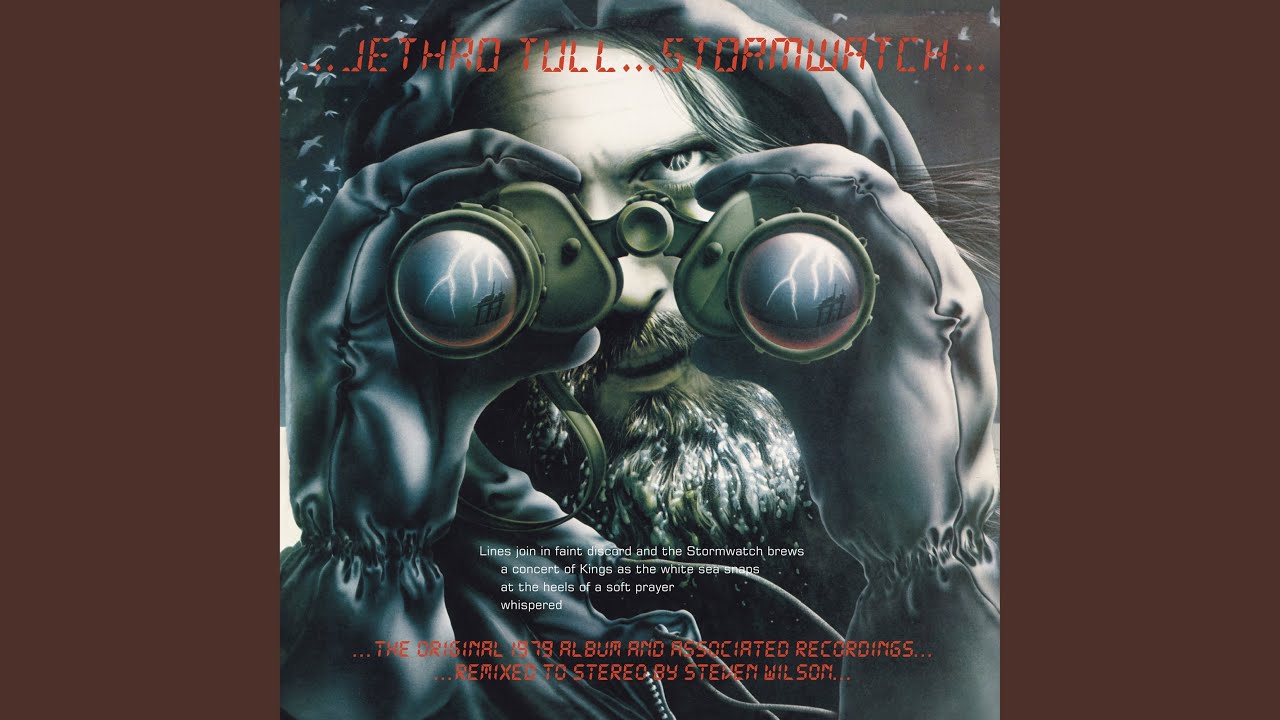
The final installment of the folk-rock trilogy, Stormwatch addressed darker themes, including environmental degradation, the North Sea oil boom, and Cold War anxieties. The recording sessions were marred by the failing health of bassist John Glascock, who suffered from a cardiac condition. Despite being asked to step back from recording to recover, Glascock died during the album’s production cycle. His death affected the band deeply and brought an end to Jethro Tull’s classic 1970s lineup.
The Electronic Pivot & Synth-Hard Rock Era (1980–1987)
A (1980)
Initially intended as an Ian Anderson solo project—hence the title A for Anderson—the album featured keyboardist/violinist Eddie Jobson (ex-Roxy Music, UK) alongside Martin Barre. The material moved toward a synth-heavy, electronic-influenced sound. Under pressure from Chrysalis Records, the record was released under the Jethro Tull name, a decision Anderson later regretted due to the jarring lineup change and stylistic departure it represented for the fanbase.
+-------------------------------------------------------------------------------+
|                       THE SYNTH & HARD ROCK ERA (1980–1987)                   |
+---------------------+---------------------------------------------------------+
| Album               | Key Innovations & Historical Events                     |
+---------------------+---------------------------------------------------------+
| A (1980)            | Solo project repurposed as Tull album; featured Eddie   |
|                     | Jobson; introduction of modern synthesizers             |
+---------------------+---------------------------------------------------------+
| The Broadsword And  | Mix of folk themes & synth arrangements; mixed by Paul  |
| The Beast (1982)    | Samwell-Smith (The Yardbirds) to relieve producer stress|
+---------------------+---------------------------------------------------------+
| Under Wraps (1984)  | Early digital sequencing & drum machines; demanding     |
|                     | vocal arrangements; led to severe vocal injury          |
+---------------------+---------------------------------------------------------+
| Crest Of A Knave    | Return to hard-rock guitar leads; heavy MTV exposure;   |
| (1987)              | infamous 1989 Grammy Award win over Metallica           |
+---------------------+---------------------------------------------------------+
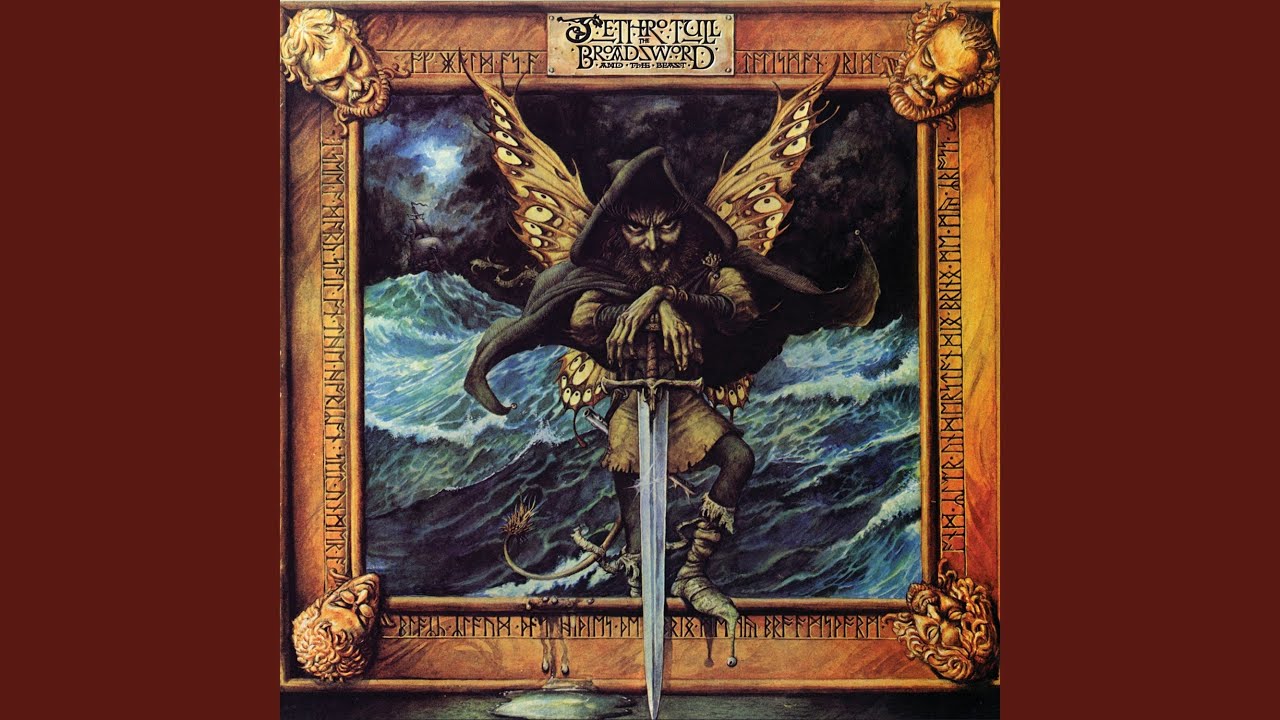
The Broadsword And The Beast (1982)
Following a brief hiatus, The Broadsword And The Beast merged medieval folk motifs with early 1980s electronic synth arrangements. To ease the production workload on Anderson, the band brought in former Yardbirds member Paul Samwell-Smith to mix the album. The collaboration created a balanced, structured sound that successfully integrated electronic instrumentation with progressive folk-rock.
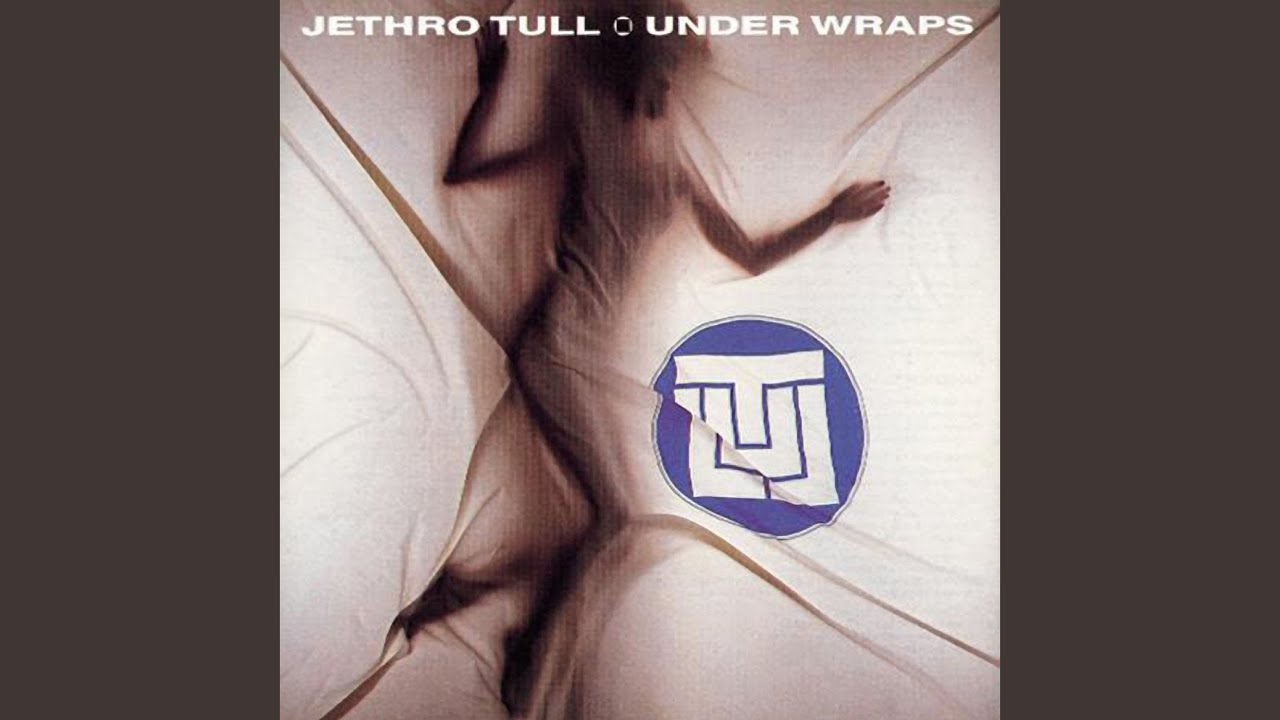
Under Wraps (1984)
Expanding on the electronic production of Anderson’s 1983 solo debut Walk Into Light, Under Wraps relied heavily on digital synthesizers and drum machines. While the album contained complex vocal compositions, the decision to replace a live drummer alienated many fans and remained a point of debate for Anderson.
Furthermore, the demanding vocal ranges required on the subsequent tour caused severe damage to Anderson’s vocal cords, forcing a prolonged hiatus from live performances.
Crest Of A Knave (1987)
Following a period of vocal therapy, Anderson re-emerged with Crest Of A Knave, an album focused on hard-rock guitar work and blues-influenced structures. Driven by single tracks like "Steel Monkey" and "Budapest"—which was written following a concert in Hungary—the record gained significant airplay on MTV and radio in the US.
In 1989, the album made music history by winning the inaugural Grammy Award for Best Hard Rock/Metal Performance, famously beating heavy metal favorites Metallica (…And Justice for All). The win generated significant industry debate and remains one of the most famous surprises in Grammy history.
Reflections on the Later Studio Eras (1989–2003)
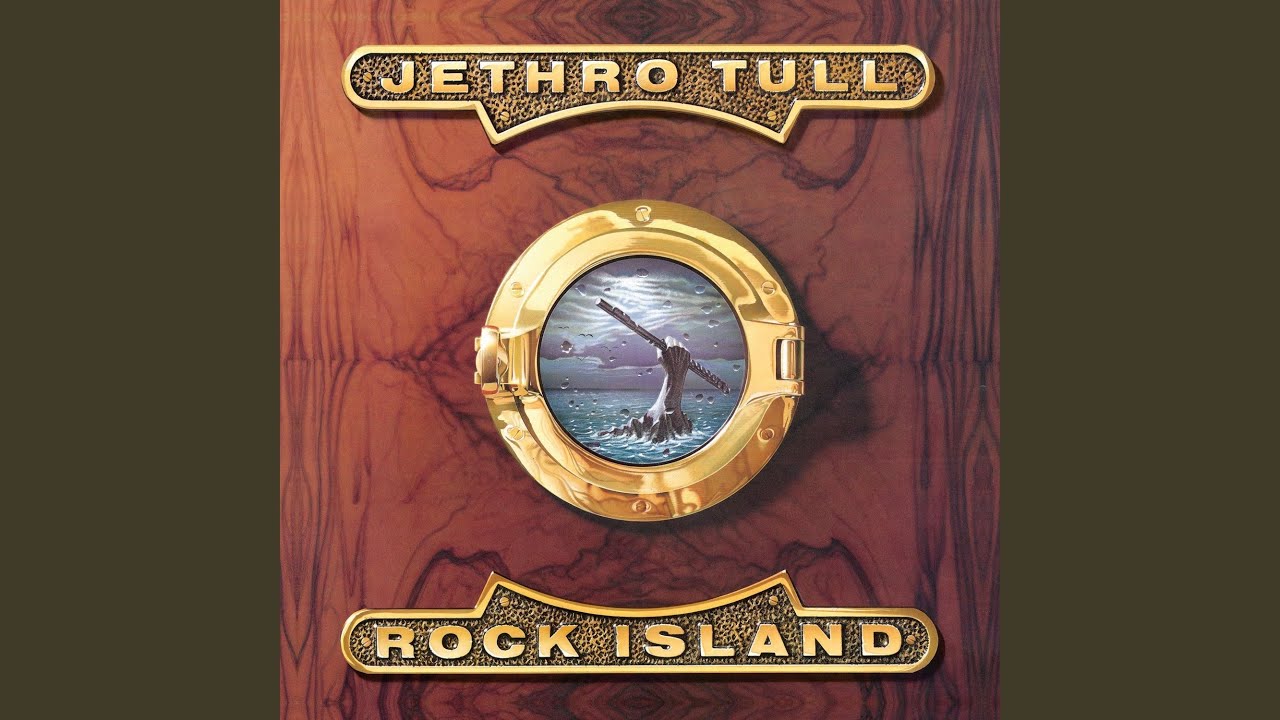
Rock Island (1989)
Designed as a darker counterpart to Crest Of A Knave, Rock Island explored themes of isolation, urban alienation, and changing societal values, highlighted by tracks like "Strange Avenues." However, the album’s release was somewhat shadowed by the controversial single "Kissing Willie," a satirical track that drew mixed reactions for its provocative double entendres.
Catfish Rising (1991)
Catfish Rising marked a return to the band’s acoustic blues roots. Recorded primarily in Anderson’s home studio with overdubs added by guitarist Martin Barre and Fairport Convention bassist Dave Pegg, the record featured tracks like "This Is Not Love" and "Rocks On The Road." Critics termed the sound "cod blues," while Anderson expressed dissatisfaction with the album’s dark sleeve design, noting lightheartedly that its all-black aesthetic made signing autographs with a black marker nearly impossible.
+-------------------------------------------------------------------------------+
|                      LATER STUDIO ERA & EXPERIMENTS (1989–2003)               |
+---------------------+---------------------------------------------------------+
| Album               | Strategic Focus & Creative Elements                     |
+---------------------+---------------------------------------------------------+
| Rock Island (1989)  | Themes of isolation & urban alienation; contrasted by   |
|                     | controversial satirical singles                         |
+---------------------+---------------------------------------------------------+
| Catfish Rising      | Return to blues origins; home studio recording; featured|
| (1991)              | Dave Pegg & Martin Barre overdubs                       |
+---------------------+---------------------------------------------------------+
| Roots To Branches   | World music & jazz-fusion influences; departure of      |
| (1995)              | Dave Pegg; guest basswork by Steve Bailey               |
+---------------------+---------------------------------------------------------+
| J-Tull Dot Com      | Focus on early internet culture; secured domain via     |
| (1999)              | Swiss court battle; historical lyric motifs             |
+---------------------+---------------------------------------------------------+
| Christmas Album     | Reimagining seasonal music; winter-themed back catalog  |
| (2003)              | tracks; personal family compositions                    |
+---------------------+---------------------------------------------------------+
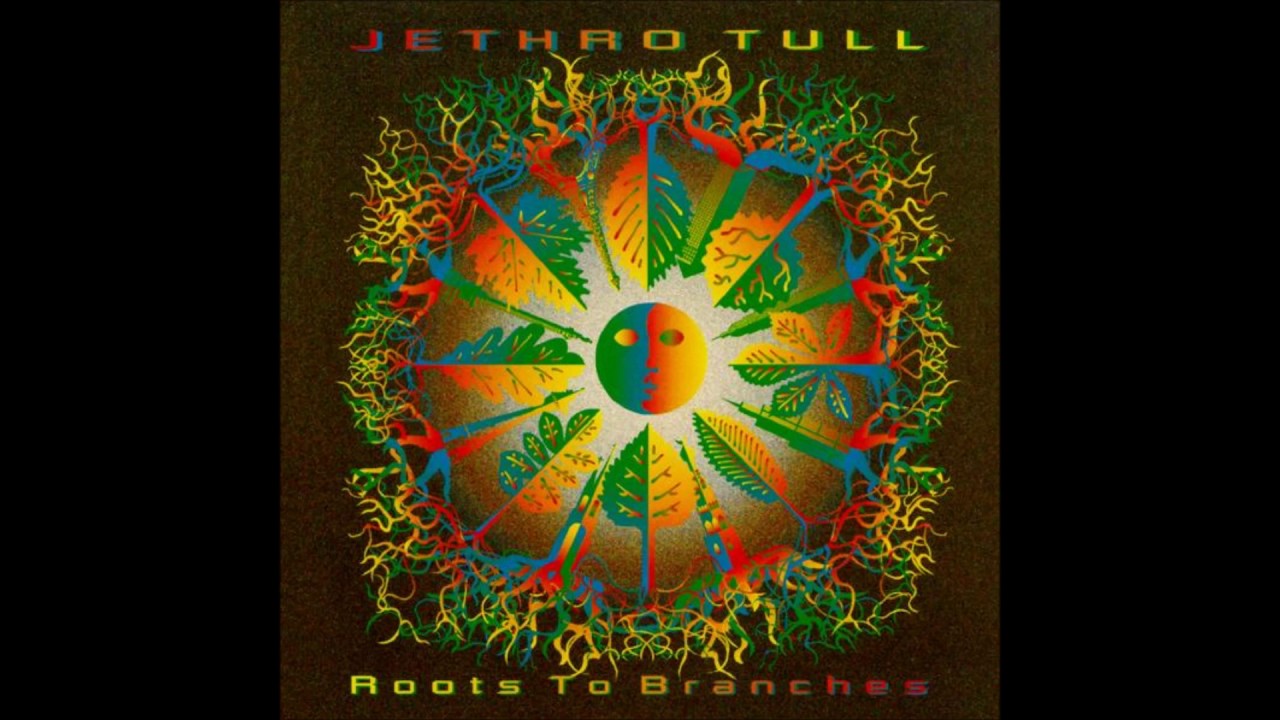
Roots To Branches (1995)
Roots To Branches introduced Eastern musical scales, world music textures, and jazz-rock influences to the band’s sound. The album marked the departure of longtime bassist Dave Pegg, who left to focus full-time on Fairport Convention. To complete the bass tracks, the band brought in American jazz bassist Steve Bailey (who later became Chair of the Bass Department at Berklee College of Music). Anderson considers the album one of the most musically consistent records from the band’s later era.
J-Tull Dot Com (1999)
Released at the dawn of the consumer internet era, J-Tull Dot Com coincided with the launch of the band’s digital presence. The release followed a legal dispute in a Swiss court to reclaim the jethrotull.com domain name from a squatter. Musically, the album addressed dark historical themes and modern socio-political topics, featuring standout tracks such as "Hunt By Numbers" and "Wicked Windows."
The Jethro Tull Christmas Album (2003)
Initially suggested by their record label, The Jethro Tull Christmas Album avoided standard holiday clichés by offering original arrangements of traditional carols alongside re-recorded, winter-themed tracks from the band’s catalog. The album featured "Birthday Card At Christmas," a personal track Anderson wrote for his daughter, whose December 22nd birthday was often overshadowed by the holiday season. The record stood as Jethro Tull’s final studio LP for nearly two decades, concluding an era before the band resumed releasing new material in the 2020s.
Supporting Context & Metrics
Jethro Tull’s studio era from 1968 to 2003 reflects a distinct commercial and artistic trajectory within the rock music industry. Over thirty-five years, the band released 21 studio albums, evolving from mid-tier British blues halls into an international arena act.
  Album / Era          Production Paradigm                Primary Influence
-------------------------------------------------------------------------------+
  This Was (1968)      Analogue 4-Track Live Tracking     British Blues / Folk
  Aqualung (1971)      16-Track Analogue Overdubbing      Acoustic Folk / Hard Rock
  Thick As A Brick '72  16-Track Continuous Concept        Symphonic Prog / Satire
  Songs From Wood '77  24-Track Live Band Integration     English Pastoral Folk
  Under Wraps (1984)   Digital Sequencing / Drum Machine  Electronic Synth-Pop
  Crest Of A Knave '87 Multi-Track Hard Rock Hybrids      Hard Rock / Blues
  Roots To Branches '95 Home Studio / Digital Multi-Track World / Jazz-Fusion
The band’s commercial peak in North America occurred between 1971 and 1977. During this era, Thick As A Brick (1972) and A Passion Play (1973) both reached #1 on the US Billboard 200 chart, demonstrating the commercial viability of long-form progressive rock compositions.
The band’s studio techniques evolved alongside recording technology itself. Their early records relied on live performance tracking on 4-track tape, while their mid-70s output made full use of 24-track analogue consoles. In the 1980s, the band shifted briefly to digital sequencing, drum machines, and MIDI synth hardware (Under Wraps), before returning to hybrid digital/analogue setups in Anderson’s private studio during the 1990s and 2000s.
Official Statements
Throughout the retrospective, Ian Anderson offered candid observations regarding the internal dynamics, creative decisions, and regrets that shaped Jethro Tull’s studio career:
On Departing Blues Roots (This Was):
"If we were lucky enough to make another album, I knew it wouldn’t be like this one: based on blues elements and black American folk culture. That’s not part of my life… I’d look like a complete twit."
On Constructing Thick As A Brick:
"Many writers wrote about Aqualung as a concept album and I kept saying, ‘Maybe two or three songs are in the same area, but there’s not a concept.’ In the wake of all of that I thought, ‘Right, let’s show them what a concept album is!’"
On the Tragedy of John Glascock (Stormwatch):
"We sent him home and told him he had to get out of this spiral he was in because it wasn’t just his illness, it was lifestyle. He’d be on stage and his face would be white like wax… Sadly he got worse and then we got the terrible news that he’d passed away. Did we do everything we could to help? That’s a question we’ll ask ourselves forever."
On Regrets Over Under Wraps (1984):
"It’s a great album apart from the drum machine – it annoys me to this day, and the public didn’t like it either. I’m glad I did it though."
On the 1989 Grammy Award Controversy (Crest Of A Knave):
"In America it was the early days of MTV and Steel Monkey got quite a lot of prominence. That album did well in the US and won the Grammy."
Future Outlook
The 1968–2003 retrospective highlights the structural foundation that underpins Jethro Tull’s modern work. Following a prolonged studio hiatus during which Anderson released solo material—including 2012’s TAAB2: Thick as a Brick 2 and 2014’s Homo Erraticus—he officially reactivated the Jethro Tull name for contemporary studio LPs.
Releases like The Zealot Gene (2022), RökFlöte (2023), and Curious Ruminant draw directly on thematic elements