Executive Overview
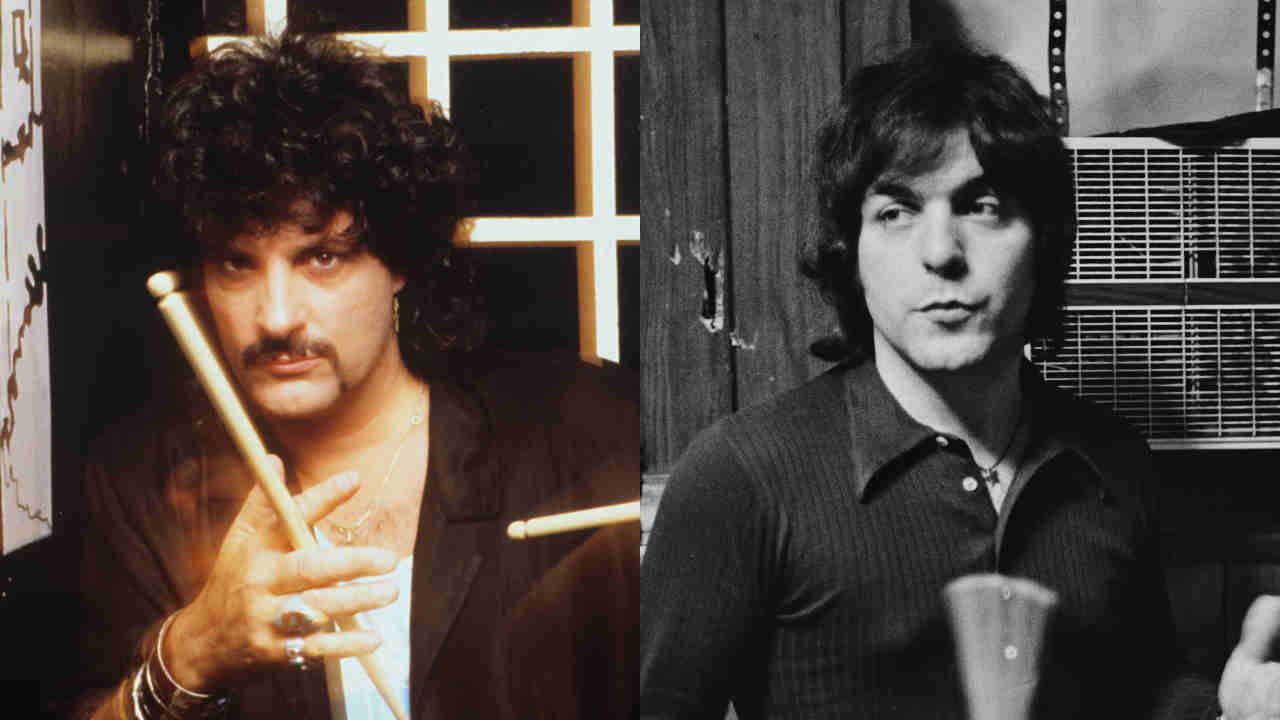
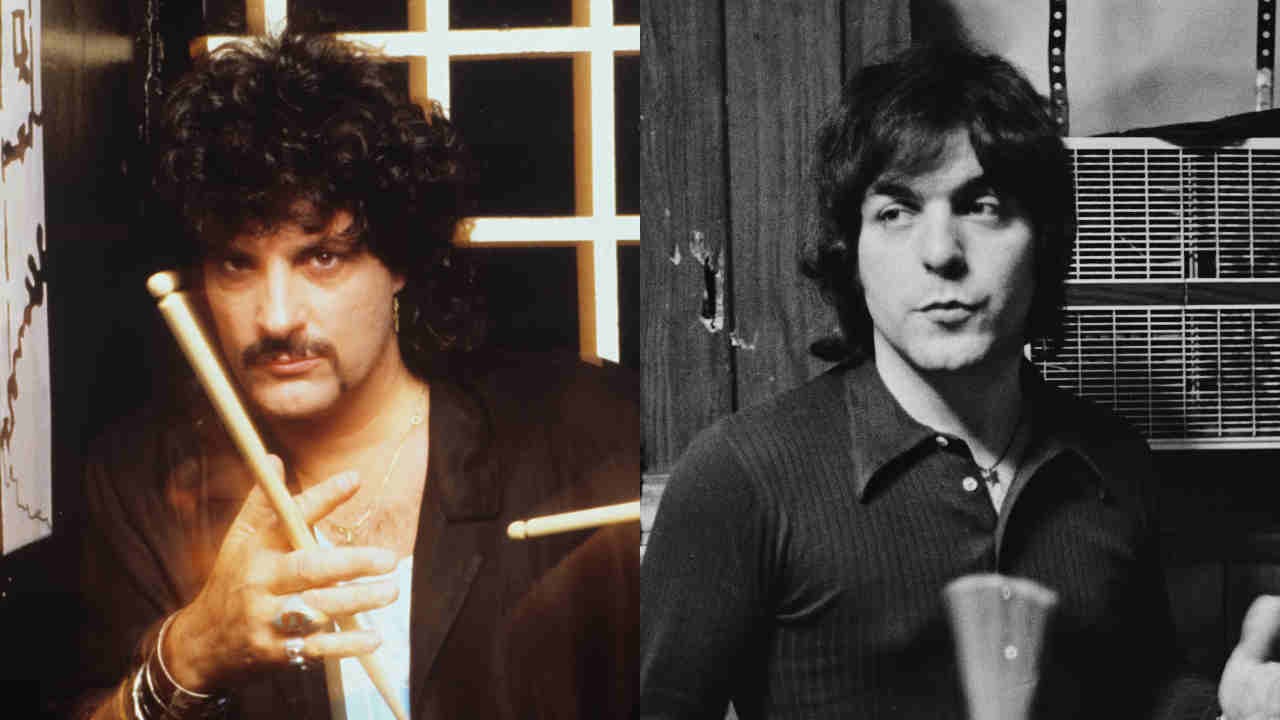
Carmine Appice stands as one of the fundamental architects of hard rock percussion. In the late 1960s, as the co-founder and drumming powerhouse of Vanilla Fudge, Appice helped forge a sonic template that fundamentally altered the sound, scale, and physicality of rock music. His heavy-handed, polyrhythmic approach and use of oversized drum kits directly influenced a generation of legendary players, including Led Zeppelin’s John Bonham, Deep Purple’s Ian Paice, and Black Sabbath’s Bill Ward.
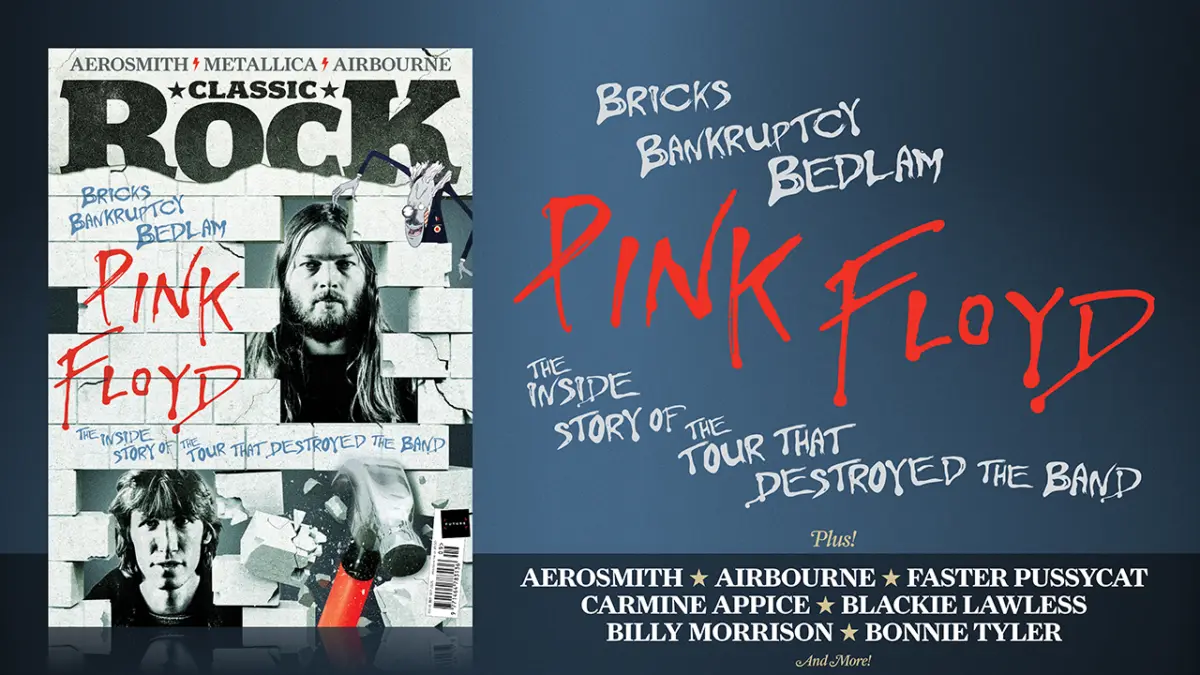
In an expansive career retrospective interview with Classic Rock magazine, Appice offers a candid look into the technological realities that forced the birth of heavy drumming, the unheralded pioneers who created rock showmanship, and his firsthand front-row seat to the rise of Led Zeppelin.
Beyond recounting his own legacy, Appice uses his platform to champion Dino Danelli—the late drummer of New York’s blue-eyed soul icons The Rascals—arguing that Danelli’s overlooked fusion of jazz technique, raw power, and visual flair laid the true groundwork for modern rock performance. Furthermore, Appice dispels long-standing rumors surrounding his potential recruitment into Led Zeppelin following the death of John Bonham in 1980, revealing a humorous exchange with pop legend Rod Stewart that underscores the pragmatic nature of music industry mythmaking.
Detailed Chronology: From Garage Amplification to Stadium Rock
+-----------------------------------------------------------------------------------+
| HISTORICAL TIMELINE OF HARD ROCK DRUMMING EVOLUTION                              |
+-----------------------------------------------------------------------------------+
| 1965–1966 | Dino Danelli & The Young Rascals pioneer high-energy visual drumming.|
| 1967      | Vanilla Fudge forms; Appice pioneers oversized kits to overcome PAs.  |
| Dec 1968  | Led Zeppelin makes US debut supporting Vanilla Fudge in Denver, CO.   |
| 1969–1970 | Hard rock drumming boom; Bonham, Paice, & Ward adopt heavy setups.   |
| Sept 1980 | John Bonham passes away; rumors emerge surrounding Appice & Zeppelin.|
| Dec 2022  | Dino Danelli passes away at 78; Appice campaigns for his recognition. |
+-----------------------------------------------------------------------------------+
1965–1966: The Rise of Visual Showmanship
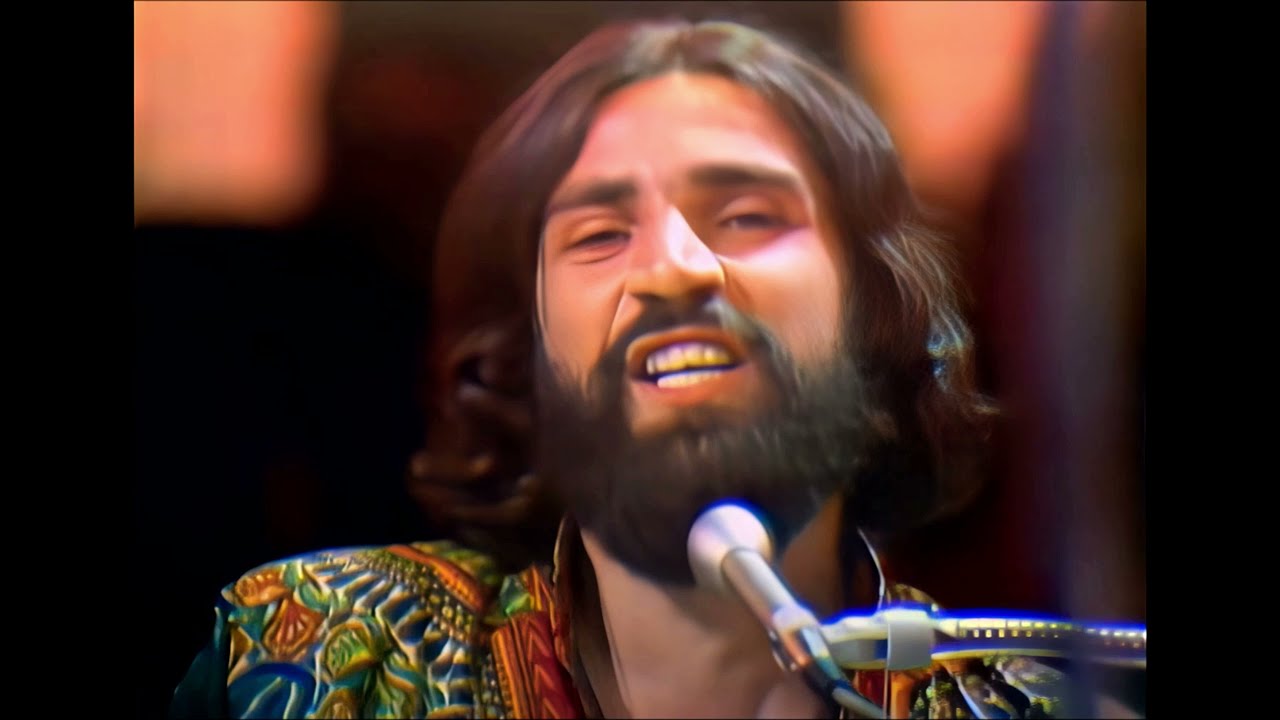
Long before heavy metal defined stadium theatrics, New York’s club scene was ignited by The Young Rascals (later known simply as The Rascals). Formed in 1965, the band featured drummer Dino Danelli, whose background in jazz permitted an astonishing level of physical fluidity. Danelli introduced stick twirling, exaggerated arm motions, and explosive rimshots to mainstream pop-rock, scoring early hits like "Good Lovin’."
1967: The Vanilla Fudge Sonic Revolution
In 1967, Vanilla Fudge emerged from Long Island with a radically slow, heavily amplified, organ-driven reinterpretation of contemporary pop tracks. Their signature arrangement of Supremes’ "You Keep Me Hangin’ On" showcased Appice utilizing massive drum shells to punch through amplified organ and bass setups, setting a new benchmark for percussive volume.
December 26, 1968: The Historical Denver Debut
Led Zeppelin arrived in North America for their inaugural tour, opening for Vanilla Fudge at the Auditorium Arena in Denver, Colorado. Prior to the performance, Appice had received an advanced acetate of Led Zeppelin’s self-titled debut album. Recognizing John Bonham’s extraordinary right-foot speed on tracks like "Good Times Bad Times," Appice and his bandmates welcomed the British quartet, initiating a lifelong brotherhood between the two drum titans.
1969–1970s: The Heavy Percussion Explosion
As amplification technology struggled to keep pace with escalating venue sizes, Appice’s template—characterized by 26-inch bass drums, heavy maple shells, and double-bass drum setups—became the standard across hard rock and early heavy metal. Bonham, Paice, and Ward expanded upon this structural foundation, establishing the canon of classic rock percussion.
September–December 1980: The Post-Zeppelin Rumors
Following the tragic death of John Bonham on September 25, 1980, the global music press speculated on potential replacements for a proposed Led Zeppelin tour. Rumors pointed heavily toward Appice, who was then touring with Rod Stewart. While Zeppelin ultimately elected to disband out of respect for Bonham, Stewart encouraged Appice to leverage the media speculation to boost concert ticket sales.
December 2022: Reassessing the Legacy
Dino Danelli passed away on December 15, 2022, at the age of 78. His death prompted Appice to launch a sustained campaign within the drum community to re-evaluate Danelli’s historical contributions, placing him alongside Keith Moon and Ginger Baker as a foundational figure in rock drum mechanics.
Supporting Context & Metrics: Acoustic Physics, Gear Evolution, and the Pantheon of Drumming
To fully appreciate Carmine Appice’s impact on rock music, one must understand the stark physical limitations faced by musicians in the late 1960s. The emergence of "heavy" drumming was not merely an aesthetic choice; it was an engineering necessity.
The Technological Driver: Amplification and Kit Scale
During the mid-to-late 1960s, public address (PA) systems in concert venues were designed primarily for public speaking and vocal reproduction. PA gear was underpowered, often operating at 50 to 100 watts total output, with low-fidelity microphones incapable of capturing low-frequency drum sounds.
Concurrently, guitarists and bassists began performing with multi-stack Marshall, Hiwatt, and Vox amplifiers ranging from 100 to 200 watts. To remain audible over this rising wall of electronic volume, drummers were forced to adapt both their physical mechanics and instrument dimensions.
+----------------------------------------------------------------------------------+
| DRUM SET UP EVOLUTION (JAZZ STANDARD VS. EARLY HARD ROCK)                        |
+----------------------------------------------------------------------------------+
| Metric                 | Standard Jazz/Pop Kit (1965) | Heavy Rock Kit (1968+)   |
+------------------------+------------------------------+--------------------------+
| Bass Drum Diameter     | 20 in. – 22 in.              | 26 in. – 28 in.          |
| Floor Tom Size         | 14 in. – 16 in.              | 16 in. – 18 in.          |
| Shell Material         | Thin Birch/Mahogany          | Thick Maple/Oak          |
| Stick Thickness        | 7A / 5A (Light Wood)         | 2B / 3S (Heavy Hickory)  |
| Amplification Support   | None / Minimal PA Mic'ing    | Un-mic'ed; Pure Power    |
+----------------------------------------------------------------------------------+
As Appice notes, switching from a conventional 22-inch bass drum to a 26-inch bass drum allowed a drummer to displace significantly more air per stroke, projecting low-end frequencies through non-mic’ed venue acoustics. This larger canvas required heavy hickory drumsticks and full-arm power strokes rather than traditional wrist-driven jazz techniques.
Comparative Technical Analysis: The Late-1960s Drum Titans
When evaluating the supreme drummers of rock’s golden era, musicologists often isolate stylistic characteristics. Appice offers a direct comparative assessment of his peers:
+--------------------------------------------------------------------------------------------------+
| STYLISTIC ANALYSIS: THE LATE-1960S PERCUSSION PIONEERS                                          |
+---------------+----------------------------------+-----------------------------------------------+
| Drummer       | Primary Band                     | Signature Technical Innovation                |
+---------------+----------------------------------+-----------------------------------------------+
| Carmine Appice| Vanilla Fudge / Cactus           | Heavy footwork, double-bass power, dynamic P.A. projection|
| Dino Danelli  | The Rascals                      | Visual trickery, stick spinning, jazz-soul hybrid groove   |
| John Bonham   | Led Zeppelin                     | Triplet speed, ambient tuning, room-reverb heavy footwork|
| Keith Moon    | The Who                          | Anti-metronomic, crash-riding fill-driven orchestration |
| Ginger Baker  | Cream                            | Polyrhythmic independence, double-bass African rhythms   |
+---------------+----------------------------------+-----------------------------------------------+
While Ginger Baker imported African polyrhythms and double-bass setups into blues-rock, and Keith Moon treated the drum kit as a lead melodic instrument, Appice synthesized raw volume with complex, syncopated stickwork. Crucially, Appice asserts that Dino Danelli provided the initial visual and theatrical blueprint that influenced everyone who followed.
Commercial Impact & Chart Metrics: The Rascals vs. Heavy Rock Pioneers
Though frequently categorized today as an oldies act, The Rascals—propelled by Dino Danelli’s drumming—achieved phenomenal commercial dominance during the mid-1960s. This commercial footprint ensured that Danelli’s visual techniques were broadcast to millions of aspiring young musicians via national television programs like The Ed Sullivan Show.
+----------------------------------------------------------------------------------+
| THE RASCALS' BILLBOARD HOT 100 PERFORMANCE (1966–1968)                           |
+-------------------------------------+------------------+-------------------------+
| Single Title                        | Release Year     | Peak Chart Position     |
+-------------------------------------+------------------+-------------------------+
| "Good Lovin'"                       | 1966             | #1                      |
| "Groovin'"                          | 1967             | #1                      |
| "People Got to Be Free"             | 1968             | #1                      |
| "How Can I Be Sure"                 | 1967             | #4                      |
| "A Beautiful Morning"               | 1968             | #3                      |
+-------------------------------------+------------------+-------------------------+
By contrast, Vanilla Fudge served as a transitional bridge. While achieving moderate pop chart success (their single "You Keep Me Hangin’ On" peaked at #6 on the Billboard Hot 100 in 1968), their true impact was cultural and stylistic, laying the foundations for progressive rock and heavy metal.
Official Statements: In the Words of Carmine Appice
Throughout his interview with Classic Rock, Carmine Appice offers firsthand testimony on the physical demands of early rock drumming, his deep admiration for unheralded peers, and his personal interactions with Led Zeppelin.
On Loudness and Amplification Constraints
Appice details the physical reality of playing drums before modern sound reinforcement existed:
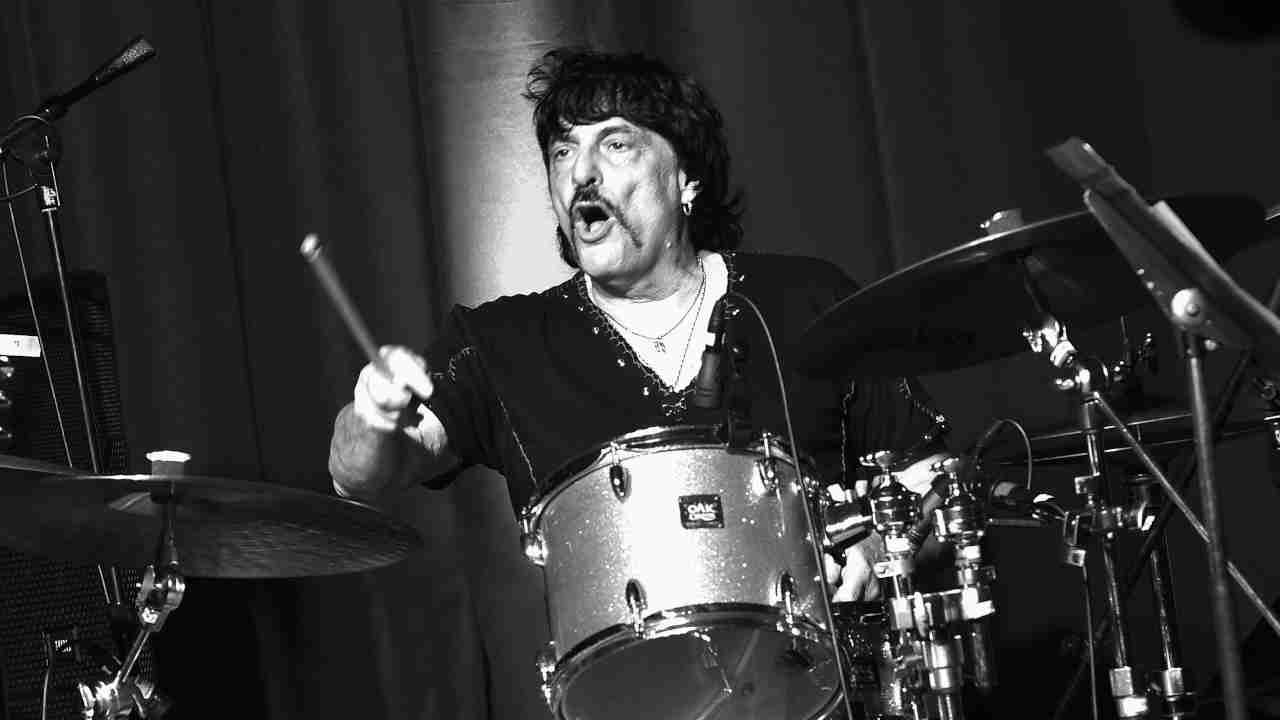
"No PAs. That simple. I beat the hell out of the drums so I could be heard. The bass drum was so small, so I figured if I got a bigger bass drum it would be louder, and it was. So I made everything bigger, which was much louder. But you really had to hit them hard to get the sound out."
On Dino Danelli and the Unsung Pioneers
When asked to rank the legendary rock drummers of his era—including John Bonham, Ginger Baker, Keith Moon, and himself—Appice insists that Dino Danelli must be included in the conversation:
"We’re all so different. Bonzo was great cos the band was great—they [Led Zeppelin] kept him up there. If he was in another band, I don’t know if he’d have stayed up there. Ginger Baker was there at the beginning of rock with that double bass drum. Keith Moon was just so unusual. I took what I did and made it really powerful. And I’d add Dino Danelli from The Rascals.
He started everything in rock drumming—the playing, the showmanship, the twirling. He was a monster player and never got credit."
+-----------------------------------------------------------------------------------+
| "He started everything in rock drumming—the playing, the showmanship, the         |
| twirling. He was a monster player and never got credit."                          |
|                                                                                   |
| — Carmine Appice on Dino Danelli (*Classic Rock*)                                 |
+-----------------------------------------------------------------------------------+
On Led Zeppelin’s Debut and John Bonham
Appice recalls the historic late-1968 tour where an upcoming British band named Led Zeppelin opened for Vanilla Fudge in Denver, Colorado:
"We knew Jimmy Page from The Yardbirds, and we had the same attorney. They sent us an acetate of the first album and we listened to it and went: ‘Whoah…’ I heard Bonzo on Good Times Bad Times and went: ‘This guy’s really good.’ So we were ready for them. We became great friends. I do remember walking down the street and telling Robert Plant he should move around more."
Debunking the Post-1980 Led Zeppelin Rumors
Appice addresses the long-standing industry rumor that he was approached to take over Led Zeppelin’s drum chair after John Bonham’s untimely death in September 1980:
"I heard that rumour. But I never got a call. Matter of fact I was with Rod [Stewart] at the time. He said: ‘Are you joining Led Zeppelin?’ I said: ‘That’s what the rumours are, I haven’t heard nothing.’ He said: ‘There’s rumours I’m going to retire. Keep the rumours going, we’ll sell more tickets that way.’"
Future Outlook: The Legacy of Vintage Heavy Percussion
The legacy of Carmine Appice and his late-1960s contemporaries continues to resonate across modern musicology and live performance. As acoustic instrumentation faces increasing competition from digital quantization, electronic drum pads, and algorithmic production, the physical mechanics pioneered by Appice, Danelli, and Bonham remain a testament to human power and acoustic physics.
+-----------------------------------------------------------------------------------+
| KEY TAKEAWAYS: THE CARMINE APPICE RETROSPECTIVE                                   |
+-----------------------------------------------------------------------------------+
| 1. Technological Necessity: Heavy rock drumming evolved due to underpowered PAs.   |
| 2. Unsung Legacy: Dino Danelli pioneered stick twirling and visual rock dynamics.  |
| 3. Historical Crossover: Vanilla Fudge handed Led Zeppelin their first US break. |
| 4. Myth Debunked: Appice was never officially called to replace Bonham in 1980.   |
+-----------------------------------------------------------------------------------+
Appice continues to lead a modern incarnation of Vanilla Fudge, touring actively and educating young percussionists on the mechanics of acoustic projection and visual performance art. Meanwhile, music historians continue to revisit the late 1960s club circuits, slowly restoring figures like Dino Danelli to their rightful place in the pantheon of rock pioneers.
Appice’s recollections serve as a crucial historical bridge. They remind us that before rock music expanded into stadium-sized corporate productions supported by multi-kilowatt sound systems, it was driven by individual musicians pushing physical wood, skin, and metal to their absolute limits to make sure their voices—and their beats—were heard.