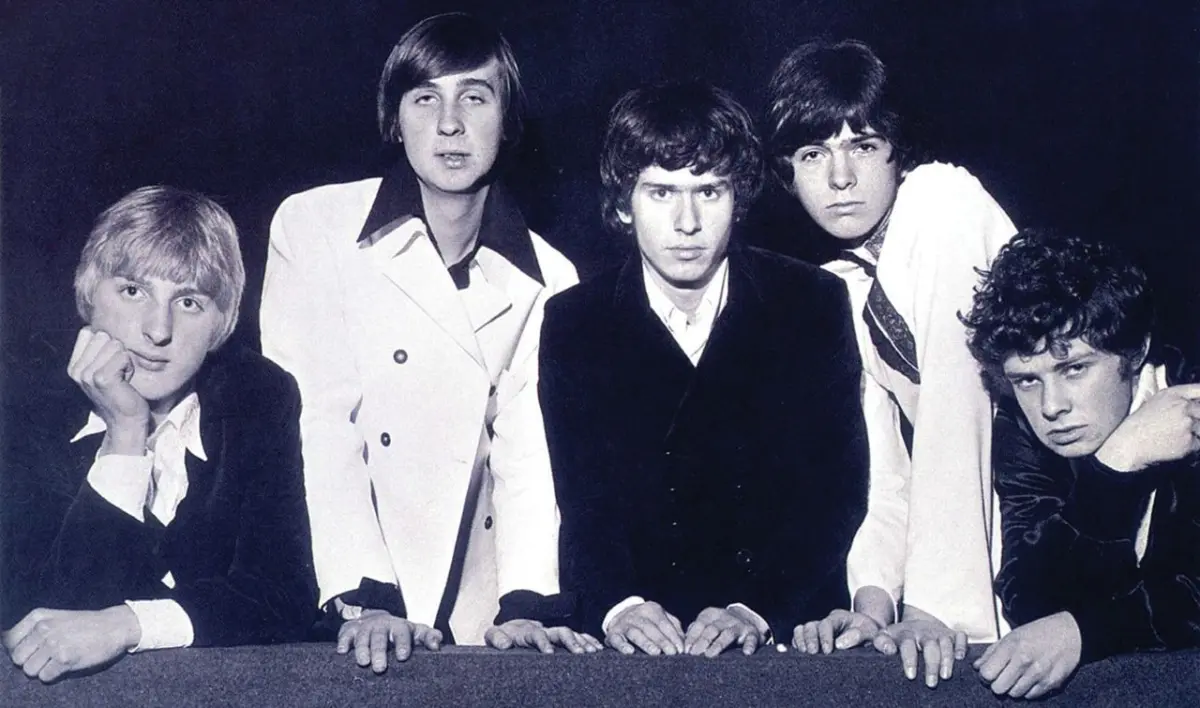
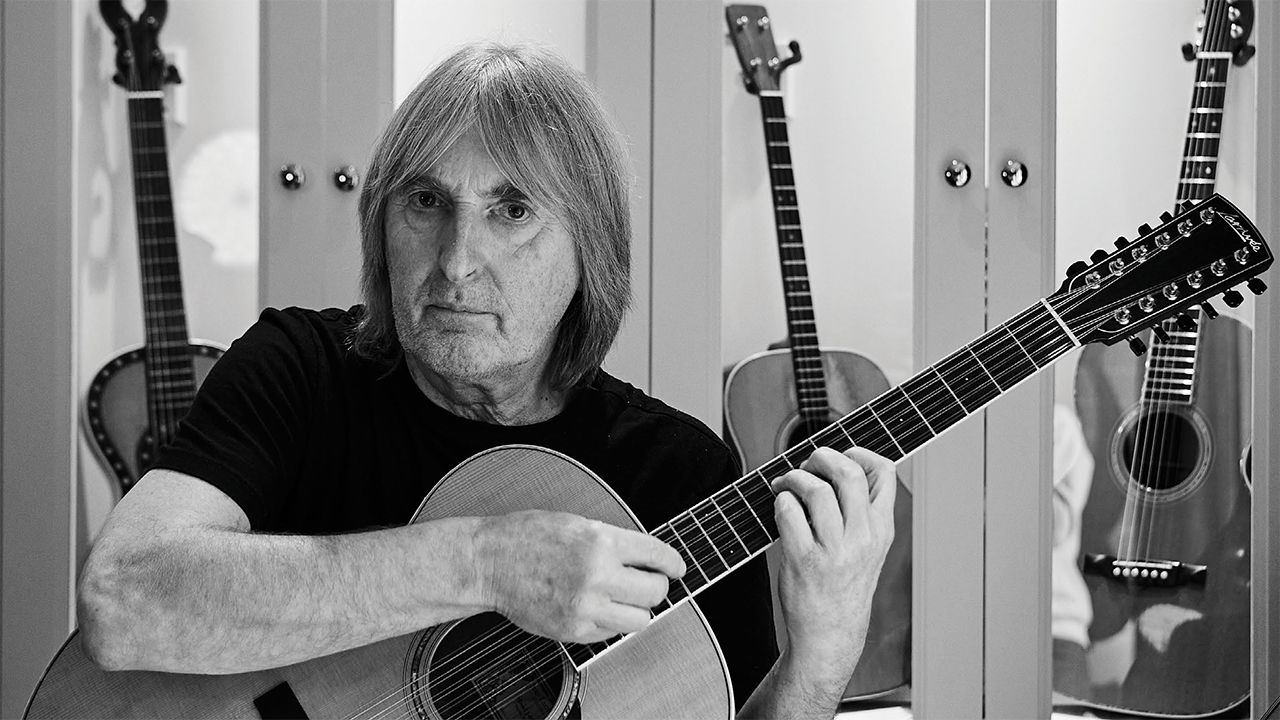
For decades, casual observers of rock history have erroneously categorized Anthony Phillips as a peripheral figure—a musicological footnote akin to Pete Best, who stepped away just before a fledgling group achieved global stardom. However, an authoritative re-examination of the early history of Genesis reveals a starkly different narrative. As a co-founding guitarist and primary acoustic architect, Phillips was instrumental in carving out the lush, pastoral, 12-string guitar soundscape that defined the group’s signature progressive rock identity.
Following his abrupt departure from Genesis in July 1970—precipitated by severe illness, agonizing heartbreak, and crippling stage fright—the band stood on the brink of total dissolution. While Genesis ultimately forged ahead to become stadium-filling icons, Phillips embarked on a quieter, profoundly intellectual journey of musical reinvention. Rather than retreating into obscurity, he subjected himself to rigorous classical training at London’s Guildhall School of Music and Drama, emerging as a prolific solo artist, classical guitarist, educator, and one of the UK’s most respected composers of television and library production music.
This comprehensive analysis traces Phillips’ journey from the cloisters of Charterhouse School to the pressure cooker of early progressive rock, examining the medical and interpersonal dynamics behind his exit, his post-Genesis academic rebirth, and his enduring contribution to modern composition.
Detailed Chronology
[1967] Genesis Formed at Charterhouse (Anon + The Garden Wall merge)
   │
[1969] Release of 'From Genesis To Revelation' (Decca) — Commercial disappointment
   │
[Late 1969] Rehearsal Retreat at Christmas Cottage, Dorking; Development of 12-string sound
   │
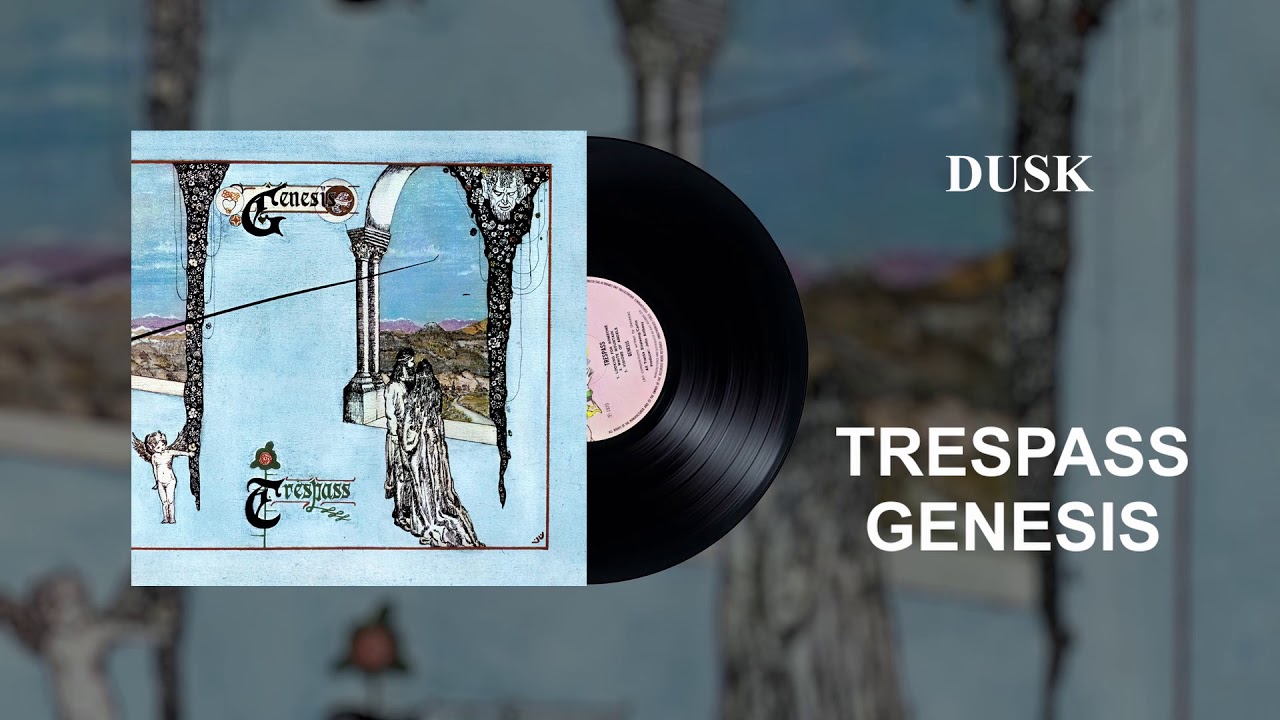
[July 1970] Recording of 'Trespass'; Phillips departs due to illness & stage fright
   │
[1971–1973] Academic Pivot: Studies at Guildhall School of Music; Discovers Sibelius
   │
[1972–1979] Teaching classical guitar (Peper Harow, Reed's School)
   │
[1977–Present] Solo Career & Production Music (*The Geese & the Ghost*, *Private Parts & Pieces*)
1. The Charterhouse Fusion and the Decca Era (1967–1969)
The genesis of Genesis took place within the aristocratic confines of Charterhouse School in Godalming, Surrey. Two schoolboy bands—Anon (featuring Anthony Phillips on guitar and Mike Rutherford on bass) and The Garden Wall (featuring vocalist Peter Gabriel and keyboardist Tony Banks)—joined forces to record early songwriting demos.
Securing a deal with producer Jonathan King led to their debut single and the 1969 album From Genesis To Revelation, released on Decca Records. The album suffered from King’s heavy-handed mono mixing and uninvited orchestral overdubs, rendering the songs sonic-lightweights. Commercial failure followed, but the setback paradoxically liberated the young musicians to abandon three-minute pop constraints and explore expansive, uninhibited musical structures.
2. The 12-String Epiphanies at Christmas Cottage (1969)
In late 1969, the band retreated to Christmas Cottage in Dorking, Surrey, for an intensive period of communal living, songwriting, and rehearsal. During this time, Phillips experienced a crucial artistic epiphany upon hearing the ringing, resonant tones of a 12-string acoustic guitar across the Charterhouse grounds.
Phillips and Rutherford both adopted 12-string guitars, developing intricate, interlocking arpeggios in unusual open tunings. This dual-12-string dynamic became the structural backbone of early Genesis compositions, directly influencing contemporaries and laying the groundwork for their seminal second album, Trespass (1970).
3. The Crisis of 1970: Health Breakdown and Exit
The relentless work ethic at Christmas Cottage, paired with personal tribulations, exacted a severe toll on Phillips. Having suffered a devastating romantic breakup with his early muse, Lucy Burge, Phillips contracted a severe case of glandular fever. Despite his compromised immune system, the band pressed forward with relentless touring and recording schedules.
By mid-1970, while recording Trespass, Phillips suffered from bronchial pneumonia. The lingering neurological effects of glandular fever, combined with physical exhaustion and primitive live performance conditions, culminated in debilitating stage fright. Unable to turn up his amplifier volume during guitar solos due to performance anxiety, and facing direct warnings from medical professionals, Phillips made the painful decision to leave Genesis in July 1970. His departure shattered the band’s core, bringing them closer to disbanding than at any other point in their career.
4. The Academic Crucible and Post-Genesis Rebirth (1971–1976)
Exiting the group left Phillips adrift. Initially enrolling at Kent University to read philosophy, he found the technical curriculum overwhelming during a period of quasi-nervous collapse and quickly switched to history before deferring his degree.
His trajectory shifted permanently upon discovering the orchestral works of Finnish composer Jean Sibelius. Realizing the depth of his formal musical deficiencies, Phillips deferred his university spot and enrolled part-time at London’s Guildhall School of Music and Drama. Between 1971 and 1973, he underwent intensive instruction in:
Harmonic Theory and Counterpoint
Classical Guitar Technique
Orchestration and Score Reading
To support himself, Phillips began teaching classical guitar in 1972. From 1975 into the late 1970s, he taught at Peper Harow—a progressive therapeutic community for troubled adolescents in Godalming—and Reed’s School in Cobham, balancing teaching duties with the creation of his debut solo masterpiece, The Geese & the Ghost (recorded between 1974 and 1976, released in 1977).
Supporting Context & Metrics
Musicological Analysis: The Twin 12-String Paradigm
The acoustic signature engineered by Anthony Phillips and Mike Rutherford between 1969 and 1970 redefined the sonic boundary of British folk and progressive rock. Unlike the six-string folk interplay of Fairport Convention’s Richard Thompson and Simon Nicol, Phillips and Rutherford utilized paired 12-string guitars tuned to unorthodox, non-standard modal tunings.
+--------------------------------------------------------------------+
|                EARLY GENESIS ACOUSTIC ARCHITECTURE                 |
+--------------------------------------------------------------------+
|  ANTHONY PHILLIPS (12-String)      |  MIKE RUTHERFORD (12-String)  |
|  - High-register arpeggios         |  - Bass-note drone & rhythm   |
|  - Classical counterpoint lines    |  - Alternative modal tunings   |
+------------------------------------+-------------------------------+
                                  │
                                  ▼
           [Rich, Orchestral Acoustic Wall of Sound]
           (Foundational to *Trespass*, *Nursery Cryme*, *Foxtrot*)
This structural innovation created a shimmering, orchestral resonance that filled the mid-frequency sonic space, allowing Peter Gabriel’s vocal melodies and Tony Banks’ Hammond organ textures to sit naturally within complex arrangements. This 12-string foundation persisted in Genesis tracks long after Phillips’ departure, most notably on classics like "Musical Box," "Supper’s Ready," and "Firth of Fifth."
Psychological Dynamics & The Birth of Theatricality
The rehearsal dynamics within early Genesis were notoriously intense, driven by high academic ambition and razor-sharp competitive instincts. Key dynamics included:
The Competitive Edge of Tony Banks: Keyboardist Tony Banks possessed a fiercely competitive drive that dominated song-selection debates. As Phillips noted, Banks’ relentless perfectionism often put him at loggerheads with Peter Gabriel during creative sessions.
The Structural Isolation of Peter Gabriel: Gabriel frequently found himself ganged up on by the instrumental triumvirate of Banks, Phillips, and Rutherford. However, Gabriel’s conceptual foresight provided an essential counterweight to the band’s instrumental complexity.
The 12-String Tuning Dilemma: Because 12-string guitars are notoriously difficult to keep in tune under stage lights, early Genesis performances were plagued by prolonged, silent tuning breaks between songs. To fill these awkward silences, Gabriel began ad-libbing eccentric, surrealist stories and adopting theatrical costumes—a practice that eventually became the band’s iconic visual hallmark.
Official Statements & Retrospective Reflections
Throughout his post-Genesis career, Anthony Phillips has offered candid, reflective commentary regarding his time with the band, his health struggles, and his transition into academia.
On Songwriting and Early Genesis Influences
Reflecting on the unique sound Genesis forged away from late-60s blues cliches, Phillips recalled:
"On the one hand, we were writing unoriginal blues stuff… and on the other, we had this experimentation that we didn’t really recognise; we were just mucking around thinking it was rather lovely. It’s only in retrospect I realised we weren’t really influenced by anybody else… We were into weird chords."
On Peter Gabriel’s Evolving Stage Persona
Addressing how technical limitations inadvertently catalyzed Peter Gabriel’s iconic stage presence, Phillips noted:
"Because of two 12-strings trying to keep retuning that took forever onstage, Pete was forced to do something, and so he started slipping into this persona… he switched into this messianic character looking into the far distance. If we’d not had two 12-strings, would he ever have started telling all those stories? We’ll never know…"
On Health Breakdown, Stage Fright, and Departure
Describing the physical and psychological pressures that forced his exit following the recording of Trespass:
"When it came to solos, I was turning down—I’d just lost my nerve. I was basically, fundamentally scared. I was also being advised by medical people to leave. We were dossing down on floors. Glandular fever can affect your nervous system… I was a lost soul after I left the group."
On Post-Genesis Teaching and the "Ex-Genius" Anecdote
Humorously recalling his transition into music education in Surrey during the mid-1970s, Phillips shared a memorable moment from his early teaching days:
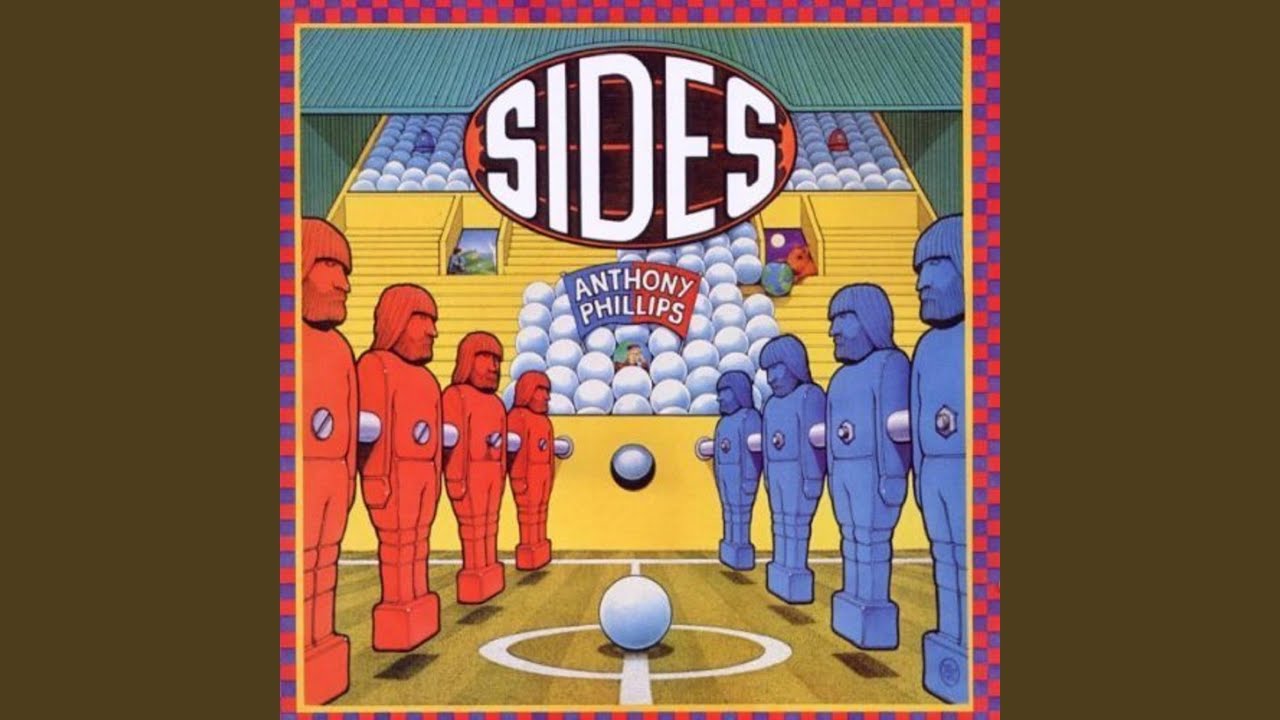
"I started teaching classical guitar from 1972 onwards. I asked for a poster to be put up in a music shop, and they put ‘Ex-Genesis’ and people thought it said ‘Ex-Genius’! I was still teaching one day a week at Peper Harow as late as the recording of Sides [in 1979]."
Future Outlook & Continuing Legacy
Anthony Phillips’ trajectory presents a compelling case study in artistic resilience. Far from being a tragic figure who missed the commercial windfall of mainstream rock success, Phillips carved out a sustainable, decades-long career on his own terms.
+------------------------------------------------------------------------+
|                     ANTHONY PHILLIPS: CAREER IMPACT                    |
+------------------------------------------------------------------------+
|  CO-FOUNDER OF GENESIS      | Acoustic architect of early Prog Rock    |
|  CLASSICAL COMPOSER         | Mastery of harmony, counterpoint, guitar |
|  LIBRARY & TV MUSIC         | Prolific composer for global media       |
|  ARCHIVAL REISSUES          | Definitive remasters via Esoteric/Cherry |
+------------------------------------------------------------------------+
Key Pillars of Phillips’ Modern Legacy:
The Production Music Pioneer: Phillips transitioned seamlessly into composing for television, film, and library music networks. His work has been featured in thousands of documentaries, dramas, and natural history broadcasts worldwide, establishing him as a mainstay of production music.
The Private Parts & Pieces Series: Spanning over a dozen volumes, this acclaimed solo series showcases Phillips’ ongoing exploration of ambient synthesizer soundscapes, 12-string guitar improvisations, and piano miniatures.
Archival Re-evaluations: Ongoing comprehensive reissue campaigns via Esoteric Recordings/Cherry Red Records have restored Phillips’ extensive solo catalogue—including The Geese & the Ghost, Wise After the Event, and 1984—ensuring his foundational contributions to progressive rock and classical crossover remain accessible to new generations of listeners.
In the final estimation, Anthony Phillips did not forfeit his musical legacy when he left Genesis in 1970; rather, he traded the volatile arena of commercial rock touring for a lifelong pursuit of composition, scholarship, and artistic integrity.