Executive Overview
With credits spanning more than 700 commercial recordings, two Grammy Awards, and an esteemed role as an adjunct professor at the University of Southern California (USC), drummer Peter Erskine stands as an architectural pillar of modern rhythm. There are very few rhythmic nuances, dynamic shifts, or historical milestones in contemporary jazz and fusion that Erskine has not personally navigated.
From cutting his teeth as a child prodigy under the watchful eye of big-band titans to shaping the foundational sound of Weather Report alongside Joe Zawinul and Jaco Pastorius, Erskine’s career is a masterclass in versatility. He has shared stages and recording studios with an extraordinary pantheon of icons—ranging from jazz royalty like Maynard Ferguson and Steps Ahead to pop-and-rock renegades such as Joni Mitchell, Kate Bush, and Steely Dan.
Now, decades after establishing his own independent label, Fuzzy Music, and exploring the electrified frontiers of his fusion-leaning Dr. Um project, Erskine is returning to his roots. Embracing the unamplified resonance of acoustic jazz, the legendary drummer continues to redefine what it means to serve the music with subtlety, grace, and an uncompromising dedication to the groove.
Detailed Chronology: From Prodigy to Big Band Royalty
The Formative Years: A Swing-Band Upbringing
Peter Erskine’s journey into the world of percussion began before he was even tall enough to comfortably reach a drum kit. Born into a musical household, he was introduced to the instrument at the age of four, heavily encouraged by his father—a former bass player who had led his own swing band during his college years. This early exposure instilled in Erskine an intrinsic understanding of the swing feel, laying the groundwork for a lifelong obsession with time, pulse, and ensemble interaction.
At just seven years old, Erskine enrolled in his first jazz summer camp, a life-altering experience that thrust him into the professional orbit of the legendary bandleader Stan Kenton.
"Serendipity as well as destiny seem to have played their roles in my becoming the drummer for the Stan Kenton Orchestra," Erskine reflects. "Attending the summer jazz camps, he brought his music into my world and me into his orbit. Sooner or later, I would have the opportunity to audition for him."
Following his formative training at the prestigious Interlochen Arts Academy—where he received a world-class education spanning both big band arrangements and classical orchestral percussion—Erskine was more than ready for the professional crucible. His three-year tenure with the Stan Kenton Orchestra provided an invaluable education in reading, drive, and sonic discipline.
The Pathways of High-Voltage Big Bands
Following his time with Kenton, Erskine spent a brief stint back in university before hitting the road with trumpet virtuoso Maynard Ferguson. Known for his astonishing mastery of the extreme upper register, Ferguson was a fiercely driven, intensely energetic, and occasionally confrontational bandleader. Yet, despite the high-pressure environment, Erskine has frequently named Ferguson as one of the best bosses he ever worked for.
In the ecosystem of 1970s jazz education, these massive big bands functioned as essential proving grounds for young instrumentalists. While small combos demanded razor-sharp improvisational instincts, big bands required absolute mastery of ensemble dynamics, reading precision, and collective breath.

"Some of us were fortunate enough to be sitting in chairs where both skills had the chance to be honed," Erskine notes. "Plus, we travelled all over the world."
Supporting Context & Metrics: The Weather Report Era and Beyond
Right Place, Right Time: Joining the "Big Four"
Erskine’s career shifted into hyper-drive one evening while playing with Ferguson’s band, when a mercurial, fretless bass player caught a live performance. That bass player was Jaco Pastorius.
At the time, fusion heavyweights Weather Report—co-founded by keyboardist Joe Zawinul and saxophonist Wayne Shorter—were searching for a drummer who could seamlessly bridge the gap between rigorous ensemble discipline and unbridled improvisational freedom. Pastorius recommended Erskine, and the young drummer was thrust directly into the epicenter of the global jazz-fusion movement.
+-------------------------------------------------------------+
                 WEATHER REPORT'S "BIG FOUR"
+-------------------------------------------------------------+
|  Joe Zawinul   | Keyboards / Composition / "Modern American" |
|  Wayne Shorter | Saxophones / Melodic Architecture          |
|  Jaco Pastorius| Fretless Bass / Revolutionary Groove        |
|  Peter Erskine | Drums / Pocket & Dynamic Interaction        |
+-------------------------------------------------------------+
Though Zawinul once paraphrased his old boss Julian "Cannonball" Adderley by describing Weather Report as both "a state of mind and a fact of life," touring with the group was rarely an easy endeavor.
"Again, I learned a lot," Erskine admits. "Never the easiest group of people to tour with, but we had a lot of fun and managed to make some pretty good music."
Despite his self-effacing modesty—he frequently downplays his own contributions relative to early masterpieces like Mysterious Traveller and Heavy Weather—Erskine’s rhythmic footprint across mid-to-late ’70s albums (such as 8.30, Night Passage, and Weather Report) remains foundational. Tracks like "Pinocchio," "Brown Street," "Port Of Entry," "Fast City," and "Dara Factor One" showcase an extraordinary ability to propel complex meters with a light, floating touch. As Erskine highlights, the studio cut "Sightseeing" stands among the absolute finest moments of the band’s recorded legacy.
Pastorius and Word Of Mouth
During his later tenure with Weather Report, Pastorius organized his legendary big band, Word Of Mouth, tapping Erskine to anchor the recording sessions for the groundbreaking 1981 self-titled album.
"Word Of Mouth reveals Jaco’s compositional abilities as well as his potential," Erskine reflects. "Had Jaco stayed alive, it’s impossible to imagine the incredible music he might have made. Such a loss for us all. Still, the music is powerful, audacious, soaring and beautiful."
One particularly poignant memory from those sessions stands out in Erskine’s mind: during a mixdown session at A&M Studios, legendary songwriter Burt Bacharach stopped by simply to listen to "Three Views Of A Secret." According to Erskine, it was the proudest he had ever seen Pastorius.
Official Statements & Industry Collaborations
Evolving Alliances: Steps Ahead and Pop Renegades
As creative and personal tensions mounted within Weather Report, Pastorius departed to focus on his big band ambitions. Around the same time, Erskine also stepped away to join Steps Ahead, an agile, forward-thinking acoustic-electric fusion collective founded by saxophonist Michael Brecker and trumpeter Randy Brecker.
"Steps Ahead brought me to New York City, and that journey also brought me to Japan on several occasions, where I fell in love with the woman who would become my wife," Erskine shares. "So I have incredibly warm feelings about the band and those musicians. The Modern Times album stands the test of time just about as well as anything else I’ve ever done."
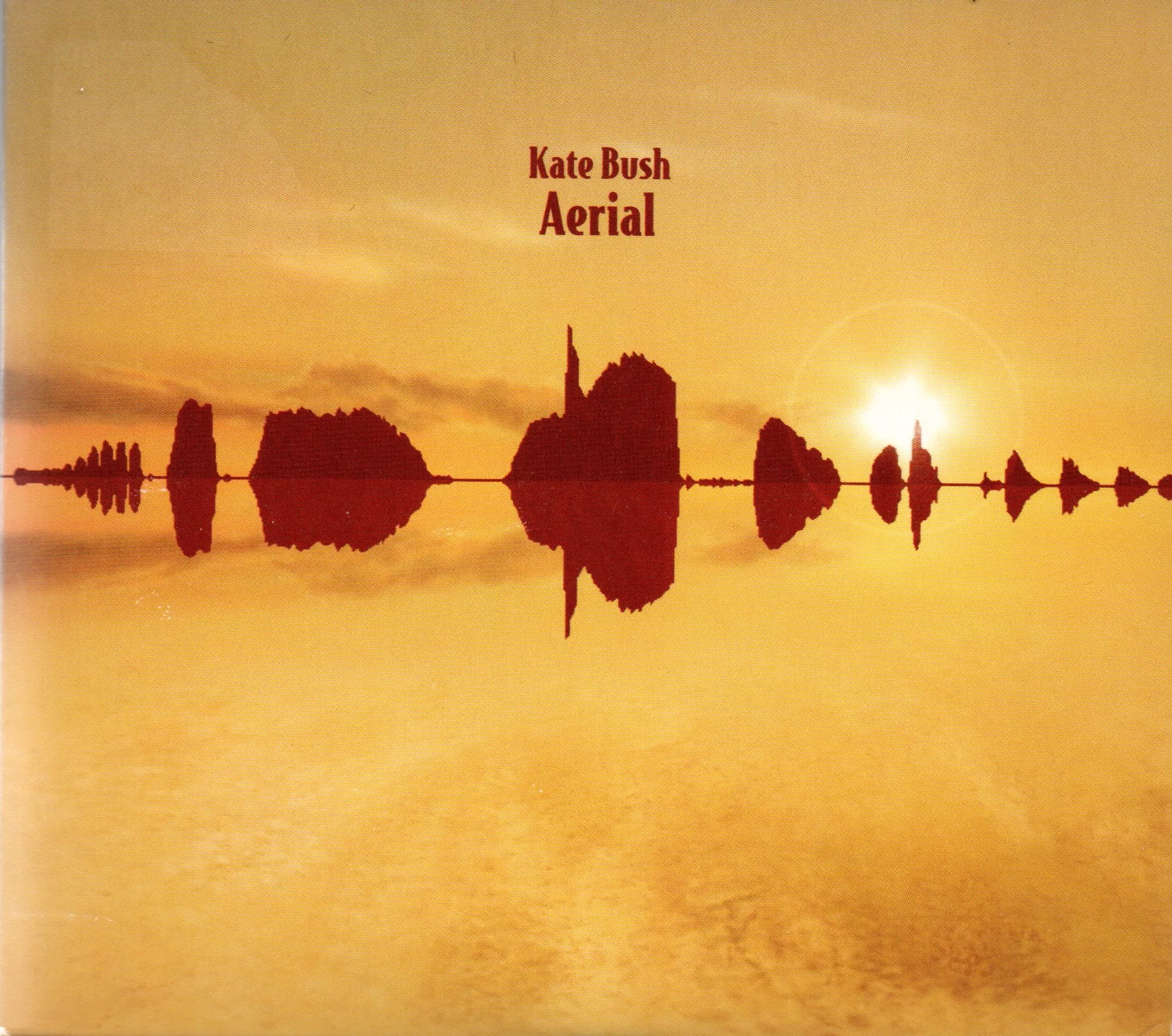
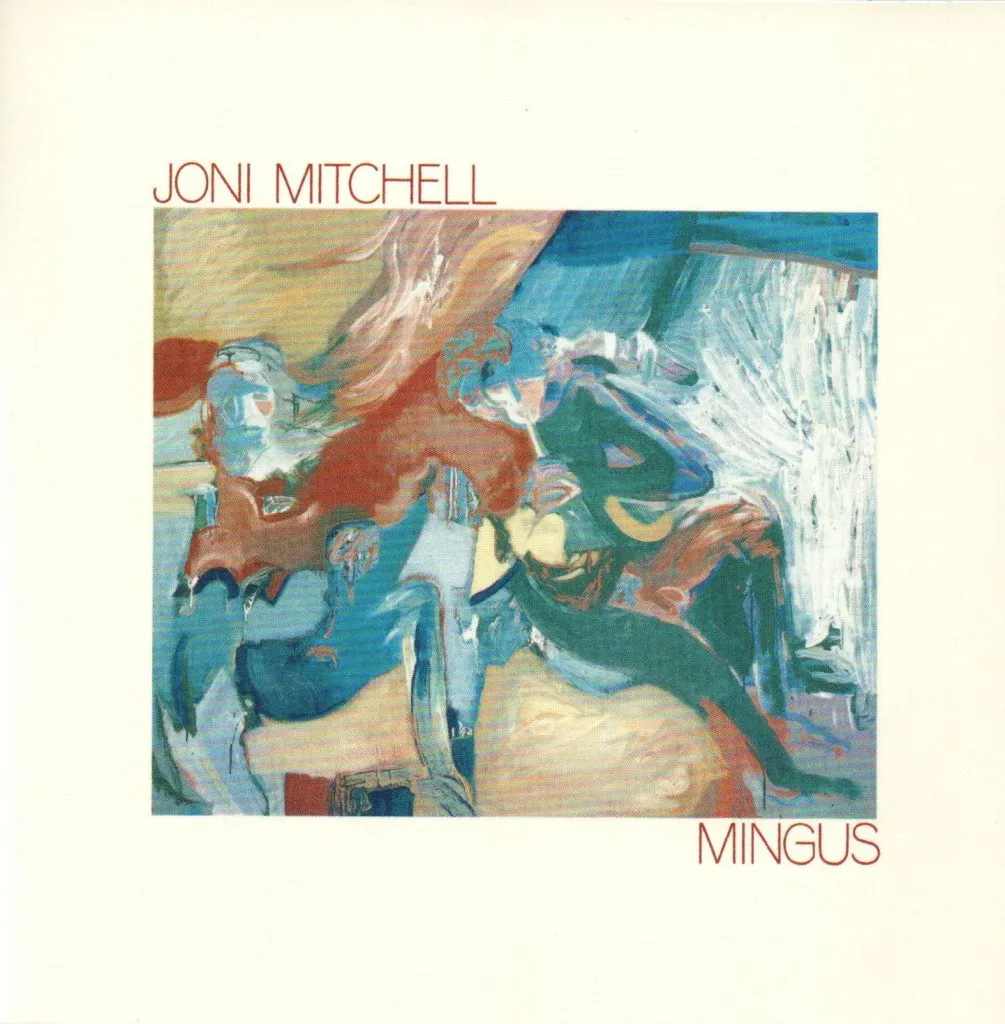
This willingness to cross stylistic boundaries naturally caught the attention of visionary artists outside the traditional jazz ecosystem. Erskine’s credits expanded to include jazz-pop crossover icons like Steely Dan and Diana Krall, as well as uncompromising musical auteurs like Joni Mitchell and Kate Bush.
- On Joni Mitchell: "Joni was thanks to Jaco."
- On Kate Bush: "Kate was thanks to Mark-Anthony Turnage and the BBC. She saw and heard me in a documentary chronicling the addition of drums to an orchestral piece that Mark had composed."
- Reflecting on their impact: "Joni and Kate are both incredibly powerful artists. Their music has spoken to countless listeners. How fortunate for me to be the drummer on some of their work."
Future Outlook: The Return to Acoustic Purity
As the music industry shifted into the digital age at the turn of the century, Erskine sought absolute creative autonomy. He founded his own independent label, Fuzzy Music, serving as a home for his diverse artistic output.
In 2015, alongside vocalist and collaborator Jack Fletcher, Erskine launched Dr. Um, a fluid collective dedicated to expanding the boundaries of modern groove-based music. Over the course of three critically acclaimed albums—including Second Opinion—Dr. Um showcased Erskine’s enduring mastery as a "drumsmith" capable of anchoring complex polyrhythms with effortless elegance.
Yet, as he looks toward the future of his career, Erskine is experiencing a profound artistic homecoming.
"Dr. Um was fun," Erskine concludes. "But I’m back to acoustic music-making now. I had to get some of the lingering electric out of my system, but nothing beats the purity of playing an instrument softly, sweetly and swingingly. THAT is not something I was ready to know or learn when I was a younger drummer in all of those different bands."
With a career built on a foundation of relentless curiosity, historical reverence, and unmatched technical command, Peter Erskine continues to teach, record, and swing—proving that true mastery is a journey without an end.