Executive Overview
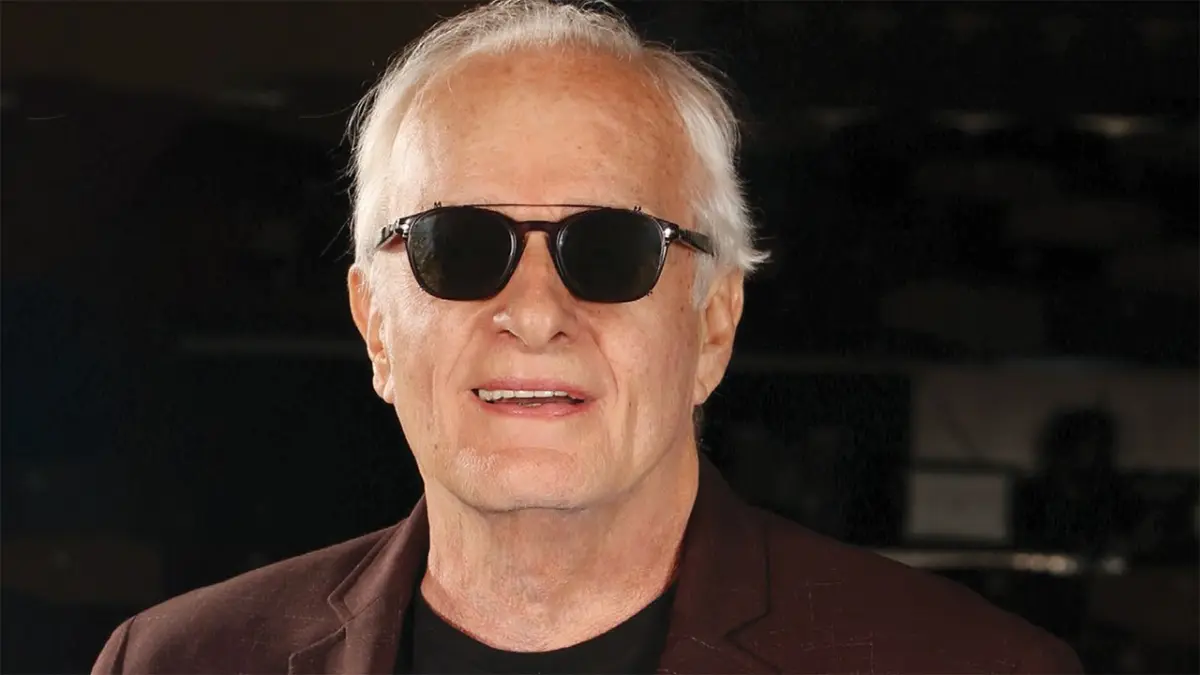
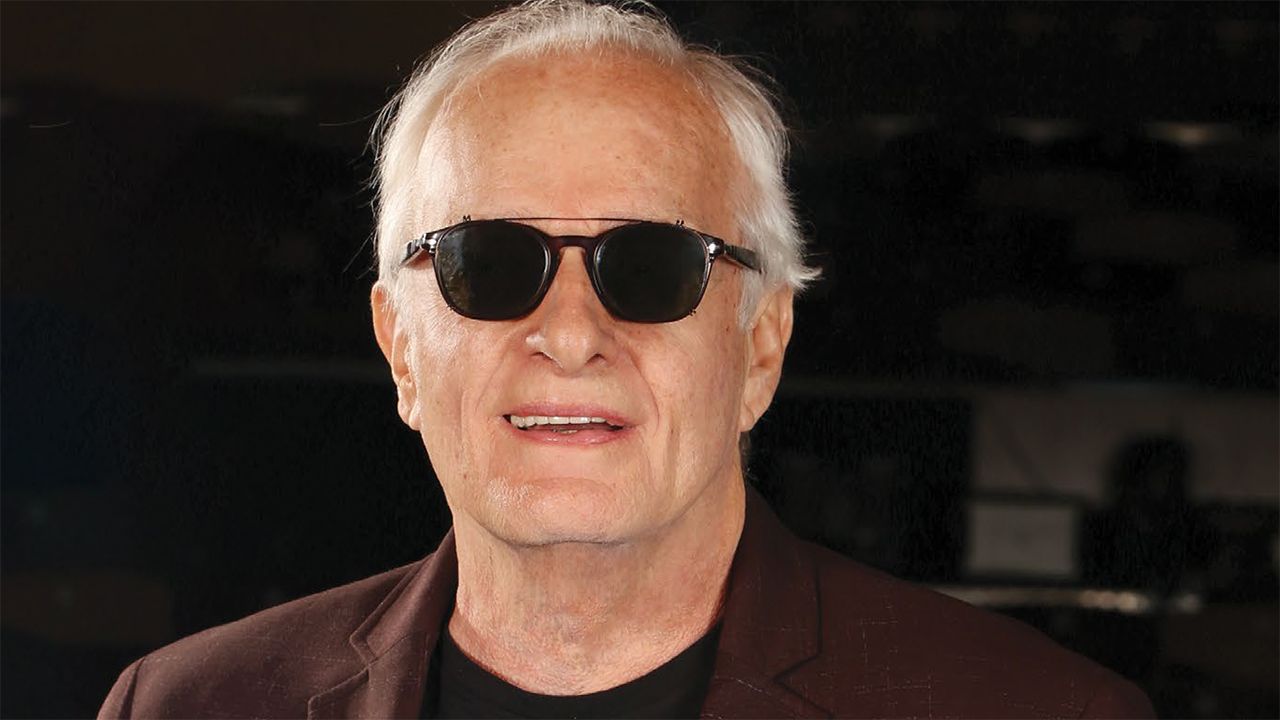
For over three decades, Tony Kaye stood as one of progressive rock’s most enigmatic keyboard architects. As a founding member of Yes—and a key collaborator across projects with David Bowie, Badfinger, Flash, Badger, and Yoso—Kaye’s distinctive organ work helped forge the sonic template of 1970s symphonic rock. Yet, despite his peers releasing expansive solo discographies, Kaye spent decades without releasing a single solo project under his own name. To Kaye, the bar set by landmark conceptual records like Pink Floyd’s The Dark Side Of The Moon and Rick Wakeman’s The Six Wives Of Henry VIII felt definitive; without a compelling narrative, he saw no purpose in recording merely for the sake of output.
That artistic stance altered abruptly on the morning of September 11, 2001. Transfixed by the collapse of the World Trade Center towers from his home in Los Angeles, Kaye experienced an urgent emotional impulse that drew him back to the instrument he had abandoned years prior. What began as a raw, cathartic improvisation on an eight-track cassette recorder in a sweltering garage evolved into a twenty-year compositional journey.
The result, End Of Innocence, released in 2021 to coincide with the twentieth anniversary of the terrorist attacks, serves as an orchestral and electronic reflection on loss, resilience, and historical disruption. Produced with contributions from his singer-songwriter wife, Dani Torchia, and current Yes drummer Jay Schellen, the album stands as both a personal memoir and a tribute to the first responders of 9/11, with ten percent of all album proceeds pledged directly to the Gary Sinise Foundation.
Detailed Chronology: From Garage Tapes to the 20th Anniversary
+-----------------------------------------------------------------------------------+
| CHRONOLOGY OF 'END OF INNOCENCE'                                                 |
+-----------------------------------------------------------------------------------+
| [Pre-2001]    Kaye retires from active keyboard performance post-Yes.             |
| [Sept 2001]   9/11 attacks occur; Kaye unearths old equipment, records initial    |
|               motifs on an 8-track cassette recorder ("911 Overture").           |
| [Late 2001]   Kaye meets Dani Torchia; collaboration begins on "Sweetest Dreams".  |
| [2002-2018]   Intermittent writing/recording; migration to digital DAWs;          |
|               partial loss of multitrack data forces use of original tapes.      |
| [2019]        Kaye reunites with Yes alumni on "Cruise To The Edge";              |
|               Spirit Of Unicorn Music signs the project with a strict deadline.   |
| [2020-2021]   Global pandemic lockdowns allow uninterrupted completion;           |
|               Jay Schellen tracks drums for key suites ("Flight 11").             |
| [Sept 2021]   'End Of Innocence' officially releases on 20th Anniversary of 9/11. |
+-----------------------------------------------------------------------------------+
The Silence Before the Storm (Pre-2001)
Following his second tenure with Yes—which encompassed the band’s multi-platinum 1980s pop-rock revival with albums like 90125 and Big Generator—Tony Kaye quietly retreated from the foreground of the music industry. Moving to Los Angeles and later Florida, Kaye effectively retired from active keyboard composition. His instruments remained packed away in storage, untouched for roughly six years. Unlike many of his contemporaries who maintained rigorous touring and recording schedules, Kaye lacked the motivation to craft a standalone solo record without a central thematic thesis.
The Catalyst of September 11, 2001
On September 11, 2001, a phone call from a friend urged Kaye to turn on his television. Watching the tragedy unfold in real time, Kaye experienced an intense visceral reaction. Driven by a compelling need to process the horror through sound, he retreated to his home garage in Los Angeles.
Working in intense summer heat, Kaye retrieved a dusty synth setup and a basic eight-track cassette recorder. Within hours, he composed and tracked the foundational motifs of what would become the "911 Overture", the emotional cornerstone of the project.
Two Decades of Intermittent Composition (2001–2018)
Just two weeks after the attacks, Kaye met singer-songwriter Dani Torchia, who would become his wife and core creative collaborator. Torchia brought immediate momentum to the nascent project, writing and performing the vocal track "Sweetest Dreams", dedicated specifically to the emergency personnel and first responders who rushed into the burning towers.
Over the next seventeen years, progress on the album occurred in sporadic bursts. Unbound by commercial record deal contracts or external deadlines, Kaye worked without urgency. The production process hit technical setbacks during the transition from analog cassette recording to modern computer-based Digital Audio Workstations (DAWs). During file migrations, several digital multitrack stems were corrupted or lost entirely. Consequently, Kaye was forced to digitize and isolate his original 2001 eight-track cassette recordings, incorporating those raw, unrefined performances directly into the final high-definition mix.
‘Cruise To The Edge’ and the Final Deadline (2019–2021)
The trajectory of the project accelerated dramatically in 2019. While participating in the progressive rock festival cruise Cruise To The Edge, Kaye reconnected with members of the broader Yes family and their management team. Upon hearing the material Kaye had amassed over the preceding eighteen years, the management team brokered a deal with Spirit Of Unicorn Music.
The record label recognized the historical significance of the material and set a firm release date: September 2021, marking the twentieth anniversary of the attacks. To meet this target, Kaye utilized the isolation of the 2020–2021 COVID-19 pandemic lockdowns to focus entirely on finishing the album. He enlisted drummer Jay Schellen to track live drum parts—most notably on "Flight 11", a piece representing the doomed flight that struck the North Tower—and finalized the album’s complex mix.
Supporting Context, Technical Analysis & Philanthropic Metrics
Architectural Breakdown of End Of Innocence
Unlike standard rock records, End Of Innocence is engineered as a continuous, suite-like symphonic narrative. Kaye designed the track list to be experienced strictly in sequential order, taking the listener from early morning tranquility through apocalyptic destruction, chaotic immediate response, and eventual somber reflection.
+---------------------------------------------------------------------------------+
| ALBUM TRACKING & STRUCTURAL SUITE                                               |
+---------------------------------------------------------------------------------+
| Movement I: The Prelude                                                         |
|   • "Twentytwo" / "911 Overture"                                                |
|   • Characterized by classical synth orchestrations and ominous tension.        |
|                                                                                 |
| Movement II: The Event & Impact                                                 |
|   • "Flight 11"                                                                 |
|   • Features dynamic drum performances by Jay Schellen, recreating the confusion |
|     and panic surrounding the hijacked airliners.                               |
|                                                                                 |
| Movement III: The Human Response                                                |
|   • "Sweetest Dreams" (feat. Dani Torchia)                                      |
|   • Melodic, vocal-driven anthem honoring first responders and lost lives.       |
|                                                                                 |
| Movement IV: Reflection & Aftermath                                             |
|   • "Aftermath" / "End Of Innocence"                                            |
|   • Atmospheric, minor-key compositions dealing with global geopolitical change. |
+---------------------------------------------------------------------------------+
Analog Nostalgia Meets Digital Disaster: Technical Hurdles
The long production cycle of End Of Innocence created a hybrid technical profile. The integration of vintage analog cassette tracking with modern digital plugins yielded a unique sonic texture:
- Original Analog Stems (2001): Captured on consumer-grade eight-track tape, giving early synth lines a saturated, compressed tape warmth.
- DAW Restoration (2010s): Advanced noise reduction and EQ isolation techniques were applied to rescue usable audio stems following data loss on hard drives.
- Modern Orchestral Layering (2020–2021): High-end digital sample libraries and contemporary synthesizer engines were layered over the original cassette foundation to achieve a full orchestral scale.
Philanthropic Metrics & The Gary Sinise Foundation
In aligning the release with the 20th anniversary of the tragedy, Kaye sought to ensure the album provided tangible support to individuals directly impacted by military and civil service.
- Pledge: 10% of all net profits from physical CD, vinyl, and digital sales of End Of Innocence are donated to the Gary Sinise Foundation.
- Target Beneficiaries: First responders, injured veterans, fire department personnel, and families affected by duty-related hardship.
- Rationale: Kaye expressed long-standing admiration for actor Gary Sinise’s advocacy work, citing the foundation’s transparent operational model and direct assistance to emergency workers as the key motivation for the partnership.
Official Statements and Reflections
Tony Kaye on Creative Motivation and Historical Trauma
Reflecting on his historic reluctance to pursue solo work and the sudden impetus brought on by 9/11, Kaye emphasized the necessity of genuine emotional inspiration over commercial routine:
"The Dark Side Of The Moon has already been done and so has The Six Wives Of Henry VIII. I had no clue what else to write about! I’m the sort who needs to be inspired. I’m not a natural songwriter who can sit down and it all comes out. I have musical ideas in my head; but in the past I had to abandon thoughts of making my own album because there was nothing for me to focus on."
Describing the immediate aftermath of watching the news broadcasts in 2001, Kaye recalled:
"My mind was racing, telling me I had to go to the garage and dig out my keyboard, which I hadn’t touched for five or six years. I set it up in a very hot room and started coming up with music—and so I began this 20-year journey, reaching the point where the album has finally come out."
On the narrative structure and listening experience required for End Of Innocence, Kaye noted:
"You have to play the album from start to finish. It’s the only way you can sense what was going through my mind. How did I feel once this was completed? Emotionally exhausted! I wouldn’t say it was in any way cathartic to write and record it, but when I listened back, it fully reminded me of my personal journey over these last 20 years. The world seems a more dangerous place as a result of that atrocious attack. I wanted to reflect that and ‘End Of Innocence’ does that—it sums up the darkness and fear, which inevitably colours the musical atmosphere."
Dani Torchia on Writing "Sweetest Dreams"
Collaborator and vocalist Dani Torchia commented on the rapid creative process behind the tribute track written shortly after meeting Kaye:
"Tony told me he wanted something specifically about the first responders who arrived on the scene, the brave people running into those buildings. That’s what came out. It felt completely natural and urgent, and we recorded it immediately."
Future Outlook and Legacy
The release of End Of Innocence resolves a long-standing question in the world of progressive rock regarding whether Tony Kaye would ever produce a standalone solo work. However, fans expecting this milestone to trigger a late-career wave of solo releases will likely find this album to be a singular statement.
When asked whether the completion of the project had unlocked a newfound desire to publish additional solo material, Kaye remained steadfast regarding his requirements for creative inspiration:
"I’ve no plans for another. As I said, I’m not someone who can just sit down and have songs pour out. If I was to do a second solo record, it would be because something had truly inspired me the way 9/11 did."
Ultimately, End Of Innocence remains an unrepeatable document in Tony Kaye’s six-decade career. Moving from an eight-track cassette in a California garage to a fully realized orchestral suit, the album bridges progressive rock history with contemporary tragedy. It stands as a solemn monument to a day that transformed global history—and reawakened one of rock’s premier keyboardists from a long creative silence.