Executive Overview
For decades, the twin pillars of the British August bank holiday weekend—the Reading and Leeds Festivals—have served as a quintessential rite of passage for generations of teenagers. From muddy fields echoing with the distorted chords of punk and alternative rock to the chaotic, energetic swell of mosh pits, these iconic events have long defined the UK youth music calendar. However, as cultural landscapes shift and the festival market faces unprecedented economic and demographic pressures, the festival’s enduring identity is undergoing its most radical transformation to date.
This weekend, Reading and Leeds are unveiling what organizers Festival Republic proudly declare the "biggest staging and arena overhaul" in the history of the twin sites. The sweeping modernization touches nearly every aspect of the festival experience. Major stages are receiving dramatic structural redesigns—such as the newly minted main stage, "The Grid," complete with a sprawling runway extending deep into the audience—while entirely new, purpose-built architectural concepts like "The Gallery" and "The Warehouse" promise immersive, non-traditional performance spaces.
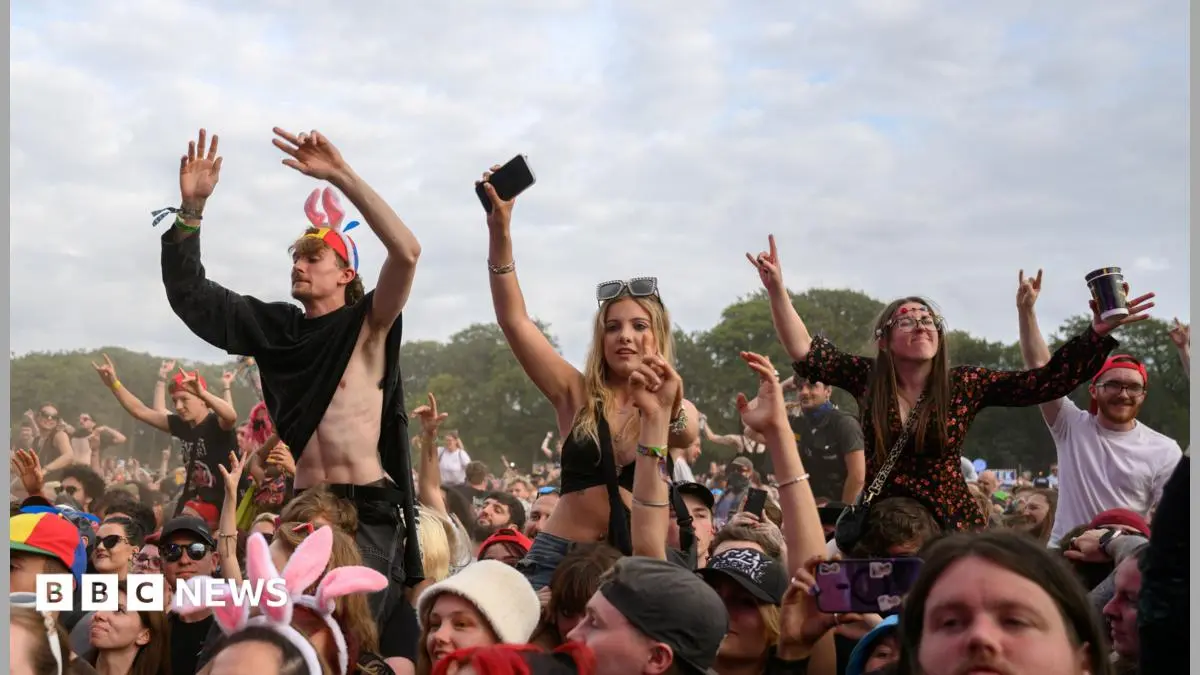
Yet, the physical redesigns are merely the outward manifestation of a deeper cultural pivot. For years, Reading and Leeds have wrestled with a polarizing reputation: celebrated as the ultimate youth destination, yet increasingly sidelined by older music fans who felt alienated by an escalating demographic skew toward a younger, 16-to-18-year-old crowd. In response, organizers have introduced targeted structural changes, including the festival’s very first over-21s campsite and the rebranding of its dedicated quiet zone into "The Oasis."
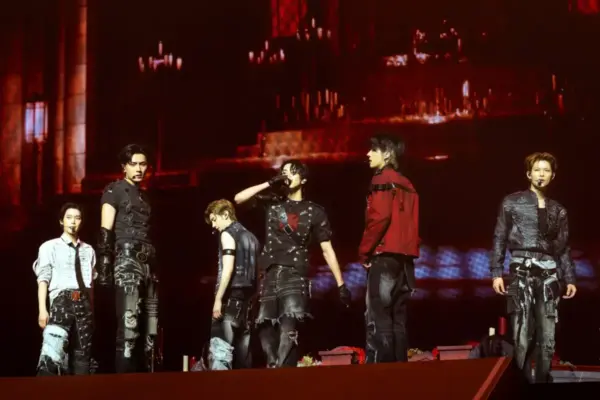
Simultaneously, the line-up marks a notable historic milestone: for the first time in 25 years, all main stage headliners across the weekend are exclusively British and Irish acts. Featuring heavyweights like Charli XCX, Dave, Raye, Fontaines DC, Chase & Status, and Florence + The Machine, alongside a diverse undercard ranging from grime icon Skepta to breakout rap trio Kneecap, the 2026 edition is an ambitious balancing act. It seeks to honor the festival’s deep-rooted legacy as a youth sanctuary while actively courting an older, more diverse demographic—all while navigating the anxieties of industry insiders questioning whether emerging talent from non-traditional backgrounds will still find a foothold in the newly corporate-polished arenas.
Detailed Chronology of the Transformation
To understand the magnitude of the 2026 overhaul, one must trace the evolutionary arc of Reading and Leeds over the past quarter-century. Historically rooted in rock, alternative, and indie traditions, the festivals have navigated multiple shifts in popular music, gradually incorporating hip-hop, electronic dance music, and pop. However, by the early 2020s, a distinct generational divide had crystallized.
The Seeds of Change: Shifting Demographics and Industry Pressures
In the years following the pandemic-era return of live music, festival promoters faced rising operational costs, shifting consumer habits, and a saturated European festival market. Concurrently, social media amplification turned attending Reading or Leeds into a hyper-visible teenage trend. For many festival-goers, the influx of younger crowds created an unintended consequence: older audiences began to migrate toward boutique camping events or curated weekenders that offered more amenities and an age-diverse peer group.
Recognizing the risk of cultural calcification, Festival Republic initiated quiet consultations and structural reimagining behind the scenes. The goal was not to alienate the core teenage demographic—which remains the lifeblood of the festival’s vibrant energy—but to widen the tent.
The 2026 Overhaul Timeline
- Late 2025: Initial rumors circulate within music industry circles regarding a major infrastructure redesign aimed at combating crowd congestion and modernizing production values.
- Early 2026 (Announcement Phase): Organizers officially confirm the comprehensive staging and arena overhaul, alongside the historic announcement that all headliners will be drawn exclusively from the British Isles for the first time in a quarter-century.
- Spring 2026: Ticket sales reveal unprecedented demand for newly introduced specialized infrastructure, particularly the over-21s campsite and the expanded, rebranded quiet zone ("The Oasis").
- This Weekend (Execution): The doors swing open at Richfield Avenue in Reading and Bramham Park in Leeds, revealing the physical manifestation of months of planning: The Grid, The Gallery, and The Warehouse.
Supporting Context & Metrics: Analyzing the Demographic and Physical Shift
The decision to overhaul Reading and Leeds is underpinned by rigorous audience data, evolving consumer expectations, and a concerted effort tofuture-proof the brand against shifting cultural trends.
Breaking Down the Generational Divide
The tension between the festival’s appeal to teenagers and its alienation of older music fans is a central narrative of the 2026 edition. Speaking to BBC Newsbeat, 20-year-old festival-goer Reggie Tanner encapsulated the sentiments of many in his age bracket:
"None of my friends wanted to go [this year] because of the fact that there’s so many 16 to 18-year-olds. They’d rather go to another festival where the demographic’s a bit older."
Tanner, who first attended Reading as a teenager when it was a "massive trend," is returning this year primarily to witness Charli XCX headline. Yet, he acknowledges that the introduction of the over-21s campsite is a shrewd strategic move that will "entice a lot of people from different age groups" who might otherwise have passed on the weekend.
Conversely, younger attendees view the festival’s youthful reputation as an asset rather than a liability. Nineteen-year-old Sasha Baylors and her peer Ciara Hornsey argue that while the stereotype of a younger crowd is accurate, it fosters a vital cultural space.
"It’s very important to have places for young people to go to listen to music and discover new artists," Hornsey notes.
Baylors pushes back against exaggerated narratives of rowdiness, noting that the site is "not as rowdy as people say it is, it’s not like some battle zone or anything."
For 17-year-old college student Zara Hawkins, preparing for her debut at Leeds Festival, the event represents an essential British adolescent rite of passage. She points out that the dual-site format makes Reading and Leeds uniquely accessible, offering flexible day-ticket options alongside camping. Crucially, Hawkins emphasizes the social safety net provided by large peer groups, noting that student communities look out for one another amidst the sea of stages.
Architectural Evolution: From Tents to Immersive Arenas
Beyond demographics, the physical reinvention of the festival grounds represents a major capital investment in experiential design. For decades, festival infrastructure relied heavily on standard tension-tent structures for secondary and tertiary stages.
The 2026 layout scraps much of this traditional blueprint in favor of purpose-built environments:
- The Grid (Main Stage): Re-engineered with cutting-edge acoustics, dynamic LED integration, and a prominent walkway that breaks the barrier between artist and audience, drawing inspiration from modern pop and stadium-scale tours.
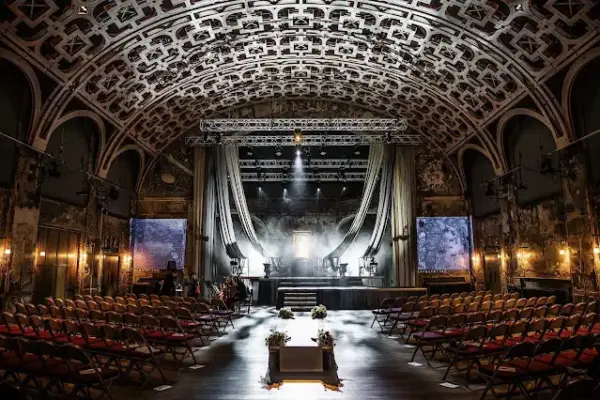
- The Gallery: An "undercover immersive stage" designed to merge visual art installations with live musical performances, offering a multi-sensory environment unlike traditional gig spaces.
- The Warehouse: A dedicated dance music space engineered from the ground up to replicate the subterranean, high-intensity atmosphere of a metropolitan club venue rather than a temporary festival marquee.
Despite these exciting upgrades, industry purists and grassroots advocates have raised cautious questions. Some critics wonder whether these glossy, corporate-sponsored transformations will inadvertently squeeze out the raw, unpolished grit that historically nurtured counter-cultural movements. Furthermore, questions remain over whether stages dedicated to lesser-known, grassroots acts will retain their vital role in cultivating diverse musical talent from varied socioeconomic backgrounds.
Official Statements and Industry Perspectives
The orchestration of an overhaul of this magnitude requires a delicate balancing act between commercial ambition and artistic integrity. Festival Republic, operating under the broader Live Nation umbrella, has framed the changes as a necessary and visionary step forward.
Festival Republic’s Vision
In official statements released ahead of the weekend, Festival Republic emphasized that the structural and line-up changes are designed to take Reading and Leeds "firmly into its next evolution." By curating an all-British and Irish headline bill for the first time in 25 years—featuring an eclectic mix of pop royalty (Charli XCX, Raye), lyrical rap pioneers (Dave, Skepta), post-punk innovators (Fontaines DC, Geese), electronic trailblazers (Chase & Status), and indie-rock icons (Florence + The Machine)—organizers are signaling a confident alignment with the current golden age of UK and Irish musical creativity.
Artist and Fan Feedback
While headliners command massive ticket sales, the lifeblood of Reading and Leeds has always been its deep undercard and the community spirit within the campsites.
For veteran festival-goers who felt pushed out by the surging demographic of GCSE and A-Level leavers, the addition of the over-21s campsite and the newly rebranded "The Oasis" quiet zone signal a willingness by management to listen. Demand for these specialized zones has outpaced initial projections, proving that there is a dormant, mature market eager to engage with the festival if provided with adequate comfort and spatial separation from late-night campsite chaos.
However, navigating this transition requires careful management. As Reggie Tanner advises peers hesitant about the demographic optics: "Just do it… I think maybe you might feel a bit older, but that’s just life." His sentiment underscores a broader cultural truth: festivals must evolve alongside their audiences, creating micro-environments that cater to different life stages without fracturing the unified spirit of the live music experience.
Future Outlook: What the 2026 Overhaul Means for the Festival Landscape
As the gates open across Reading and Leeds this weekend, the eyes of the wider live entertainment industry will be fixed firmly on the muddy fields of Richfield Avenue and Bramham Park. The success of the 2026 overhaul will serve as a bellwether for the future of large-scale British music festivals.
Balancing Commercial Scale with Cultural Authenticity
The primary challenge moving forward will be maintaining the delicate equilibrium between commercial expansion and raw, authentic music discovery. As major stages like The Grid and immersive environments like The Gallery and The Warehouse set a new benchmark for festival production value, organizers must ensure that the financial barriers of such large-scale overhauls do not dilute the accessibility that makes these events legendary for working-class and young music fans.
Setting a New Precedent for Demographic Inclusion
By officially acknowledging the generational friction that has bubbled up in online forums and fan circles over recent years, Festival Republic has set a new industry standard. The introduction of age-segregated camping options and enhanced quiet zones proves that mega-festivals can no longer operate under a one-size-fits-all model. If successful, the 2026 model of tiered camp environments and genre-fluid curation could be adopted by other major European festivals struggling with similar demographic polarization.
Ultimately, Reading and Leeds remain a mirror reflecting the desires, anxieties, and unbridled energies of British youth culture. By boldly tearing down old stages and erecting new ones—both physically and socially—the festival has proven that its storied history is not an anchor weighing it down, but a foundation upon which to build the future of live music.