For decades, the global fashion landscape has been dominated by a relentless cycle of rapid production, fleeting trends, and overflowing wardrobes. High-speed consumerism turned style into a disposable commodity, cultivating an era where vast hauls of low-cost clothing became a cultural norm. However, a structural psychological and behavioral shift is currently underway. Modern fashion enthusiasts, particularly younger demographics, are beginning to decouple personal style from perpetual acquisition.
Market data reveals that roughly one-third of all consumers now actively purchase second-hand clothing, with that figure climbing to nearly half among Generation Z. Yet, while the rise of vintage markets, thrift stores, and resale apps represents a massive step away from traditional retail, it introduces a subtle paradox: the trap of secondary overconsumption. For many, buying used garments merely supplements—rather than replaces—their underlying fast-fashion habits, resulting in bloated closets that are vintage in origin but disposable in practice.
This comprehensive investigation examines the evolution of modern consumer habits, the cognitive weight of wardrobe clutter, and the actionable strategies required to enjoy fashion as a craft rather than a consumption trap. By analyzing psychological research, circular fashion models, and expert-backed curatorial methods, this report provides a definitive blueprint for building a sustainable, highly individualized wardrobe.
Detailed Chronology: The Evolution of the Modern Wardrobe
To understand where fashion consumption stands today, it is essential to trace how the relationship between consumers, manufacturers, and garments has transformed over the past quarter-century.
The Late 1990s to Early 2010s: The Fast-Fashion Boom
Driven by supply chain efficiencies and globalization, the fast-fashion model accelerated. Clothing production doubled, while the average number of times a garment was worn before being discarded plummeted. Wardrobes expanded exponentially, fueled by low price points and weekly micro-trends.
The Mid-2010s: The Rise of the Digital Haul Culture
Social media platforms transformed shopping into a performative sport. Influencer haul videos normalized buying dozens of items at once. Concurrently, early digital resale platforms emerged, though second-hand shopping was still largely viewed as a niche activity or an economic necessity rather than a fashion-forward choice.
The Early 2020s: The Circular Economy Breakthrough
A confluence of heightened climate awareness, economic fluctuations, and pandemic-era lifestyle recalibrations sparked a revolution in consumer values. Second-hand fashion broke into the mainstream. Thrift shopping, once stigmatized, became a badge of honor and style sophistication, particularly among Gen Z.
The Present Day: Confronting the "Secondary Haul" Dilemma
While resale markets continue to shatter growth records, industry analysts have identified a critical loophole: consumers are buying pre-loved items in addition to new fast-fashion drops rather than swapping them entirely. The contemporary fashion movement is now tasked with addressing this underlying behavioral loop, shifting the focus from how we buy to how much we consume.
Supporting Context & Metrics: The Psychology of Overconsumption and Choice Overload
The drive to continually acquire new clothing is not merely a superficial desire; it is deeply intertwined with modern lifestyle pressures, dopamine loops, and cognitive psychology.
The Cognitive Burden of Choice Overload
Behavioral science demonstrates that humans have a finite capacity for decision-making. When applied to a wardrobe, this manifests as "choice overload." Research published in behavioral and consumer journals indicates that individuals find it significantly easier to make decisions—and experience higher levels of satisfaction—when presented with a curated, limited selection of options.
When a closet contains eighteen different variations of a basic black T-shirt, the brain undergoes "wardrobe paralysis." Paradoxically, having more clothes often leads to the persistent feeling of "having nothing to wear." Conversely, maintaining a streamlined, highly versatile wardrobe fosters creativity, forcing the brain to solve styling puzzles using limited resources. Studies show that this form of creative problem-solving generates genuine psychological enjoyment and boosts general life satisfaction.
The Metrics of the Shift
33%: The proportion of general shoppers who now regularly incorporate second-hand garments into their purchasing habits.
50% (approx.): The surge in second-hand adoption rates specifically observed within Generation Z cohorts.
48 Hours: The recommended psychological cooling-off period required to interrupt impulse-buying triggers and prevent post-purchase buyer’s regret.
Five Pillars of Mindful Style: How to Enjoy Fashion Without Excess
For those who view fashion as a creative outlet and a form of self-expression, curbing consumption can feel restrictive. However, true style mastery lies not in accumulation, but in curation. The following five foundational strategies offer a pathway to a more sustainable, intentional wardrobe.
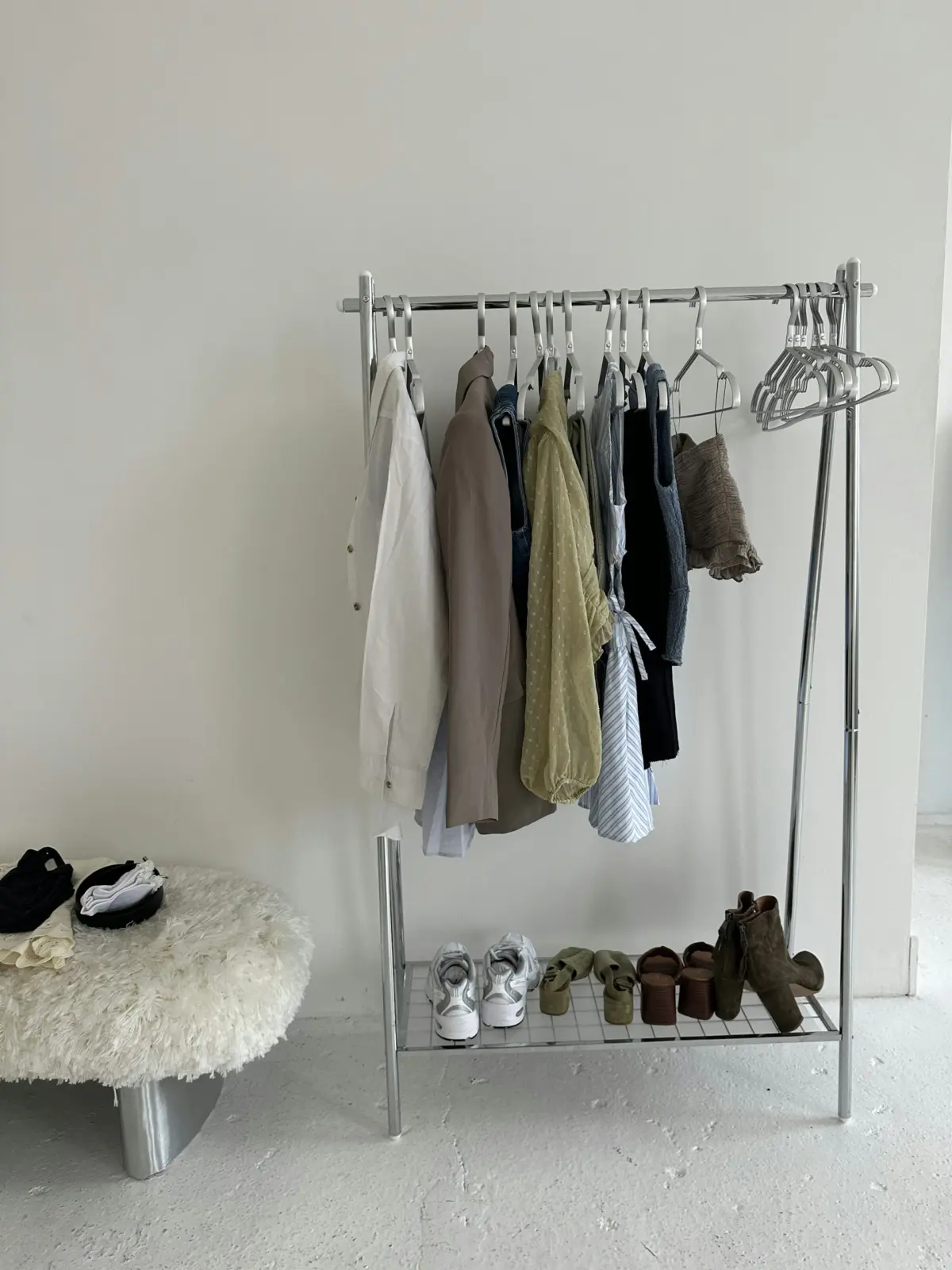
1. Shop Your Closet
The concept of "shopping your closet"—reimagining existing garments to create entirely fresh looks—has transitioned from an online trend to an established styling discipline.
Establish a Wardrobe Date: Treat the reorganization of your closet as a creative project rather than a domestic chore. Set aside time when you are not rushed to experiment with unexpected combinations.
Leverage Digital Inspiration: Use platforms like Pinterest to search for exact styling formulas (e.g., "oversized blazer and straight-leg denim") to unlock new potential in pieces you already own.
The 10-Day Challenge: Commit to wearing ten distinct outfit combinations that you have never worn before. Snap mirror photographs of successful pairings to build a personal lookbook for fast-paced mornings.
2. Embrace Having Less via Capsule Strategies
Curating a capsule wardrobe cuts through choice overload. By reducing volume, you elevate your appreciation for individual items.
Reorganize with Intent: Sort your clothing by color palette or silhouette. This physical restructuring allows you to rediscover forgotten favorites and recognize the physical craftsmanship of garments you already own.
Prioritize Versatility: Focus on items that can seamlessly transition across multiple seasons and occasions, minimizing the need for single-purpose garments.
3. Shop Like a Collector
Shift your mindset from that of a transient consumer to that of a deliberate archivist or fine art collector.
Inspect Construction: Before acquiring any new piece—whether new or vintage—evaluate fabric weight, seam stitching, lining quality, and the presence of natural fibers such as wool, linen, silk, and heavy cotton.
Maintain a Baseline Wishlist: Keep an active list of specific, foundational gaps in your wardrobe. Planning acquisitions in advance drastically reduces impulse purchases and emotional shopping cycles.
Identify Your Aesthetic Anchor: Define your preferred silhouettes, textures, and colorways so that every potential addition must actively earn its place in your ecosystem.
4. Leverage Rental and Collaborative Sharing
The circular fashion economy offers robust alternatives to permanent ownership, particularly for event-driven or seasonal attire.
Embrace Rental Platforms: Utilizing high-end rental services allows fashion enthusiasts to experiment with runway trends, statement pieces, and formal wear without incurring the financial or environmental guilt of single-wear purchases.
Wardrobe Swapping: Establishing clothing exchange circles with friends with similar sizing is a zero-cost, highly social method of refreshing your style without introducing new items into the global supply chain.
5. Master Mending and Upcycling Techniques
The physical act of repairing a garment fundamentally alters our psychological attachment to it.
Invest Time and Touch: When you spend hours mending a tear, replacing a button, or hemming a hemline, you invest physical labor into the object. This tactile engagement deepens the garment’s status as a tangible extension of your identity.
Embrace Creative Mending: Rather than hiding repairs, highlight them. Use contrasting threads, visible mending techniques (such as Japanese sashiko stitching), or playful patches to turn flaws into unique design features.
Utilize Digital Tutorials: If technical sewing skills are lacking, an endless library of step-by-step upcycling guides is accessible via platforms like YouTube and TikTok, turning basic repairs into an engaging craft hobby.
Official Statements and Industry Perspectives
Leading voices in sustainable fashion and consumer psychology emphasize that the future of the industry hinges on redefining the cultural meaning of ownership.
"We are witnessing the early stages of a profound psychological decoupling," notes Dr. Elena Vance, senior researcher in sustainable consumption patterns. "For decades, identity was tied to accumulation—how many new looks you could display. Today, among discerning consumers, identity is increasingly tied to curation, resourcefulness, and the narrative behind a garment. Wearing a mended vintage piece or restyling a five-year-old staple carries far more cultural capital than showing up in a box of fast-fashion novelties."
Industry analysts echo this sentiment, pointing out that brands and consumers alike must look beyond simple circularity metrics. True sustainability requires addressing the sheer velocity of consumption, ensuring that resale platforms and rental services act as replacements for traditional retail rather than supplementary pipelines for excess accumulation.
Future Outlook
The trajectory of the fashion industry over the next decade will likely be defined by a tug-of-war between hyper-accelerated digital micro-trends and a deeply rooted, conscious counter-movement. As environmental regulations tighten and consumer awareness matures, the traditional fast-fashion playbook faces mounting structural challenges.
The modern fashion lover is evolving into a hybrid curator: someone who appreciates high-end aesthetics, technological innovations in rental and circular fashion, and traditional artisanal skills like mending and tailoring. By shifting the paradigm from consumption to creation, consumers can indulge their passion for style while honoring planetary boundaries. Ultimately, the future of fashion does not lie in filling more closets, but in deepening our connection to the clothes we already own.