Executive Overview
As teenagers across the United Kingdom experience the anxious yet anticipated ritual of receiving their GCSE results, a deeper, systemic crisis continues to loom over the nation’s cultural landscape. Recent findings published by the Royal Philharmonic Orchestra (RPO) reveal that an overwhelming 86% of British parents believe significantly more must be done to engage children and teenagers with classical and orchestral music.
This stark public sentiment arrives against a complex statistical backdrop for music education. While recent years have offered glimmers of hope—notably consecutive annual increases in music GCSE entries across the UK—they follow more than a decade of profound institutional decline in England. Compounding these structural challenges is a widening generational and cultural disconnect, as traditional orchestral genres struggle to capture the attention of a youth demographic immersed in digital-first media consumption.
To bridge this widening chasm, the RPO surveyed 2,000 UK adults in June, capturing direct insights from the demographic that knows these students best: their parents. The resulting data highlights clear, actionable pathways for reform, pointing directly to the classroom, the concert hall, and even mainstream media charts.
As arts institutions, educators, and policymakers grapple with these findings, the core question remains: How can the UK safeguard its rich musical heritage and cultivate the audiences and virtuosos of tomorrow? This in-depth report examines the current state of youth music education, analyzes the RPO’s new data, explores changing instrument preferences, and outlines the urgent calls for systemic intervention.
Detailed Chronology: The Evolution of Music Education Policy and Public Sentiment
To understand the current state of youth engagement in classical music, it is necessary to examine the policy shifts and educational trends that have shaped the sector over the past two decades.
2010–2019: The Era of Marginalization
Following the implementation of the English Baccalaureate (EBacc) in 2010, arts subjects experienced a dramatic deprioritization across secondary schools in England. Because the EBacc performance measure focused exclusively on a rigid set of traditional academic subjects—excluding creative arts—schools faced immense systemic pressure to reallocate funding, timetables, and staffing away from music, drama, and the visual arts.
The consequences were immediate and severe. Between 2010 and the late 2010s, music GCSE entries in England plummeted by over 25%. Regional disparities widened as state-funded schools cut back on instrumental tuition programs, reducing music education from a universal entitlement to a privilege accessible mainly to families who could afford private lessons.
2022–2024: Cautious Optimism and Resurgence
The tide began to turn slowly in the post-pandemic years, aided by policy reviews and a growing recognition of the mental health and cognitive benefits of creative education.
In late 2023, data published by the Joint Council for Qualifications (JCQ) revealed a 6.1% increase in music GCSE entries across the UK. This momentum accelerated in 2024 with an even stronger 8.7% rise. Education experts cautiously celebrated these figures as an indication of resilient student demand and the dedicated efforts of specialist music teachers working under difficult circumstances.
However, arts advocates repeatedly warned against reading too much into short-term percentage gains. A percentage increase on a historically depressed baseline does not equal systemic recovery. Furthermore, the persistent removal and reform of the EBacc’s rigid parameters have been slow to translate into tangible resource revivals at the grassroots level.
June 2026: The RPO Groundswell Study
Seeking to move beyond political rhetoric and capture grassroots sentiment, the Royal Philharmonic Orchestra commissioned a comprehensive survey in June 2026. Polling a nationally representative sample of 2,000 UK adults, the research asked parents to identify the most effective methods for inspiring the next generation. The findings—highlighting a massive 86% consensus that current engagement efforts are inadequate—have reset the national conversation on how arts organizations and government bodies must collaborate moving forward.
Supporting Context & Metrics: What Parents and Data Tell Us
The RPO’s findings offer a granular roadmap of where interventions will have the highest impact, detailing both the structural changes required in schools and the cultural shifts needed in the wider public sphere.
Inside the Classroom: The Top Demands for Reform
When asked what would most effectively encourage young people to embrace classical and orchestral music, parents pointed directly to active, immersive experiences:

- Curricular Listening and Engagement (31%): Nearly a third of parents called for more dedicated music lessons focused on active listening, helping students understand and appreciate classical compositions within the school day.
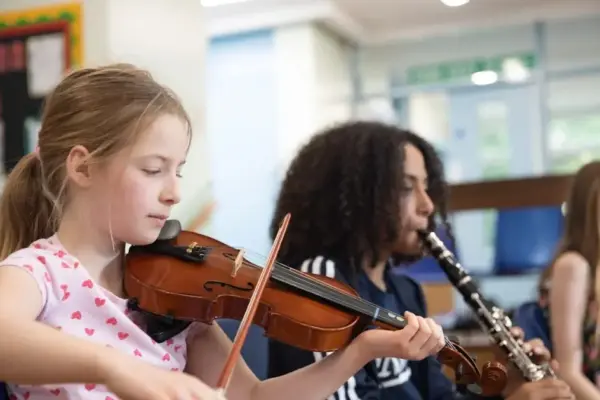
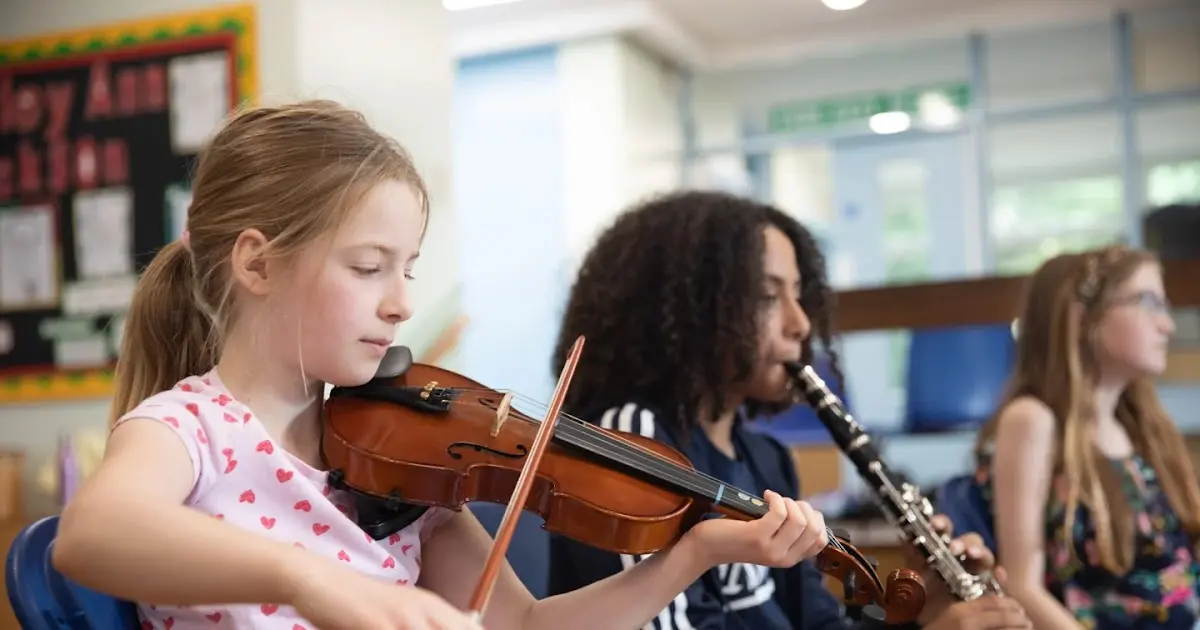
- School Orchestras and Ensembles (30%): Exactly three in ten respondents advocated for expanded opportunities for young people to play music together in school orchestras, viewing collaborative ensemble work as vital for building long-term enthusiasm.
- Live Concert Experiences (29%): Close to three-in-ten parents emphasized the power of the live performance, calling for subsidized school trips to professional classical and orchestral concerts.
Beyond the Classroom: Cultural Integration
While formal education remains the primary battleground, parents also look to contemporary cultural touchstones. Nearly a quarter of respondents (23%) argued that young people would naturally gravitate toward classical music if it achieved greater visibility in mainstream channels, such as the UK Top 40 singles and albums charts. This perspective underscores the blurring genre lines of the modern era, where cinematic scores, neoclassical compositions, and streaming-friendly contemporary classical tracks frequently overlap with pop culture.
The Changing Face of the Orchestra: Instrument Popularity
The RPO research also mapped out the changing popularity of musical instruments among school-aged children, offering a fascinating glimpse into the composition of tomorrow’s orchestras:
- The Dominant Trio: The piano maintains its firm grip on the top spot, with 35% of children either learning or expressing a strong desire to play. The guitar follows closely at 28%, while drums capture 22% of youth interest.
- Rising Traditional Instruments: Across the country, interest in the violin (18%), recorder (14%), and trumpet (11%) is showing healthy resilience.
- The "Endangered" Brass Species: The study exposed a critical vulnerability in orchestral instrumentation. French horns (3%) and trombones (5%) are facing severe recruitment deficits, categorized by music educators as "endangered" instruments that require urgent, targeted scholarship and outreach programs to prevent a generational shortage of brass players.
Official Statements: Perspectives from Cultural Leadership
The release of the RPO’s research has prompted urgent commentary from leading figures in the British arts sector, uniting practical grassroots experience with high-level policy critique.
Sarah Bardwell, Managing Director of the Royal Philharmonic Orchestra, addressed the implications of the new data with both cautious optimism and a clear demand for political action:
"While it is of course heartening to see a rise in music GCSE uptake—something we hope to see continue in the 2026 results—it is clear that more needs to be done to safeguard the musicians and audiences of tomorrow. The RPO’s engagement work with young people is a vital way of filling the gaps left by underfunding in formal music education, and our players find it hugely fulfilling—but this latest data shows that we need more action at a government level to build more opportunities for young people to enjoy orchestral music."
Bardwell’s comments underscore the dual responsibility shared by major cultural institutions and the state. While world-class orchestras like the RPO—through initiatives like the Brent Music Academy—actively plant seeds in local communities, these touring workshops and community partnerships cannot permanently substitute for fully funded, statutory music education in every state school across the nation.
Music educators and youth charity leaders have echoed these sentiments, pointing out that learning an instrument teaches critical transferable skills: teamwork, cognitive discipline, spatial-temporal reasoning, and emotional intelligence. When access to music is restricted by socioeconomic background, society risks losing a generation of diverse creative talent.
Future Outlook: A Landmark Season and a Roadmap for Reform
As the UK cultural sector looks toward the remainder of the decade, the path forward requires a synchronized multi-stakeholder approach.
1. Government Intervention and Funding
Arts advocates are intensifying pressure on policymakers to build upon the partial recovery of GCSE entries by embedding ring-fenced funding for creative subjects into core school budgets. Without guaranteed support for peripatetic instrumental teachers and maintenance budgets for school instruments, progress risks remaining fragile and geographically uneven.
2. Institutional Outreach and Innovation
Orchestras across the country are modernizing their programming to meet young audiences where they are. By embracing digital streaming, cross-genre collaborations with pop and electronic artists, and interactive family concerts, institutions are dismantling the perception that classical music is an exclusive, intimidating art form.
3. Celebrating Milestone Legacies
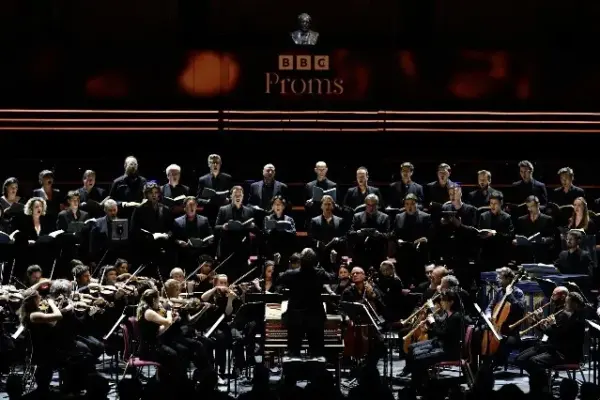
As the RPO looks ahead to its milestone 80th anniversary season, its upcoming launch on 23 September 2026 at the Royal Albert Hall serves as a powerful reminder of orchestral music’s enduring vitality. Conducted by Vasily Petrenko, the opening concert will feature works by Errollyn Wallen, Beethoven, and Richard Strauss—bridging centuries of musical innovation.
Ultimately, the message of the RPO’s latest research is clear. The passion for music among Britain’s youth and their parents remains high, but it requires deliberate cultivation. By addressing the infrastructure of school music education, supporting endangered instruments, and opening pathways to live performance, the UK can ensure that its orchestral tradition remains a vibrant, accessible cornerstone of national culture for generations to come.