Executive Overview
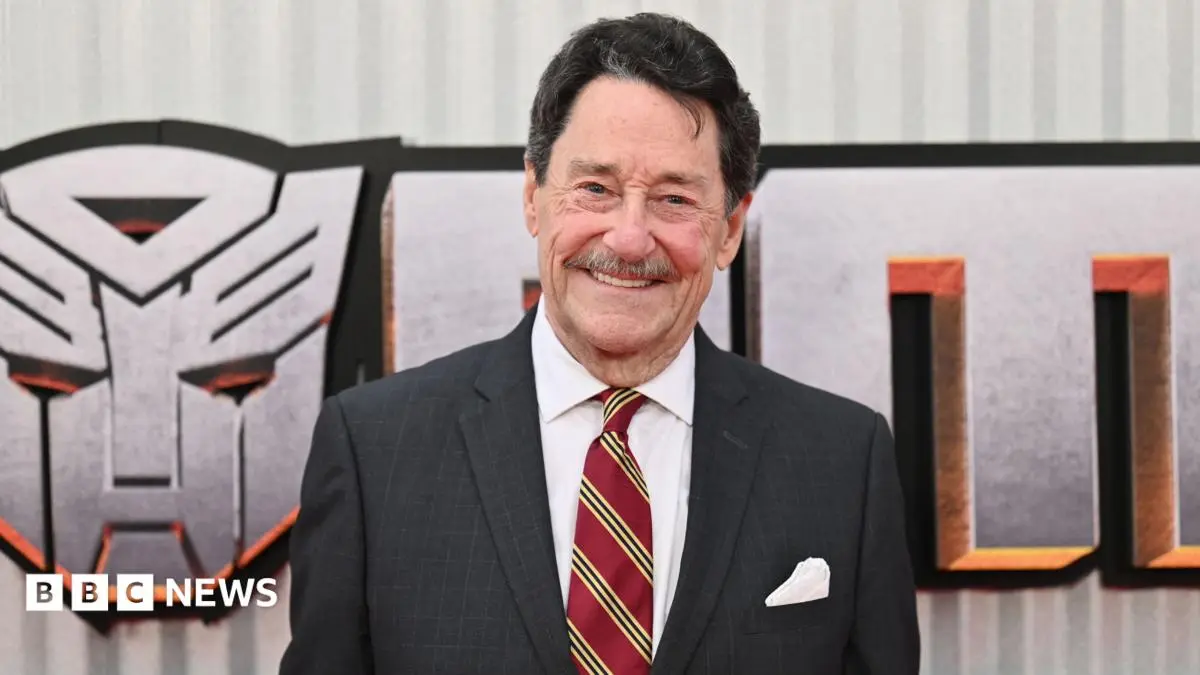
For nearly four decades, the resonant, authoritative, and deeply comforting voice of Optimus Prime has echoed across generations of television screens, cinematic blockbusters, and pop-culture consciousness. As the undisputed leader of the Autobots in the sprawling Transformers franchise, Optimus Prime is more than just a fictional character; he is a global icon of justice, resilience, and moral integrity. Yet, the man behind the vocal cords, legendary voice actor Peter Cullen, has frequently credited the genesis of this monumental performance not to Hollywood directors, classical theatrical training, or comic book lore, but to a deeply personal source: his older brother, Larry Cullen, a decorated United States Marine and veteran of the Vietnam War.
This in-depth investigative feature explores the profound intersection of military service, familial bonds, and animation history. It traces how Larry Cullen’s counterintuitive advice—urging his younger brother to reject cinematic bravado in favor of a quiet, composed strength—forged one of the most recognizable voices in entertainment history. Furthermore, this article examines Peter Cullen’s illustrious career across classic 1980s and 1990s animation, the critical acclaim and long-overdue industry accolades he eventually received, and the enduring legacy of a performance that continues to define the science-fiction genre.
Detailed Chronology
The Genesis of an Icon: 1984 and the Birth of Optimus Prime
In 1984, Marvel Productions and Hasbro launched a multimedia blitz that would permanently alter the landscape of children’s entertainment and toy marketing. Central to this campaign was The Transformers, an animated series chronicling the civil war between the heroic Autobots and the villainous Decepticons, both races of sentient, modular extraterrestrial robots capable of transforming into vehicles and mechanical beasts.
Casting the leader of the Autobots was a critical decision for the production team. They needed a voice that could command absolute authority, inspire intense loyalty, and project unwavering moral clarity in the face of existential danger. Enter Peter Cullen, a seasoned voice actor who had already established a reputation for versatility within the industry.
When Cullen initially auditioned for the role of Optimus Prime, he approached it with the standard theatrical intensity typical of animated villains and heroes of the era—projecting volume, adding theatrical flair, and leaning into dramatic, over-the-top delivery. However, before finalizing his choices, Cullen sought the counsel of his older brother, Larry, who had recently returned home from active duty as a decorated U.S. Marine in the Vietnam War.
The Marine’s Directive
Larry Cullen understood leadership not through the lens of Hollywood fiction, but through the crucible of actual combat. When Peter described the character—a massive, powerful alien truck capable of leading an army against overwhelming odds—Larry offered a piece of advice that would permanently alter television history.
As Peter Cullen has frequently recounted in interviews, his brother told him to play the character as a "real hero" rather than a "Hollywood hero." Larry’s exact guidance was stark and revelatory: "Don’t go yelling and screaming. He’s strong enough to be gentle."
This counterintuitive philosophy rejected the trope of the screaming, bombastic action hero. Instead, Larry posited that true power requires no external volume; genuine strength is quiet, grounded, and inherently protective. This advice resonated deeply with Peter. As he entered the audition room, he channeled his brother’s cadence, demeanor, and inner authority. By lowering his vocal register and infusing his delivery with a steady, compassionate gravity, Cullen unlocked the definitive voice of Optimus Prime.
A Lifelong Debt of Gratitude
The impact of Larry Cullen’s contribution extended far beyond artistic inspiration. Recognizing that his brother’s guidance was the foundational pillar of the character’s multi-million-dollar success, Peter Cullen made a quiet, deeply personal commitment. For the entirety of their lives together, Cullen shared a cut of the wages he received for playing Optimus Prime with his brother Larry, continuing this financial expression of gratitude until Larry’s passing. This enduring gesture underscored a bond forged in mutual respect and familial devotion, mirroring the very loyalty that Optimus Prime demands of his fellow Autobots.
Evolution Across Decades
Cullen’s journey with the franchise was not without interruption. Following the conclusion of the original animated series and the tragic events of The Transformers: The Movie (1986)—where Optimus Prime met a temporary, highly controversial demise—Cullen stepped away from the role for various iterations of the franchise throughout the 1990s and early 2000s.
However, the cultural gravity of his performance remained unmatched. When director Michael Bay and Paramount Pictures prepared to bring the franchise into live-action cinema in 2007, fans and creators alike agreed that no other voice could possibly embody the Autobot leader. Cullen’s triumphant return in the 2007 blockbuster bridged the gap between nostalgic fans and a brand-new generation of moviegoers, cementing his status as a trans-generational icon.
Supporting Context & Metrics
To fully appreciate Peter Cullen’s impact on the entertainment industry, one must look beyond a single iconic role and examine a prolific career that spans over five decades.
A Master of Range: 1980s and 1990s Animation Work
While Optimus Prime remains his most celebrated character, Cullen was a ubiquitous presence in Saturday morning cartoons throughout the golden eras of 1980s and 1990s animation. His vocal versatility allowed him to seamlessly transition from noble sci-fi commanders to comedic sidekicks and terrifying villains.
- Chip ‘n Dale Rescue Rangers: Cullen provided the voice of Monterey Jack, the cheese-obsessed, adventure-seeking Australian mouse whose booming voice and soft heart became a fan favorite.
- Winnie the Pooh: Though most famously voiced by Sterling Holloway and later Jim Cummings, Cullen contributed to various Disney audio projects and adaptations.
- Spider-Man (1981 Animated Series): Cullen lent his talents to various supporting roles in this classic iteration of the web-slinger’s adventures.
- Alvin and the Chipmunks: He voiced various characters in the beloved musical rodent franchise.
- Dungeons & Dragons: Contributing to the perilous realms of this foundational fantasy cartoon, Cullen helped bring magical creatures and monsters to life.
- My Little Pony & DuckTales: His voice work spanned the whimsical kingdoms of Equestria and the globetrotting adventures of Scrooge McDuck’s nephews.
- Adventures of the Gummi Bears: Cullen added warmth and depth to Disney’s pioneering serialized fairy-tale adventure.
- Donkey Kong Country: Demonstrating his ability to handle video game adaptations, Cullen captured the oversized personality of classic gaming icons.
Critical Recognition and Industry Accolades
For decades, the voice-over community fought for parity and recognition within major award circuits, which historically prioritized on-screen cinematic and television performances. Cullen’s profound cultural footprint eventually forced the industry to take formal notice:
- 2011 Daytime Emmy Nomination: Cullen earned a prestigious nomination for Outstanding Performer in an Animated Program, validating the emotional depth and longevity of his voice work.
- 2023 Children’s & Family Emmy Awards: In a landmark moment for the medium, Cullen was honored with a Lifetime Achievement Award, celebrating a career that shaped the childhoods of millions globally and elevated the craft of voice acting into high art.
Official Statements
The legacy of Peter Cullen and the influence of Larry Cullen have been discussed extensively by the actor in numerous retrospective panels, documentary features, and press junkets. The following curated statements highlight the philosophical core of the character’s creation:
"My brother Larry was a true American hero—a Marine who had seen the worst of humanity in Vietnam. When I struggled to find the angle for Optimus Prime, he looked at me and said, ‘Don’t go yelling and screaming. He’s strong enough to be gentle.’ That single sentence changed my life and the trajectory of my career."
— Peter Cullen
Reflecting on the psychological weight of the role during a retrospective interview, Cullen elaborated on the mechanics of his performance:
"When he drops down, when he gets serious, is where I found Optimus Prime. It wasn’t about sounding tough for the sake of toughness. It was about carrying the burden of leadership. If you are truly strong, you don’t need to prove it by raising your voice. You prove it by making people feel safe in your presence."
— Peter Cullen
Industry analysts and animation historians have similarly noted the unique cultural footprint of the performance. Media critic and animation historian Dr. Aris Thorne noted:
"In the history of serialized American television, very few vocal performances have achieved the mythological status of Peter Cullen’s Optimus Prime. By synthesizing military stoicism with paternal warmth, Cullen created a template for modern heroism that subverted 1980s action tropes and endures to this day."
Future Outlook
As the Transformers franchise continues to expand through high-budget cinematic universes, animated streaming series, and immersive video game adaptations, the question of legacy remains paramount. The franchise has grown far beyond its modest origins as a 1980s toy commercial into a multi-billion-dollar global phenomenon spanning multiple generations of fans.
Passing the Torch vs. Timeless Endurance
While the inevitable future of the franchise will eventually require new talent to step into the role of the Autobot commander, Peter Cullen’s standard remains the immutable benchmark. Every future iteration, whether voiced by veteran actors or newcomers, is measured against the template forged by Larry Cullen’s military wisdom and executed by Peter’s vocal mastery.
Cultural Immortality
The principles that defined Optimus Prime—courage, self-sacrifice, humility, and gentle strength—transcend the science-fiction genre. They are timeless human virtues. Because Peter Cullen anchored his performance in the authentic human experience of his brother, Larry, the character of Optimus Prime transcends his fictional origins as an extraterrestrial robot.
In an era of media consumption dominated by cynicism and hyper-aggressive antiheroes, the enduring popularity of Optimus Prime serves as a testament to the power of compassionate leadership. As long as screens flicker and stories of good versus evil are told, the voice born from a Marine veteran’s advice and brought to life by a master craftsman will continue to resonate, reminding audiences everywhere that true strength is, above all else, strong enough to be gentle.