By the Editorial Staff
Published in partnership with Rough Trade
Executive Overview
In an era dominated by algorithmic optimization, real-time data harvesting, and hyper-exposed digital footprints, popular music is undergoing a quiet, subversive rebellion. While commercial charts remain saturated with frictionless, highly digestible pop records, a parallel counterculture is quietly thriving. Listeners starved of genuine mystery are turning their heads toward masked figures wielding homemade microtonal instruments, deep-diving into cryptic electronic lore, and embracing artists whose soundworlds feel as though they have been beamed directly from another dimension.
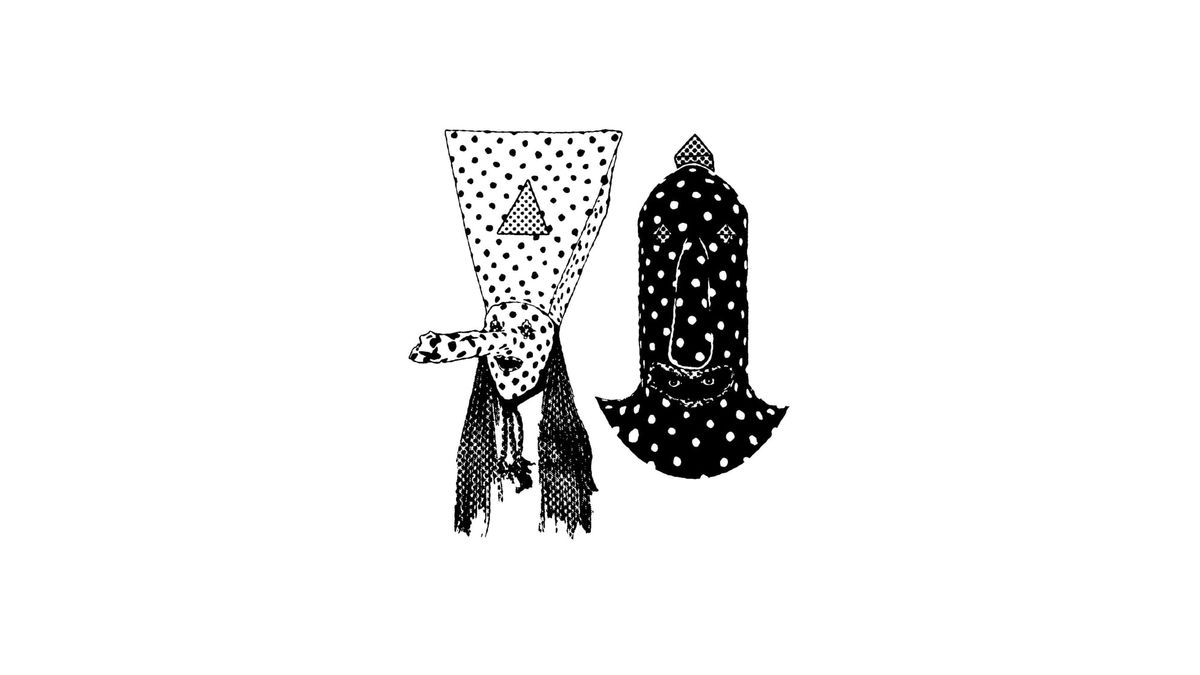
The unexpected breakout of acts like Angine de Poitrine in early 2026 has recalibrated the coordinates of contemporary alternative music. Yet, this penchant for absurdity, experimentalism, and radical anonymity is far from a modern invention. From the pioneering Afrofuturism of Sun Ra to the elusive machinery of Aphex Twin, and the shape-shifting theatricality of Yves Tumor, music history is punctuated by visionaries who deliberately eschew conventional stardom.
These are artists who operate in their own leagues, crafting compositions that defy earthly categorization while retaining a fierce, undeniable authenticity. As the music industry grapples with the creeping tide of generative AI, these otherworldly icons compel us to change our listening habits, demanding our total dedication to their singular, untravelled craft. This report examines the phenomenon of the cult outsider, diving into the stories, aesthetics, and enduring appeal of modern music’s most extraterrestrial figures.
Detailed Chronology: A History of the Extraterrestrial in Sound
To understand the current resurgence of masked acts and myth-making, one must trace the evolutionary lineage of musical world-building. The journey from mid-century jazz mysticism to 2026’s microtonal math-rock reveals a continuous human hunger for the unknown.
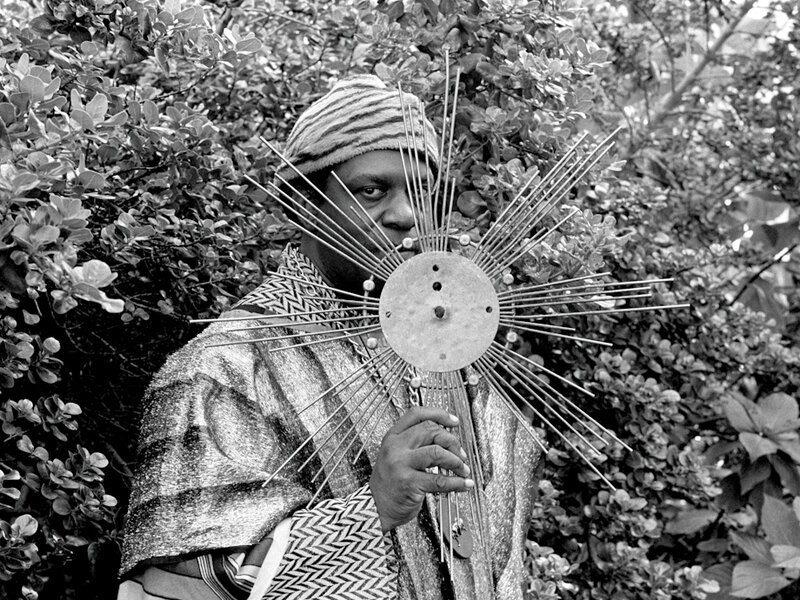
- The Cosmic Genesis (1950s–1970s): Long before electronic subcultures adopted the mask, jazz visionary Herman Poole Blount—known universally as Sun Ra—pioneered Afrofuturism. Leading the Sun Ra Arkestra, he fused avant-garde jazz with ancient Egyptian iconography and science-fiction theology, convincing audiences that he originated from Saturn.
- The Masked Vanguard (1970s–1990s): The avant-rock collective The Residents stripped away individual identity entirely, wearing giant eyeball masks and top hats to shift focus exclusively onto their conceptual audio-visual output. Simultaneously, the Cocteau Twins introduced glossolalia—singing in a language of pure emotion rather than defined syntax—laying the groundwork for dream pop.
- The Electronic Enigmas (1990s–2000s): As dance music claimed the global underground, figures like Aphex Twin (Richard D. James) and Boards of Canada weaponized nostalgia and unease. James’s warped self-portraits and sparse press coverage positioned him as a technological trickster, while Boards of Canada wove public service broadcasts and VHS degradation into a haunting, liminal tapestry.
- The Cyber-Mutants and Digital Mythologies (2010s–Present): Artists like Grimes, Arca, and Yves Tumor modernized the blueprint of pop-adjacent experimentalism, blending cyberpunk aesthetics, non-binary androgyny, and aggressive sonic mutation. Now, in 2026, acts like Angine de Poitrine and Snapped Ankles have taken the torch, proving that anonymity and high-concept theatricality remain the ultimate antidote to modern overexposure.
Supporting Context & Metrics: Deconstructing the Otherworldly Appeal
Why do listeners persistently gravitate toward artists who shroud themselves in secrecy? According to cultural analysts and music psychologists, the appeal lies in the psychological sanctuary of the unknown.
In a digital landscape where every artist’s daily life, political stance, and creative process is broadcast in real time, mystery has become a scarce commodity. Artists who adopt altered states, alien personas, or strict anonymity create a psychological safe space for the listener. When a project is divorced from the ego and biography of a standard pop star, the music becomes a tabula rasa.
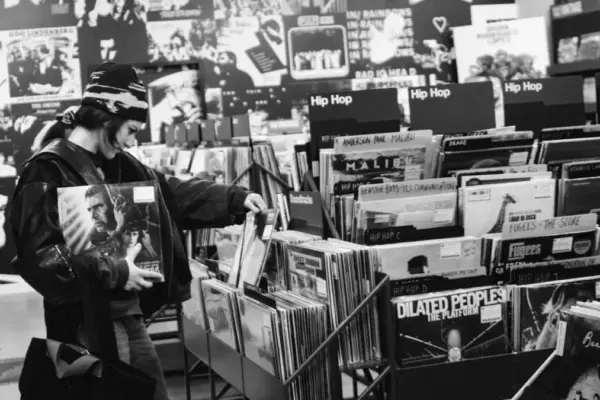
Furthermore, data from independent retail platforms highlights a surge in physical media purchases tied to high-concept world-building. Limited-edition vinyl packages, cryptic liner notes, and ARG (Alternate Reality Game) marketing campaigns—such as those surrounding Boards of Canada’s archival releases or the viral spread of Angine de Poitrine’s KEXP performances—drive extraordinary community engagement on platforms like Reddit and specialized Discord servers. These communities do not merely consume music; they excavate it, treating every album release as an archaeological dig into an alternate reality.

Official Statements & Artist Deep Dives
Angine de Poitrine
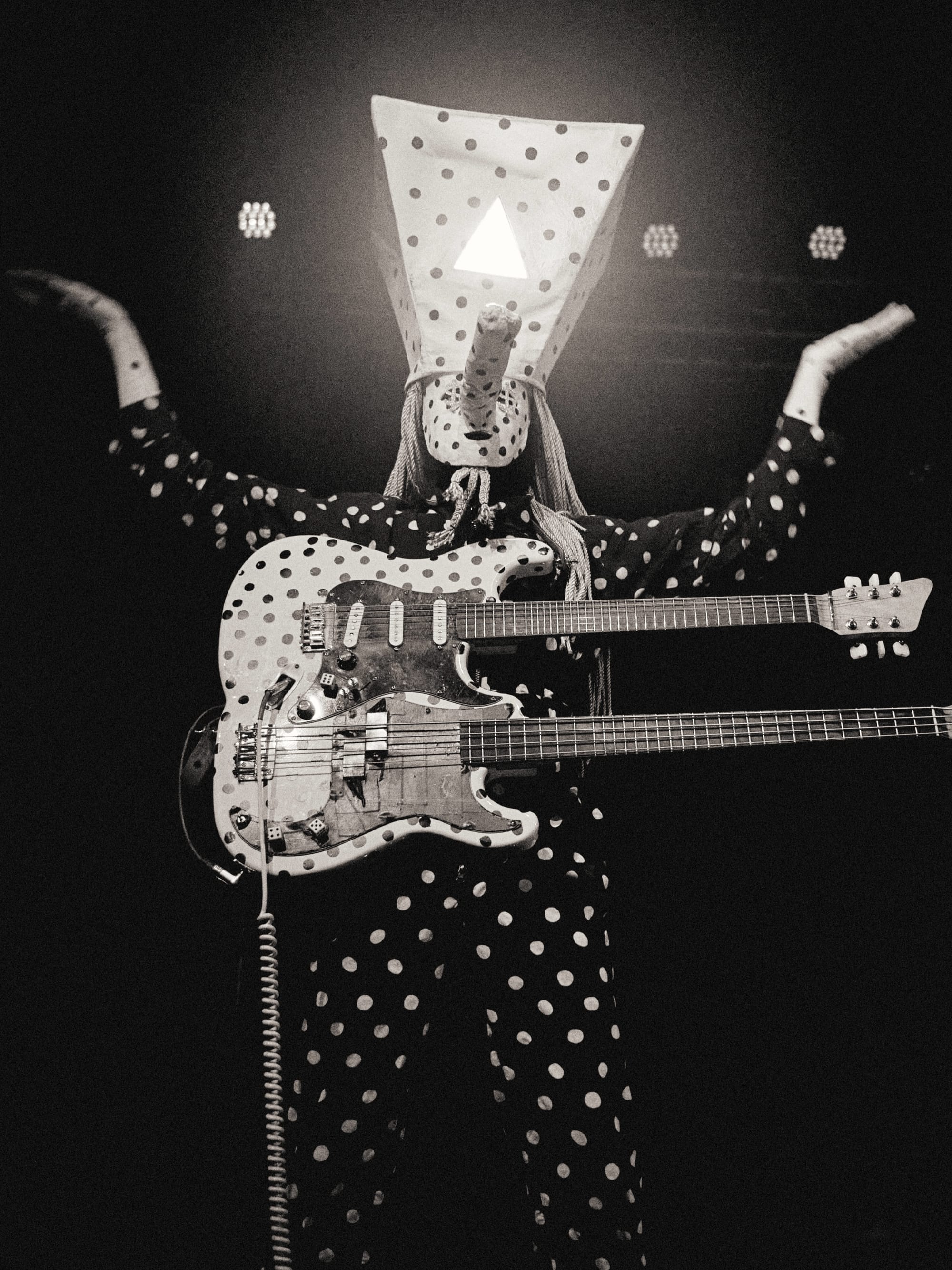
By adopting iconic polka-dotted personas, French-Canadian math-rock and microtonal duo Angine de Poitrine have rapidly amassed a devoted cult audience. Their 2026 performance on KEXP proved to be a viral inflection point, capturing the imagination of generations of music lovers—though their live audiences still skew heavily toward an illuminati of discerning crate-diggers. Operating in DIY monochromatic outfits and conversing in a real, self-invented "alien tongue," the duo never breaks character. As critics have noted: "Like Daft Punk or The Residents, the focus is shifted onto their music, as if they really landed on this planet with one purpose only: to change the face of rock as we know it."
Boards of Canada
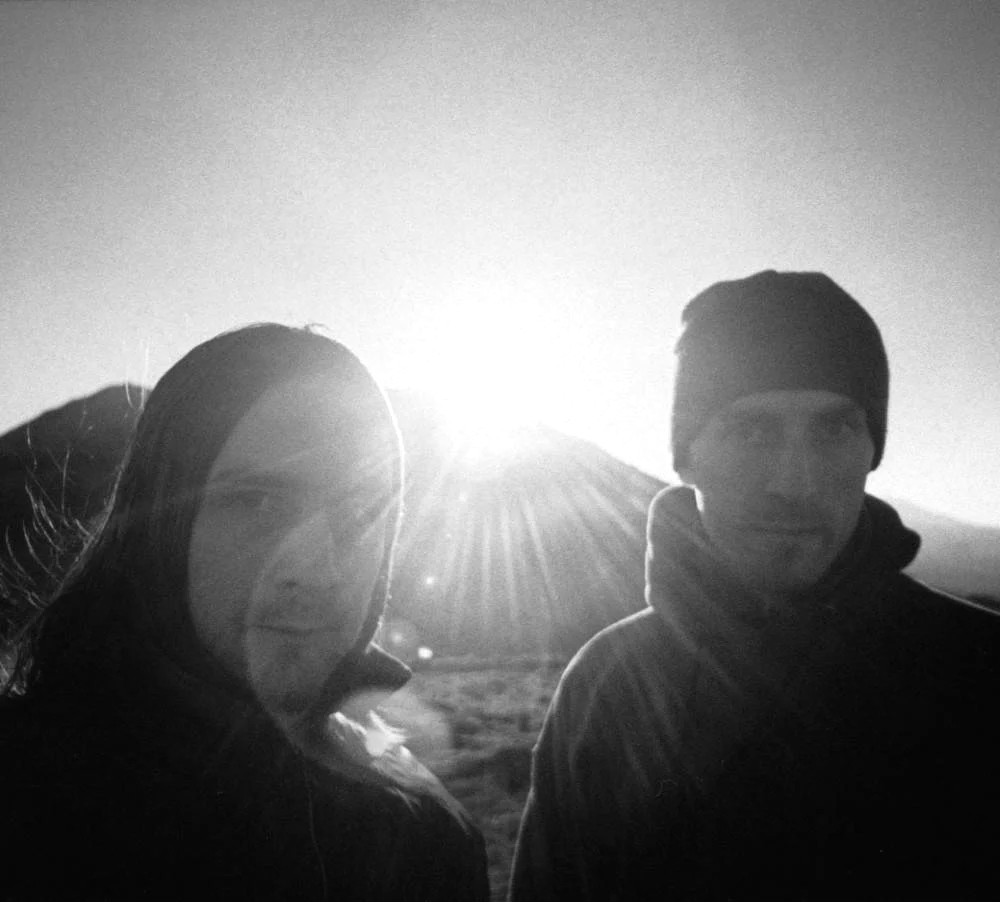
Operating in the shadowlands between analogue warmth and pastoral apocalypse, Boards of Canada continue to define the term "hauntalogical." Their heavy sampling of vintage media places listeners directly into liminal, surreal spaces. Capturing a darker cultural zeitgeist, their 2026 return directly inspired director Kane Parsons, who utilized their track The World Becomes Flesh for the end credits of A24’s hit horror feature Backrooms.
Arca & Björk
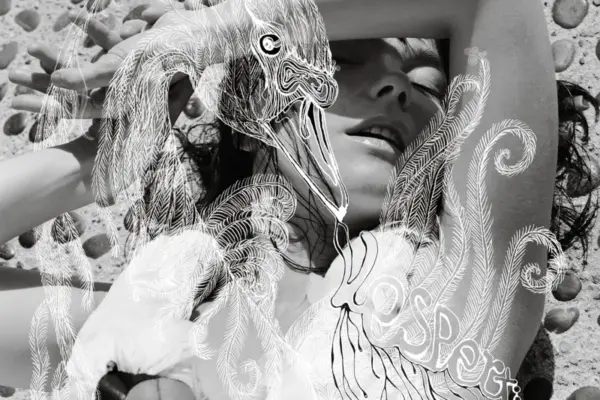
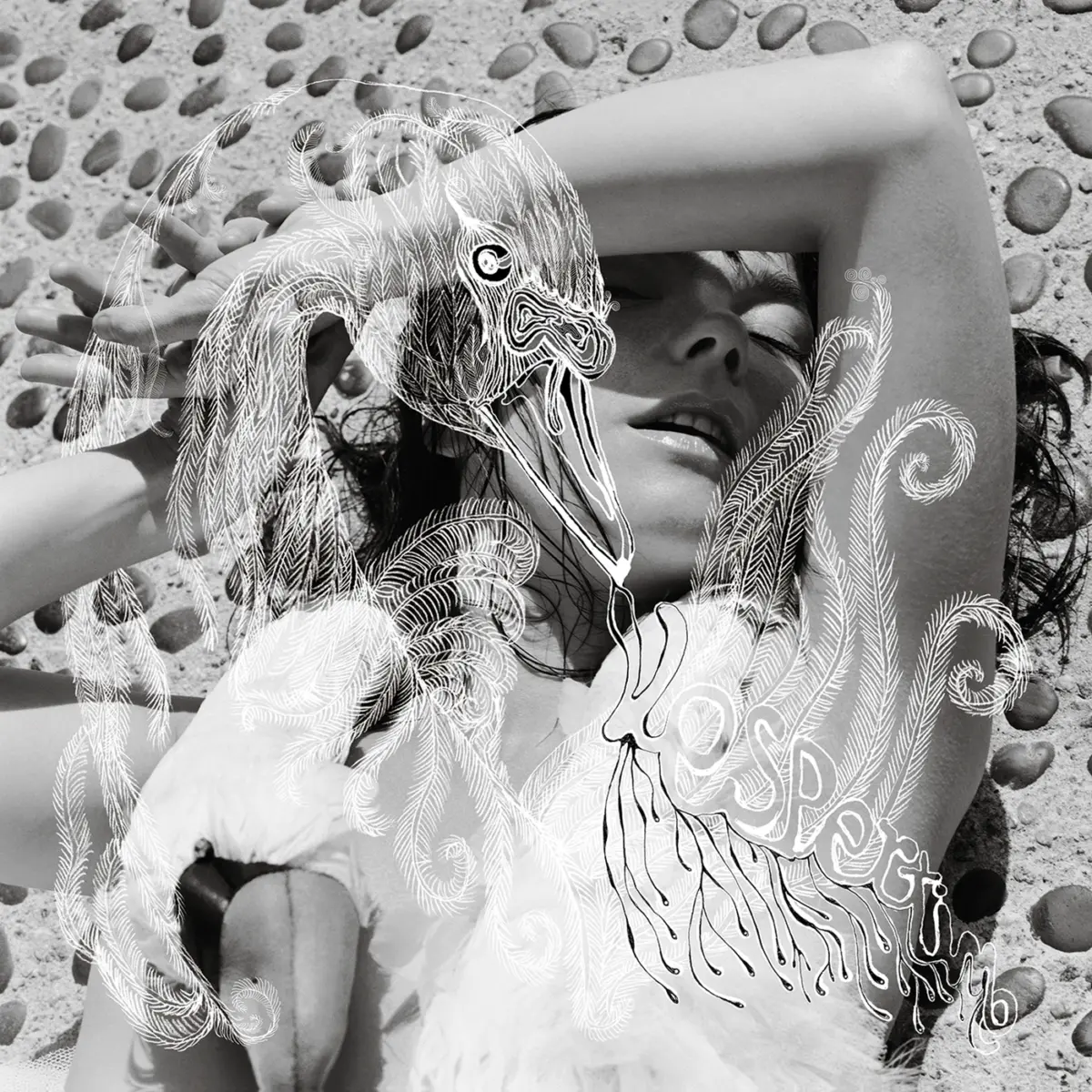
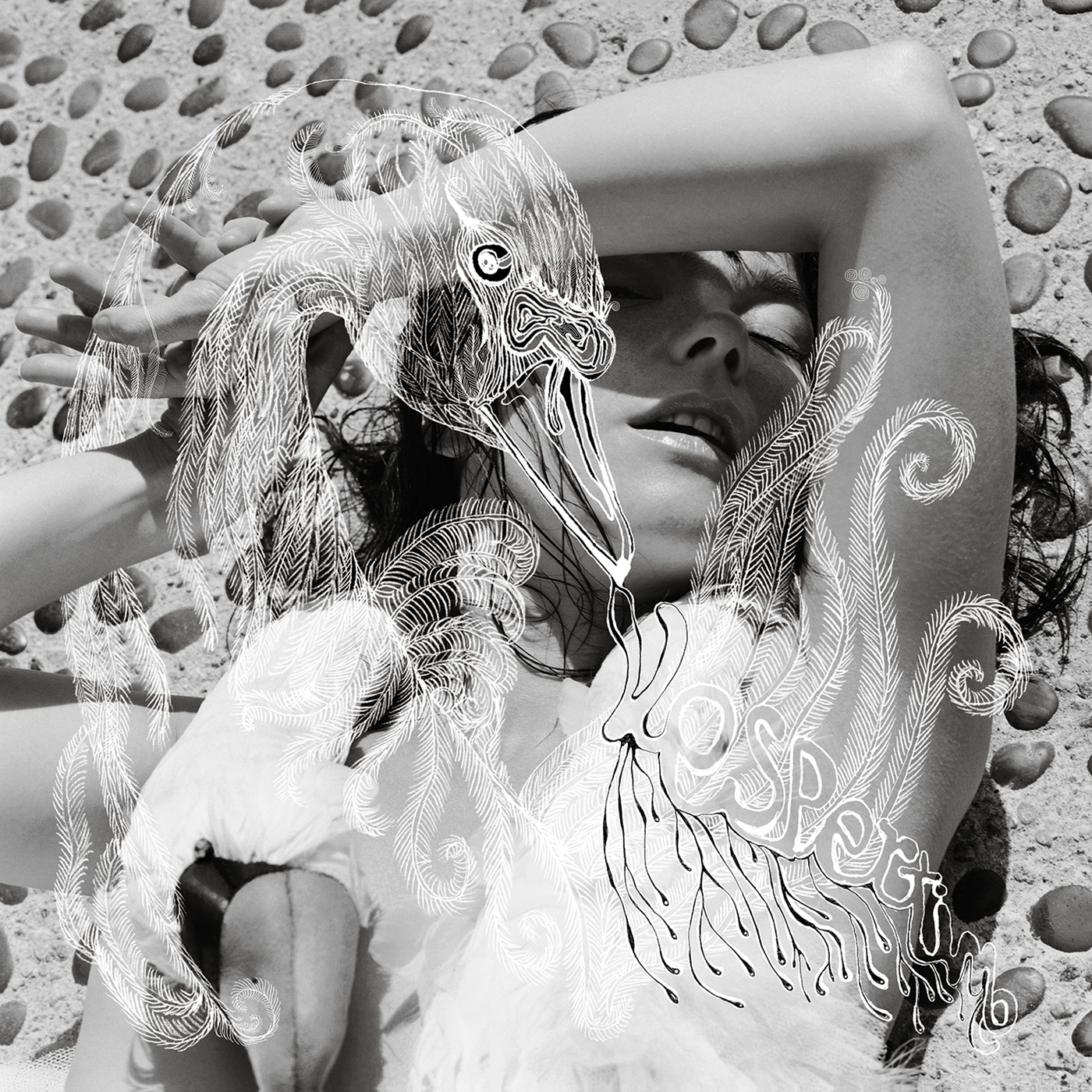
Venezuelan shapeshifter Arca has spent eleven studio albums building a universe defined by metallic percussion, warped vocals, and the radical deconstruction of gender and genre. Marking her first full-length project in five years, her 2026 album XXXXX returns to the aggressive, boundary-pushing spirit of her early mixtapes. Similarly, Iceland’s Björk has long maintained a singular intersection of nature, technology, and guttural linguistic abstraction, offering listeners a portal to a pre-human, deeply elemental alternative reality.
Aphex Twin & Sun Ra
Reflecting on the pursuit of untravelled paths, Richard D. James once articulated the ultimate ambition of the outsider artist to Pitchfork: "The holy grail for a music fan, I think, is to hear music from another planet, which has not been influenced by us whatsoever." This sentiment echoes the foundational ethos of Sun Ra, whose cosmic jazz rituals permanently dissolved the boundary between performance and science fiction.
Snapped Ankles, Grimes, Yves Tumor, and Cocteau Twins
Whether channeling the feral, arboreal energy of woodland spirits via ghillie-suit post-punk (Snapped Ankles), fusing cyberpunk mythology with digital pop (Grimes), embodying the androgynous punk sensuality of a modern Ziggy Stardust (Yves Tumor), or crafting impressionistic dream pop via glossolalic vocalizations (Cocteau Twins), these artists share a single unifying trait: they refuse to let reality get in the way of a superior vision.
Future Outlook: Meet Your Next World-Building Obsessions
As we look deeper into the latter half of the decade, the appetite for high-concept, genre-fluid artifice shows no sign of abating. A new generation of sonic extraterrestrials is currently rising through the underground, promising to warp our listening habits for years to come.
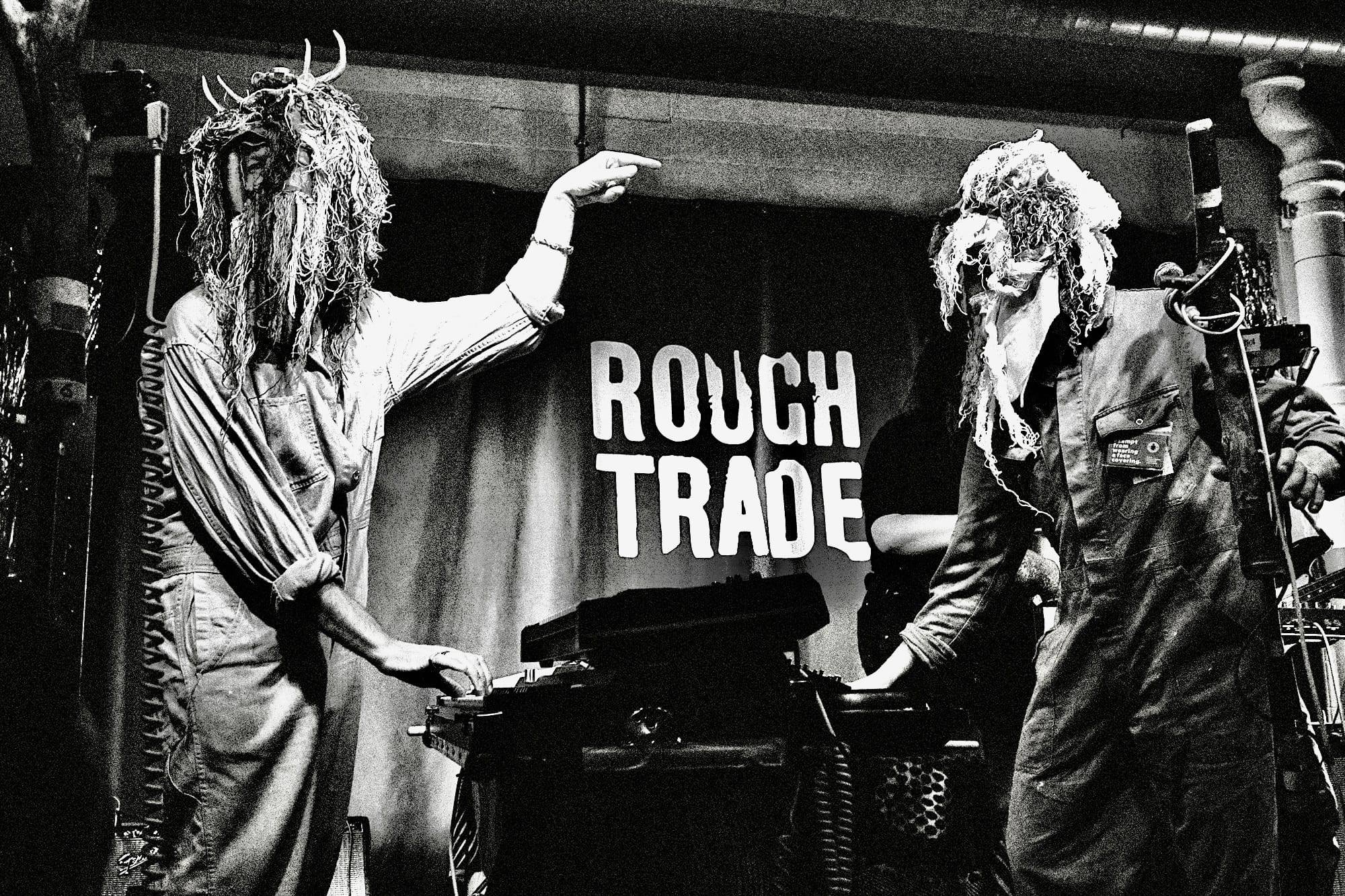
Keep your sensors tuned to the frequencies of:
- Magdalena Bay
- yeule
- Jawnino
- Deer park
- KAVARI
- Murex
- Jane Remover
- horsegiirL
- Blawan
- Two Shell
- Pollyfromthedirt
- Model/Actriz
- Scaler
These are not merely musical acts; they are architects of alternate dimensions. As long as the terrestrial world remains mundane, unpredictable, and overexposed, these artists will provide the necessary escape hatch—proving that, in the right hands, sound remains our most powerful vehicle for interstellar travel.