"Music is the only thing that will give and give and give and not take."
— Amy Winehouse
Executive Overview
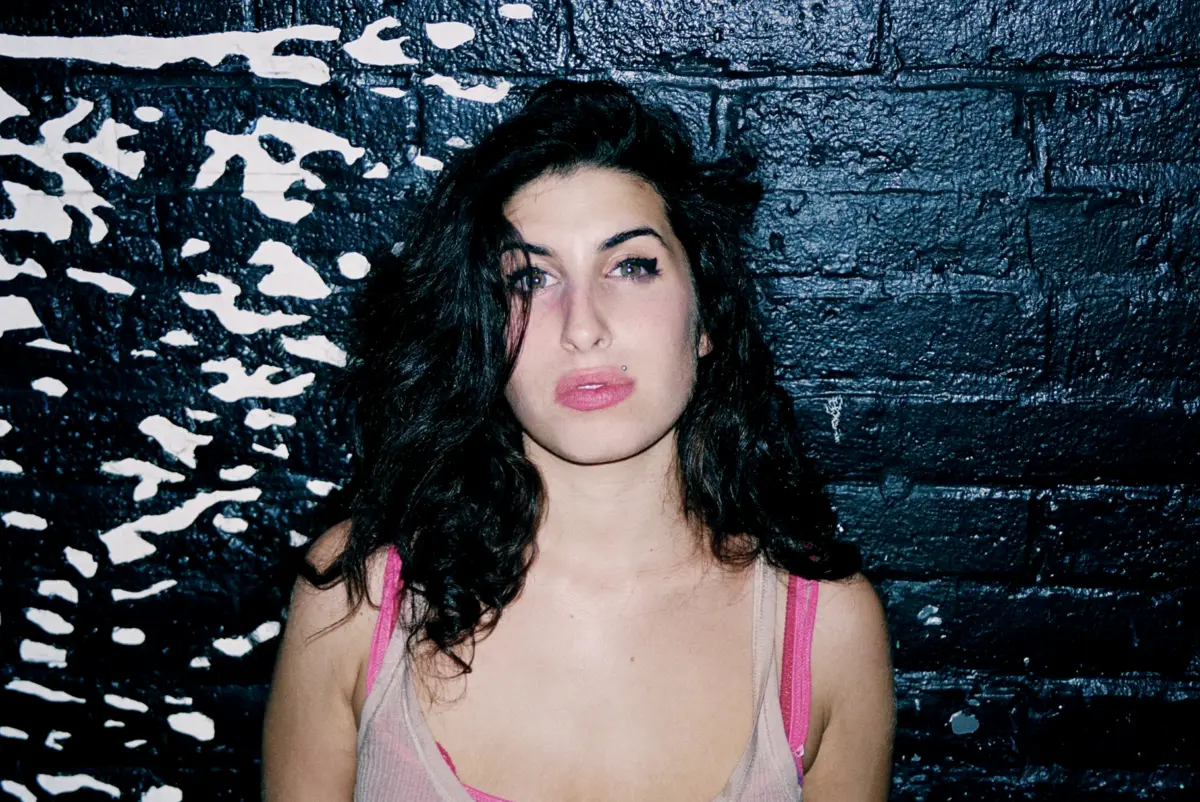
Fifteen years after her tragic passing on July 23, 2011, the voice of Amy Winehouse remains startlingly immediate—intimate, razor-sharp, heavily jazz-schooled, and entirely irreplaceable. In an era dominated by algorithmic pop and hyper-polished vocal production, Winehouse stands as a monument to raw, unfiltered humanity. Though she released only two studio albums during her lifetime, her seismic influence stretches far beyond the modest size of her official catalogue. She fundamentally shifted the trajectory of British soul, reintroduced complex jazz phrasing into the bloodstream of mainstream pop, and proved that brutally honest, conversational songwriting could achieve universal resonance.
Her legacy echoes clearly today in the work of contemporary trailblazers like RAYE, Olivia Dean, Billie Eilish, Celeste, and Lola Young. These artists do not merely imitate her aesthetic; rather, they inherit her artistic freedom—the license to seamlessly blend classic musical lineages with the messy realities of modern life. As we reflect on a decade and a half without her physical presence, the enduring vitality of her art forces us to confront both the breathtaking heights of her genius and the heavy cost of the machinery that surrounded her.
Detailed Chronology: The Evolution of a Legend
The Early Years and Musical Education: A Foundation in Jazz
Born into a North London family steeped in music, Amy Winehouse’s artistic DNA was shaped early on by her father, Mitch Winehouse, whose extensive record collection introduced her to the royalty of mid-century American jazz and soul. Long before she stepped foot in a professional recording studio, young Amy was absorbing the phrasing, cadence, and emotional depth of Frank Sinatra, Dinah Washington, and Sarah Vaughan.
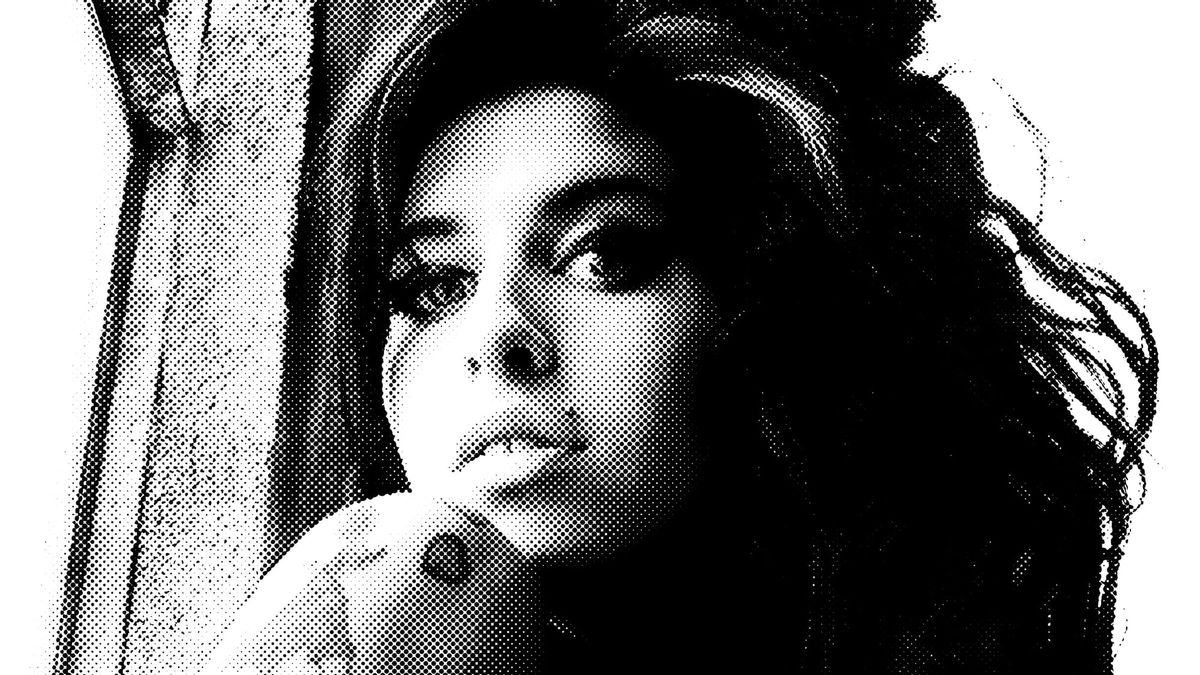
This deep-rooted musical education became the bedrock of her instinctive, highly sophisticated sound. Rather than adhering strictly to genre boundaries, Winehouse moved fluidly across a vast sonic landscape. She effortlessly blended classic soul, traditional jazz, contemporary R&B, Jamaican reggae, ska, and the sweeping, dramatic pop of 1960s girl groups. Her vocal delivery was never merely about hitting the right notes; it was about storytelling through inflection, timing, and an emotional transparency that felt almost dangerous in its vulnerability.
Frank (2003): The Arrival of a Fully Formed Prodigy
At just 19 years old, Winehouse signed with Island Records and released her debut album, Frank, in 2003. The signing itself is the stuff of music industry lore: Darcus Beese, an executive at the label, stumbled across Amy’s vocals on a promotional recording intended for an entirely different artist. Instantly captivated by the arresting maturity of her voice, Beese spent months tracking down the mysterious young singer—a fateful pursuit that changed the landscape of modern popular music.
Frank introduced the world to an artist who possessed a fully formed musical identity straight out of the gate. Backed by production from Salaam Remi, Commissioner Gordon, and Jimmy Hogarth, the album gave Winehouse ample room to maneuver. Hip-hop-influenced beats sat comfortably alongside upright bass lines, live brass sections, acoustic guitars, and complex jazz harmonies. Winehouse’s voice danced across these arrangements—sometimes slipping casually behind the rhythm, other times darting defiantly ahead of it.
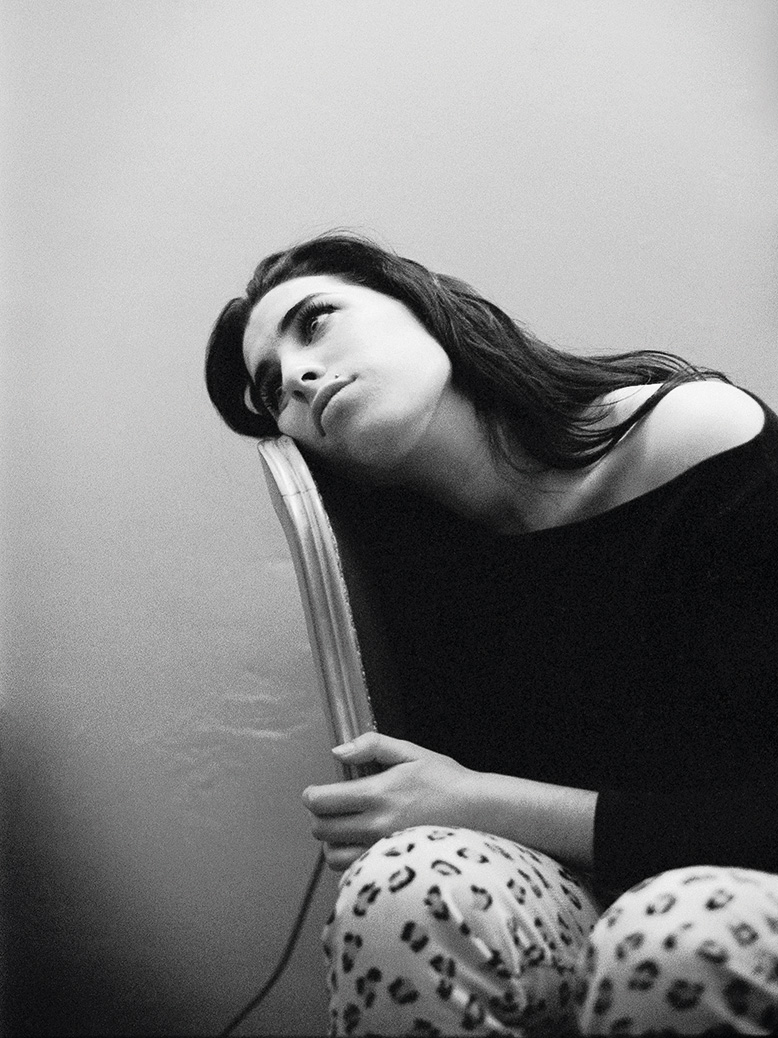
The artistic intent driving Frank was articulated by Winehouse herself years earlier, in a handwritten application to the Sylvia Young Theatre School when she was just twelve years old: "I want people to hear my voice and just forget their troubles for five minutes." Unflinchingly honest, jazz-infused, and utterly uncompromising, Frank announced the arrival of an artist who was wholeheartedly herself, both in her art and in her everyday life.
"I don’t need help because if I can’t help myself, I can’t be helped."
— Amy Winehouse
Back to Black (2006): An Era-Defining Masterpiece
He walks away, the sun goes down
He takes the day, but I’m grown (I’m grown)
And in your way, in this blue shade
My tears dry on their own
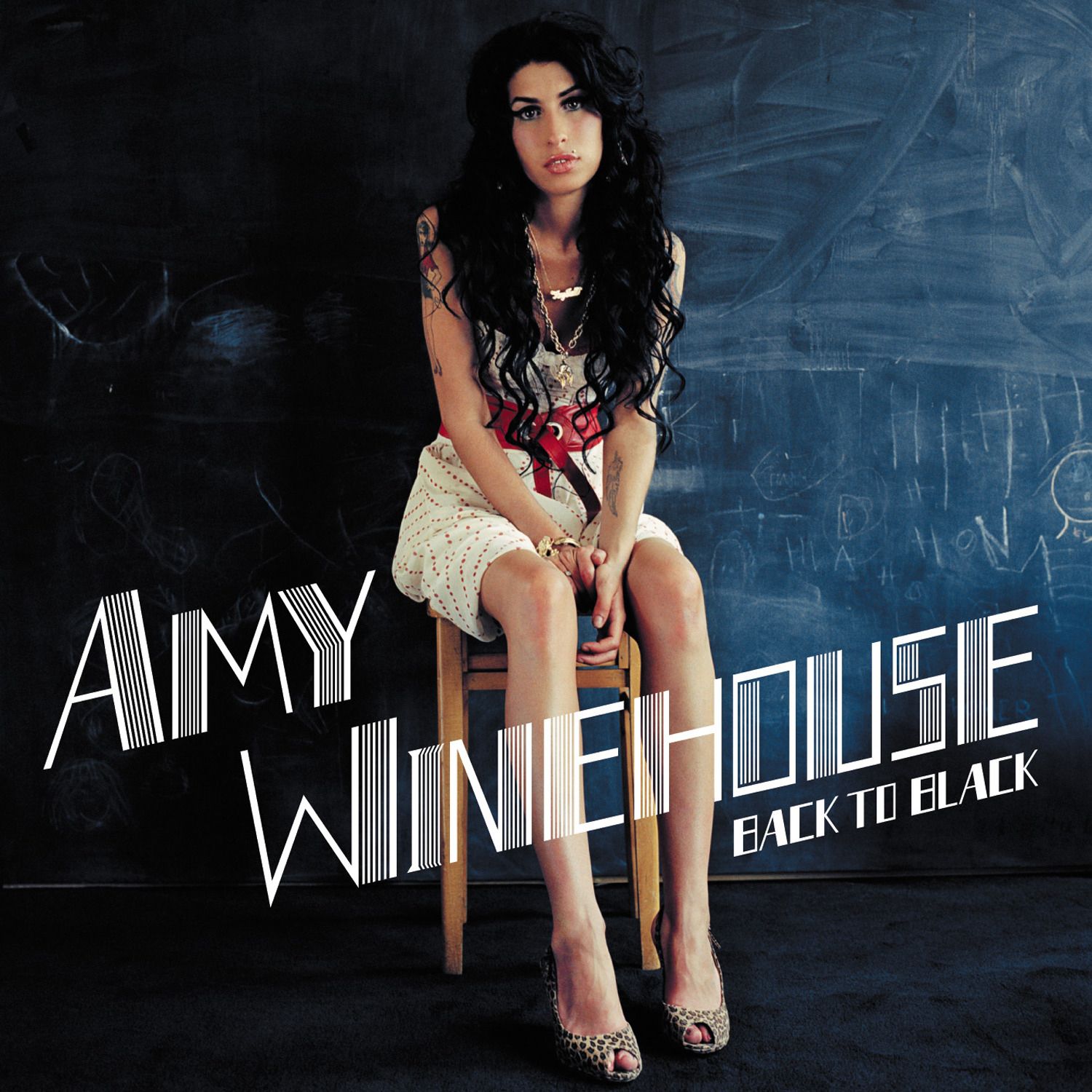
If Frank established her as a prodigious talent, 2006’s Back to Black cemented her as one of the definitive musical icons of the 21st century. Collaborating with producer Mark Ronson and the legendary Dap-Kings, Winehouse harnessed the punch, swagger, and sweeping grandeur of 1960s soul. Meanwhile, Salaam Remi returned to help maintain the warmth and rhythmic looseness that had characterized her debut. At the center of these contrasting yet complementary approaches was Winehouse’s voice—conversational and cheeky one moment, utterly devastating the next.
The record’s classic soul arrangements framed writing that was direct, fiercely modern, and intensely personal. Heartbreak was laced with sharp, self-deprecating humor; deep vulnerability sat side-by-side with hard-earned pride; and acute regret arrived hand-in-hand with an unflinching degree of self-awareness. Winehouse refused to sanitize difficult emotions or make her pain polite for public consumption. That refusal to pander is precisely why her music continues to forge such a visceral connection with listeners across generations.
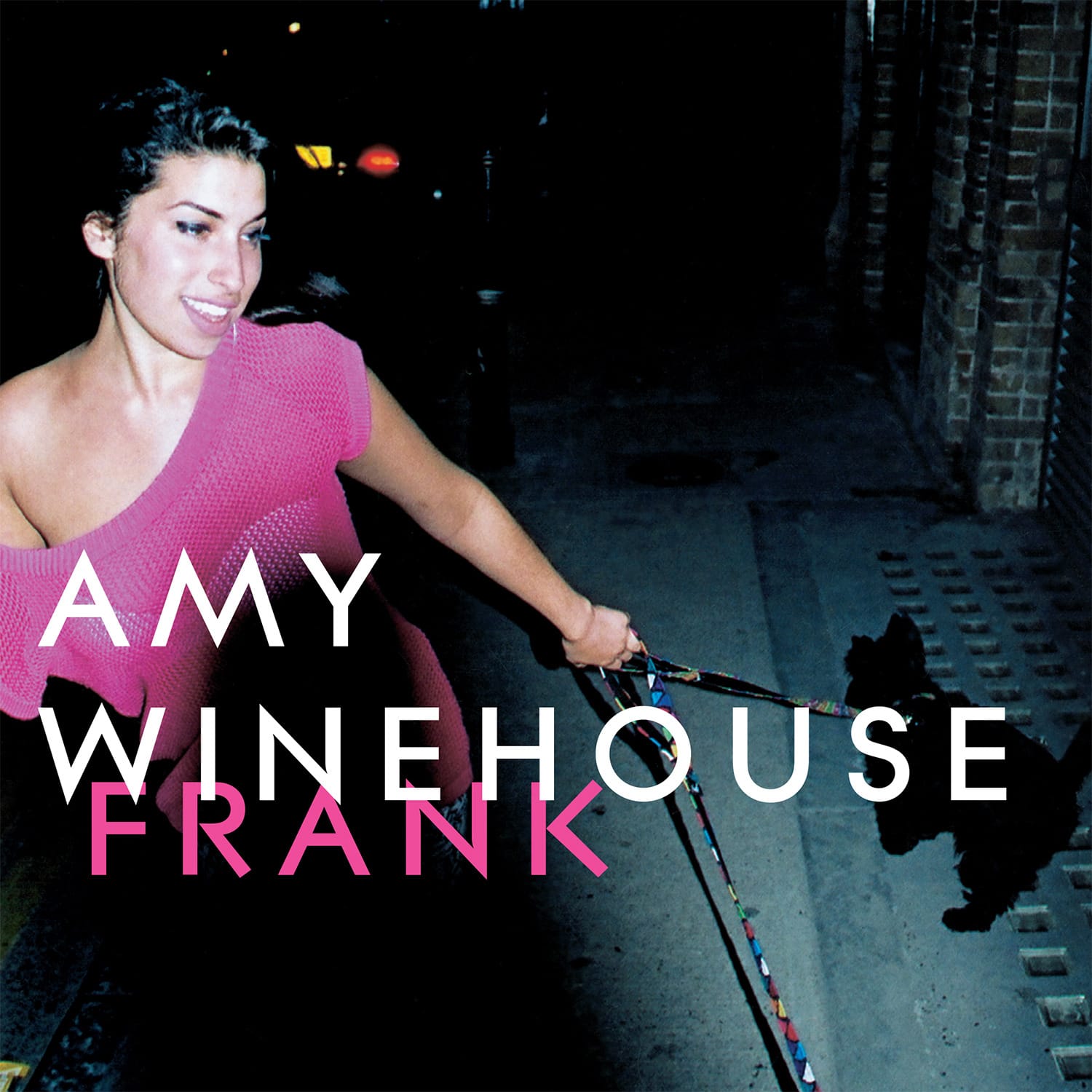
As her career ascended to dizzying new heights, Winehouse’s personal life grew increasingly complex. Her well-documented battles with substance abuse and her famously defiant resistance to traditional intervention heavily influenced the lyrical topography of Back to Black. Rather than shying away from her demons, she weaponized them into some of the most searingly honest lyricism in pop history. The album propelled her to international superstardom, culminating in a historic night at the 2008 Grammy Awards, where she garnered six nominations and walked away with five trophies.
Two decades on from its release, Back to Black remains a foundational pillar of modern music—a certified classic and a definitive Rough Trade Essential.
Lioness: Hidden Treasures (2011): The Posthumous Postscript
"I live to go on stage. I would be on tour for the rest of my life if I could be."
— Amy Winehouse
Following her tragic and untimely passing in July 2011, the producers and musicians who had worked most closely alongside her began the delicate task of sifting through the vast archive of recordings Winehouse had compiled before, during, and after the eras of Frank and Back to Black. Longtime collaborators Salaam Remi and Mark Ronson realized they were sitting on a trove of material that demanded to be heard by the public.
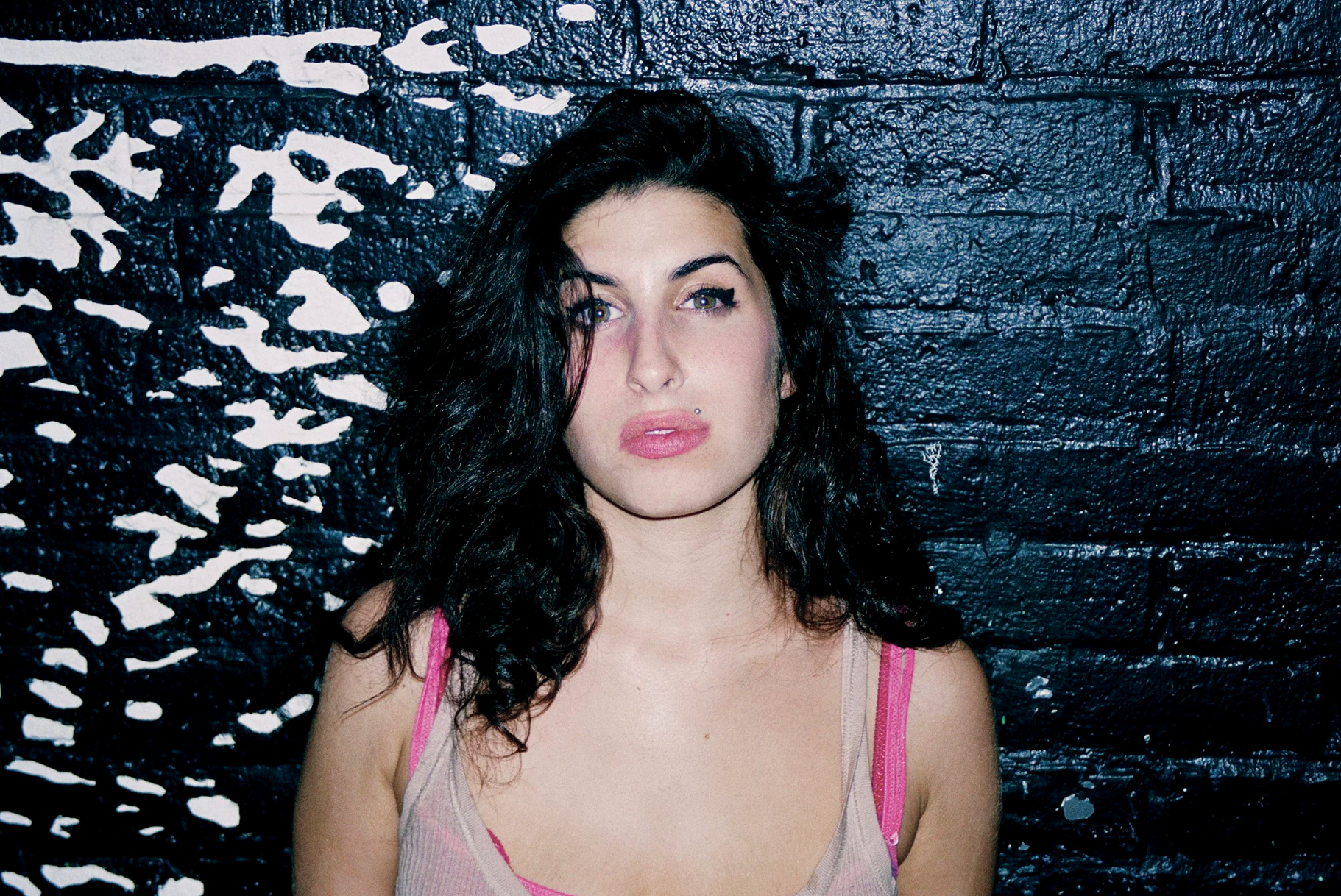
Released posthumously via Island Records, Lioness: Hidden Treasures served as a poignant final chapter. The 12-track collection brought together previously unreleased songs, alternate stripped-back versions of established classics, and a handful of brand-new compositions. Far from feeling like a cynical cash-in, the album offered a tender, illuminating glimpse into her creative process, showcasing an artist whose interpretive genius extended far beyond her primary studio albums.
Supporting Context & Metrics: Cultural Footprint and Industry Impact
To truly understand the magnitude of Amy Winehouse’s legacy, one must examine the statistical and cultural footprint she left behind in a remarkably short span of time:
- Grammy Triumph: With her five Grammy wins in 2008—including Record of the Year, Song of the Year ("Rehab"), and Best New Artist—Winehouse set a record at the time for the most wins by a British female artist in a single night.
- Streaming Longevity: Fifteen years after her passing, Winehouse commands tens of millions of monthly listeners on streaming platforms globally, proving that her appeal has transcended the physical CD and vinyl eras to become truly evergreen.
- Critical Consensus: Both Frank and Back to Black frequently place near the summit of "Greatest Albums of All Time" polls conducted by publications such as Rolling Stone, NME, and Pitchfork.
- Kinship with Modern Icons: The lineage of British soul and jazz-pop pioneered by Winehouse directly paved the way for commercial and critical juggernauts. RAYE’s triumphant, brass-heavy, emotionally raw 2023 album My 21st Century Blues and Adele’s early vocal stylings both trace their artistic lineage directly back to the sonic blueprint Winehouse laid down in the mid-2000s.
Official Statements and Cinematic Interpretations
The cultural fascination with Winehouse’s life and art has inevitably spilled over into the cinematic realm, prompting attempts to capture her lightning-in-a-bottle genius on the silver screen.
In 2015, Asif Kapadia delivered the definitive cinematic portrait with his Academy Award-winning documentary, Amy. Eschewing traditional talking-head interviews, Kapadia constructed an intimate, archive-led narrative that stripped away the tabloid headlines, returning the artist’s agency, humanity, and musical brilliance directly to the audience.
Nearly a decade later, director Sam Taylor-Johnson approached the subject from a narrative fiction perspective with the 2024 biopic Back to Black. While the film introduced Winehouse’s turbulent story and timeless music to an entirely new generation of fans, it also underscored the nearly impossible challenge of recreating her unmistakable musical world on film. For those seeking a deeper dive into how that sonic world was translated to the screen, music producer Giles Martin and music supervisor Iain Cooke offered profound insights in their dedicated In Conversation feature, exploring the meticulous labor required to honor a voice as singular as Winehouse’s.
Future Outlook: Then, Now, Always
"I don’t ever want to do anything mediocre. I want to be different, definitely. I’m not a one-trick pony. I’m at least a five-trick pony."
— Amy Winehouse
As the years march on, the cultural conversation surrounding Amy Winehouse is slowly shifting away from the sensationalized media narratives that dogged her final years, refocusing instead where it always belonged: on the staggering brilliance of her artistry.
The best way to understand Amy Winehouse today is not through the lens of tragedy, but by returning unreservedly to the music. Whether spinning the jazz-inflected noir of Frank, losing yourself in the timeless heartache of Back to Black, or discovering the hidden gems on Lioness, her records continue to serve as masterclasses in emotional honesty and vocal execution.
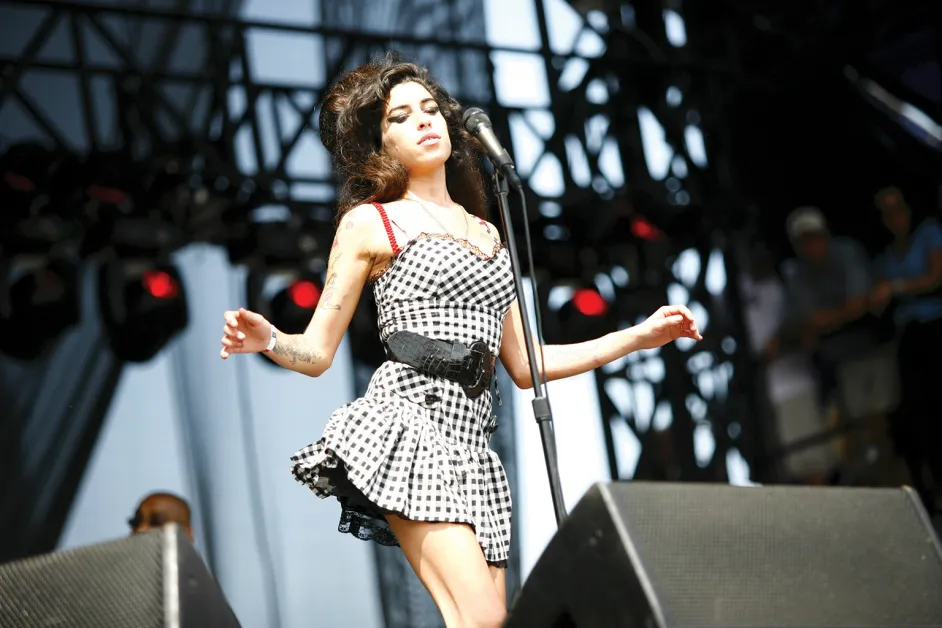
Fifteen years removed from her physical absence, her voice remains untouched by time—fearless, flawed, brilliant, and eternal. A one-of-a-kind voice, a one-of-a-kind artist, and a one-of-a-kind person. Then, now, always.