
Executive Overview
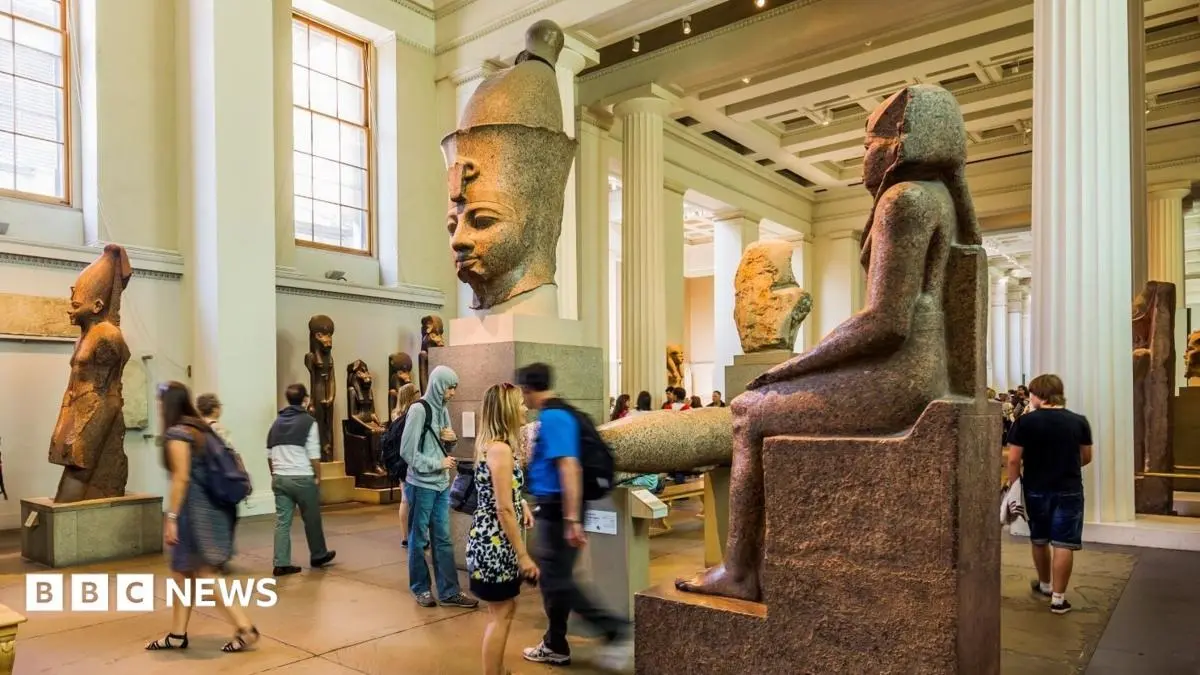
In a definitive policy reversal that preserves a cornerstone of British cultural life, the UK government has officially confirmed that England’s world-renowned national museums will remain entirely free of charge for all visitors, both domestic and international. The decision brings to a close months of intense, behind-the-scenes deliberations involving government ministers, museum directors, tourism industry leaders, and local authorities who were tasked with exploring whether introducing a tiered admission fee for foreign tourists could alleviate mounting financial pressures within the heritage sector.
The Department for Digital, Culture, Media and Sport (DCMS) concluded that while the introduction of tourist-specific charges might offer short-term financial relief to select high-profile institutions, it ultimately risked severe negative externalities. Chief among these concerns was the potential to deter domestic visitors—thereby undermining broader social inclusion goals—and the reality that any financial benefits would be distributed unevenly across the sector, disproportionately benefiting a handful of massive London-based institutions while starving regional counterparts of vital footfall and support.
Universal free admission has been a defining characteristic of England’s 15 national museums—12 of which are located in the capital—since the policy was first instituted across the board in 2001. This recent debate, however, exposed the acute economic strain under which many of these cultural custodians currently operate. Surging operational costs, post-pandemic recovery challenges, and static public subsidies have forced cultural leaders to look creatively at revenue generation.
While the government’s final verdict has been warmly welcomed by museum directors and cultural purists who view open-door policies as a fundamental civic right, it also places renewed pressure on policymakers to address the systemic funding gaps facing the sector. Rather than shifting the financial burden onto international tourists, the government has pointed to a broader package of capital investments and strategic frameworks designed to secure the long-term financial viability of the nation’s cultural crown jewels.
Detailed Chronology: From Financial Review to Policy Reversal
To understand how the debate over museum admissions reached the desks of senior government ministers, it is necessary to examine the timeline of financial pressures and policy reviews that shaped the discourse over the past several years.
The Spark: The Hodge Review and Post-Pandemic Realities
The conversation surrounding international admission fees gained serious momentum following the publication of an independent review last year. Led by former Labour minister Baroness Margaret Hodge, the review was commissioned to evaluate the financial resilience of the UK’s cultural infrastructure in the wake of the COVID-19 pandemic and subsequent inflationary shocks.
Baroness Hodge’s report suggested that exploring a charging model specifically tailored for international tourists could significantly boost institutional finances. The report explicitly pointed to international benchmarks, noting that charging foreign visitors "would align the UK with other countries, such as New Zealand and Singapore," where dual-pricing models or standard tourist levies are successfully utilized to support public heritage assets.
The Government Opens the Door (March)
The conceptual shift moved from theoretical policy debate to active governmental consideration earlier this year. In March, administration officials formally announced that the DCMS would explore the viability of charging international visitors to enter national museums. The rationale was clear: with public finances tightly constrained and cultural institutions grappling with soaring energy bills, maintenance backlogs, and rising labor costs, ministers had an obligation to investigate all potential revenue streams.
This announcement immediately triggered a complex, multi-sided debate. The tourism sector raised alarms, warning that adding admission fees to world-class attractions could alter the UK’s competitive edge as a premier global destination. Simultaneously, cultural historians, educators, and local leaders voiced deep philosophical and logistical concerns regarding the implementation of a dual-pricing system.
Months of Stakeholder Consultation
Throughout the spring and summer, the DCMS spearheaded a series of intensive consultations. Discussions engaged museum trustees, directors of both major national institutions and smaller regional galleries, tourism bodies, and municipal authorities.
The central challenge for the review panel was reconciling two competing imperatives: the desperate need for sustainable museum funding versus the democratic principle of unhindered public access. As evidence was gathered from various stakeholders, it became increasingly apparent that a one-size-fits-all approach was mathematically and logistically flawed. London’s behemoths might see a net financial gain, but regional facilities feared losing the trickle-down economic benefits of international tourism, while domestic audiences worried that ticket checks and tiered pricing structures would erect psychological and financial barriers to entry.
The Definitive Verdict (Tuesday)
On Tuesday, the months of speculation were formally put to rest. The DCMS issued an unequivocal statement confirming that the universal free admission policy would remain entirely untouched.
"The government believes that charging overseas visitors could deter domestic visitors and that the impacts and benefits of charging would not be felt equally across the sector and therefore will not introduce charges for overseas visitors," the departmental spokesperson declared.
Culture Secretary Lisa Nandy reinforced the government’s ideological commitment to the policy with a powerful defense of open-access heritage. "Our museums are the places that light up the world," Nandy stated. "That’s why they must be free, forever, for everyone to access."
Supporting Context & Metrics: The Economic and Cultural Landscape
The debate over museum admission fees cannot be separated from the staggering scale of the institutions involved and their profound contribution to the broader UK economy. England’s national museums are not merely passive repositories of historical artifacts; they are massive economic engines, tourism magnets, and centers of world-class academic research.
Economic Impact and Visitor Demographics
According to DCMS data, the UK’s 15 national museums contribute in excess of £1 billion annually to the national economy. This economic footprint is generated through a combination of direct spending, job creation, supply chain multipliers, and—most importantly—the tourism ecosystem. Millions of international travelers build their UK itineraries around visits to institutions like the British Museum, the Natural History Museum, and the Victoria and Albert Museum.
The sheer volume of footfall is staggering. In 2025 alone, the Natural History Museum drew an astonishing 7.1 million visitors, while the British Museum welcomed 6.4 million. Together, these two institutions alone account for over 13.5 million visits per year, cementing London’s status as a global hub of cultural tourism.
Proponents of the scrapped fee system argued that capturing even a modest entry fee from this vast international audience—perhaps £10 to £20 per foreign adult—could have injected tens of millions of pounds directly into maintenance, conservation, and exhibition budgets. However, government modeling ultimately concluded that the introduction of friction at the gates could reduce overall visitor numbers, leading to a corresponding drop in secondary spending within museum gift shops, cafes, and surrounding hospitality businesses.
The Historical Precedent of Free Admission
The policy of universal free admission has a surprisingly modern origin. While institutions like the British Museum were founded on Enlightenment principles of universal public access—as evidenced by its founding charter in 1753 mandating that it remain open to "all studious and curious persons"—charging policies were introduced in the late 20th century under various government funding pressures.
It was not until 2001 that the Labour government of the time implemented a bold funding settlement that removed admission charges across all national museums. The immediate result was a dramatic surge in attendance—in some cases leaping by over 100% within the first year. Crucially, the policy democratization successfully broadened the demographic profile of visitors, drawing in lower-income families, young people, and local communities who had previously viewed museums as elitist or economically inaccessible spaces.
For nearly a quarter of a century, this free-access model has been treated as an untouchable social contract between the state and the citizenry. Breaking that contract, even selectively for foreign nationals, was ultimately deemed too high a political and social price to pay.
Official Statements and Industry Reactions
The government’s decision has elicited a wave of relief, nuance, and strategic pragmatism from the leaders of the nation’s foremost cultural institutions. While virtually all directors expressed delight at preserving the free-access model, many acknowledged the very real financial vulnerabilities that prompted the government’s initial review.
The Natural History Museum: A Pragmatic Perspective
Dr. Doug Gurr, Director of the Natural History Museum—which welcomed a record-breaking 7.1 million visitors in 2025—offered a sophisticated assessment of the decision. While acknowledging that his specific institution would have reaped short-term financial rewards from a targeted international fee, he endorsed the government’s holistic view of the wider sector.
"Free museums aren’t a cost to the economy—they’re a key reason the economy benefits from tourism in the first place," Dr. Gurr asserted.
He continued: "So, we’re delighted to remain free, but given the visitors we bring, there’s a strong case for reinvesting a share of any tourism revenues in the institutions that help attract them." Dr. Gurr’s commentary highlights a crucial policy alternative: rather than charging visitors at the museum gates, the government could explore redirecting a portion of broader tourism-related taxes (such as airport passenger duties or tourism levies) back into the cultural infrastructure that drives those very tourist flows.
The British Museum: Honoring a 1753 Mandate
At the British Museum, Director Nicholas Cullinan grounded his reaction in the institution’s historic, foundational ethos.
"When the British Museum was founded as the world’s first public national museum in 1753, it was to be free for ‘all persons’," Cullinan noted. "So, we are delighted by the government’s announcement that free entry for all will be maintained."
Cullinan emphasized that preserving free access is a vital affirmation of national identity and public enrichment. "This will allow everyone to enjoy and have access to our great museums across the nation as one of the things this country does so brilliantly."
Broader Sector and Tourism Responses
Representatives from the broader tourism and hospitality sectors breathed a collective sigh of relief. Industry bodies had lobbied intensely against the proposals, arguing that post-Brexit travel complexities and inflationary pressures on international travel made the UK vulnerable to losing market share to European competitors like France, Italy, and Spain—many of which operate heavily subsidized or low-cost cultural sectors.
By keeping national museum doors open without financial deterrents, the UK retains a powerful competitive selling point in global tourism marketing campaigns. International visitors can continue to plan multi-city itineraries knowing that world-class cultural exploration remains entirely accessible upon arrival.
Future Outlook: Funding Models and Long-Term Sustainability
While the decision to scrap international admission fees has successfully defended the principle of universal access, it leaves unresolved the underlying financial pressures that forced the review in the first place. Museums still require robust, predictable revenue streams to fund complex conservation work, digital modernization, building maintenance, and fair compensation for staff.
Recognizing this reality, the government used the policy announcement to outline a comprehensive financial support package designed to bolster the heritage sector without compromising its open-door ethos.
Financial Commitments and Strategic Plans
To offset the temptation of tourist ticketing, the government highlighted substantial existing and forthcoming capital injections:
- The Arts Everywhere Fund: A massive £1.5 billion initiative, which includes an allocated £760 million directed specifically toward museums and cultural spaces.
- Infrastructure Funding: A dedicated £600 million package aimed at addressing the severe maintenance backlogs, roof repairs, and climate-control upgrades required to safely house centuries-old national treasures.
- Transformation Programming: A £13.6 million museum transformation programme designed to help smaller and regional organizations innovate their business models, develop digital revenue streams, and improve operational efficiencies.
Furthermore, DCMS ministers announced they will collaborate closely with the Arts Council England and sector leaders to formulate a comprehensive, long-term strategic plan for museums. Further details regarding this strategy are expected to be unveiled in the coming months.
The Road Ahead
The debate over international admission fees has proven to be a watershed moment for English cultural policy. It forced a national conversation about the true value of heritage, the economics of tourism, and the social responsibilities of public institutions.
By ultimately choosing to protect free access, the government has reaffirmed a profound cultural value: that access to human history, scientific discovery, and artistic masterworks should be determined by curiosity, not by currency. However, as museums step into the future, the onus now rests on policymakers and cultural leaders alike to ensure that keeping the doors open does not mean leaving the institutions underfunded. The survival of these cultural beacons requires a sustainable partnership between the state, philanthropic donors, and innovative commercial enterprise—ensuring that England’s national museums continue to light up the world for generations to come.