Executive Overview
When Pink Floyd released their monumental box set, The Early Years 1965–1972, in late 2016, it was widely celebrated as an archival treasure trove. Beyond revealing rare outtakes and unreleased audio, the package forced a comprehensive critical re-evaluation of the band’s early catalog—specifically their fertile, often underrated work for the silver screen.
Between the psychedelic turmoil of 1965 and the global breakthrough of The Dark Side of the Moon in 1973, Pink Floyd functioned as one of the film world’s most sought-after musical laboratories. From their earliest performances in London’s underground art scene, the group’s music was intrinsically tied to visual mediums. The liquid light shows designed by Mike Leonard during their formative years established a visual-audio symbiosis that became their hallmark.
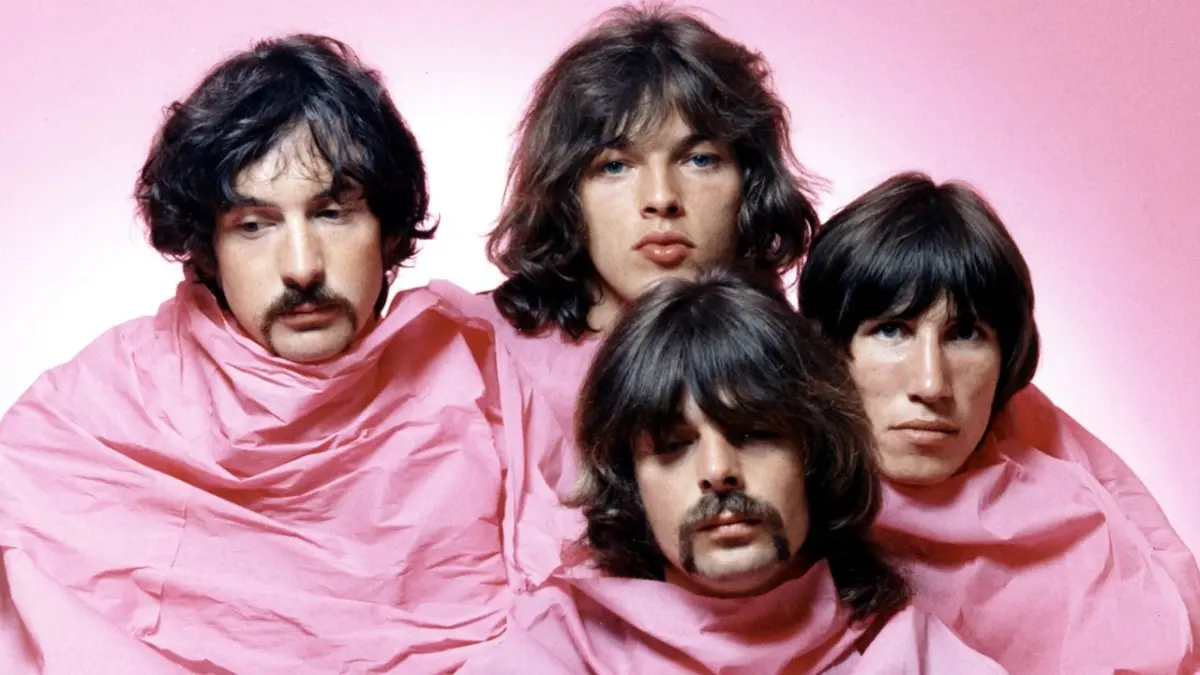
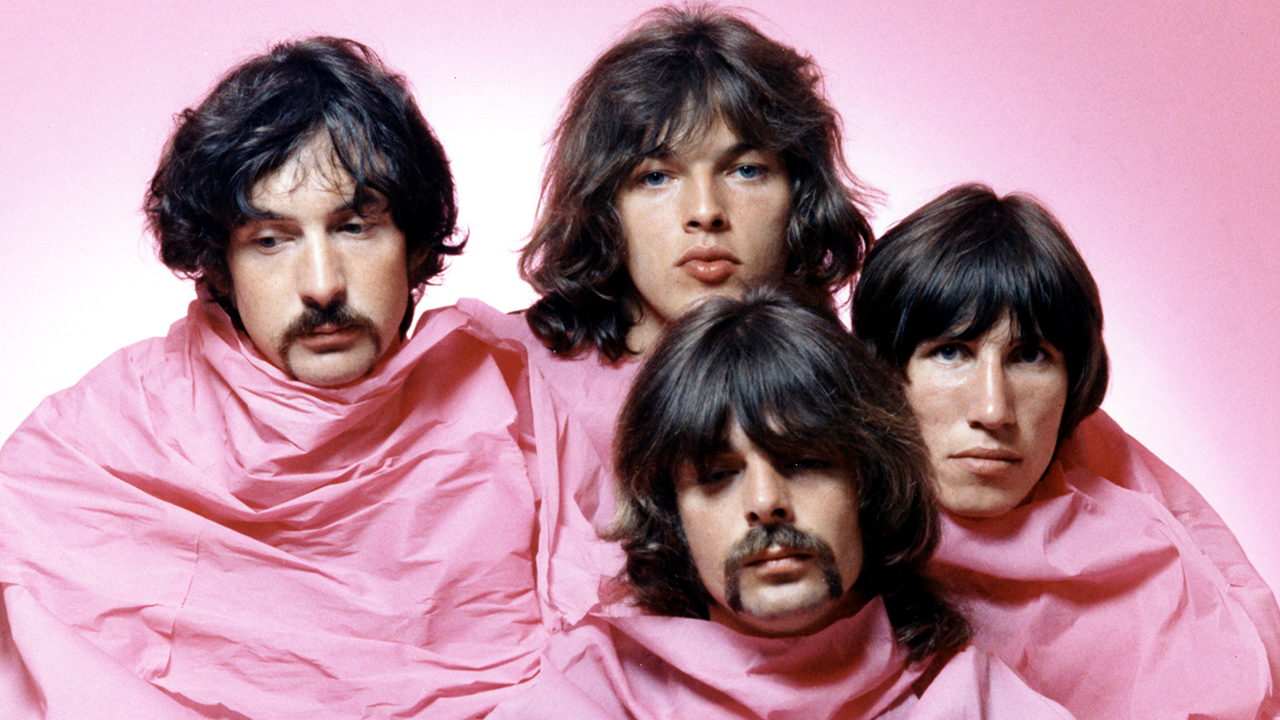
When founding frontman Syd Barrett departed in early 1968 due to mental health struggles, the remaining members—Roger Waters, David Gilmour, Nick Mason, and Richard Wright—faced an existential crisis. Lacking a conventional, pop-oriented songwriter, Pink Floyd leaned into instrumental soundscapes, atmospheric textures, and experimental recording techniques. This shift in identity transformed the group into an ideal partner for European auteur directors seeking modern, avant-garde accompaniment for the countercultural cinema of the late 1960s and early 1970s.
+-----------------------------------------------------------------------------------+
|                         PINK FLOYD CINEMATIC TIMELINE                             |
+-----------------------------------------------------------------------------------+
| 1967 | Tonite Let's All Make Love in London (Doc featuring "Interstellar Overdrive") |
| 1968 | The Committee (Minimalist score for surreal British drama)                 |
| 1969 | More (First full original soundtrack; dir. Barbet Schroeder)               |
| 1970 | Zabriskie Point (High-budget collaboration; dir. Michelangelo Antonioni)    |
| 1972 | Pink Floyd: Live at Pompeii (Concert film without an audience; dir. Maben)  |
| 1972 | La Vallée / Obscured by Clouds (Second Schroeder collaboration)             |
| 1982 | Pink Floyd – The Wall (Full narrative feature adaptation; dir. Alan Parker) |
+-----------------------------------------------------------------------------------+
Detailed Chronology
1967–1968: Underground Cinema and Avant-Garde Beginnings
Pink Floyd’s foray into cinema began within the UK’s vibrant 1960s counterculture. Director Peter Whitehead captured the band at Sound Techniques studio in Chelsea in January 1967 for his London documentary Tonite Let’s All Make Love in London. The film showcased a surging, 16-minute rendition of "Interstellar Overdrive" alongside "Nick’s Boogie," capturing the peak of London’s psychedelic era and setting the stage for their April 1967 performance at the 14 Hour Technicolor Dream at Alexandra Palace.
 early 1967                   mid-1968                   mid-1969
     |                           |                          |
     v                           v                          v
Tonite Let's All Make...   The Committee              More (Soundtrack)
[Sound Techniques studio]  [Drone soundscapes]        [Pye Studios, London]
By 1968, following Barrett’s departure, director Peter Sykes recruited the band to score The Committee, a surreal, 55-minute arthouse drama starring musician Paul Jones as a hitchhiker embroiled in an enigmatic murder inquiry. Although Sykes initially intended to collaborate directly with Barrett, the restructured four-piece delivered a series of drone-heavy, ambient soundscapes. This transitional work signaled Pink Floyd’s movement away from three-minute psychedelic singles toward expansive, atmospheric compositions.
1969: The Barbet Schroeder Collaboration and More
The band’s soundtrack work reached a turning point through their partnership with Iranian-born director Barbet Schroeder, a protégé of Jean-Luc Godard. Schroeder enlisted Pink Floyd to score his directorial debut, More, a dark drama following a young German student’s descent into heroin addiction on the island of Ibiza.
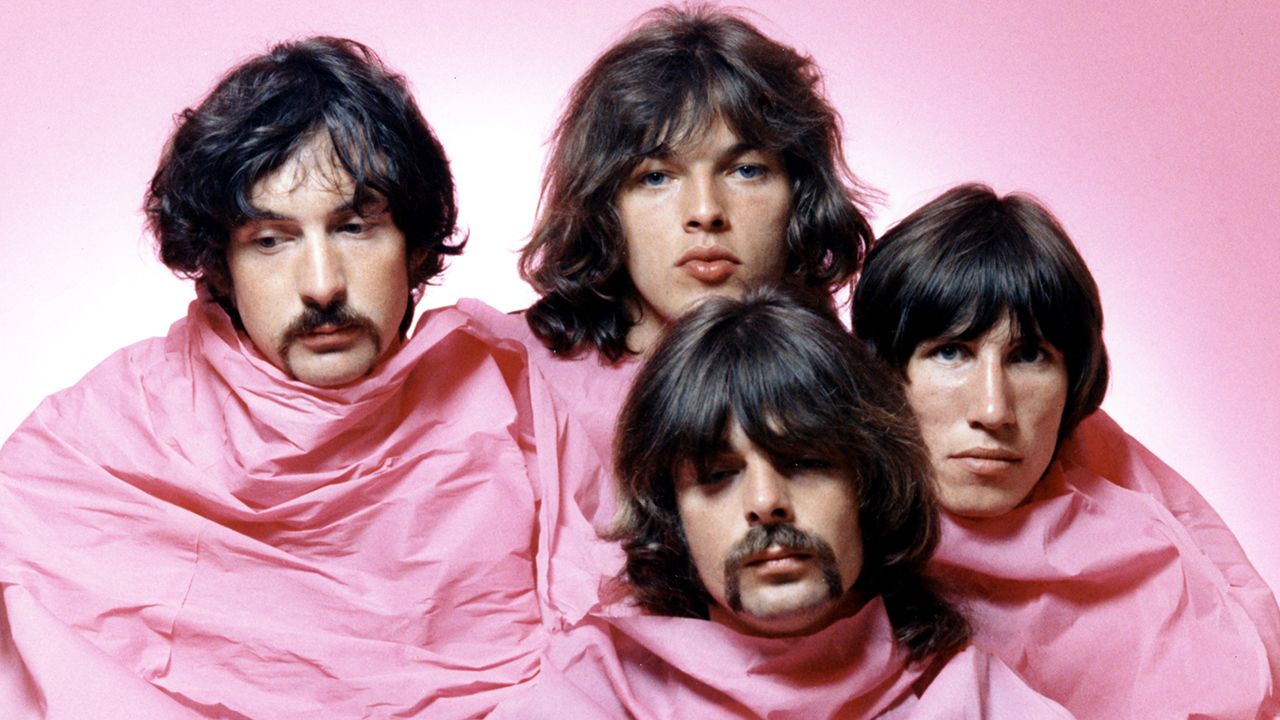
Working outside their traditional recording home at EMI’s Abbey Road, the band booked Pye Studios in Marble Arch, London. Working under severe time constraints, they watched a print of the film, calculated frame timings, and composed the entire score in just eight days.
+-------------------------------------------------------------------------------+
| KEY TRACKS FROM 'MORE' (1969)                                                 |
+-------------------------------------------------------------------------------+
| Song Title       | Musical/Narrative Significance                             |
+------------------+------------------------------------------------------------+
| "Cymbaline"      | Evolved into a centerpiece for their live concept shows.    |
| "The Nile Song"  | Unusually heavy proto-metal showcase for Gilmour's vocals. |
| "Crying Song"    | Established David Gilmour's signature acoustic slide style.  |
| "Green Is the Colour" | Highlighted Roger Waters' folk-influenced lyricism.   |
+-------------------------------------------------------------------------------+
The soundtrack introduced key elements that defined the band’s transition into progressive rock. More showcased David Gilmour’s growing voice as a lead guitarist, while tracks like "Cymbaline"—originally titled "Nightmare" in their live suite The Man and The Journey—became live staples for years to come.
1970: High-Art Tension in Rome and Zabriskie Point
Following the success of More, acclaimed Italian director Michelangelo Antonioni selected Pink Floyd to score his counterculture feature Zabriskie Point, funded by Metro-Goldwyn-Mayer. Antonioni envisioned the film as an epic critique of American consumerism, set against the backdrop of Death Valley and student uprisings.
The collaboration was fraught with creative friction. Pink Floyd spent weeks at the Hotel Palazzo Callas in Rome composing and recording extensive material, much of which Antonioni rejected for being overly grand or atmospheric.
Rome Sessions (1969)                  Final Screen Cut (1970)
+------------------------+            +------------------------------------+
| "The Violent Sequence" | --Rejected-> Refashioned into "Us and Them"     |
|                        |            | for Dark Side of the Moon (1973)   |
+------------------------+            +------------------------------------+
| "Careful with That     | --Reworked-> "Come In, Number 51, Your Time Is Up"|
|  Axe, Eugene"          |            | (Used during explosive climax)     |
+------------------------+            +------------------------------------+
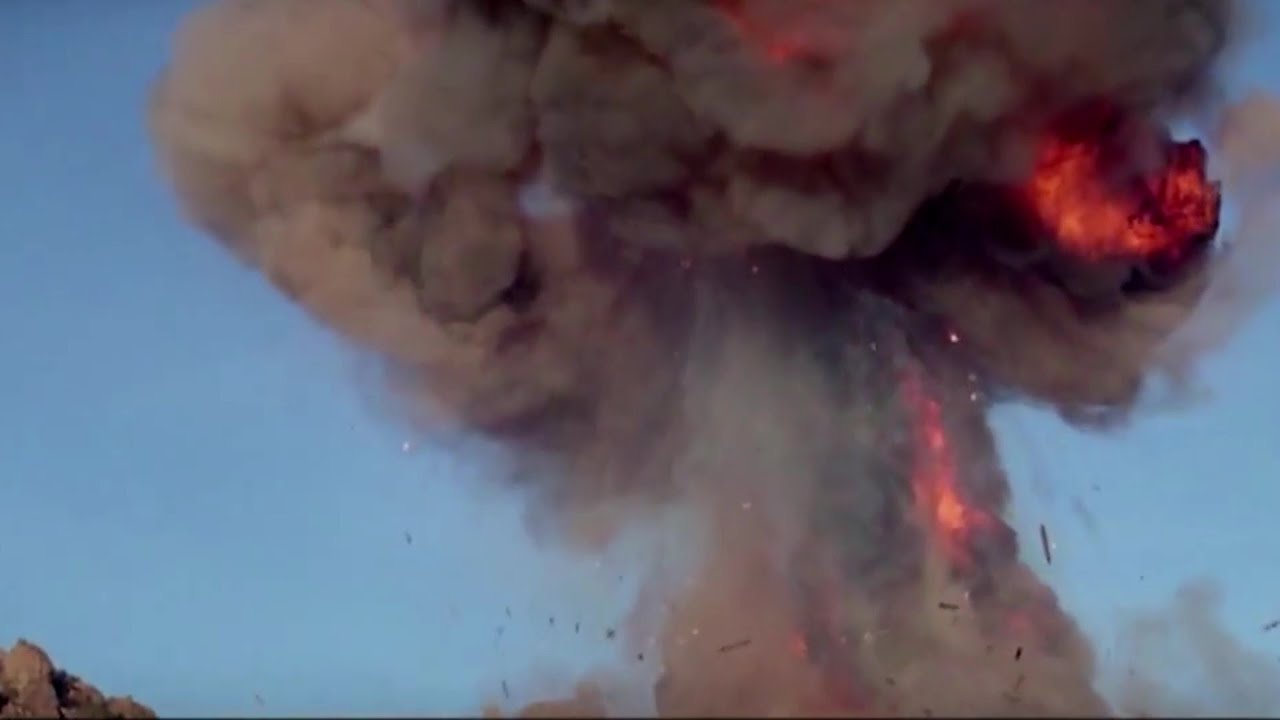
Despite the rejections, the music that survived yielded iconic cinema moments. The film’s climax—a slow-motion sequence featuring a desert home exploding repeatedly—was paired with "Come In, No. 51, Your Time Is Up," a reworked version of their live track "Careful With That Axe, Eugene."
Concurrently, unused sessions from the Rome dates provided the blueprint for future masterworks. Most notably, a piano melody composed by Richard Wright, titled "The Violent Sequence," was shelved by Antonioni, only to be resurrected four years later as "Us and Them" on The Dark Side of the Moon.
1971–1972: Live at Pompeii and Obscured by Clouds
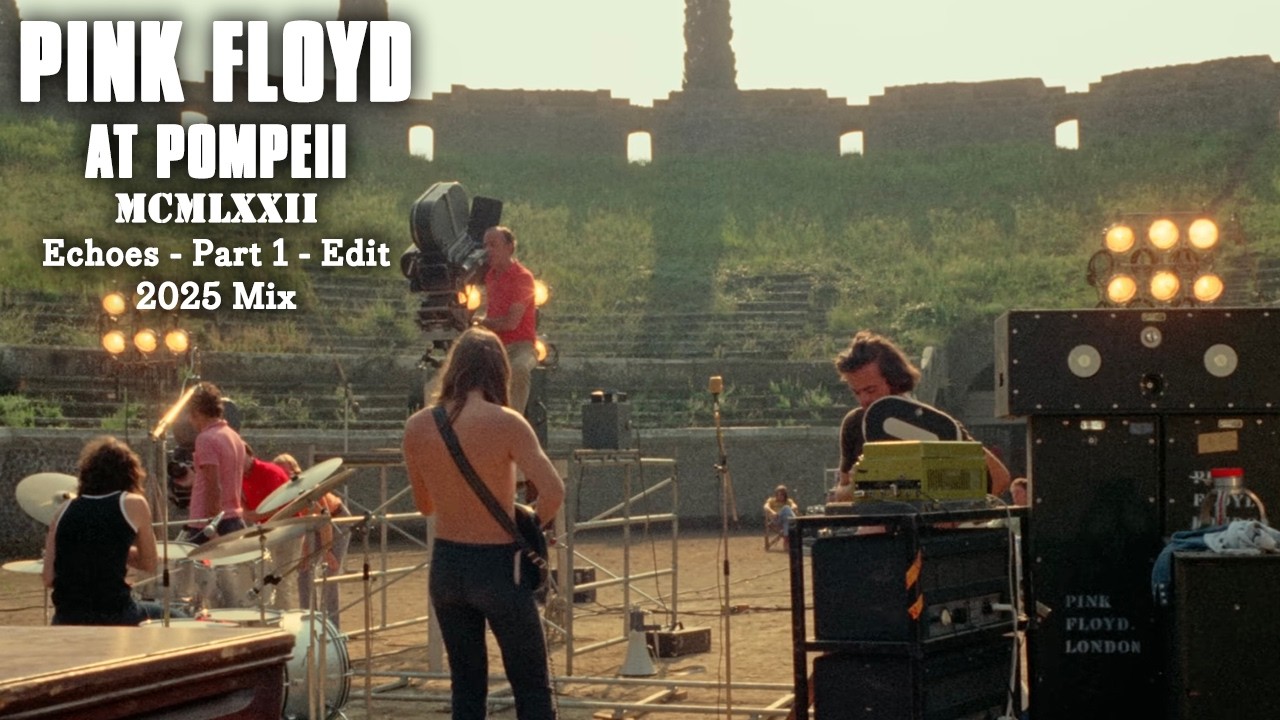
By 1971, French director Adrian Maben approached Pink Floyd with a unique cinematic vision: a live concert film performed without an audience in the ancient Roman amphitheatre of Pompeii. Filmed over four days in October 1971 using state-of-the-art 35mm cameras, Pink Floyd: Live at Pompeii juxtaposed the band’s modern, electronic equipment against Roman ruins. Featuring definitive performances of "Echoes," "A Saucerful of Secrets," and "One of These Days," the film became a cornerstone of midnight movie culture throughout the 1970s.
+-------------------------------------------------------------------------------+
| COMPARISON: MORE VS. OBSCURED BY CLOUDS                                       |
+-------------------------------------------------------------------------------+
| Feature              | More (1969)              | Obscured by Clouds (1972)   |
+----------------------+--------------------------+-----------------------------+
| Director             | Barbet Schroeder         | Barbet Schroeder            |
| Film Title           | More                     | La Vallée                   |
| Studio Location      | Pye Studios, London      | Château d’Hérouville, France|
| Sound Engineer       | Brian Humphries          | Brian Humphries             |
| Dominant Musical Style| Acoustic Folk / Proto-Metal| Pastoral Rock / Synth Drones|
| Commercial Impact    | UK Album Chart #9        | US FM Radio Breakout        |
+-------------------------------------------------------------------------------+
In early 1972, the band re-teamed with Barbet Schroeder for La Vallée, a film exploring a French diplomat’s wife (Bulle Ogier) who joins a group of explorers searching for a hidden valley in Papua New Guinea. Recording at Château d’Hérouville outside Paris, the band wrote and recorded the accompanying soundtrack album, Obscured by Clouds.
Driven by early synthesizer experiments on the EMS VCS3 and tight songwriting, Obscured by Clouds featured "Free Four"—Roger Waters’ first explicit lyric about the wartime death of his father—which earned significant airplay on US FM radio, laying the groundwork for their upcoming commercial breakthrough.
                        1972–1973 TRANSITION

     Obscured by Clouds                   Dark Side of the Moon
     [Château d’Hérouville]               [Abbey Road Studios]

     • EMS VCS3 synth usage    =========> • Advanced VCS3 integration
     • Concise song structures  =========> • Cohesive thematic album
     • FM radio exposure       =========> • Mainstream global success
Supporting Context & Technical Metrics
Studio Innovation and Personnel Development
Pink Floyd’s soundtrack work served as a testing ground for studio innovation and key technical partnerships outside Abbey Road. During the sessions for More at Pye Studios, the group worked for the first time with audio engineer Brian Humphries. Humphries was instrumental in shaping the band’s live sound and later engineered both Wish You Were Here (1975) and Animals (1977).
+-------------------------------------------------------------------------------+
| TECHNICAL EVOLUTION ACROSS SOUNDTRACK RECORDINGS                              |
+-------------------------------------------------------------------------------+
| Era / Project            | Primary Gear & Instrumentation                     |
+--------------------------+----------------------------------------------------+
| Tonite Let's All... (1967)| Farfisa Compact Organ, Binson Echorec Delay        |
| The Committee (1968)     | Avant-garde tape loops, bowed acoustic bass drones |
| More (1969)              | Pye Studios custom console, acoustic slide guitars |
| Obscured by Clouds (1972)| EMS VCS3 Synthesizer, early drum machines          |
+-------------------------------------------------------------------------------+
Financial Dynamics and Project Timelines
In the late 1960s, film scoring offered the band crucial financial security and artistic freedom away from record company pressure.
- Compensation: For More (1969), each band member received £600 (roughly equivalent to £11,000 today) for eight days of work—a substantial sum for an underground group rebuilding its identity.
- Recording Efficiency: Obscured by Clouds was recorded in two short sessions in February and April 1972 at Château d’Hérouville, squeezed between relentless tour commitments and early writing sessions for Dark Side of the Moon.
Official Statements & Primary Accounts
Studio Discipline and Professionalism
Max Steuer, who wrote the screenplay for The Committee, recalled the band’s remarkable discipline during the 1968 sessions:
"We started at nine each morning and did 12 hours or so. Roger Waters was always there at 8:30, David Gilmour shortly after; then Nick Mason, and Rick Wright just before nine. It was amazingly professional. The road crew set up the first day by eight o’clock or so."
The Director’s Perspective
Speaking to journalist Mark Blake, director Barbet Schroeder praised the group’s efficiency and artistic generosity:
"[They were] wonderful to work with. It was beautiful and fantastic music. The biggest present."
Critical Assessment of the Soundtracks
Reflecting on the unique status of soundtrack compositions within Pink Floyd’s discography, David Gilmour noted during a 2002 retrospective interview:
"Good fun. Château d’Hérouville. We never categorised film soundtracks in the same way—that’s why they never make it onto collections."
Historian Stuart Shea emphasized how Antonioni’s unique cinematic technique influenced the band’s approach during the Zabriskie Point sessions:
"Antonioni created a film depending on and celebrating empty space: musical, physical, and emotional."
Friction and Later Cinematic Adaptations
The band’s cinema work culminated in the 1982 adaptation Pink Floyd – The Wall, directed by Alan Parker and starring Bob Geldof. Unlike the collaborative nature of their early soundtrack work, The Wall was defined by intense creative clashes between Roger Waters and Parker.
Reflecting on working with rock musicians after The Wall, Parker noted his relief when collaborating with Peter Gabriel on the 1984 film Birdy:
"Peter’s not of that world. He’s a very different person. He doesn’t have any of the hang-ups or the unpleasantness of that particular business. We got on so well; he’s such a sweet man. It was a refreshing change."
+-------------------------------------------------------------------------------+
| KEY DIRECTORIAL COLLABORATIONS & DYNAMICS                                     |
+-------------------------------------------------------------------------------+
| Director            | Notable Project     | Creative Working Relationship     |
+---------------------+---------------------+-----------------------------------+
| Barbet Schroeder    | More, La Vallée     | Highly collaborative, fast-paced  |
| Michelangelo Antonioni| Zabriskie Point   | High friction, director-controlled|
| Adrian Maben        | Live at Pompeii     | Artistic partnership, atmospheric |
| Alan Parker         | The Wall (1982)     | Volatile, contentious creative split|
+-------------------------------------------------------------------------------+
Future Outlook & Historical Legacy
The release of The Early Years 1965–1972 permanently changed how music critics and fans evaluate Pink Floyd’s early catalog. Rather than viewing soundtrack albums like More and Obscured by Clouds as minor detours between major studio projects, contemporary musicology views them as essential testing grounds.
+-------------------------------------------------------------------------------+
| SOUNDTRACK TRAJECTORY TO MONUMENTAL ALBUMS                                   |
+-------------------------------------------------------------------------------+
| Film Soundtrack Track                 | Eventual Masterpiece Evolution        |
+---------------------------------------+---------------------------------------+
| "The Violent Sequence" (1969)         | "Us and Them" (1973)                  |
| "Careful with That Axe, Eugene" (1970)| "Come In, No. 51..." / Live Staples   |
| "Cymbaline" (1969)                    | "The Man and The Journey" Suite       |
| "Free Four" (1972)                    | Conceptual themes of death/war on     |
|                                       | The Wall (1979) & The Final Cut (1983)|
+-------------------------------------------------------------------------------+
These projects provided Pink Floyd with the artistic freedom to step outside commercial expectations, test new studio gear, and refine their immersive soundscapes. Without the experimentation carried out for directors like Barbet Schroeder and Michelangelo Antonioni, the technical precision and thematic depth of The Dark Side of the Moon, Wish You Were Here, and The Wall might never have materialized.