Executive Overview
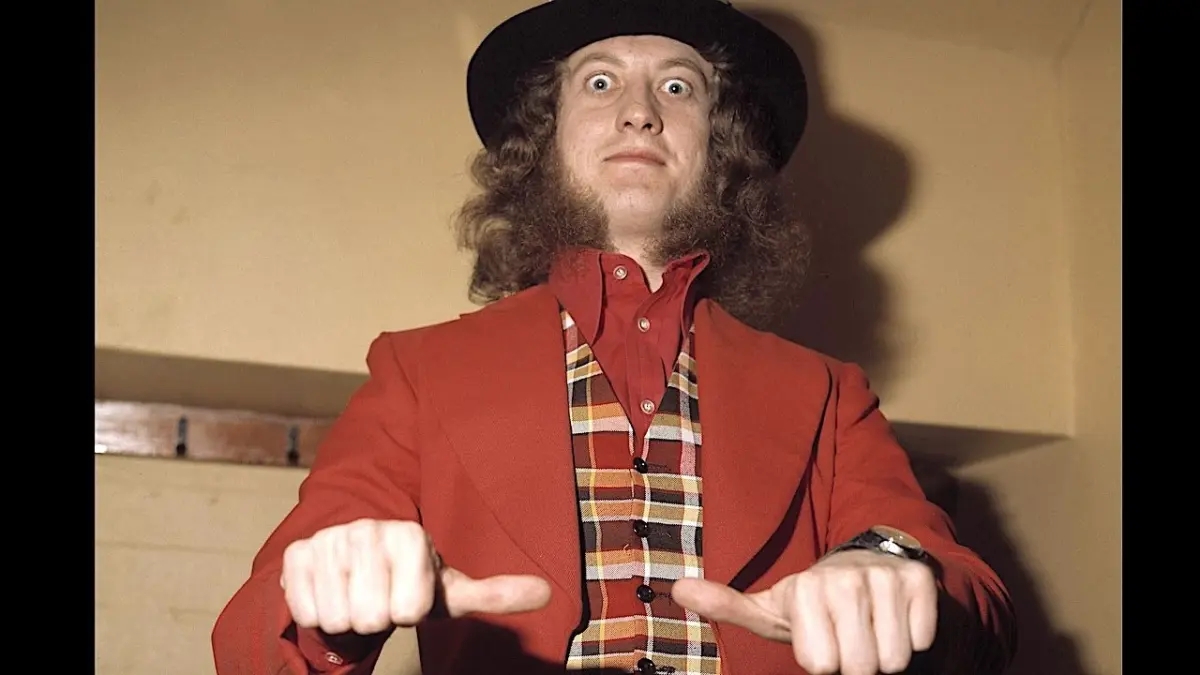
Neville John "Noddy" Holder MBE occupies a singular position in British cultural history. Best known as the lead vocalist and rhythm guitarist of Slade—the unstoppable glam rock juggernaut that dominated the UK charts throughout the 1970s—Holder’s unmistakable rasp and theatrical showmanship defined an era of arena rock. While his broader media legacy encompasses acting, broadcasting, voiceover work, and his inescapable role as the voice of festive nostalgia through the perennial anthem "Merry Xmas Everybody," Holder’s foundational identity remains rooted in pop-rock songwriting and musical arrangement.
In March 1996, Select magazine—a premier publication documenting the mid-1990s alternative rock and Britpop boom—commissioned Holder to serve as a guest singles reviewer. Conducted in collaboration with journalist Clark Collis, the session provided an insightful cross-generational evaluation of contemporary alternative music.
Rather than dismissing the decade’s prevailing alternative movements, Holder displayed an open-minded appreciation for the sonic innovations of the era. His assessments spanned international alternative rock icons, Britpop stalwarts, goth-folk duets, and experimental psych-pop acts. This retrospective analysis examines Holder’s reviews for Select, evaluating his critical insights against the backdrop of mid-1990s rock music and assessing the historical link between 1970s glam rock and the 1990s guitar revival.
       [ 1970s: Slade's Glam Rock Dominance ]
                         │
                         ▼
       [ 1980s: US Metal & Hard Rock Covers ]
  (e.g., Quiet Riot's "Cum On Feel The Noize")
                         │
                         ▼
       [ Mid-1990s: Britpop & Alternative Boom ]
  (Oasis covers Slade; "Select" Magazine Era)
                         │
                         ▼
  [ March 1996: Noddy Holder's Critical Review Session ]
Detailed Chronology
The Precursor: Slade’s Songwriting Hegemony (1969–1992)
- 1969–1970: Formed in Walsall, West Midlands, Slade (initially the N’Betweens and Ambrose Slade) establishes a reputation for powerful live performances and hard-driving rock arrangements.
- 1971–1976: Slade achieves mainstream supremacy, securing six Number One singles on the UK Singles Chart, including "Cozy Powell-style" stompers like "Mama Weer All Crazee Now," "Gudbuy T’Jane," and "Cum On Feel The Noize." The songwriting partnership of Holder and bassist Jim Lea establishes the template for hook-driven guitar rock.
- 1983–1984: American heavy metal band Quiet Riot records a faithful cover of "Cum On Feel The Noize," bringing Slade’s songwriting to the top of the US Billboard charts and triggering a late-career revival for the British band across North America.
- 1992: Holder officially departs Slade, effectively closing the classic lineup’s recording era. He shifts into broadcasting, television acting (notably in the ITV comedy series The Grimleys), and voice acting.
The 1996 Select Magazine Critique Session
- Early 1996: Oasis records a cover of Slade’s "Cum On Feel The Noize" as a B-side to their single "Don’t Look Back In Anger." The recording formalizes the explicit lineage between 1970s glam songwriting and the Britpop movement.
- March 1996: Select magazine publishes its March issue, featuring Noddy Holder as the guest singles reviewer alongside journalist Clark Collis.
- Session Highlights: Holder evaluates single releases from Oasis, The Smashing Pumpkins, Red Hot Chili Peppers, Lush, Nick Cave and the Bad Seeds (featuring PJ Harvey), The Flaming Lips, and Rocket From The Crypt. He awards his "Single of the Month" honor to Lush for their track "Ladykillers."
Supporting Context & Metrics
Chart Performance and Historical Context of Reviewed Tracks (1995–1996)
To understand the environment in which Holder rendered his judgments, it is useful to review the commercial and artistic standing of the tracks under evaluation during the early months of 1996:
| Artist / Group | Track Title | Release / Album Context | Holder’s Assessment Highlights |
|---|---|---|---|
| Lush | "Ladykillers" | Lead single from Lovelife (4AD) | Single of the Month. Praised handclaps, vocal melody, and lasting hook capacity. |
| Oasis | "Cum On Feel The Noize" | B-side to "Don’t Look Back in Anger" (Creation) | Commended the execution and vocal homage, praising their playful adoption of Black Country accents. |
| The Smashing Pumpkins | "1979" | Third single from Mellon Collie and the Infinite Sadness (Virgin) | Highlighted unique artistic voice, production depth, and structural replay value. |
| Nick Cave & PJ Harvey | "Henry Lee" | Lead single from Murder Ballads (Mute) | Favorable reception; compared atmospheric delivery to Leonard Cohen. |
| The Flaming Lips | "This Here Giraffe" | Single from Clouds Taste Metallic (Warner Bros.) | Intrigued by psychedelic eccentricities and non-standard arrangements. |
| Red Hot Chili Peppers | "Aeroplane" | Third single from One Hot Minute (Warner Bros.) | Mixed review; criticized structural aimlessness despite production quality. |
| Rocket From The Crypt | "Born In ’69" | Lead single from Scream, Dracula, Scream! (Interscope) | Reserved; suggested the band needed additional developmental maturity. |
Track-by-Track Technical and Critical Analysis
                      [ Holder's March 1996 Verdicts ]
                                      │
         ┌────────────────────────────┼────────────────────────────┐
         ▼                            ▼                            ▼
  [ TOP PRAISE ]               [ MODERATE/WARM ]             [ RESERVED/CRITICAL ]
  • Lush ("Ladykillers")       • Nick Cave & PJ Harvey       • Red Hot Chili Peppers
    *Single of the Month*        ("Henry Lee")                 ("Aeroplane")
  • Oasis ("Cum On Feel...")   • The Flaming Lips            • Rocket From The Crypt
  • Smashing Pumpkins            ("This Here Giraffe")         ("Born In '69")
    ("1979")
1. Lush – "Ladykillers"
- Genre Context: Shoegaze-turned-Britpop.
- Holder’s Verdict: Single of the Month.
- Analysis: Holder’s primary criterion for classic pop songwriting has always been rhythmic clarity and structural immediacy. Lush’s transition from atmospheric dream-pop to punchy, uptempo guitar-pop on Lovelife resonated directly with his sensibility. His specific praise for the track’s mid-song handclaps—"You can’t beat handclaps," he noted—underlines his preference for fundamental, physical pop arrangements that engage the listener instantly.
2. Oasis – "Cum On Feel The Noize"
- Genre Context: Britpop anthemics.
- Holder’s Verdict: Highly enthusiastic approval.
- Analysis: Noel and Liam Gallagher frequently acknowledged Slade as a foundational influence on their guitar tone and singalong chorus structures. Covering Slade’s 1973 UK Number One hit as the B-side to "Don’t Look Back In Anger" (which reached Number One on the UK Singles Chart in February 1996), Oasis brought full circle the relationship between classic glam and 1990s rock. Holder appreciated the performance’s humor, noting that the band’s lighthearted mimicking of West Midlands accents added authenticity and affection to the homage.
3. The Smashing Pumpkins – "1979"
- Genre Context: American Alternative / Art Rock.
- Holder’s Verdict: High praise; ownership of parent album confirmed.
- Analysis: Billy Corgan’s 1979 represented a departure for The Smashing Pumpkins, incorporating drum loops, subtle electronica, and melancholic pop hooks. Holder praised the band for resisting rigid genre classifications. Recognizing that the track defied standard commercial radio tropes while retaining melodic durability, he emphasized its multi-layered production, noting that the arrangement revealed new detail upon repeated listens.
4. Nick Cave and the Bad Seeds featuring PJ Harvey – "Henry Lee"
- Genre Context: Gothic Folk / Alternative Ballad.
- Holder’s Verdict: Positive, melancholic appreciation.
- Analysis: Evaluating the lead single from Cave’s acclaimed Murder Ballads LP, Holder identified the deep acoustic heritage of the arrangement, comparing the delivery to Leonard Cohen. His interest extended to the cinematic quality of the composition, noting the strong visual potential of the music.
5. The Flaming Lips – "This Here Giraffe"
- Genre Context: Neo-Psychedelia / American Indie Rock.
- Holder’s Verdict: Bemused fascination.
- Analysis: During their mid-1990s major-label tenure, Oklahoma’s The Flaming Lips crafted idiosyncratic guitar pop marked by unconventional instrumentation and surreal lyricism. Holder responded warmly to the track’s eccentric production, humorously praising the group’s inventive approach.
6. Red Hot Chili Peppers – "Aeroplane"
- Genre Context: Funk Metal / Alternative Rock.
- Holder’s Verdict: Critical; lukewarm.
- Analysis: Recorded during the Dave Navarro era of the Red Hot Chili Peppers (One Hot Minute), "Aeroplane" featured complex funk slap-bass and multi-tracked vocal arrangements. Holder found the song’s lack of concise linear direction frustrating, observing that the composition "wanders about a bit"—a critique consistent with his traditional emphasis on concise pop songwriting.
Official Statements
Transcribed Remarks from Noddy Holder (Select, March 1996)
-
On Oasis covering Slade’s "Cum On Feel The Noize":
"It’s great. The best bit is when they start doing a piss-take of our accents at the end."
-
On The Smashing Pumpkins’ "1979":
"I’ve got this album [Mellon Collie and the Infinite Sadness]. They just can’t be pigeonholed. They’ve got their own little style going. It’s off the wall. It’s certainly not a major radio record. But you can hear this in 20 listenings’ time and you’ll hear something new."
-
On Lush’s "Ladykillers":
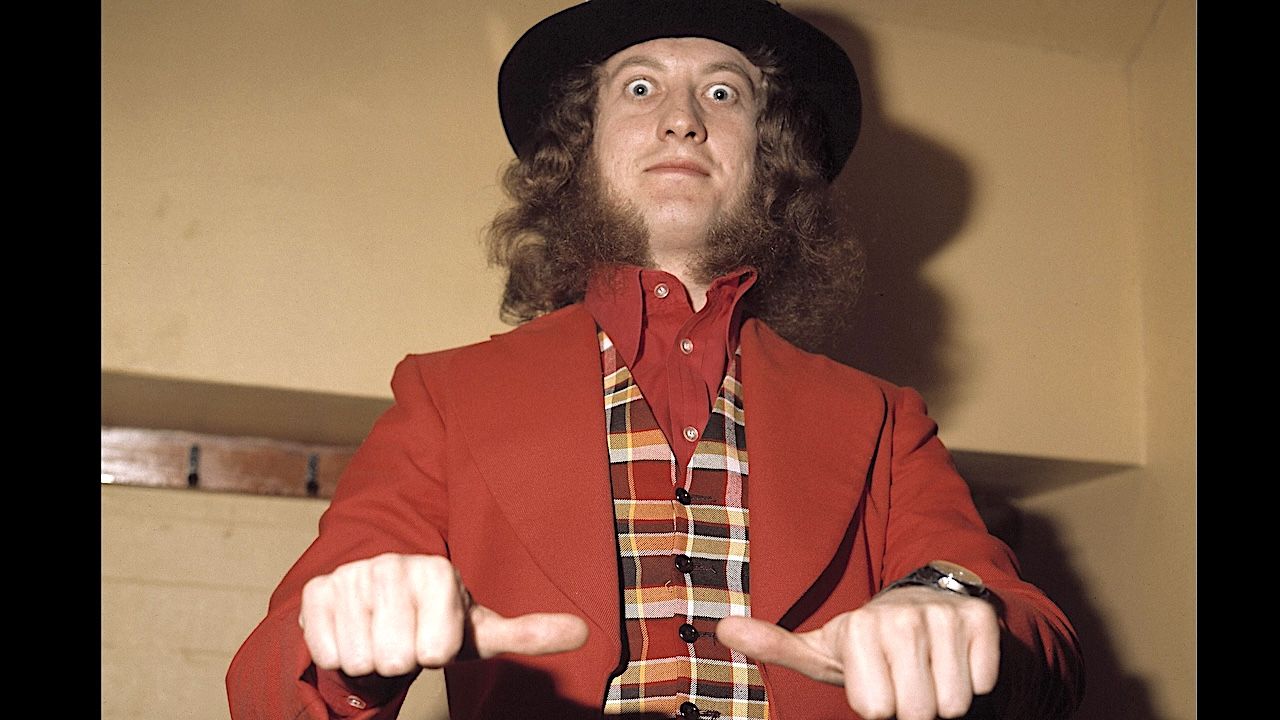
"It’s got handclaps in the middle bit. You can’t beat handclaps… I’ll still be singing along to this in a fortnight."
-
On Red Hot Chili Peppers’ "Aeroplane":
"I’m not mad on this song… it wanders about a bit."
-
On The Flaming Lips’ "This Here Giraffe":
"Whatever they’re on, I want some!"
-
On Rocket From The Crypt’s "Born In ’69":
"I think they’ll probably need a bit more time to develop."
Future Outlook
The Enduring Influence of Glam Songwriting on Modern Rock
Noddy Holder’s guest review column in Select offers more than nostalgia; it highlights a clear connection between different eras of guitar-driven music. The pop sensibility that Slade mastered—characterized by clear melodies, propulsive rhythms, and unpretentious delivery—remains a benchmark for rock music production.
                  [ 1970s Glam Rock Mechanics ]
                  (Big Hooks, Stomp Beats, Handclaps)
                                 │
            ┌────────────────────┴────────────────────┐
            ▼                                         ▼
[ 1990s Britpop Revival ]                [ Modern Alternative Rock ]
(Oasis, Lush, Blur) (Hook-centric Production)- Cross-Generational Lineage: The structural elements praised by Holder in 1996—immediacy, strong rhythm sections, and clear melodic hooks—continue to influence contemporary indie and alternative bands. Modern artists frequently return to 1970s glam production techniques to achieve punchy, radio-friendly soundscapes.
- Archival Value of 1990s Music Journalism: Publications like Select, Q, and Vox captured a pivotal moment when classic rock legends actively engaged with the 1990s alternative explosion. Retrospective analysis of these archives shows that legacy artists often shared strong aesthetic common ground with younger, modern bands.
- Noddy Holder’s Cultural Footprint: Beyond his enduring status as an icon of British festive pop culture, Holder’s insightful critiques reinforce his reputation as a master songwriter with an acute understanding of pop-rock craft. His 1996 evaluations demonstrate that his ear for a hit remained as sharp as ever, bridging generations of rock music history.