Executive Overview
In a stunning convergence of international diplomacy, pop culture, and multibillion-dollar foreign direct investment, the governments of France and Saudi Arabia have officially inked a landmark €6 billion (£5.13 billion) agreement. Announced during a high-stakes, two-day state visit to Paris by Saudi Crown Prince Mohammed bin Salman, the ambitious pact will finance the construction of three major theme parks just outside the French capital.
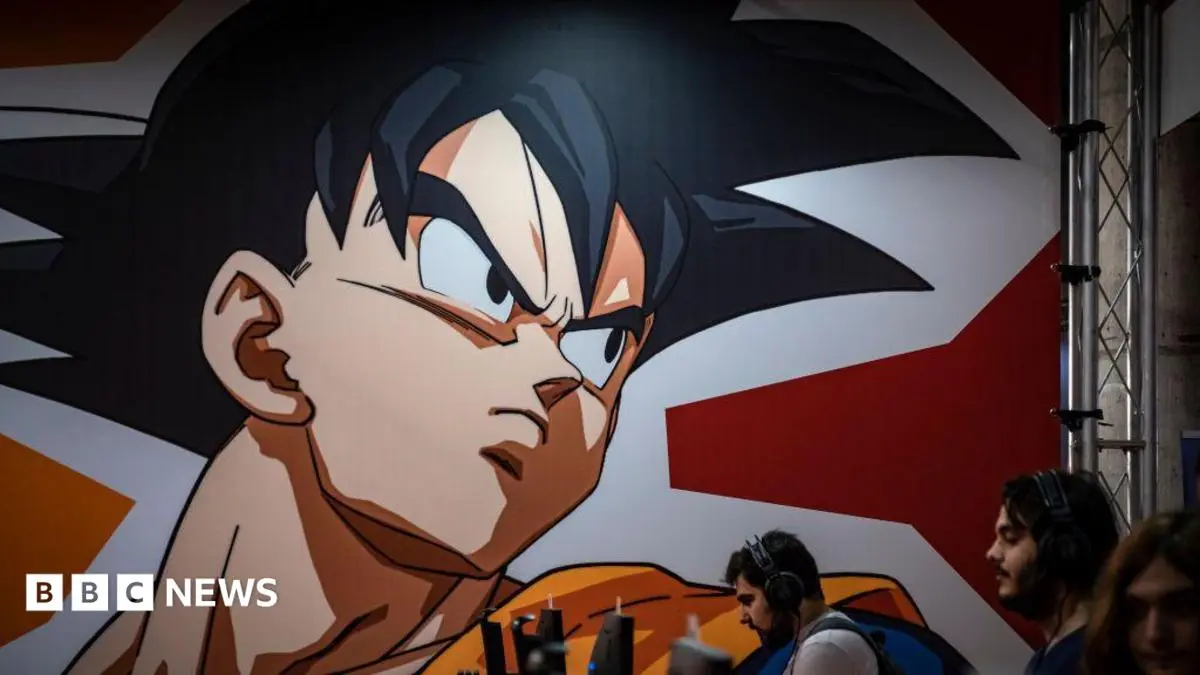
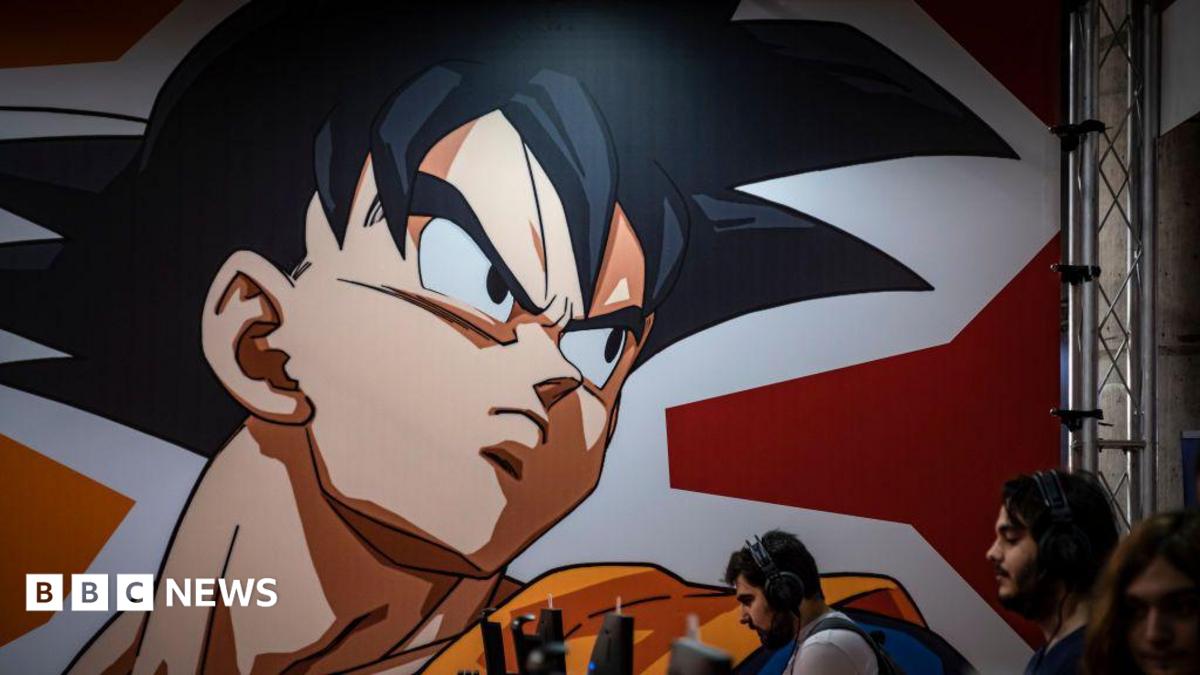
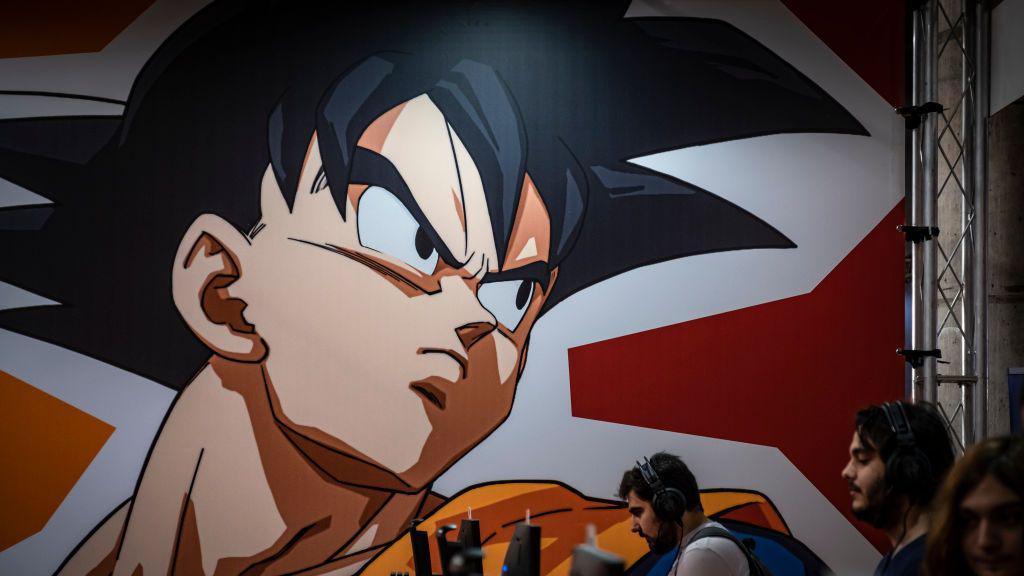
Chief among the planned developments is a sprawling, manga-themed attraction heavily inspired by Dragon Ball Z, the legendary Japanese franchise created by the late Akira Toriyama. French President Emmanuel Macron hailed the agreement as a transformational infrastructure project, comparing its potential cultural and economic footprint to the historic launch of Disneyland Paris in the early 1990s.
Beyond its entertainment value, the deal underscores a deepening geopolitical and economic alignment between Paris and Riyadh. Funded primarily through Saudi Arabia’s sovereign wealth apparatus, the project is projected to generate roughly 2,000 direct jobs while serving as a physical manifestation of an unlikely diplomatic bond: a shared, documented passion for Japanese anime between two of the world’s most powerful political figures.
Detailed Chronology
The genesis of this improbable €6 billion entertainment pact is deeply rooted in personal diplomacy, shifting geopolitical priorities, and strategic economic diversification.
The Anime Diplomacy
While international summits are typically defined by tedious negotiations over trade tariffs, defense pacts, and fossil fuel quotas, the groundwork for this multi-billion-euro entertainment deal was laid over a surprisingly casual foundation: a mutual admiration for Japanese manga. According to senior advisers at the Élysée Palace, President Emmanuel Macron and Crown Prince Mohammed bin Salman bonded during previous diplomatic exchanges over their shared fandom, specifically highlighting Dragon Ball Z.
Macron has increasingly leaned into pop-culture diplomacy. Earlier this year, the French leader made headlines during a joint press briefing with Japanese Prime Minister Sanae Takaichi when he casually flashed a signature hand gesture from the Dragon Ball series—a subtle nod that thrilled anime enthusiasts worldwide and foreshadowed the cultural alignment now materializing in concrete and steel.
The State Visit and Formal Greenlight
The formalization of the theme park project occurred during Crown Prince Mohammed bin Salman’s high-security, two-day state visit to France. The visit was designed to span multiple tiers of bilateral cooperation, touching upon traditional sectors like energy, health, and transport, alongside critical geopolitical consultations concerning regional stability and the ongoing conflict involving the US and Iran.
However, the announcement of the Cergy-Pontoise entertainment hub quickly eclipsed the traditional diplomatic agenda. On Sunday evening, the bond between the two leaders was further underscored when Macron hosted the Crown Prince at the closing ceremonies of the Esports World Cup. The tournament, originally slated to take place in Riyadh, was relocated to Paris at the eleventh hour due to escalating security concerns tied to regional conflicts in the Middle East—a move that demonstrated France’s capacity to act as a secure, high-profile host for Saudi-backed global events.
Supporting Context & Metrics
To fully understand the magnitude of the €6 billion Paris theme park project, one must examine the broader economic strategies and real estate dynamics driving both nations.
The Economic Imperative for Saudi Arabia
For Saudi Arabia, the venture is a vital component of Vision 2030, the kingdom’s sweeping strategic framework aimed at reducing its historic economic dependence on oil revenues. Under the stewardship of Crown Prince Mohammed bin Salman, Riyadh has aggressively poured hundreds of billions of dollars into global tourism, entertainment, gaming, and leisure infrastructure.
The investment is being spearheaded by the Qiddiya Investment Company (QIC), a primary subsidiary of Saudi Arabia’s Public Investment Fund (PIF). QIC is already well-versed in the Dragon Ball intellectual property; in 2024, the company revealed breathtaking blueprints for a massive, dedicated Dragon Ball theme park near the Saudi capital of Riyadh. By expanding this vision to Western Europe—specifically the backyard of France’s cultural capital—Saudi state-backed entities are transforming domestic cultural hobbies into globally lucrative, cross-border entertainment empires.
The French Location: Breathing New Life into Mirapolis
Domestically, French officials have pinpointed a strategic location for the tripartite theme park development: the suburban area near Cergy-Pontoise, situated in the Val-d’Oise department northwest of Paris.
Local media reports and regional urban planners have heavily suggested that the parks could occupy the historic site of Mirapolis, a once-beloved French amusement park that opened to great fanfare in 1987. Styled around French literature and folklore—most famously featuring a colossal 35-meter-tall statue of Gargantua, the giant king from François Rabelais’ satirical novels—Mirapolis struggled with financial viability and catastrophic weather events, ultimately closing its turnstiles permanently in 1991.
Revitalizing this long-dormant plot of land after 35 years of abandonment represents a major win for regional regeneration in Île-de-France, promising to convert a ghostly remnant of 1980s leisure culture into a state-of-the-art, high-tech tourist destination.
| Project Metric / Detail | Specification |
|---|---|
| Total Investment Value | €6 billion (£5.13 billion) |
| Project Scale | Three theme parks (including a Dragon Ball Z manga park) |
| Estimated Job Creation | Approximately 2,000 direct jobs |
| Key Stakeholders | Élysée Palace, Qiddiya Investment Company (QIC), Saudi PIF |
| Proposed Location | Near Cergy-Pontoise (potential site of the former Mirapolis park) |
| Construction Timeline | Phased rollout over multiple years; no official opening date set |
Official Statements
The announcements were met with a mixture of cultural enthusiasm, economic optimism, and standard diplomatic rhetoric from both the French presidency and Saudi delegations.
Speaking to reporters on Monday following the signing ceremonies, President Emmanuel Macron emphasized the unprecedented nature of the undertaking:
"This is an investment and an infrastructure project on a scale not seen in our nation since the arrival of Disneyland Paris. It will redefine our regional tourism landscape and create thousands of opportunities for our workforce. And, of course, as many of you know, you are well aware of my personal interest for manga."
Reflecting on the broader diplomatic relationship, Macron took to the social media platform X (formerly Twitter) on Sunday to frame the state visit as a watershed moment:
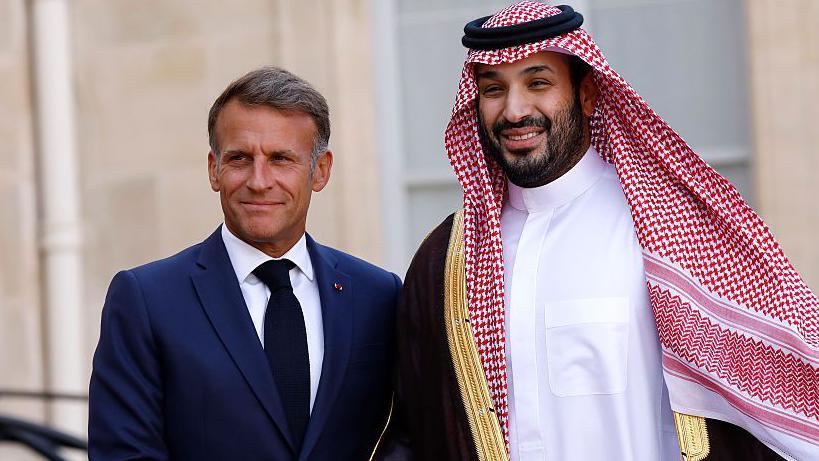
"In the face of complex and severe challenges across the Middle East, France and Saudi Arabia have always worked together to promote peace and stability. Crown Prince Mohammed bin Salman’s visit marks an important milestone in our enduring partnership."
While explicit financial figures and architectural blueprints from the Saudi delegation were largely channeled through corporate releases by QIC, representatives for the Public Investment Fund reiterated that international expansions of this caliber are designed to position Saudi capital at the bleeding edge of the global creative economy, bridging Eastern pop culture with Western consumer markets.
Future Outlook
As the celebratory dust settles over Paris and Riyadh, the colossal task of execution begins. While the Élysée Palace has confirmed that the green light has officially been given, several crucial milestones remain on the horizon.
Construction and Phased Rollout
No definitive opening date has been established by the French government or the Qiddiya Investment Company. Given the sheer scale of a €6 billion, three-park development—particularly one requiring cutting-edge animatronics, immersive virtual reality environments, and massive infrastructural overhauls of transport links to Cergy-Pontoise—construction is widely expected to span multiple years. Industry analysts anticipate a phased rollout, with foundational site clearance expected to begin within the next 12 to 18 months, pending local environmental and zoning approvals.
Geopolitical and Economic Implications
Beyond the roller coasters and manga-inspired architecture, the deal serves as a stress test for the durability of Franco-Saudi relations. Critics in France have occasionally scrutinized Macron’s pragmatic approach toward human rights records in the Gulf states, questioning the ethics of deep financial entanglements with sovereign wealth funds. However, the executive branch remains steadfast, betting that job creation, regional economic revitalization, and cultural diplomacy outweigh domestic political friction.
Ultimately, the transformation of a defunct 1980s French amusement park into a high-tech sanctuary for Dragon Ball Z fans stands as a monument to the modern globalized economy. It is a world where Middle Eastern sovereign capital, Japanese artistic exports, and French administrative backing collide to build the theme parks of tomorrow—proving that even the most improbable childhood passions can eventually reshape the geography of Western Europe.