Executive Overview
In the modern landscape of live entertainment, pop stars and global touring artists increasingly find themselves on the front lines of geopolitics. What was once a space reserved for escapism, musical celebration, and shared cultural experiences has transformed into a high-stakes ideological battleground. No recent event highlights this uncomfortable reality more acutely than the unfolding crisis surrounding British singer-songwriter Ed Sheeran, his high-profile North American Loop tour, and the bitter fallout from the dismissal of American rapper Macklemore over pro-Palestine remarks.
What began as a localized artist management decision rapidly snowballed into an international multimedia firestorm, drawing in billionaire corporate executives, activist networks, media pundits, television satirists, and thousands of polarized fans. The controversy culminated on Saturday night during Sheeran’s emotionally charged concert in Philadelphia. Visibly distressed and reading from an autocue, a tearful Sheeran addressed the mounting pressure, offering a personal perspective on the Israel-Hamas war while apologizing to his audience for the chaos that had engulfed his tour.
The speech—and the events leading up to it—has ignited a fierce debate across the cultural and political spectrum. High-profile commentators like Piers Morgan criticized the singer for "bowing to the mob" and looking like a "bullied puppet," while defenders such as Jeremy Clarkson and broadcaster Richard Bacon argued that Sheeran was a well-meaning artist unjustly caught in a geopolitical mincer. Meanwhile, the operational fallout has been severe: support acts have abandoned the tour, set times have been delayed, protests have materialized outside venues, and late-night television has begun lampooning the singer’s perceived reluctance to take a definitive stance.
This in-depth investigative report examines the chronology of the Ed Sheeran tour crisis, analyzes the competing pressures from corporate stakeholders and activist groups, reviews official statements and pundit reactions, and assesses the long-term implications of this unprecedented collision between pop stardom and international politics.
Detailed Chronology of a Tour in Crisis
To understand how a global pop tour descended into chaos, one must trace the timeline of events that transformed a routine musical lineup adjustment into a headline-grabbing cultural flashpoint.
Phase 1: The Macklemore Dismissal and the Kraft Connection
The crisis traces its roots to earlier in the concert cycle when rapper Macklemore, serving as a prominent support act on Sheeran’s tour, made explicit pro-Palestine statements during a live performance. The remarks quickly drew the attention of high-profile stakeholders, most notably Robert Kraft, the billionaire CEO of the Kraft Group and owner of Gillette Stadium, where several tour dates were scheduled to take place.
According to statements released by Macklemore, Kraft personally intervened by contacting Sheeran directly to declare that the rapper would be barred from performing at Gillette Stadium due to his political commentary. The decision exposed the delicate financial and operational interdependencies of modern stadium tours, where venue owners, corporate sponsors, and local promoters wield immense leverage over artistic lineups.
Initially, Sheeran attempted to maintain a neutral stance, declining to be drawn into a public debate regarding the Gaza conflict. Through representatives, it was communicated that removing Macklemore was ultimately "the promoter’s decision," an explanation that failed to satisfy either side of the ideological divide. Critics desiring a strong political statement felt Sheeran was shirking moral responsibility, while those advocating for artistic neutrality felt he was being unfairly dragged into foreign policy debates.
Phase 2: The Support Act Exodus and Operational Disruption
As the controversy intensified, the pressure quickly spread to the rest of the tour’s supporting roster. Earlier in the week leading up to the Philadelphia concert, the dominoes began to fall. Citing ethical objections, solidarity with displaced artists, or safety concerns, Sheeran’s remaining support acts withdrew from the tour en masse.
The sudden departure of opening acts threw tour logistics into disarray. Crew members scrambled to reorganize schedules, and the Philadelphia show was forced to push its start time back from a scheduled 5:30 PM ET to a delayed 8:00 PM ET. Outside the venue, pro-Palestine protesters gathered, holding placards and chanting slogans, turning the perimeter of the concert hall into a site of active political demonstration.
The disruption extended far beyond the immediate venue grounds. Ticket resale platforms saw a sudden influx of fans attempting to offload their passes for upcoming dates, while rumors swirled within the industry that members of Sheeran’s own backing band were grappling with whether to continue playing.
Phase 3: The Philadelphia Apology and Autocue Address
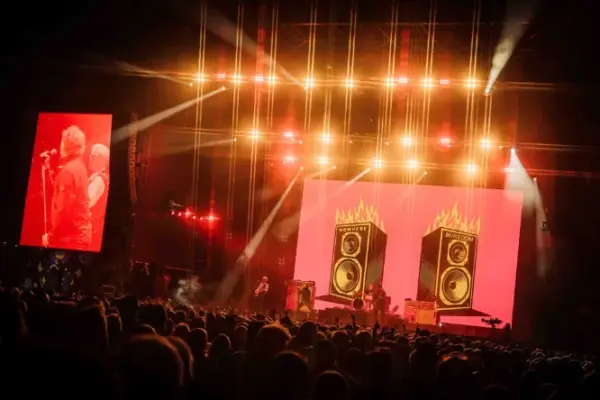
Against this backdrop of plummeting morale, logistical chaos, and public scrutiny, Ed Sheeran took to the stage in Philadelphia on Saturday night. It marked his first live appearance since the tour’s implosion.
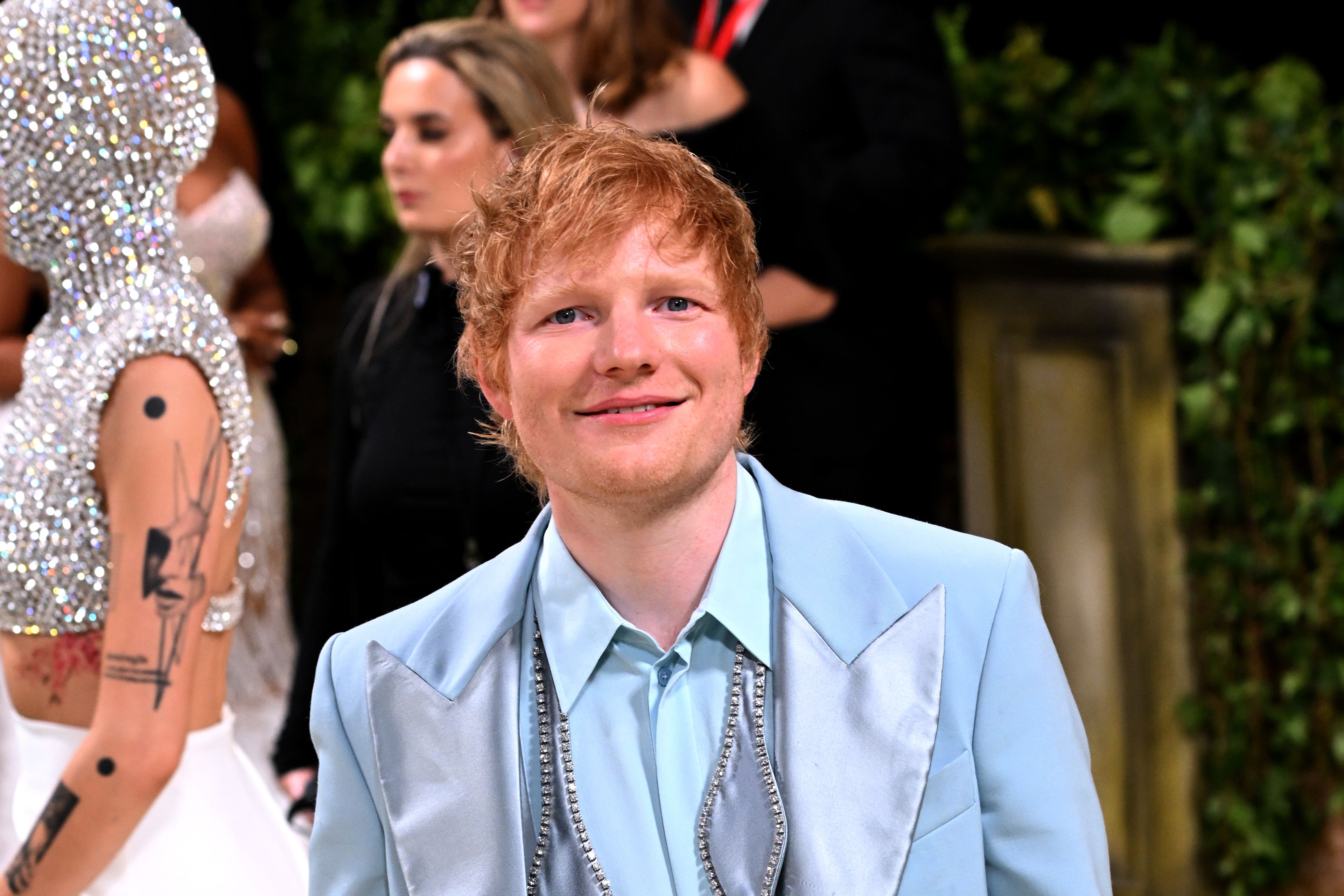
Looking visibly shaken and departing from his usual unscripted banter, Sheeran addressed the crowd directly. In a moment that immediately went viral, the singer appeared to read from an autocue as he delivered a candid and emotional statement:
"I’ve had to take and make difficult decisions, and I am making mistakes. I’m so, so sorry. I don’t want to disappoint fans… I cannot hide how I feel about it anymore. What happened in Israel, and at the music festival on October 7th was horrific and compounded centuries of Jewish pain. What is happening in Gaza is catastrophic and unjustifiable and disproportionate."
Sheeran expanded on his personal anguish, adding that his heart had been broken by the scale of civilian casualties, the loss of children’s lives, and the systemic injustices unfolding in the West Bank. He emphasized, however, that he chose to proceed with the show because honoring his commitments to his fans remained "completely central to who I am."
Supporting Context, Punditry, and Cultural Fallout
The reaction to Sheeran’s Philadelphia speech was swift, polarized, and illustrative of the broader cultural war playing out across Western media.
The Critics: Accusations of Weakness and "Bow to the Mob"
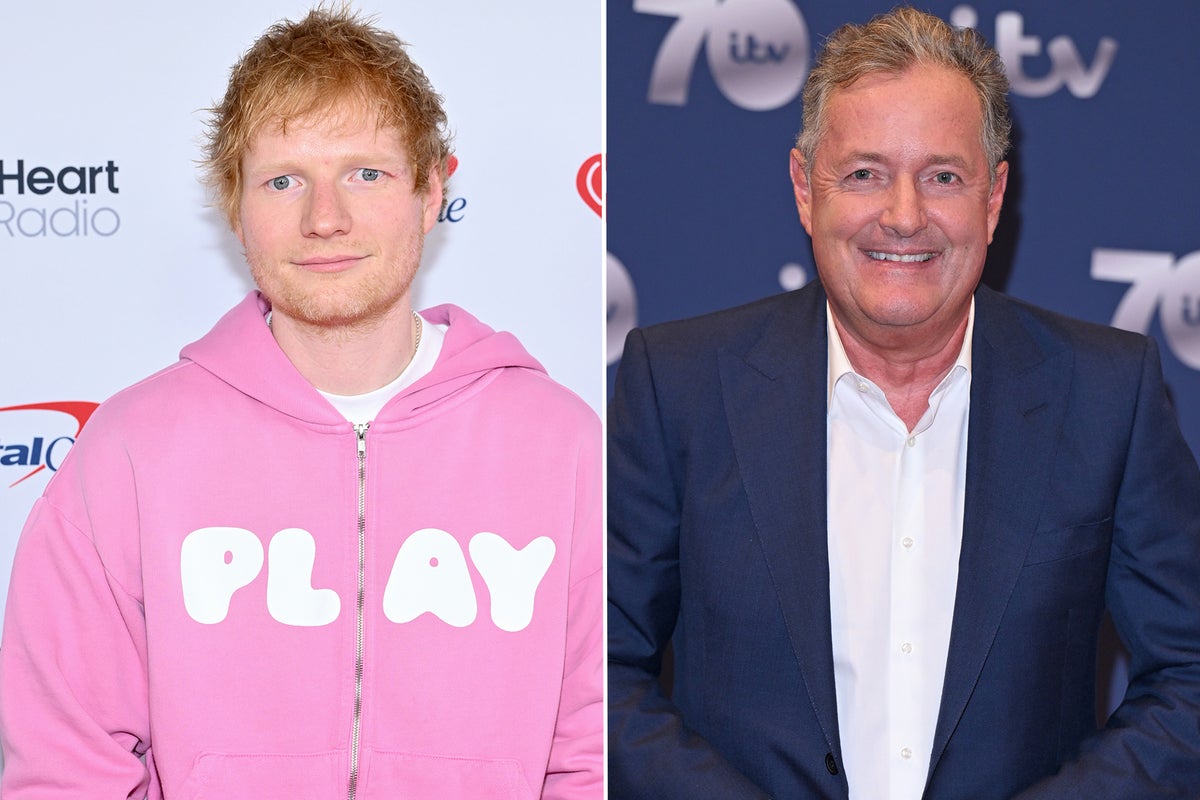
Prominent broadcaster and outspoken columnist Piers Morgan took to social media platform X (formerly Twitter) shortly after the concert to excoriate Sheeran’s handling of the situation. While Morgan noted that he shared a similar view on the geopolitical conflict—describing the October 7 attacks as terrible and Israel’s military response as disproportionate—he fiercely condemned the manner in which the pop star delivered his message.
"I wish he hadn’t bowed to the mob and felt forced to say it publicly, especially reading it off an autocue like some bullied puppet," Morgan wrote. "He needs better advisors."
Morgan’s sentiment captured the view of critics who believe that corporate and cultural pressure shouldn’t coerce artists into making impromptu geopolitical statements. From this perspective, forcing a musician to read scripted foreign policy commentary sets a dangerous precedent, reducing artists to mouthpieces for whatever faction holds immediate leverage over their commercial viability.
The Defenders: Caught in the "Mincer Movement"
Conversely, a number of public figures and media personalities rallied to Sheeran’s defense, portraying him as an innocent casualty of a toxic cultural climate.
Broadcaster Richard Bacon defended the singer as a fundamentally decent person trapped in an impossible situation. Writing on social media, Bacon remarked: "He’s a bloke trying to do his job, his way who got caught in a mincer movement. The chess pieces shifted against him. It was bad luck. He is decent. Obviously."
Similarly, veteran columnist Jeremy Clarkson penned a robust defense of the singer in The Sun, highlighting the unfairness of the expectations placed on modern entertainers. Clarkson pointed out that Sheeran had "literally said nothing at all" initially, yet faced an immediate backlash from fans attempting to offload tickets, support acts walking out, and band members reportedly hesitating to perform.
"They want him to sound off on Palestine, and because he’s not really that sort of person, the keyboard warriors have sent him to Coventry," Clarkson observed.
Satire and Cultural Parody
As is common in the digital age, the controversy quickly bled into satire. Just hours before the Philadelphia concert, a sketch on Saturday Night Live UK lampooned Sheeran’s perceived fence-sitting approach.
The comedy sketch featured a cast member dressed as the ginger-haired singer, complete with trademark tattoos and an acoustic guitar, navigating a fictional war between humans and artificial intelligence robots.
"I don’t like to take sides. I don’t want to alienate any of my fans—humans or robots," the parody Sheeran declared. "A lot of my tickets are bought by scalping bots. Sometimes when it comes to conflicts, the bravest thing you can do is to say nothing at all."
While humorous, the sketch underscored a genuine public perception that international pop stars often attempt to walk an impossible tightrope, trying to appease global audiences while avoiding alienating lucrative demographic segments.
Official Statements and Industry Metrics
To comprehensively understand the Ed Sheeran tour crisis, one must evaluate the structural realities governing modern arena tours. The table below outlines the key stakeholders, their stated positions, and their impact on the tour’s operations:
| Stakeholder | Stated Position / Action | Impact on Tour Operations |
|---|---|---|
| Ed Sheeran | Initially attempted neutrality; later issued a scripted, emotional statement in Philadelphia acknowledging civilian suffering in both Israel and Gaza. | Show schedules disrupted; psychological toll on artist evident; forced to break long-standing policy of political silence. |
| Macklemore | Released pro-Palestine statements; alleged that Robert Kraft personally intervened to have him removed from Gillette Stadium. | Triggered the initial controversy and subsequent polarization of tour support rosters. |
| Robert Kraft / Kraft Group | Exercised venue ownership leverage regarding tour lineups (as reported by impacted artists). | Highlighted the direct influence of corporate stadium owners on artistic freedom and tour personnel. |
| Support Acts | Withdrew en masse in the days leading up to the Philadelphia concert in solidarity/protest. | Caused severe logistical delays, forced a shift in event start times, and created a staffing crisis. |
| Protesters & Activists | Gathered outside Gillette Stadium and the Philadelphia venue to voice opposition. | Increased security overhead, generated negative media attention, and altered the fan entry experience. |
Future Outlook: The Road Ahead for Global Touring
As Ed Sheeran prepares for his next scheduled performance on Saturday, September 25, at Robert Kraft’s Gillette Stadium in Massachusetts, the music industry is left reckoning with the long-term ramifications of this crisis.
The incident serves as a watershed moment for major international tours. It exposes the fragility of mega-scale live entertainment ventures in an era of hyper-polarization. Promoters, venue moguls, and artist management firms are likely to reevaluate their vetting processes for support acts, tour rider clauses regarding political speech, and crisis communication strategies.
For artists, the dilemma remains acute. The expectation from a segment of the public and activist communities is that global icons must use their platforms to address humanitarian crises. Conversely, corporate stakeholders and opposing factions demand brand safety, neutrality, and adherence to commercial contracts. When these two opposing forces collide—as they did in Philadelphia—artists risk being ground down by what Richard Bacon termed the "mincer movement" of modern public life.
Whether Ed Sheeran can successfully navigate the remainder of his tour without further defections, protests, or forced political disclosures remains to be seen. However, one thing is certain: the era of the politically detached pop star is drawing to a close, replaced by an unforgiving landscape where silence is treated as complicity, and speech is scrutinized by a divided world.