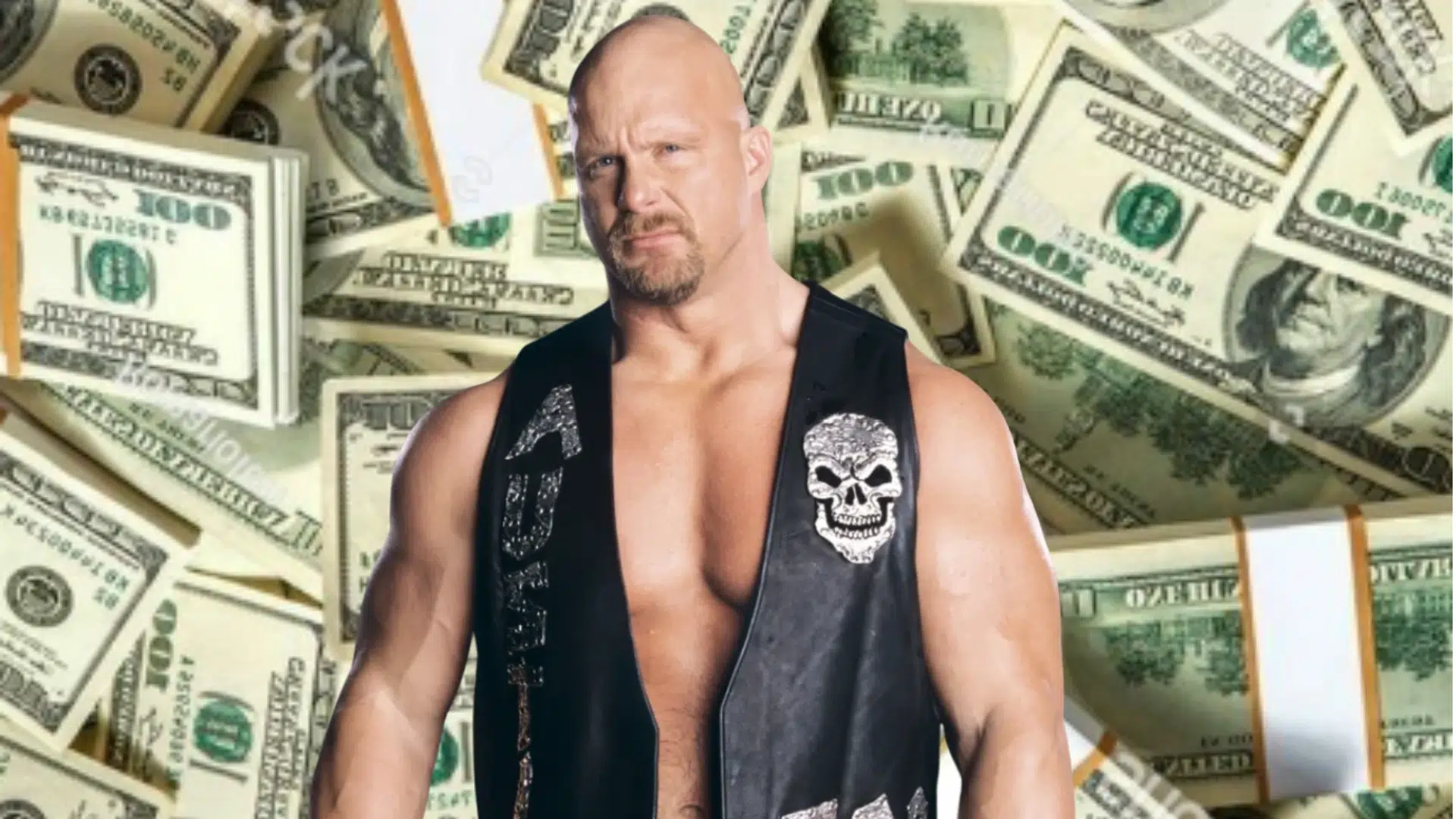
When wrestling enthusiasts and financial researchers type "Stone Cold Steve Austin net worth" into search engines, the resulting figures fluctuate wildly. Some mainstream financial trackers estimate his wealth to be a conservative $30 million, while fringe celebrity wealth blogs claim figures soaring well north of $75 million, $150 million, or even $200 million.
Because Steven James Anderson—better known to global sports entertainment audiences as "Stone Cold" Steve Austin—does not publicly publish his personal tax returns or asset ledgers, no verified, audited net worth figure exists. To construct an accurate and authoritative financial profile, one must peel back the layers of speculation, examining the intersection of his legendary World Wrestling Entertainment (WWE) career, his record-breaking merchandise empire, his Hollywood transitions, and his lucrative post-retirement entrepreneurial endeavors.
Executive Overview
At its core, financial estimates for the WWE Hall of Famer generally hover around a median baseline of $30 million. This foundational figure accounts for decades of high-tier professional wrestling salaries, record-breaking pay-per-view (PPV) bonuses, expansive character licensing, film and television earnings, and strategic outside ventures like his signature Broken Skull brand.
To understand how the "Texas Rattlesnake" accumulated this substantial fortune, it is necessary to distinguish between career earnings and current net worth.
- Career Earnings: This metric aggregates every gross dollar Austin has generated across the entertainment, wrestling, and business sectors since his debut in the late 1980s. Over a decades-long career, his gross lifetime earnings easily eclipse his current net worth.
- Current Net Worth: This represents a snapshot of his present-day assets—minus taxes, lifestyle expenses, business overhead, and past legal settlements or divorces.
While outlier websites frequently throw around nine-figure numbers without providing any methodological backing, authoritative financial analysis consistently aligns with the $30 million to $35 million valuation. This report provides an exhaustive investigation into how Austin built his empire, why estimates vary so dramatically, and where his wealth stands today.
Detailed Chronology: From Regional Territories to Global Icon
To contextualize Steve Austin’s financial trajectory, one must trace his career across different eras of the professional wrestling industry, mapping how his earning power evolved alongside his character development.
1. The Grind Years: WCW and ECW (1989–1995)
Before becoming a global phenomenon, Austin labored in the trenches of regional promotions. Breaking into the business in Texas, he soon moved to World Championship Wrestling (WCW) as "Stunning" Steve Austin. While he captured the WCW World Television Championship and United States Heavyweight Championship, his compensation during this period was typical of mid-tier professional wrestlers of the early 1990s: modest base salaries with limited access to lucrative merchandise pools.
Following a controversial firing by WCW management while injured, Austin spent a brief, highly influential stint in Extreme Championship Wrestling (ECW) in 1995. Although ECW did not pay major corporate salaries, this creative incubator allowed him to develop the raw, anti-authoritarian persona that would soon revolutionize the industry.
2. The Attitude Era Peak: WWF/WWE (1995–2003)
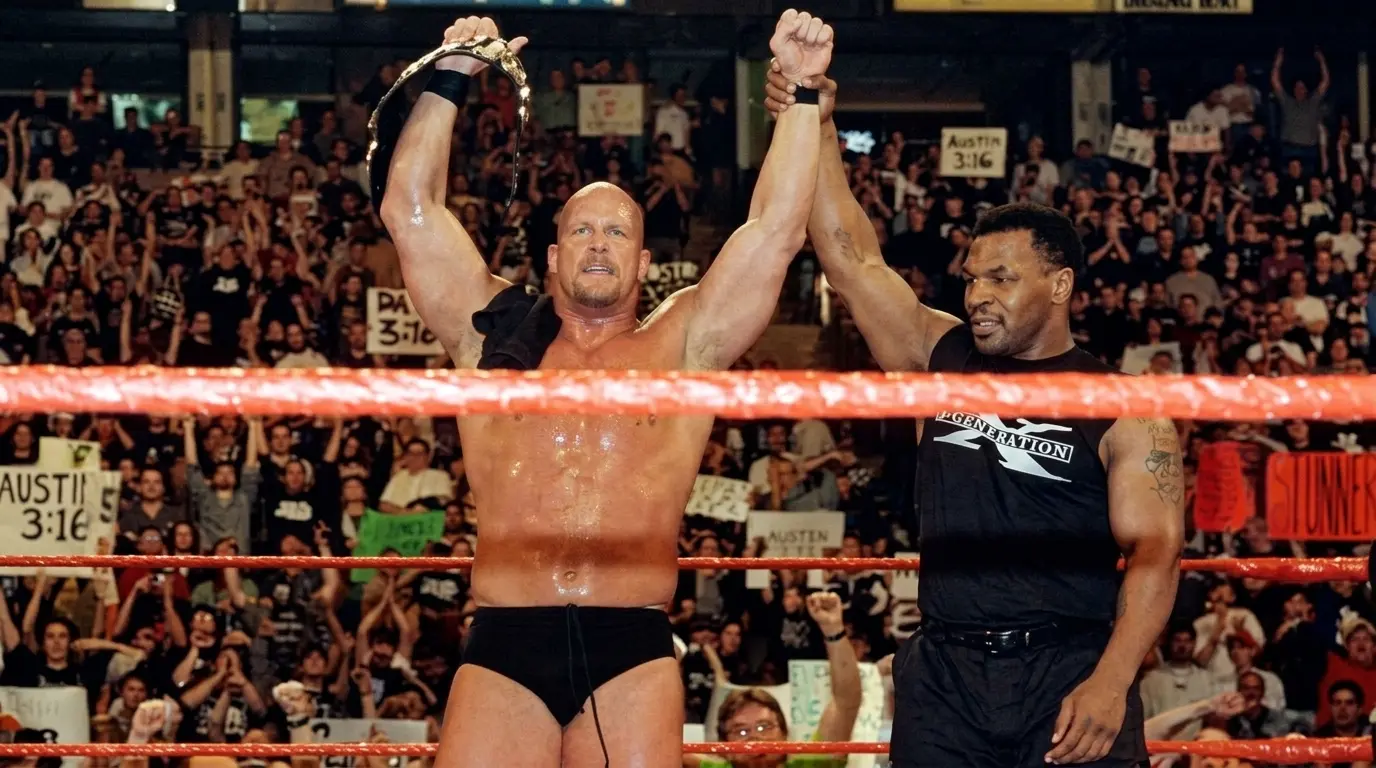
Austin signed with the World Wrestling Federation (WWF, now WWE) late in 1995, initially debuting as "The Ringmaster." Upon pivoting to the "Stone Cold" persona and engaging in a legendary, career-defining feud with company chairman Vince McMahon, Austin became the undisputed focal point of the historic Attitude Era.
- The $16 Million Year: At the commercial zenith of his in-ring career in the late 1990s, Austin’s annual income skyrocketed. Industry reports and historical retrospectives indicate that during his peak years, he pulled in upwards of $16 million in a single calendar year.
- The Structure of Pay: This earnings explosion was driven by a combination of guaranteed base pay, lucrative main-event downside guarantees, premium pay-per-view gate percentages, and—most importantly—unprecedented merchandise royalties.
3. Transition to Hollywood and Media (2003–Present)
A severe spinal cord injury forced Austin into a premature full-time retirement from in-ring competition in 2003 at the age of 38. Rather than fading into obscurity, Austin successfully pivoted into a multifaceted media career. He transitioned into direct-to-video action cinema, hosted mainstream reality television, launched pioneering podcasts, and maintained a deep, highly profitable relationship with WWE as a corporate ambassador and special-attraction performer.
Supporting Context & Metrics: How Steve Austin Generated His Wealth
Austin’s financial portfolio is built on a diversified foundation. He never relied on a single income stream, ensuring long-term financial stability well after hanging up his knee braces.
Net Worth Estimates By Source
To understand the disparity in reported figures, a side-by-side comparison of prominent tracking sources illustrates where estimates converge:
| Source | Estimated Net Worth | Year Evaluated | Primary Basis of Calculation |
|---|---|---|---|
| Celebrity Net Worth | $30 million | 2025 | Wrestling contracts, acting, production |
| Sports Illustrated (Financial Profiles) | $30 million | 2025 | Merchandise royalties, brand equity |
| TWSN | $30 million | 2026 | WWE career earnings, ongoing royalties, business ventures |
| WrestleRadar | $30 to $35 million | 2026 | WWE salary history, film roles, podcasting, merch |
| FocusNetWorth | $75 to $85 million | 2026 | Broadened business investments, appearance fees |
| Syntec Optics (Outlier Index) | $150 to $200 million | 2026 | Unverified assumptions regarding enterprise value |
Analytical Note: The vast majority of credible financial analysts cluster around the $30M–$35M mark. Extreme outliers exceeding $150 million lack transparent methodology, often conflating gross corporate enterprise values with individual liquid net worth.
The "Austin 3:16" Merchandise Phenomenon
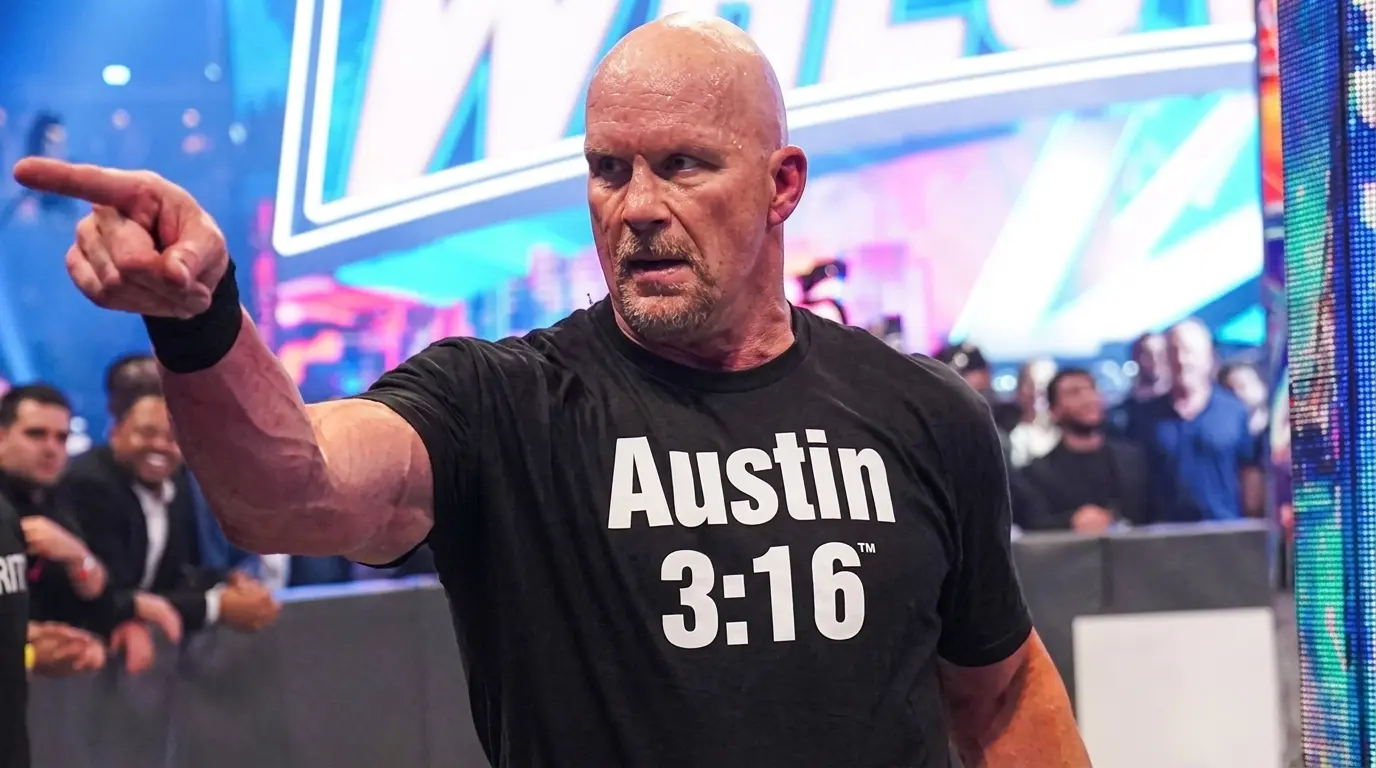
It is impossible to discuss Austin’s wealth without addressing the economic impact of the Austin 3:16 t-shirt. Debuted after his iconic King of the Ring victory over Jake "The Snake" Roberts in 1996, the shirt became the single best-selling piece of licensed merchandise in professional wrestling history.
During the height of the Attitude Era, millions of these shirts were sold globally at live events, department stores, and specialty shops. Because top-tier WWE superstars historically commanded a substantial percentage of net merchandise sales (often ranging from 10% to 25% of gross licensing revenue for their specific likeness), this single product line generated millions of dollars in direct royalties for Austin. Furthermore, the intellectual property continues to move retro apparel units today via the official WWE Shop, generating passive, perpetual residual income.
Character Licensing and Digital Archives
Beyond apparel, Austin’s name, image, and likeness (NIL) are permanently etched into the digital ecosystem of sports entertainment. He remains a staple of 2K Sports’ multi-million-dollar annual WWE video game franchise. Additionally, his classic matches, pay-per-view events, and documentaries populate the library of the WWE Network and Peacock streaming ecosystem. Each time fans access these archived programs, legacy royalty disbursements factor into his ongoing cash flow.
Television, Podcasting, and Film Work
Austin carved out a successful second act in traditional media:
- Film & Television: He secured supporting roles in major Hollywood pictures, including The Longest Yard (2005) alongside Adam Sandler, followed by a prolific run as a leading man in direct-to-video action features (The Condemned, Damage, Hunt to Kill).
- Hosting Roles: He hosted five successful seasons of Steve Austin’s Broken Skull Challenge on CMT.
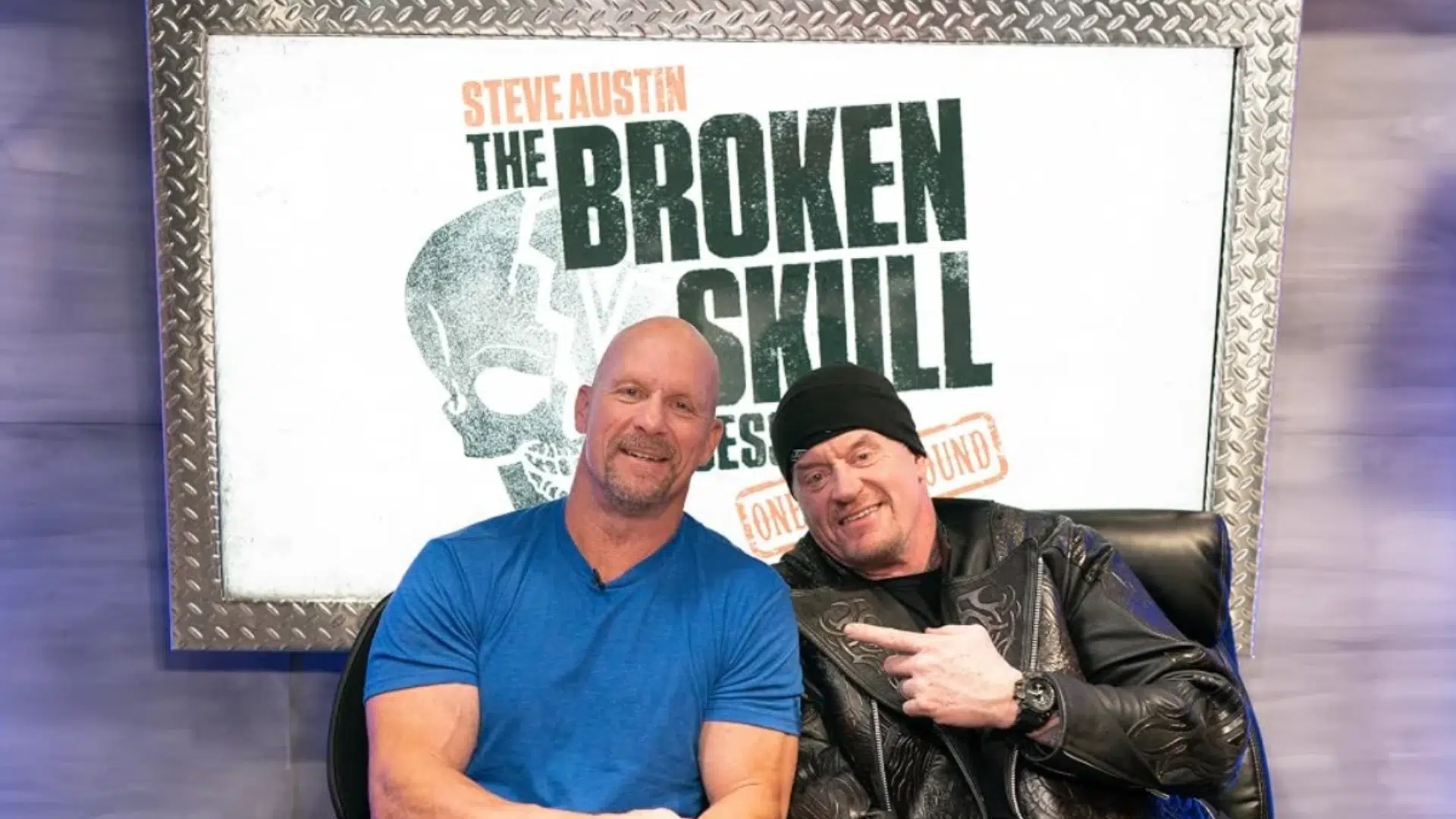
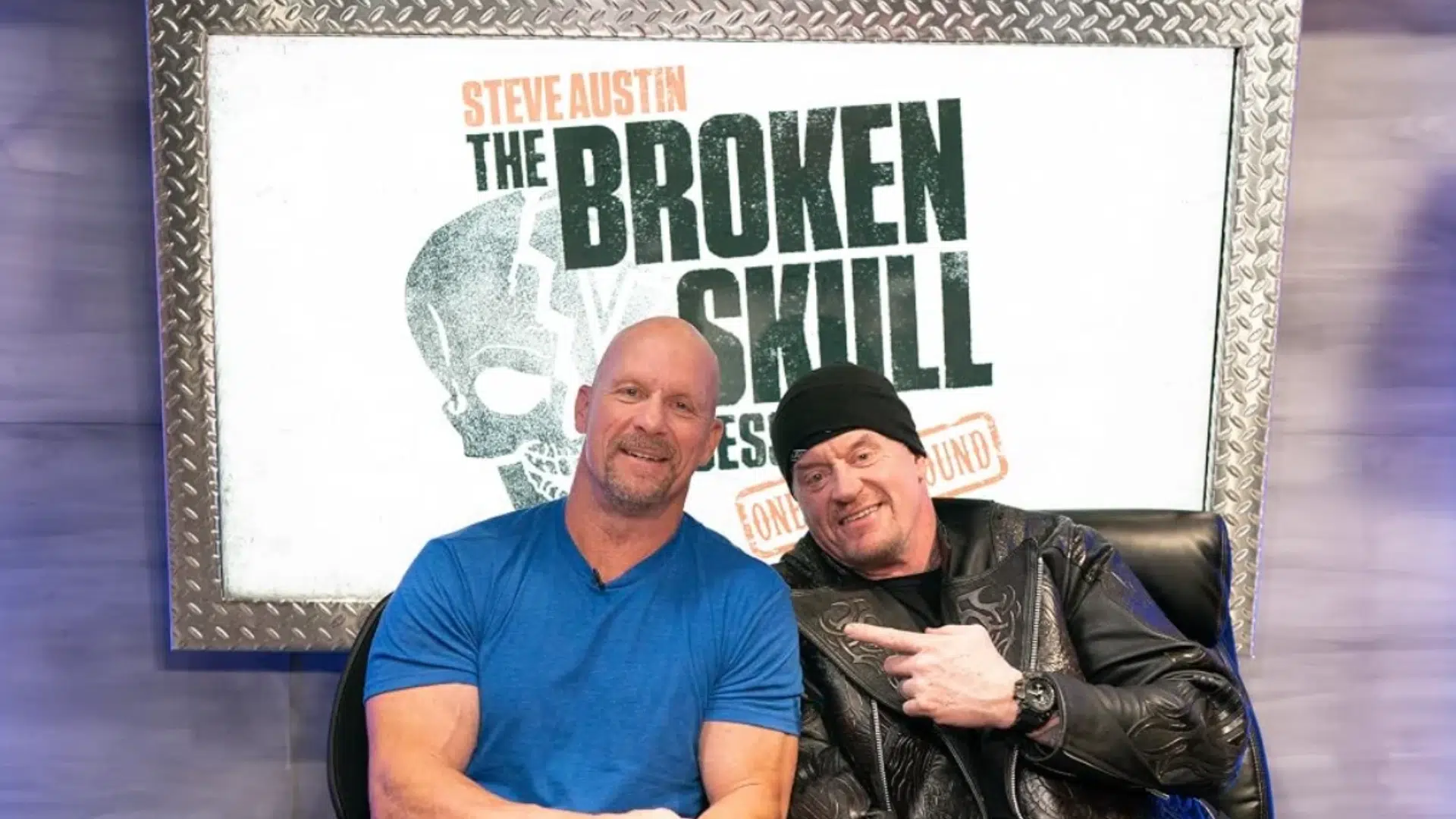
- Digital Media: His interview-driven series, Steve Austin’s Broken Skull Sessions on Peacock/WWE Network, paired with his independent podcasting ventures, created a continuous pipeline of media revenue.
Endorsements and Entrepreneurial Ventures
Unlike modern influencers who rely on third-party sponsorship deals, Austin leveraged his rugged persona into equity-backed business ventures:
- Broken Skull Beer: In collaboration with the El Segundo Brewing Company, Austin developed the Broken Skull brand, featuring IP-driven craft beers like Broken Skull IPA. This venture gives him a direct stake in a physical consumer-packaged-goods (CPG) market.
- The Broken Skull Ranch: Located in South Texas, this sprawling property serves as both his personal sanctuary and the physical branding inspiration for his media and beverage lines.
- Corporate Appearances & Conventions: Austin commands immense fees for private corporate bookings, autograph conventions (such as WWE World events), and cameo appearances, with per-appearance fees frequently estimated between $100,000 and $250,000.
Official Statements and Industry Context
While Austin maintains a relatively private lifestyle regarding his exact bank statements, he has frequently addressed the business realities of the wrestling industry in interviews. On various podcast episodes and media tours, he has openly discussed the grueling physical toll required to earn top-dollar contracts during the late 1990s.
Industry executives, including former WWE CEO Vince McMahon and retired head of talent relations Jim Ross, have frequently cited Austin as the single most profitable box-office attraction of the Monday Night War era. Ross, in particular, has noted that Austin’s merchandise sales during 1998 and 1999 single-handedly subsidized significant operational overhead for the company, establishing a symbiotic financial relationship where Austin’s individual prosperity mirrored WWE’s historic corporate growth.
Future Outlook
As of 2026, Steve Austin remains an active and valuable property within the sports entertainment landscape. Operating under an exclusive WWE Ambassador contract rather than an active-competitor agreement, Austin continues to selectively leverage his brand.
- In-Ring Status: Following his critically praised, surprise in-ring return match against Kevin Owens at WrestleMania 38 in 2022, and subsequent brief physical appearances (such as driving an ATV at WrestleMania 41), Austin has indicated that while his body remains capable, he views his wrestling career as definitively closed.
- Upcoming Engagements: Industry reports frequently link Austin to high-profile promotional discussions for upcoming milestone events, including potential involvement leading into WrestleMania 43.
Financially, Austin sits in an enviable position of semi-retirement. With his passive merchandise royalties, historical video game licensing, ongoing craft beer sales, and lucrative corporate ambassador duties, his wealth is protected by a diversified portfolio that shields him from market volatility.
Conclusion
The financial legend of "Stone Cold" Steve Austin matches his in-ring legacy: aggressive, calculated, and wildly successful. While speculative internet blogs will continue to throw around baseless nine-figure valuations, a sober economic analysis places his net worth solidly around $30 million to $35 million.
From the smoke-filled arenas of the territorial days to the pyrotechnics-laced main events of the Attitude Era, and onward into modern craft brewing and digital media, Austin mastered the art of turning a rebellious persona into a generational financial empire. For the Texas Rattlesnake, bottom line calculations prove that the business of raising hell remains extraordinarily lucrative.