In the modern music industry, the intersection of pop culture and geopolitical activism has never been more perilous. Artists are increasingly expected to leverage their massive platforms to take definitive stances on global humanitarian crises, transforming arenas and stadiums into ideological battlegrounds.
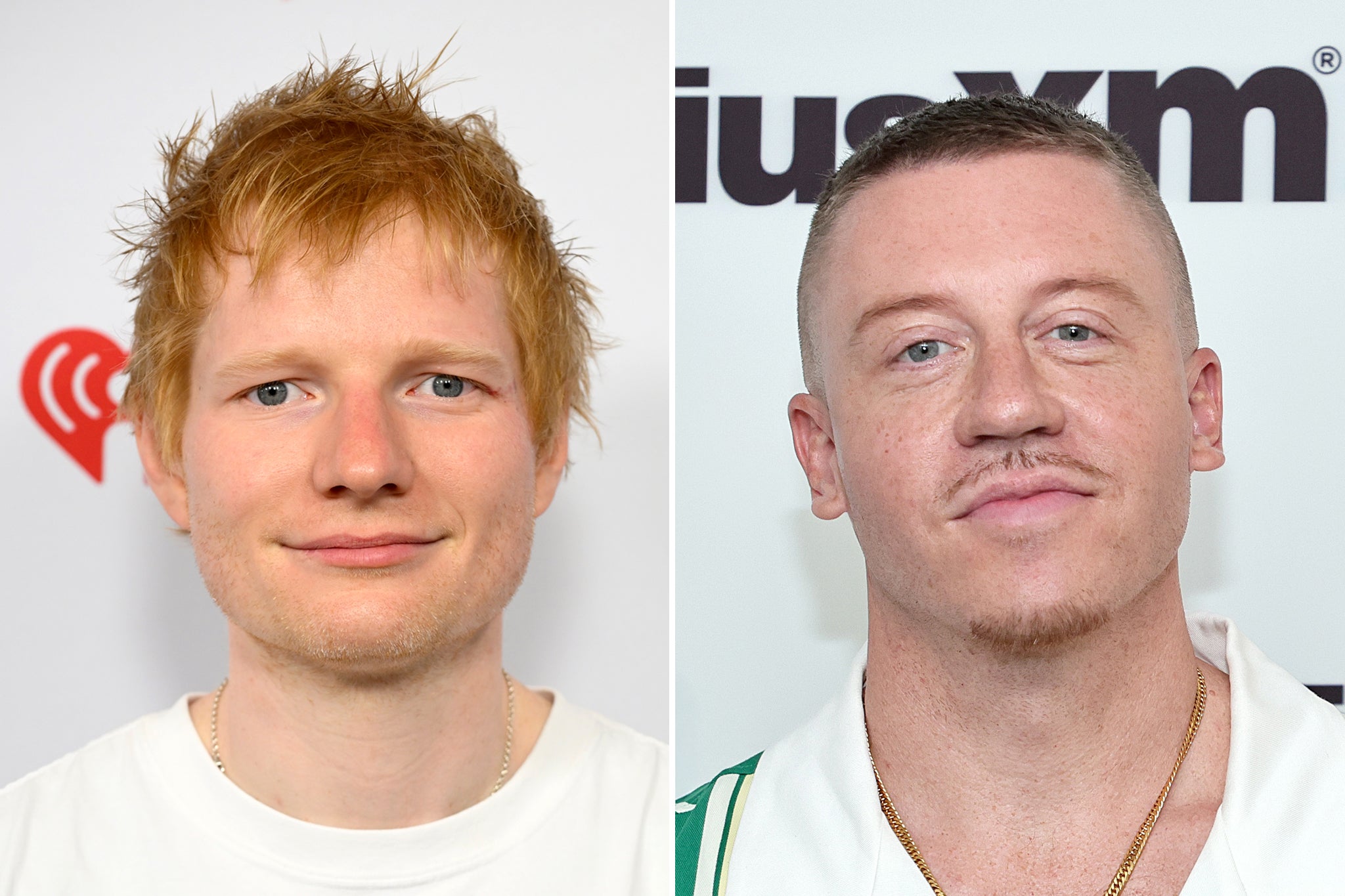
This tension reached a fever pitch following a high-profile controversy surrounding British singer-songwriter Ed Sheeran, billionaire venue owners, and rapper Macklemore.
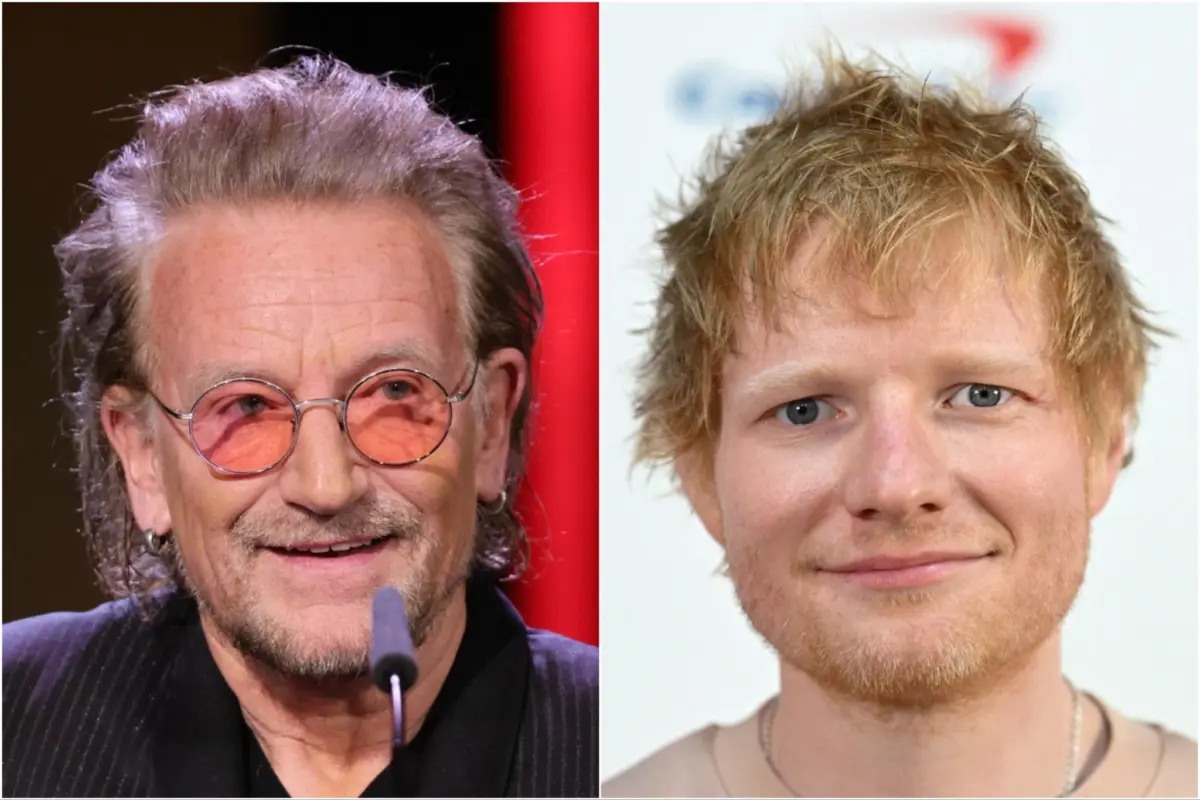
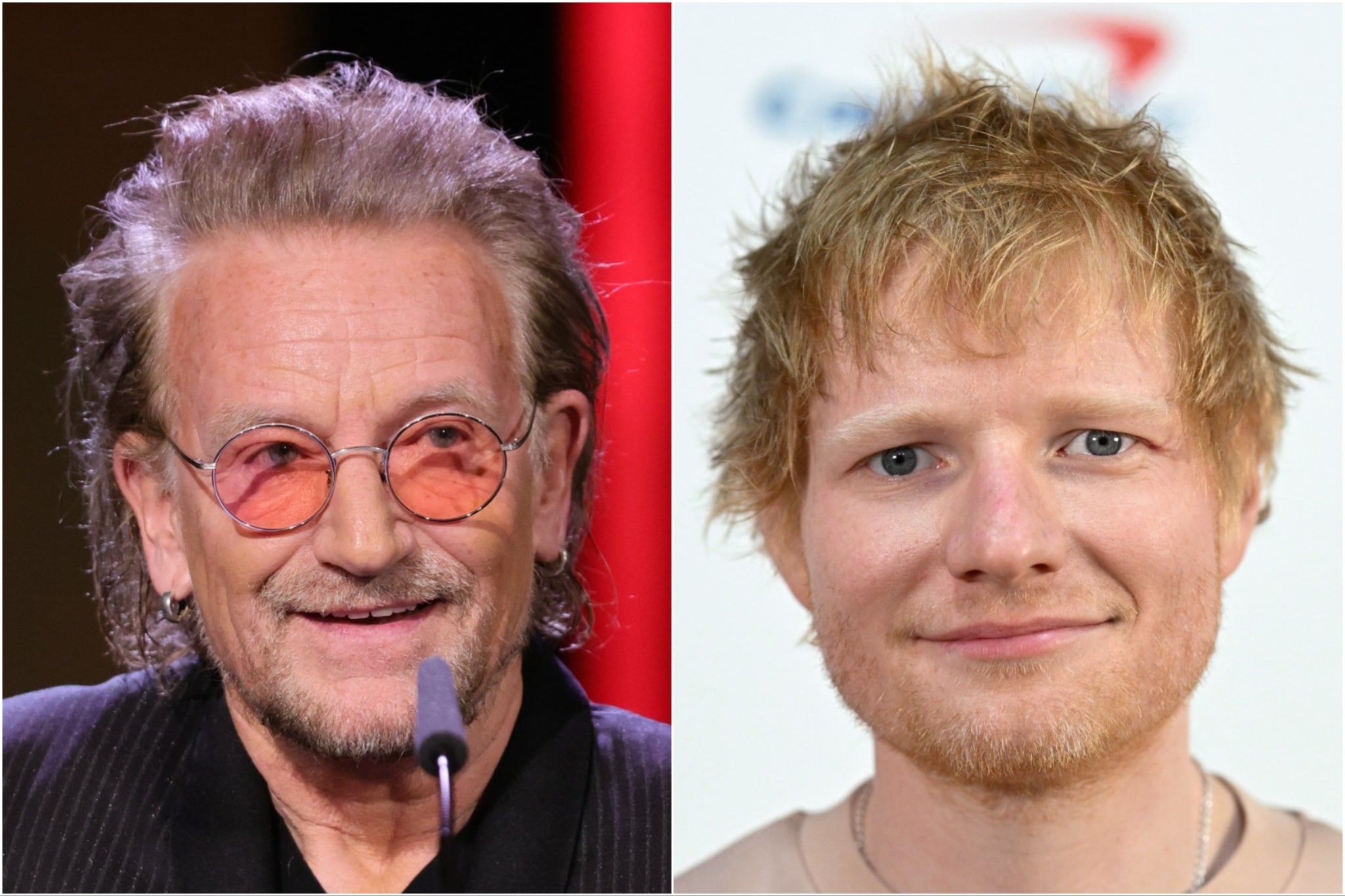
Adding a new layer of complexity to this ongoing debate, U2 frontman Bono has revealed that Sheeran was remarkably reluctant to engage with political and humanitarian themes during their recent collaboration on the song "Yours Eternally."
Speaking in a wide-ranging interview with Rolling Stone U.K., Bono shed light on Sheeran’s steadfastly apolitical posture. While U2 members Bono and drummer Larry Mullen Jr. advocated for an empathetic, nuanced understanding of artists’ individual boundaries regarding politics, the broader fallout surrounding Sheeran’s tour highlights a deeper cultural reckoning.
As fans, protesters, and fellow artists grapple with what is expected of contemporary icons, the line between personal artistic freedom and corporate censorship is blurring. This in-depth report examines the chronology of the Sheeran-Macklemore controversy, the insights offered by U2, the financial and logistical impacts on live touring, and the future of celebrity activism in an increasingly polarized world.
Detailed Chronology: The Anatomy of a Tour Fallout
The Catalyst: Macklemore, Gillette Stadium, and the Call from Robert Kraft
The crisis currently enveloping Ed Sheeran’s U.S. tour began behind closed doors when prominent music promoters and venue executives intervened in the lineup. The friction came to a head when New England Patriots owner Robert Kraft—who serves as the CEO of the Kraft Group, which owns Gillette Stadium—personally contacted Ed Sheeran.
According to reports surrounding the incident, Kraft informed Sheeran that rapper Macklemore would not be permitted to perform at the venue. The decision was directly tied to Macklemore’s vocal and public advocacy for Palestinian rights, underlined by his slogan-heavy "Free Palestine" remarks.
Faced with the prospect of losing major stadium dates or acquiescing to venue-level vetoes, Sheeran made the decision to drop Macklemore from the remainder of his U.S. tour.
The Immediate Backlash and Tour Defections
The removal of Macklemore triggered an immediate wave of industry and fan backlash. Rather than viewing the move as a neutral logistical change, critics interpreted it as a capitulation to corporate censorship and an endorsement of silence regarding the devastating conflict in Gaza.
The fallout was swift and tangible. Several supporting acts scheduled to open for Sheeran on the tour withdrew in protest. Notably, Irish singer Aaron Rowe and American producer Finneas pulled out of their performance slots, signaling a rare and potent act of solidarity from within the touring community.
By the time Sheeran took the stage for his first concert without Macklemore, the atmosphere outside the venue was charged. Pro-Palestine demonstrators gathered in force, chanting slogans and holding signs denouncing the decision, setting a tense tone for the remainder of the tour’s American run.
Sheeran’s Onstage Apology and Clarification
Recognizing the mounting pressure and the emotional toll on his fanbase, Sheeran addressed the controversy directly from the stage at Lincoln Financial Field. Reading carefully from a teleprompter, an visibly emotional Sheeran offered an apology to fans disappointed by the lineup changes.
"I want my music and shows to be about unity, not division; about humanity, not politics," Sheeran told the stadium crowd.
In an effort to clarify his personal stance amidst accusations of complicity, Sheeran addressed the Israel-Palestine conflict directly, stating: "What happened in Israel, and at the music festival on October 7th was horrific and compounded centuries of Jewish pain. What is happening in Gaza is catastrophic and unjustifiable and disproportionate."
Despite this statement, Sheeran’s prior insistence that he was "not complicit" while refusing to engage in public political debates failed to quell the controversy.
Supporting Context & Metrics: The Mechanics of Modern Boycotts
The tension between Ed Sheeran and his collaborators reflects broader structural realities within the live entertainment industry. Touring on an international scale requires coordination among multinational booking agencies, corporate venue conglomerates, and high-net-worth investors. When geopolitical flashpoints collide with these financial ecosystems, the friction can derail multi-million-dollar itineraries.
Macklemore’s Counter-Move and Immediate Commercial Success
While Sheeran navigated protests and declining support acts, Macklemore leveraged the momentum to establish an independent platform. The rapper announced a dedicated headlining trek titled the "Free Palestine tour," with proceeds earmarked for organizations actively supporting Palestinians in need.
The commercial response to Macklemore’s tour demonstrated the potent market viability of overt political alignment:
Markets Included: High-demand international cultural hubs, including Paris, London, and Dublin.
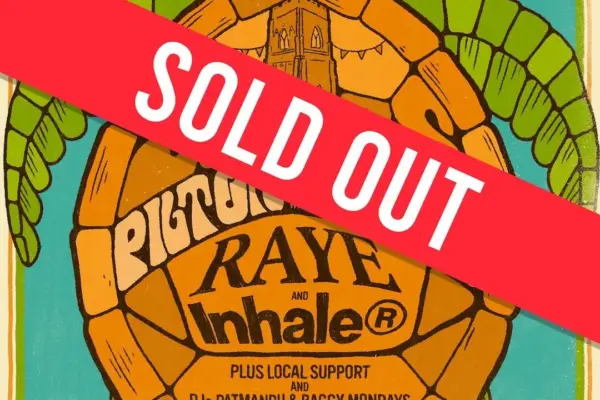
Sales Velocity: According to announcements made by the artist, tickets for the entire run sold out almost instantaneously upon release.
Financial Impact: Millions of dollars in direct-to-charity funding are projected to flow from the tour, proving that taking a controversial political stance can sometimes galvanize a fiercely loyal, dedicated base of concertgoers.
The Role of Corporate Gatekeepers
The involvement of figures like Robert Kraft highlighted a growing concern among musicians regarding corporate influence over artistic expression. While venue owners have historically managed logistics, security, and liquor licensing, exercising veto power over a supporting artist’s political speech represents a significant escalation in corporate gatekeeping.
For veterans like U2, this corporate overreach crosses a definitive red line. While band members defended an artist’s right to remain apolitical, they drew a sharp distinction when billionaire stakeholders attempted to dictate stage content and artist line-ups.
Official Statements: Perspectives from Bono, Larry Mullen Jr., and Ed Sheeran
The cultural debate surrounding the responsibilities of pop stars was addressed directly by members of U2 in their recent interview with Rolling Stone U.K., offering profound insight into the pressures faced by contemporary artists.
Bono on Collaborating with Ed Sheeran and "Yours Eternally"
Bono pulled back the curtain on his own creative interactions with Sheeran earlier in the year, when the British pop star collaborated with U2 on the poignant track "Yours Eternally." The song, which also features Ukrainian singer Taras Topalia, was written from the raw perspective of a Ukrainian soldier fighting on the front lines against the Russian invasion.
According to Bono, Sheeran expressed immediate hesitation about stepping into the political fray:
“When we did ‘Yours Eternally,’ he was saying, ‘You’re not going to get me into politics, are you?’ And I said, ‘This soldier who inspired us, he loved you Ed, and you’ve worked on this song.’ And Ed responded: ‘Yeah, but I just want to keep my thing free.’”
Reflecting on the exchange, Bono emphasized that artists cannot be coerced into political stances, noting that the interaction taught him "you can’t be pushing people around."
At the same time, Bono placed the entire discourse into a broader philosophical framework, quoting visionary musician and producer Brian Eno:
“Brian Eno said today that pop stars are like little fish in a large sea of huge forces and religion and politics. And so I don’t want to dwell on Ed and Macklemore and that incident.”
Larry Mullen Jr. on Artistic Autonomy and Corporate Interference
U2 drummer Larry Mullen Jr. expanded on the discussion, defending the individual artist’s right to choose whether or not to engage in political discourse. He noted that icons like Bob Geldof have expressed similar sentiments regarding the sheer complexity of global conflicts.
“Brian Eno was saying that artists choose whether they want to be involved, and they are entitled to choose whether they want to be involved or not,” Mullen stated. “And it’s not our job to criticize that, no matter how we feel. He said that it takes time for these things to evolve and people to come to realizations… I really appreciated hearing that because it is confusing and it is complicated.”
However, Mullen drew a hard line when discussing external pressure from corporate financiers and venue owners:
“We are absolutely clear about promoters or billionaire owners and the idea that they could have some influence on what you say or what you do on a stage.”
Future Outlook: The New Frontier of Music and Geopolitics
As Ed Sheeran prepares to take the stage in Atlanta for the next leg of his ongoing tour, the reverberations of the Macklemore dispute will likely continue to influence his interactions with fans, media, and industry peers. The episode serves as a watershed moment for the music industry, raising critical questions that will define the touring landscape for years to come.
Key Questions for the Industry’s Future:
Can Apolitical Stances Survive in a Hyper-Polarized Era? As audiences demand moral clarity from cultural leaders, the traditional playbook of maintaining a purely "neutral" brand image is becoming increasingly untenable for major global superstars.
Where Does Curation End and Censorship Begin? The involvement of venue owners in dictating tour lineups based on an artist’s personal political views threatens to establish a chilling precedent for free expression in live entertainment.
How Will Independent Artists Navigate the Landscape? Conversely, Macklemore’s instant sell-out success demonstrates that embracing controversial humanitarian causes can create resilient, highly engaged alternative touring circuits outside the traditional corporate stadium ecosystem.
Ultimately, Bono’s reflections on Ed Sheeran—combined with the sharp commentary from U2—illustrate that the music world is wrestling with a profound identity crisis. Whether pop stars choose to embrace the mantle of activism or retreat into the protective shell of pure entertainment, the global forces of politics and culture will continue to press hard against the stage doors.