Executive Overview
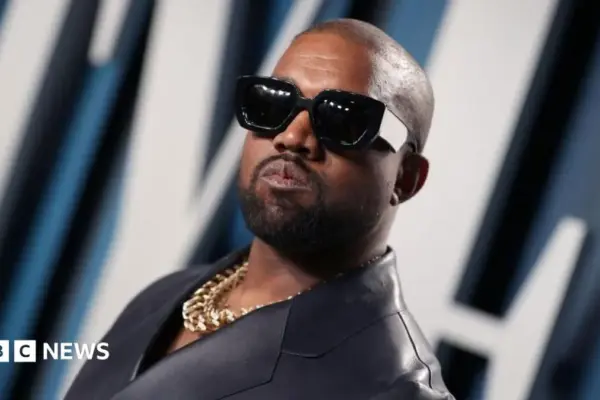
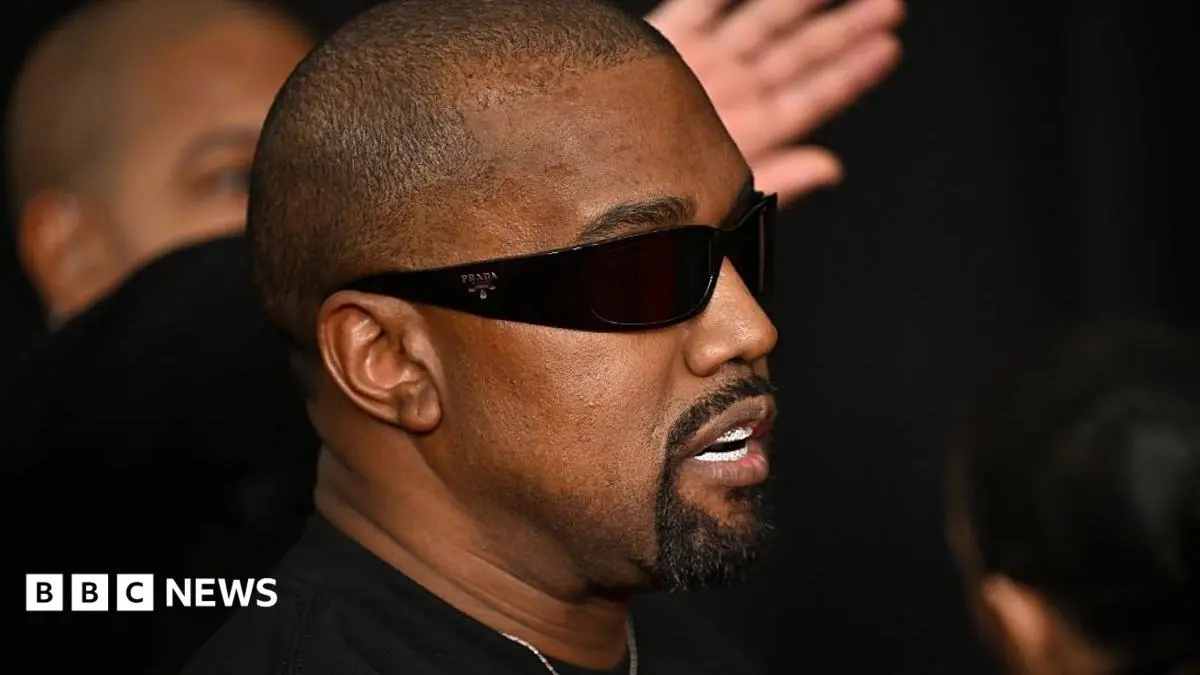
The intersection of art, geopolitical tension, and personal controversy has once again culminated in high-profile disruption, as American rapper and producer Kanye West—who now legally goes by Ye—faces a sweeping wave of international concert cancellations. What was initially marketed as a triumphant global return to the stage following a self-imposed hiatus and a string of erratic public behavior has devolved into a logistical and diplomatic nightmare.
The most recent flashpoint centers on proposed performances in Russia, where plans for high-profile shows triggered immediate, fierce condemnation from the highest levels of the Russian government. The Foreign Ministry, led by outspoken spokeswoman Maria Zakharova, publicly blasted the planned concerts, drawing a direct parallel between West’s recent provocative behavior and the Western world’s alleged "glorification" of Adolf Hitler. Zakharova’s remarks underscored the historical sensitivity of such symbolism in a nation that suffered catastrophic losses during the Nazi invasion in World War Two—often referred to in Russia as the Great Patriotic War.
Compounding the governmental opposition, influential pro-war Russian military bloggers and commentators raised pointed questions regarding the appropriateness of hosting a prominent American artist at a time when the United States government continues to provide substantial financial, logistical, and military support to Ukraine amidst the ongoing armed conflict.
However, Russia is merely the latest in a mounting series of international roadblocks for the controversial artist. From the United Kingdom to Poland, Italy, and France, West’s global itinerary has faced systematic dismantling. Promoters have found themselves forced to pull the plug on major appearances due to a toxic mix of regulatory bans, security concerns, venue pushback, and public outcry. This cascading series of cancellations paints a vivid picture of an artist increasingly alienated from mainstream international stages, struggling to reconcile his artistic ambitions with the fallout of his own inflammatory rhetoric and shifting geopolitical alignments. As West maintains a conspicuous public silence regarding the collapse of his Russian dates, industry insiders and cultural analysts are left to evaluate the long-term viability of his career on the global stage.
Detailed Chronology of a Tour in Crisis
To understand the current state of Kanye West’s international performance schedule, one must trace the trajectory of his attempts to re-establish a live touring footprint over the past several years. Following a prolonged period away from major concert venues—fueled by controversies, mental health battles, and erratic public outbursts—West attempted a tentative comeback in the spring.
The Los Angeles Resurgence and Early European Dates
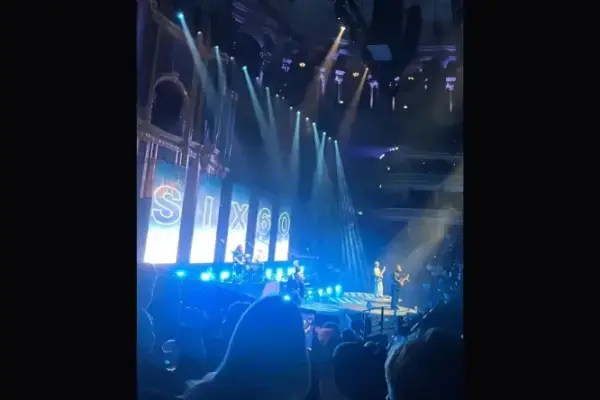
In April, West delivered his first major concert in the United States in more than five years, taking over a stage in Los Angeles. The performance was treated by his core fanbase as a watershed moment, signaling a potential return to the live arena. Buoyed by this momentum, West and his production teams quickly looked outward, targeting international markets to capitalize on his enduring global streaming numbers and devoted cult following.
In the weeks and months following the Los Angeles comeback, West managed to execute a handful of successful performances in select European territories, including stops in Spain, Portugal, and the Netherlands. These shows, while occasionally drawing criticism regarding production quality and West’s improvisational setlists, proved that a market still existed for his live spectacles.
The London Wireless Festival Collapse
The fragility of West’s international tour strategy became glaringly apparent last summer. Organizers of London’s prestigious Wireless Festival had secured West as their marquee headlining act, anticipating a massive economic and cultural draw. However, the plans were upended when immigration and security authorities effectively barred West from entering the United Kingdom.
The travel restriction dealt a fatal blow to the festival’s planning. Unable to secure their primary headliner on short notice, organizers were forced into the humiliating position of canceling the entire event. The Wireless Festival fallout served as an early warning sign to international promoters that booking West carried an unprecedented level of regulatory and reputational risk.
Continental Rejections: Poland, Italy, and France
As the summer progressed, the dominoes continued to fall across continental Europe. Planned concert dates in Poland, Italy, and France—countries with stringent public assembly laws and zero-tolerance policies toward hate speech and provocative public imagery—quietly vanished from the calendar. In many cases, local authorities, venue owners, and municipal councils intervened to prevent West from securing permits, citing public safety concerns and the potential for civil unrest.
Venues that had initially entertained lucrative booking proposals ultimately backed away, recognizing that hosting the rapper could invite severe public backlash, protests, and potential damage to their corporate reputations.
The Russian Controversy
The crisis reached a geopolitical crescendo with the targeting of Russia as a potential tour stop. For months, rumors had swirled regarding negotiations to bring West to Moscow for a stadium-scale production. While proponents of the show viewed it as a groundbreaking cultural exchange, critics immediately recognized the explosive nature of the proposal.
Russia’s historical memory of the Second World War remains deeply etched into the national consciousness. The country lost an estimated 27 million military and civilian lives during the Nazi invasion—a trauma that is actively invoked in modern Russian political discourse. Against this backdrop, West’s recent behavior in the West—specifically his flirtation with Nazi imagery and antisemitic tropes—provided Russian officialdom with an opening to seize the moral high ground.
The cancellation of the Russian shows highlights a complex matrix of domestic opposition within Russia. While state figures like Maria Zakharova framed the rejection around moral and historical grounds, nationalist and pro-war bloggers approached the matter through a lens of geopolitical realpolitik. For these commentators, welcoming an American billionaire and cultural icon into the Russian capital while US-supplied missiles targeted Russian positions was viewed as an unacceptable contradiction. The convergence of state condemnation and nationalist pressure ultimately ensured that the Russian dates were dead on arrival.
Supporting Context & Metrics: The Anatomy of a PR Disaster
To fully grasp why international promoters and governments are slamming the door on Kanye West, one must examine the specific timeline of controversies that transformed the artist from a celebrated musical visionary into a toxic asset for global entertainment conglomerates.
The Pivot to Extremism and Provocative Merchandise
The seeds of West’s current global ostracization were planted during a sustained period of erratic public statements and extremist associations that escalated significantly. West began utilizing his immense platform to air antisemitic conspiracy theories, culminating in public declarations praising Adolf Hitler and denying the historical scale of the Holocaust during interviews with fringe media outlets.
These verbal outbursts quickly translated into commercial and artistic provocations. In early 2025, reports surfaced regarding West’s enterprises exploring the production and distribution of merchandise bearing modified swastika designs. Furthermore, musical releases and unreleased studio tracks leaked or distributed through his channels—including a song reportedly titled "Heil Hitler"—cemented the perception that his provocations were no longer mere eccentricities, but deliberate, calculated dives into neo-Nazi aesthetics.
In the global music marketplace, where corporate sponsorships, municipal permits, and international travel visas are heavily contingent upon public safety and corporate social responsibility metrics, these actions crossed insurmountable red lines.
Metrics of Isolation: Tour Cancellations at a Glance
| Territory / Event | Nature of Booking | Status | Primary Cause of Cancellation |
|---|---|---|---|
| United Kingdom (Wireless Festival) | Festival Headliner | Cancelled | Denied entry into the UK; total event cancellation. |
| Poland | Arena Tour Stop | Cancelled | Municipal pushback and regulatory concerns. |
| Italy | Stadium Concerts | Cancelled | Venue withdrawal and public safety evaluations. |
| France | Arena Tour Stop | Cancelled | Local authority resistance and protest threats. |
| Russia (Moscow) | Stadium Production | Scrapped | Government condemnation and nationalist backlash. |
The financial implications of these cancellations are staggering. Major arena and stadium tours are capital-intensive operations requiring significant upfront investments in production design, freight logistics, insurance, and venue rentals. With multiple legs of an international tour collapsing at the eleventh hour, West and his supporting financial backers face immense liabilities, unrecoverable deposits, and skyrocketing insurance premiums. Standard cancellation insurance typically excludes losses stemming from an insured party’s own intentional misconduct or foreseeable regulatory bans triggered by public hate speech, leaving West to shoulder the fiscal burden of his reputational fallout.
Official Statements and Diplomatic Fallout
The cancellation of West’s proposed Russian dates stands out not merely as a standard promoter dispute, but as a notable diplomatic and cultural exchange played out on the global stage. The official responses from Russian state representatives provide a fascinating window into how external political actors weaponize Western cultural controversies for their own rhetoric.
Maria Zakharova and the Russian Foreign Ministry
Addressing the media regarding the widespread reports of West’s planned performances in Moscow, Russian Foreign Ministry spokeswoman Maria Zakharova delivered a scathing critique that bridged historical trauma with contemporary Western hypocrisy.
"Russia was invaded by the Nazis in World War Two, and the collective memory of that sacrifice is sacred to our people," Zakharova stated, framing the very idea of hosting an artist accused of promoting Nazi ideology as an affront to national dignity. She explicitly pointed to what she characterized as the West’s broader, systemic "glorification" of Hitler and fascist symbolism, suggesting that Western societies had cultivated an environment where such behavior was tolerated until it became inconvenient.
Zakharova’s remarks served a dual purpose within the current geopolitical landscape. Domestically, they reassured conservative and patriotic factions that the Russian government remained vigilant against external cultural influences perceived as degenerate or offensive. Internationally, they allowed Moscow to position itself as a defender of historical truth and traditional values against the perceived moral decay of the Western cultural apparatus—even as the same Russian state maintains adversarial relations with Western governments.
The Voice of the Pro-War Bloggers
Parallel to the official government stance, Russia’s influential digital ecosystem of pro-war military bloggers (milbloggers) mobilized against the concert proposals. Operating on Telegram and other decentralized platforms, these commentators wield considerable sway over nationalist public opinion in Russia.
Prominent military bloggers questioned the cognitive dissonance of rolling out the red carpet for a prominent American citizen while the United States government continued to supply billions of dollars in advanced weaponry, intelligence, and military hardware to Ukraine.
"While American artillery shells and HIMARS systems are deployed to kill our soldiers on the frontline, there are those in Moscow willing to enrich an American billionaire who mocks our history," wrote one prominent pro-war channel with hundreds of thousands of subscribers.
This domestic pressure created an untenable environment for any commercial promoter hoping to secure state clearance or municipal permits for the event. In contemporary Russia, aligning with projects that draw the ire of both the Foreign Ministry and the nationalist military community is a fatal commercial miscalculation.
Future Outlook: Can Ye Salvage His Global Brand?
As Kanye West maintains a conspicuous public silence regarding the collapse of his Russian dates and the wider systemic cancellation of his international tour, industry analysts are left to ponder the long-term trajectory of one of the 21st century’s most influential cultural figures.
The Shrinking Sandbox of International Touring
The immediate future for West as a global live act appears severely constricted. International touring is a heavily interconnected ecosystem reliant on the cooperation of multinational booking agencies, local promoters, immigration authorities, and major venue conglomerates. When an artist becomes radioactive across multiple major jurisdictions—ranging from the stringent regulatory environments of Western Europe to the politically sensitive arenas of Eastern Europe—the logistical pathways for a cohesive world tour evaporate.
Promoters are inherently risk-averse entities. The prospect of investing millions of dollars into production logistics only to face last-minute visa denials, municipal bans, worker strikes, or mass public protests makes booking West an unacceptable business risk. Furthermore, major corporate insurance underwriters are increasingly unwilling to back tours associated with high levels of volatility and controversial public conduct, driving operating costs to prohibitive heights.
Artistic Isolation vs. Digital Isolation
Historically, West has thrived on controversy, often utilizing public backlash as fuel for his creative output and marketing campaigns. The "press is bad press" ethos has sustained his career through numerous previous scandals, from award-show interruptions to erratic political pronouncements.
However, the current phase of his career differs fundamentally from past controversies. Previous backlashes were largely ideological or behavioral; the current wall of resistance is structural and geopolitical. When sovereign states like the United Kingdom bar an artist from entry, and when major global powers like Russia publicly denounce an entertainer for invoking Nazi symbolism, the artist moves from being a provocative countercultural figure to a persona non grata on the world stage.
Whether West will pivot toward entirely independent, digital-first distribution models—bypassing traditional live venues and municipal infrastructure altogether—remains to be seen. Rumors of subterranean listening parties, digital-only album drops, and decentralized streaming experiments suggest he may attempt to retreat into a digital fortress surrounded by his most loyal, insulated fanbase.
Yet, for an artist whose creative peak was defined by the communal euphoria of sold-out stadiums and massive global gatherings, the loss of the international stage represents a profound diminution of his cultural footprint. As long as the geopolitical and moral fallout of his rhetoric continues to precede him across borders, Kanye West’s grand global tour will remain a monument to self-sabotage—a series of ghost dates written in the margins of a career consumed by its own fire.