Executive Overview
In a landmark agreement that bridges the worlds of high-concept performance art and electronic pop music, pioneering New York art-pop duo Fischerspooner have officially partnered with Demon Records for a comprehensive, multi-tiered catalogue reissue campaign. The initiative promises to rescue rare pressings, unreleased archives, and boundary-pushing visual media from obscurity, preserving one of the early 2000s’ most intellectually rigorous and visually stunning musical experiments for contemporary audiences and future generations alike.
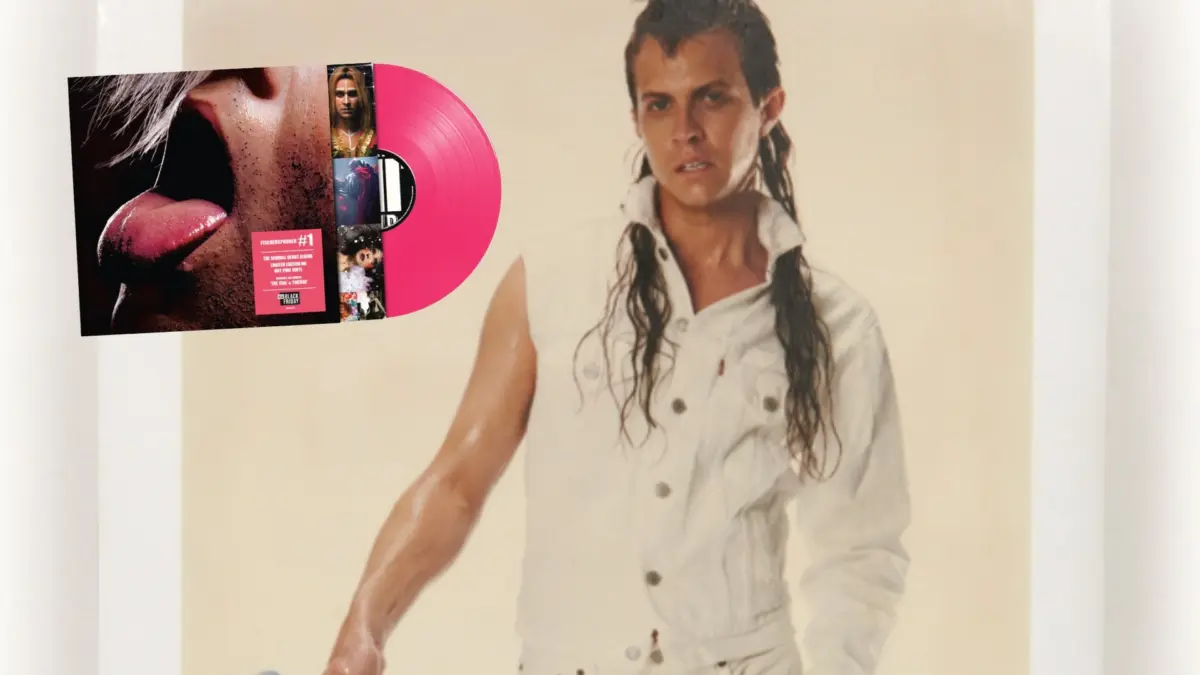
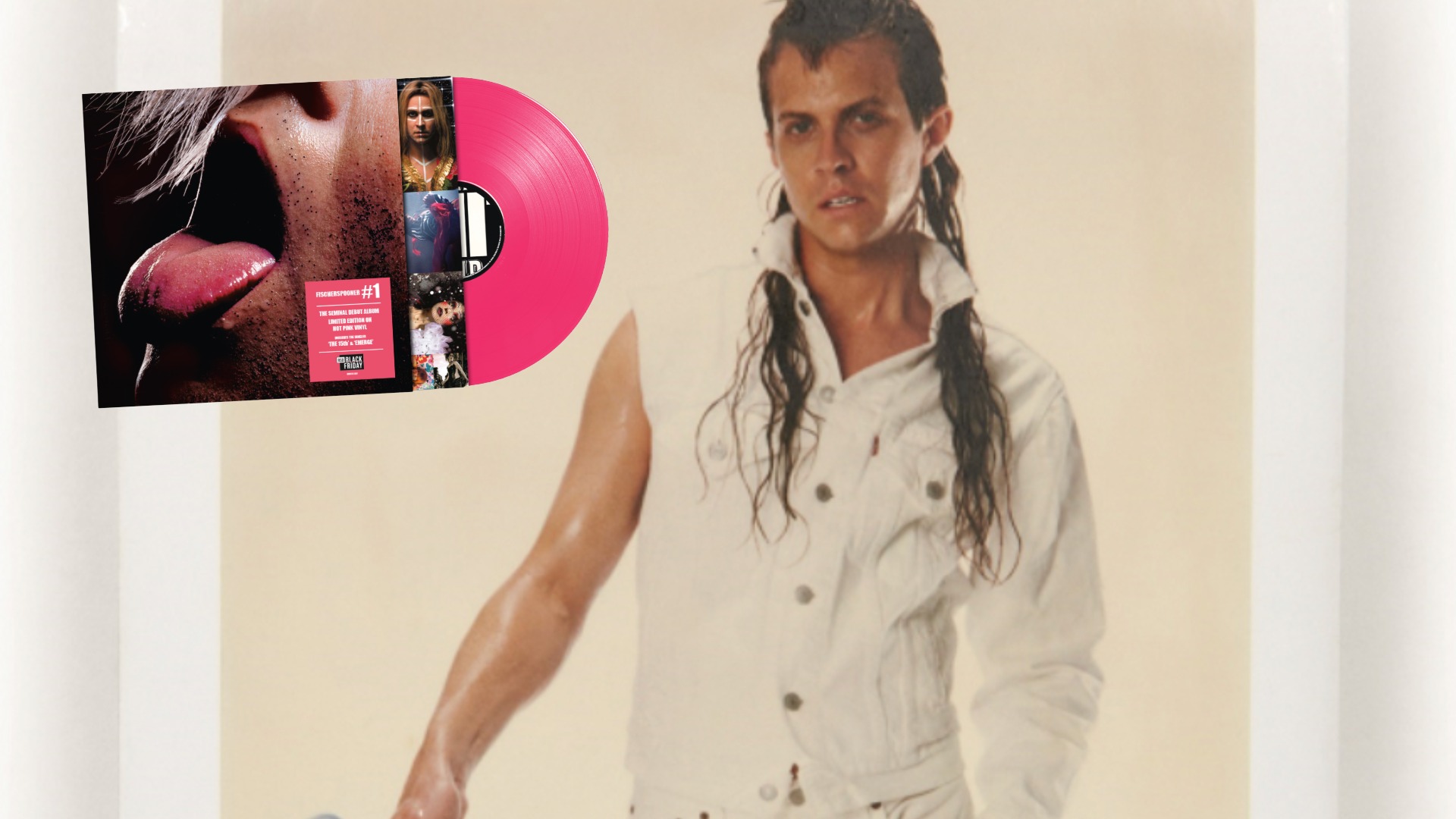
The campaign launches on November 27 with a striking, limited-edition hot pink vinyl pressing of the duo’s seminal 2001 debut studio album, #1. This release marks the first time the record has been officially pressed on vinyl since its initial, highly coveted early-2000s run. Available exclusively through participating independent record stores as part of this year’s Record Store Day Black Friday event, the release is expected to trigger a wave of nostalgia and critical reappraisal among collectors and electronic music aficionados.
Beyond the immediate holiday release, the partnership between Fischerspooner and Demon Records is set to span several years, culminating in a definitive, comprehensive box-set scheduled for release in spring 2027. This forthcoming archive will delve deep into the vaults of a project that fundamentally challenged the boundaries of pop stardom, performance art, and commercial electronic music.
Founded in New York City in 1998 by classically trained musician Warren Fischer and performance artist Casey Spooner, Fischerspooner emerged during a fertile downtown era that birthed the global electroclash and indie-sleaze movements. Renowned for their theatrical live shows—which synthesized high fashion, elaborate set designs, conceptual dance, and booming electro-pop hooks—the duo carved out a distinct niche that caught the attention of global tastemakers. Over the past two and a half decades, their influence has reverberated far beyond their own discography; their razor-sharp remix credits include high-profile re-workings of tracks for pop royalty such as Kylie Minogue and indie-rock icons The Killers.
This extensive retrospective campaign arrives at a culturally pivotal moment. As contemporary music culture increasingly re-evaluates the intersection of digital irony, camp aesthetics, and avant-garde performance, Fischerspooner’s early work reads less like a historical artifact and more like a visionary blueprint for modern pop autonomy.
Detailed Chronology: From Lower Manhattan Experiment to Global Electroclash Pioneers
1998–2000: The Genesis of an Art Project
To understand the cultural weight of Fischerspooner’s catalogue being archived and reissued, one must trace the project back to its humble, highly conceptual origins in the late 1990s downtown New York art scene. Long before they were scoring international chart placements or headlining major European festivals, Warren Fischer and Casey Spooner conceived the act as a living, breathing experiment.
Fischer, possessing a rigorous background in classical composition and sound engineering, and Spooner, an ambitious multidisciplinary performance artist steeped in theatricality and visual critique, crossed paths in the vibrant cultural crucible of New York. Rather than forming a traditional band to play smoky dive bars for standard gig fees, the duo sought to subvert the machinery of the mainstream entertainment industry. They treated Fischerspooner not merely as a musical vehicle, but as a conceptual critique of celebrity, capitalism, and pop production.
In its earliest incarnations, Fischerspooner was performed as underground theatre. Shows were staged in non-traditional spaces—art galleries, warehouses, and unconventional performance venues—where music was paired with elaborate choreography, jarring projections, and radical costume design. They were questioning, in real-time, what corporate entertainment was, how pop stars were manufactured, and where the line between sincerity and irony truly lay.
2001–2003: The Release of #1 and the Electroclash Explosion
By the turn of the millennium, the duo had begun translating their theatrical performance pieces into recorded music. This creative pivot materialized in their debut album, #1. Self-released initially in limited quantities before being picked up by international labels, #1 became an instant touchstone for the burgeoning global electroclash movement.
Powered by infectious, minimalist synthesizer lines, deadpan vocal deliveries, and high-gloss production values, tracks like "Emergence" and "The 15th" (a brilliant cover of the Wire classic) captured the imaginations of underground club-goers and fashion insiders alike. However, it was the track "Emerge" that truly catapulted Fischerspooner into the global consciousness. Accompanied by a brilliantly slick, high-concept music video that parodied corporate boardroom culture and pop stardom, "Emerge" became an inescapable anthem of 2002/2003 European nightlife.
The live show supporting #1 was legendary. Expanding from a two-man operation into a massive touring troupe complete with dancers, costume changes, and theatrical lighting rigs, Fischerspooner transformed rock clubs and festival stages into high-art spectacles. It was during this whirlwind era that the music industry at large took notice of their unique sonic footprint, leading to high-profile remix requests from artists eager to capture a fraction of the duo’s avant-garde cool—most notably iconic Australian pop princess Kylie Minogue and Las Vegas alternative heavyweights The Killers.
2005–2018: Evolution, Major Label Eras, and Conceptual Maturity
As the electroclash wave crested and receded, Fischerspooner refused to rest on their laurels or settle into a predictable artistic formula. The duo transitioned from underground art darlings to sophisticated electronic pop auteurs, navigating major label deals and evolving their sound across subsequent studio albums.
Their sophomore LP, Odyssey (2005), showcased a more organic, song-driven approach, incorporating live instrumentation, lush vocal arrangements, and collaborations with legendary R.E.M. frontman Michael Stipe. While retaining their signature theatricality, the album proved that Fischer and Spooner were capable of writing emotionally resonant pop songs that transcended club floors.
Following a period of intense multidisciplinary exploration—during which Fischer focused on composing orchestral and cinematic music while Spooner pursued gallery installations, theatrical direction, and acting—the duo reunited to record their third studio album, Entertainment (2009). Produced in part by electronic music pioneer Jeff Buckley collaborator and producer extraordinaire, the album further refined their sophisticated synth-pop sensibilities.
Their final studio full-length to date, Sir (2018), served as a triumphant synthesis of their career. Executive produced by R.E.M.’s Michael Stipe and featuring collaborations with Blood Orange’s Dev Hynes, Sir was a deeply personal, politically charged, and sexually liberated electronic record that interrogated modern queer identity, heartache, and artistic survival.
Supporting Context & Metrics: The Economics of Physical Preservation and Vinyl Resurgence
The Vinyl Renaissance and the Value of #1
The decision by Demon Records to spearhead this reissue campaign arrives at a time of profound transformation within the physical music marketplace. Vinyl records have experienced a staggering global resurgence over the past decade, shifting from a niche collector’s hobby to a dominant commercial format. According to international recorded music trade data, vinyl sales have steadily outpaced compact discs in several major markets, driven largely by younger demographics seeking tangible connections to their favorite artists and older collectors valuing archival quality.
Despite this boom, seminal electronic music records from the turn of the millennium—particularly those released during the messy transition period between the physical CD era and the dawn of digital streaming—have often fallen into archival purgatory. Original pressings of Fischerspooner’s #1 have long commanded exorbitant prices on secondary collector markets like Discogs and eBay, often changing hands for hundreds of dollars due to the scarcity of the original early-2000s vinyl run.
By issuing #1 on vibrant hot pink vinyl for Record Store Day Black Friday, Demon Records is addressing a glaring gap in the market. This strategic release not only satisfies pent-up demand from die-hard collectors who missed out on the initial run, but also introduces a foundational electronic record to a new generation of music lovers who have discovered the duo through streaming algorithms and retrospective music journalism.
Archival Preservation in the Digital Age
The multi-year partnership with Demon Records goes far beyond simple commercial repressing; it represents a vital act of cultural preservation. In an era dominated by transient digital files and algorithmic streaming playlists—where master tapes can be lost in corporate buyouts or digital servers can suffer data degradation—physical and systematic archival work is more crucial than ever.
The forthcoming spring 2027 box-set promises to comprehensively document the expansive multimedia history of Fischerspooner. For an act whose output has always lived at the intersection of sound, fashion, photography, video art, and live performance, a well-curated physical box-set acts as a museum-quality catalog raisonné. It guarantees that the ephemeral energy of their late-90s and early-2000s interventions will be properly contextualized, cataloged, and preserved for future cultural historians, musicologists, and art enthusiasts.
Official Statements: Perspectives from the Creators
The announcement of the Demon Records campaign has elicited deep reflection from both founding members, who view the initiative not merely as a commercial rollout, but as a meaningful validation of their life’s work.
Reflecting on the genesis of the project and its quarter-century evolution, classically trained musician Warren Fischer offered deep insight into the foundational ethos of Fischerspooner:
"Fischerspooner started in 1998 as an experiment incorporating music, image, and performance to explore what entertainment was and could be. Sincere and absurd, I’m excited #1 is coming back on vinyl with Demon, so people can hear it again on its own terms, twenty-five years later."
Fischer’s emphasis on the duality of the project—balancing the "sincere and absurd"—encapsulates why the music has endured. While many electronic acts of the early 2000s leaned heavily into cynical irony, Fischerspooner approached their critique with genuine artistic rigor, treating catchy pop structures as a Trojan horse for high-art concepts.
Performance artist Casey Spooner echoed these sentiments, expressing profound gratitude for the institutional and archival backing provided by Demon Records. Highlighting the sheer volume of unreleased material sitting in their vaults, Spooner hinted at major revelations awaiting fans in the coming years:
"It’s exciting that all our creative work and history is being carefully preserved. To have all these ideas gathered in one place and properly archived is a huge gift. There’s so much more that hasn’t been seen and amazing stories yet to be told."
Spooner’s remarks underline the multidisciplinary nature of the upcoming campaign. Given the duo’s extensive history of producing avant-garde short films, radical fashion lookbooks, unreleased demo tracks, and rare live performance bootlegs, the roadmap toward the spring 2027 box-set is guaranteed to unearth treasures that will reshape how cultural critics view the early-2000s New York downtown art scene.
Future Outlook: What Lies Ahead on the Road to 2027
As the music world prepares for the November 27 release of the #1 hot pink vinyl edition, anticipation is already building for the rollout of subsequent catalogue titles over the next several years.
While Demon Records has kept specific details regarding the intermediate reissues under wraps, industry insiders speculate that subsequent phases of the campaign will likely see the first-ever wide vinyl reissues of Odyssey, Entertainment, and Sir, alongside curated EPs featuring rare remixes and B-sides.
The crowning achievement of the campaign—the comprehensive box-set slated for spring 2027—is expected to serve as the definitive scholarly and aesthetic statement on Fischerspooner’s career. For collectors, art historians, and pop music devotees, it represents an essential acquisition. It promises to capture the lightning-in-a-bottle energy of two artists who looked at the dawn of the 21st-century media landscape and decided to turn pop stardom into a canvas for radical, beautiful, and deeply entertaining conceptual art.
Release Summary Details:
- Initial Release: #1 (Debut Studio Album, 2001)
- Format: Limited Edition Hot Pink Vinyl LP
- Release Date: November 27 (Record Store Day Black Friday)
- Availability: Exclusively via participating independent record stores worldwide
- Long-Term Campaign: Multi-year catalogue rollout culminating in a comprehensive career-spanning box-set in Spring 2027 via Demon Records.