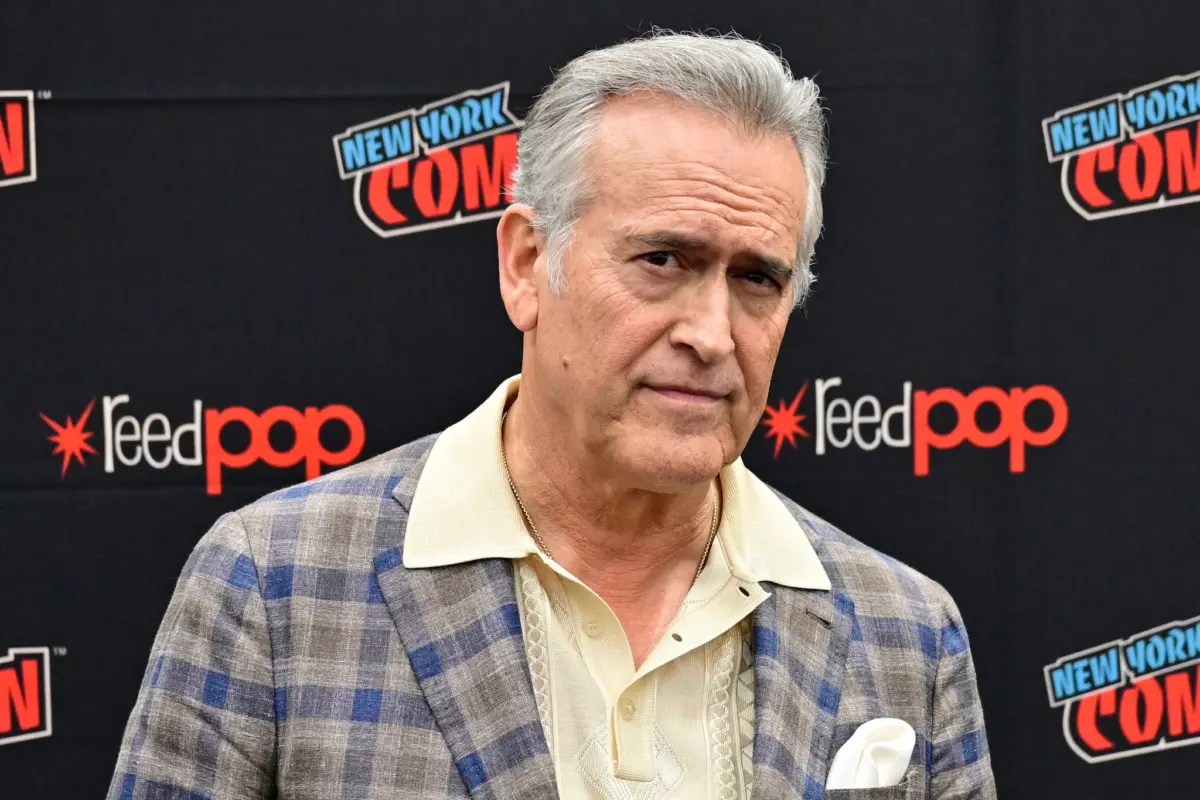
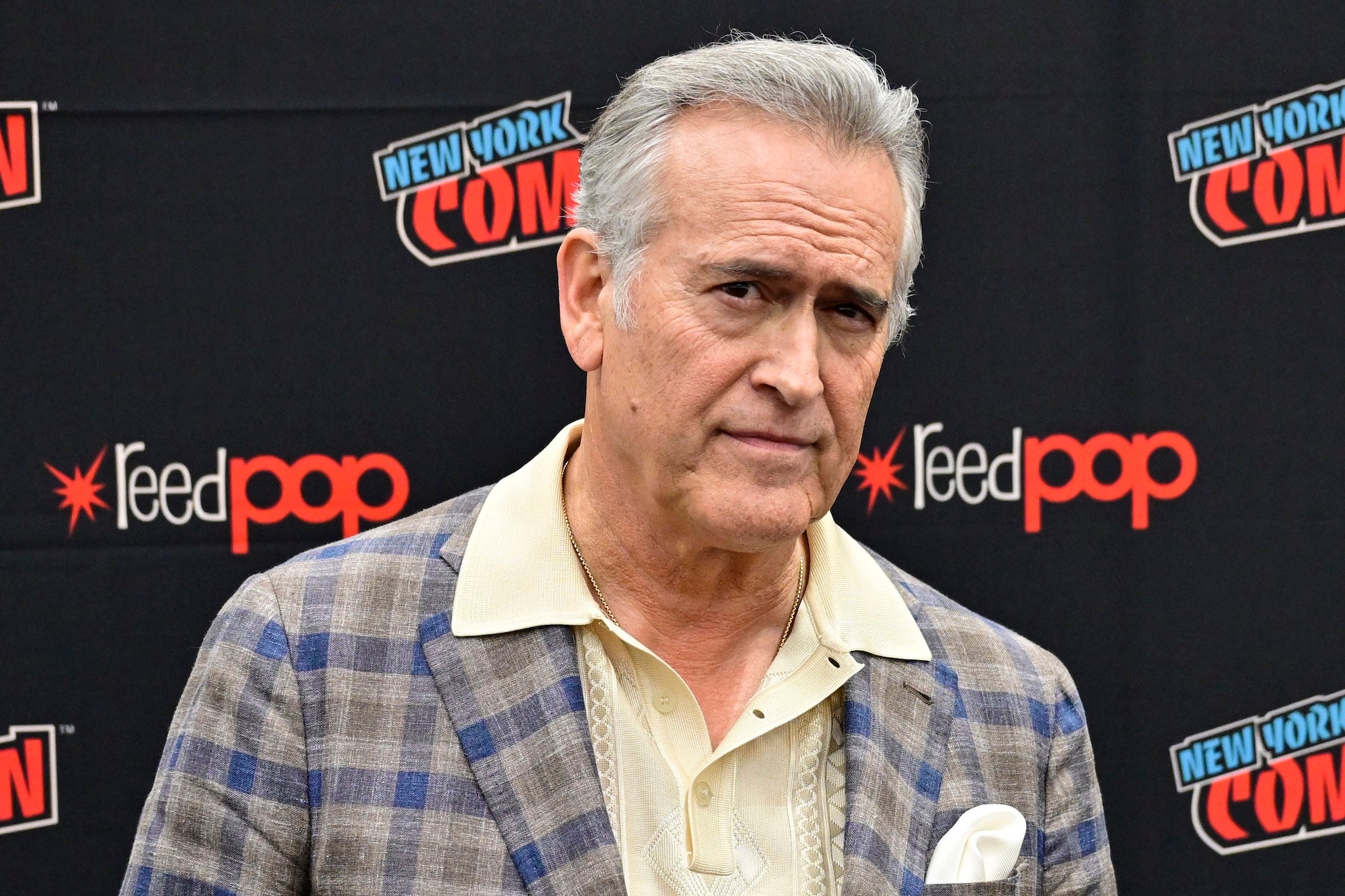
For over four decades, the name Bruce Campbell has been inextricably linked to one of the most resilient, visceral, and influential horror franchises in cinematic history: Evil Dead. Originating the iconic, chainsaw-wielding, boomstick-toting hero Ash Williams in Sam Raimi’s 1981 low-budget cult classic, Campbell cemented his status as a legendary horror icon. However, as the franchise continues to expand through modern sequels, spin-offs, and upcoming installments, Campbell has officially and definitively clarified his retirement from playing the character.
In a candid series of statements released on social media, the 68-year-old actor explained that his decision to step away from the role was driven by a combination of physical capability and shifting personal interests. Rather than allowing the beloved character to suffer from declining physical execution, Campbell consciously chose to "tap out" following the conclusion of the Starz television spinoff Ash vs. Evil Dead in 2018.
This definitive confirmation of his retirement arrives amid a deeply personal chapter for the actor. In March, Campbell bravely announced a shock cancer diagnosis, a revelation that required him to step back from convention appearances, public events, and professional commitments to prioritize ongoing medical treatment. Despite health challenges and the formal closure of his time as Ash, Campbell remains an active executive producer within the expanding Evil Dead universe. The franchise has successfully transitioned into a new era with films like 2023’s Evil Dead Rise and the 2026 release Evil Dead Burn, proving that the blood-soaked legacy of the Necronomicon Ex-Mortis can thrive far beyond its original cabin in the woods.
Detailed Chronology: From the Cabin in the Woods to Modern Horizons
The Genesis of a Legend (1981–1992)
The journey of Evil Dead began in the deep woods of Tennessee, where lifelong friends Sam Raimi, Bruce Campbell, and Robert Tapert pooled together meager resources to create a terrifying horror masterwork. Released in 1981, The Evil Dead introduced audiences to Ashley "Ash" Williams, a college student whose innocent weekend getaway with friends turns into a horrific fight for survival after they accidentally uncover the Naturom Demonto (the Book of the Dead) and unleash a legion of demonic entities.
Though shot on a shoestring budget with grueling, primitive practical effects, the film became a legendary critical and commercial success, largely driven by Campbell’s sheer physical commitment and expressive, rubber-faced performance.
The formula was successfully upended and expanded in two subsequent sequels: Evil Dead II (1987), which leaned heavily into slapstick horror and dark comedy, and Army of Darkness (1992), which transported Ash backward through time to the Middle Ages. Across this original trilogy, Campbell transformed from a standard scream-victim into a swaggering, wise-cracking action hero, establishing a cinematic archetype that would influence generations of filmmakers.
The Television Renaissance (2015–2018)
After decades of fans clamoring for a fourth installment—and enduring years of false starts and rumors regarding a potential Army of Darkness 2—Campbell triumphantly returned to his signature role in 2015. Ash vs. Evil Dead, a television continuation broadcast on Starz, ran for three critically acclaimed seasons before its cancellation in 2018.
The series allowed Campbell to fully explore an aging, aging-out-of-his-prime Ash Williams working at a big-box store, only to be dragged back into the fight against the Deadites. While the show cultivated a fiercely dedicated cult following, it ultimately served as Campbell’s final physical bow as the character.
Passing the Torch: The Modern Era (2023–Present)
Following the conclusion of the television series, Campbell made the calculated decision to officially retire from live-action performances as Ash Williams. Rather than letting the franchise lie dormant, however, Campbell, Raimi, and Tapert pivoted toward a new strategy: expanding the universe by severing ties with its original narrative anchors.
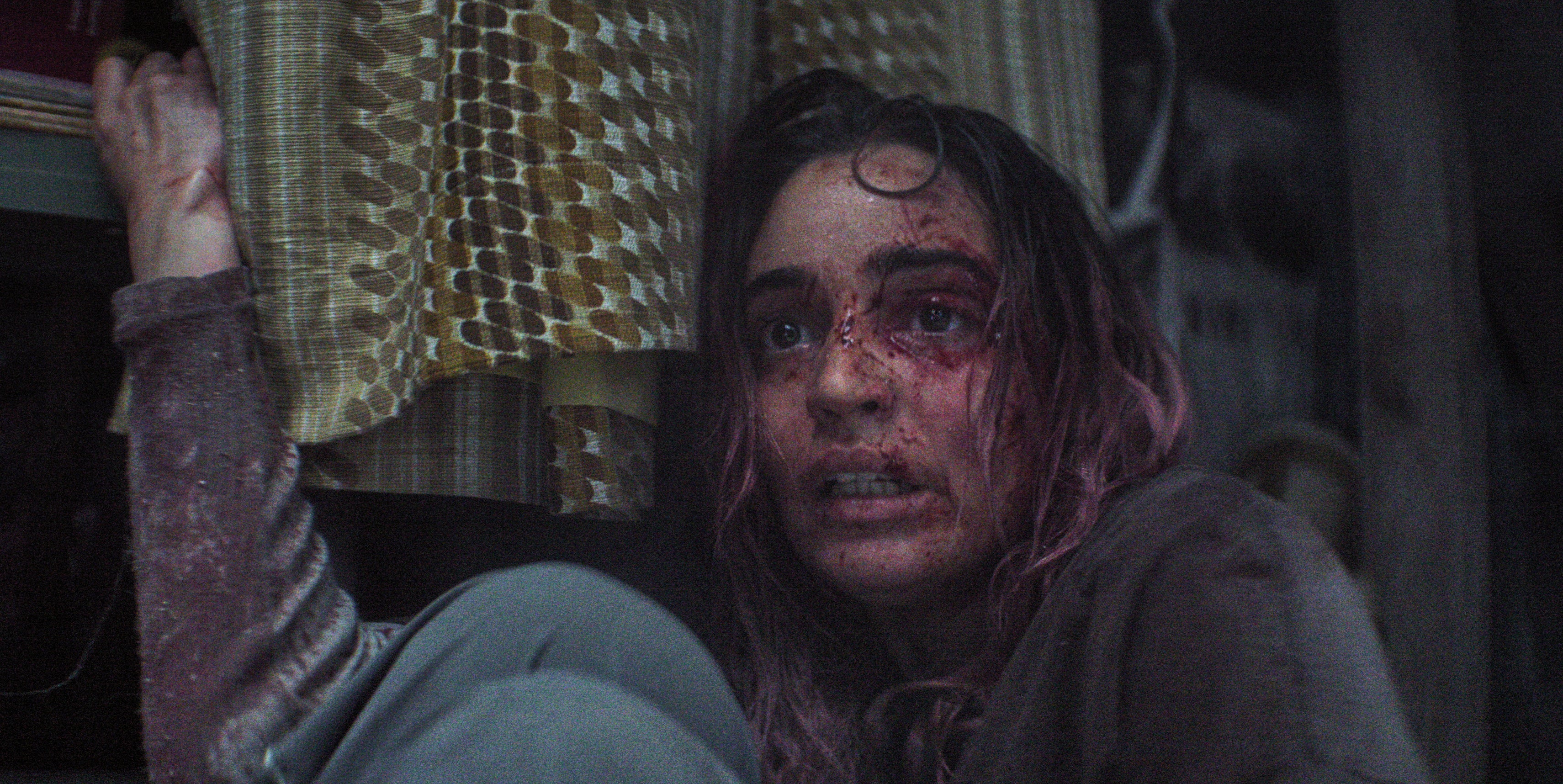
This reinvention began in earnest with Lee Cronin’s Evil Dead Rise (2023). Relocating the terror from an isolated forest cabin to a crumbling Los Angeles high-rise apartment building, the film abandoned traditional comedic elements in favor of relentless, claustrophobic dread. The gamble paid off exponentially, breaking franchise box-office records and proving that modern audiences were hungry for fresh narratives within the Evil Dead mythos.
Capitalizing on this momentum, Sébastien Vaniček directed the subsequent installment, Evil Dead Burn, released in early 2026. Furthermore, Warner Bros. and Renaissance Pictures confirmed that another entry, Evil Dead Wrath—directed by Francis Galluppi—is actively in development, ensuring that the franchise’s grim legacy will continue to terrorize moviegoers for years to come.
Supporting Context & Metrics
Box Office Evolution and Financial Milestones
The financial trajectory of the Evil Dead franchise offers a fascinating study in modern horror longevity. What began as an independent 1981 picture financed through regional investors has evolved into a powerhouse intellectual property for major studios.
While the original trilogy operated on modest budgets, Evil Dead Rise shattered previous ceilings to become the highest-grossing film in the franchise’s history, pulling in an impressive global box office haul of approximately $147 million. This commercial milestone served as definitive validation for Campbell and his fellow producers, confirming that the universe could successfully detach itself from its foundational elements.
Film / Series
Release Year
Primary Director / Creator
Estimated Global Box Office / Status
The Evil Dead
1981
Sam Raimi
Cult classic status (~$2.9M initial run)
Evil Dead II
1987
Sam Raimi
Critical and commercial cult success (~$5.9M)
Army of Darkness
1992
Sam Raimi
Cult classic fantasy-comedy (~$21.5M)
Ash vs Evil Dead
2015–2018
Starz Network (Series)
3 Seasons (Fan-favorite television run)
Evil Dead Rise
2023
Lee Cronin
Franchise record-breaker (~$147M worldwide)
Evil Dead Burn
2026
Sébastien Vaniček
Continued expansion of the modern era
Evil Dead Wrath
Upcoming
Francis Galluppi
In development / Pre-production
Audience Demographics and Franchise Fatigue
Reflecting on the shift away from legacy characters, Campbell noted the delicate balance required to satisfy horror fandoms. While modern installments like Evil Dead Rise managed to capture a massive, younger demographic of horror enthusiasts, purists of the 1980s trilogy have occasionally voiced nostalgia for the specific chemistry shared by Campbell and Raimi.
As Campbell bluntly noted in interviews:
"You’ve got to find a new audience, because the original Evil Dead fans, you get some of them, you’re not going to get all of them, because they like those original elements. They like me and Sam and Ash and all that sort of crap."
Despite these transitional hurdles, the strategy to decentralize the narrative has effectively insulated the franchise from creative stagnation, allowing new directors to imprint their unique visual styles onto the ancient terror of the Necronomicon.
Official Statements & Personal Revelations
Bruce Campbell’s Clarification on Retirement
Addressing fans directly via social media platform X (formerly Twitter), Campbell sought to clear up any lingering confusion regarding his potential return to active monster-slaying:
"Apologies if this news seems new. It’s hard to communicate everything with everyone," Campbell wrote.
"I tapped out after [Ash vs Evil Dead]. Mostly, the reasons were ability and interest, in equal measure. I didn’t want Ash to be compromised by declining skills and as a borderline Geezer, my interests have diverged. I’ll always love Evil Dead to death — literally."
Navigating a Cancer Diagnosis
Campbell’s retirement statements arrive against the backdrop of a profound personal announcement made earlier in the year. In March, the actor shocked the entertainment world by revealing he had been diagnosed with cancer. Choosing transparency over speculation, Campbell explained how the diagnosis would alter his immediate professional roadmap:
"I’m posting this, because professionally, a few things will have to change — appearances and cons and work in general need to take [a] backseat to treatment," he shared.
"There are several cons this year summer that I have to cancel. Big regrets on my part. Treatment needs and professional obligations don’t always go hand-in-hand."
While choosing to keep the specific pathology of his cancer private, Campbell firmly established boundaries regarding public sympathy while offering an encouraging update on his resilient mindset:
"That’s about it. I’m not trying [to] enlist sympathy — or advice — I just want to get ahead of this information in case false information gets out (which it will). Fear not, I am a tough old son-of-a-bitch and I have great support, so I expect to be around a while. As always, you’re the greatest fans in the world and I hope to see you soon!"
Future Outlook: Life After Ash
The transition of the Evil Dead franchise from a director-actor passion project into a collaborative anthology sandbox marks a rare achievement in horror cinema. Historically, horror franchises that lose their iconic leading men—such as Robert Englund stepping away from Freddy Krueger or various iterations of Michael Myers without original creative oversight—falter under the weight of expectations.
However, by intentionally removing the cabin, Sam Raimi, Ash Williams, and Bruce Campbell from the primary storytelling equation, Renaissance Pictures has engineered a blueprint for sustainable cinematic terror. As demonstrated by the box-office triumph of Evil Dead Rise and the rollout of Evil Dead Burn and the upcoming Evil Dead Wrath, the franchise no longer relies on nostalgia to generate scares.
Bruce Campbell may have permanently hung up his chainsaw, transitioning from a frontline physical performer to an elder statesman and executive producer of the franchise, but his cultural footprint remains immutable. Through a combination of unflinching honesty regarding his health, profound gratitude for his fanbase, and a willingness to step aside to let a new generation of filmmakers play in the blood-drenched sandbox he helped create, Campbell ensures that the legacy of Evil Dead will continue to haunt nightmares for decades to come.