By Caitlin Devlin
Published: September 2, 2026
Executive Overview
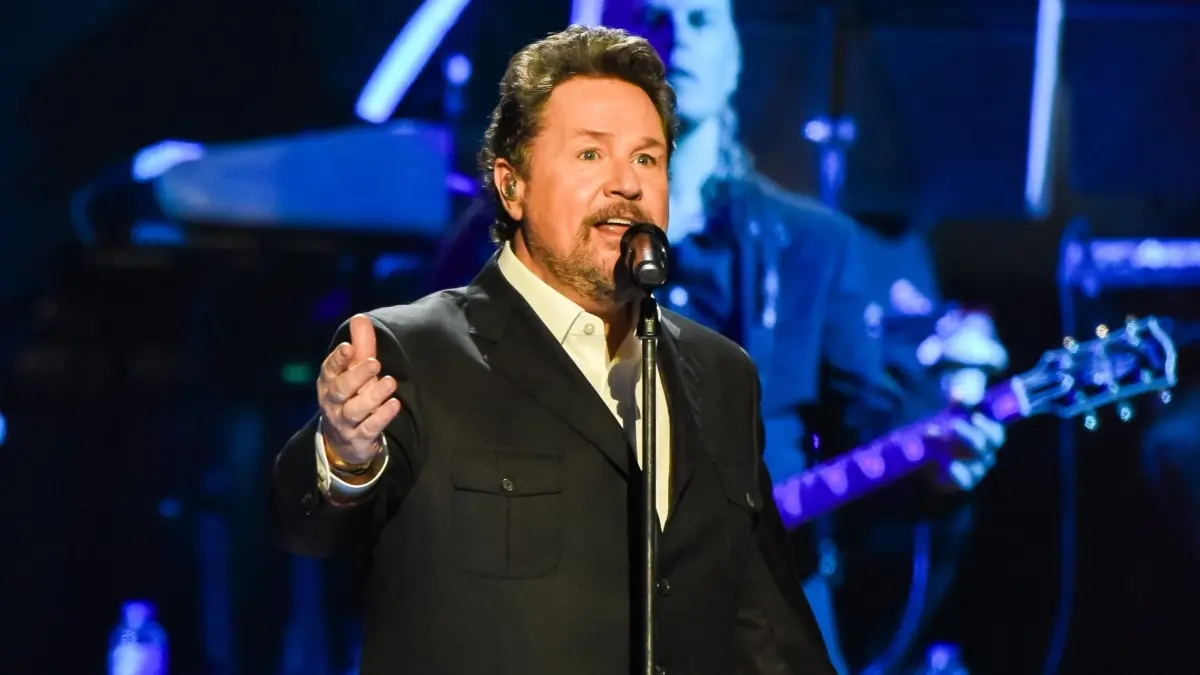
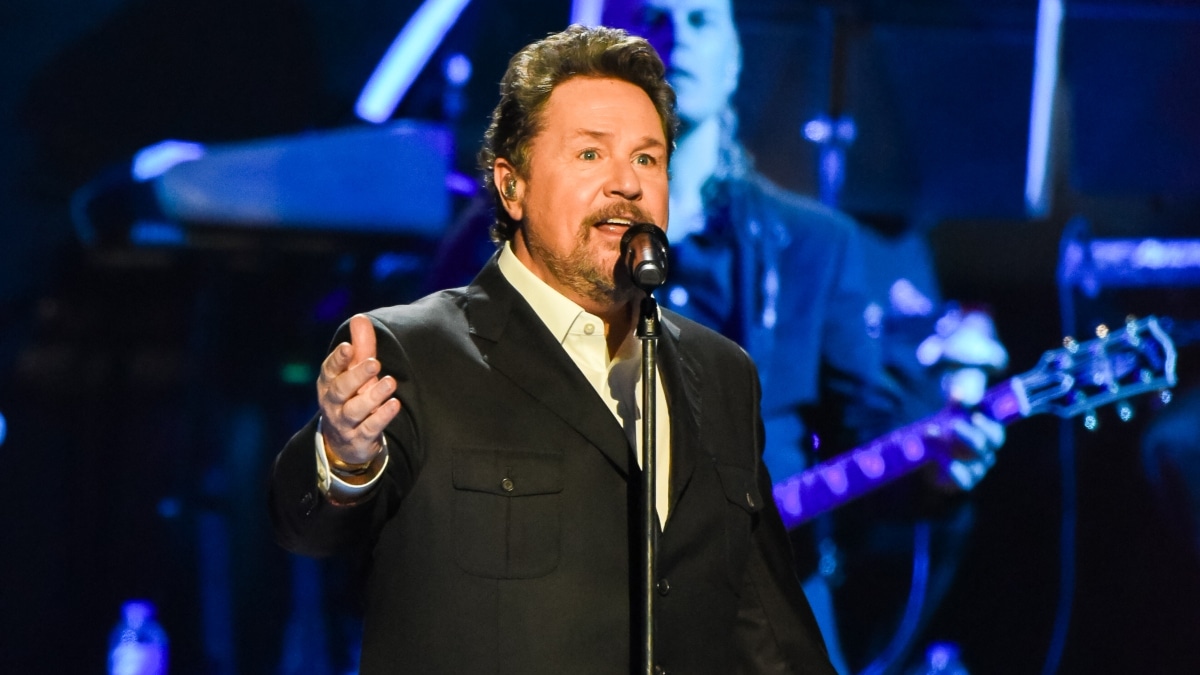
London’s vibrant theatre district is preparing for a heavy dose of nostalgia, theatrical magic, and confectionery wonder. West End legend Michael Ball is officially returning to the stage, taking on one of literature and cinema’s most eccentric and beloved characters: the enigmatic chocolatier, Willy Wonka.
This major new production of Charlie and the Chocolate Factory is scheduled to open next summer, promising a fresh take on Roald Dahl’s timeless 1964 children’s novel and the iconic 1971 film adaptation, Willy Wonka and the Chocolate Factory.
Before captivating audiences in the heart of the capital, the production will originate at Leicester’s renowned Curve theatre. It will then embark on a high-profile transfer to the prestigious London Coliseum, where it will run for a strictly limited engagement from June 4 to September 18, 2027.
Helmed by Curve’s Artistic Director, Nikolai Foster, this revival brings together a world-class creative team to re-imagine the magical world of golden tickets, everlasting gobstoppers, and Oompa Loompas for a new generation of theatregoers. With a legendary score blending beloved cinematic classics with fresh musical theatre compositions, the upcoming staging is already shaping up to be one of the most anticipated theatrical events of the late 2020s.
Detailed Chronology & Production Journey
The journey of Charlie and the Chocolate Factory from page to stage has been a fascinating evolution of adaptation, design, and commercial success. Understanding the historical context of the musical makes the 2027 revival even more significant for West End aficionados.
From Dahl’s Page to the West End Stage
Roald Dahl’s original 1964 novel has enchanted millions of readers worldwide, exploring themes of poverty, morality, imagination, and greed through the adventures of the impoverished Charlie Bucket. The story was first immortalized on film in 1971 with Gene Wilder’s definitive, bittersweet portrayal of Willy Wonka—a performance that cemented songs like "Pure Imagination" into the global cultural consciousness.
It wasn’t until the 2010s that the property made its long-awaited transition into a major stage musical. The production officially premiered in the West End in May 2013 at the historic Theatre Royal Drury Lane. Directed by Academy Award-winning filmmaker Sam Mendes, that original staging was a massive commercial hit, captivating family audiences and tourists alike. It ran for an impressive three years and seven months, officially closing its doors in January 2017 after more than 2,000 performances.
While the original production leaned heavily into the darker, more surreal elements of Dahl’s writing alongside grand theatrical spectacle, the upcoming 2027 revival under Nikolai Foster aims to reinterpret the material through a fresh lens, leveraging the vast and versatile scale of the London Coliseum stage.
The Path to the 2027 Revival
The roadmap for the new production begins outside of London. The show will first premiere at Curve in Leicester, a theatre celebrated in recent years for its bold, reimagined actor-musician revivals and large-scale actor-led storytelling. While Michael Ball will not perform during the Leicester run—joining the cast exclusively for the London leg—the out-of-town tryout will allow the creative team to fine-tune the choreography, pacing, and visual effects before bringing the massive production to the capital.
Following its regional debut, the chocolate factory gates will swing open at the London Coliseum on June 4, 2027, running through September 18, 2027. Producers have confirmed that an alternate actor for the demanding role of Willy Wonka, as well as the complete supporting company and children’s ensemble, will be announced in the coming months.
Supporting Context & Metrics: The Creative Masterminds
A production of this magnitude requires an elite assembly of theatrical artisans. The creative team behind the 2027 revival boasts some of the most respected names in contemporary musical theatre, combining dramatic storytelling with cutting-edge stagecraft.
The Creative Team and Designers
- Director: Nikolai Foster (Artistic Director of Curve)
- Book: David Greig
- Music: Marc Shaiman
- Lyrics: Marc Shaiman and Scott Wittman
- Additional Film Songs: Leslie Bricusse and Anthony Newley (including "Pure Imagination", "The Candy Man", and "I’ve Got A Golden Ticket")
- Choreography: Ebony Molina
- Set Design: Leslie Travers
- Costume Design: Katrina Lindsey
- Lighting Design: Ben Cracknell
- Sound Design: Adam Fisher
- Video Design: George Reeve
- Illusion Design: Chris Fisher
- Puppet Design: Rachael Canning
- Wigs, Hair, and Make-Up Design: Campbell Young Associates
- Prop Supervision: Marcus Hall Props
- Musical Supervision: Stephen Brooker
- Orchestration Adaptations: George Dyer
- Musical Direction: Isaac McCullough
The Score: Bridging Generations
The musical’s score is uniquely positioned to bridge generational divides. It features a rich blend of original musical numbers written by the Tony and Grammy Award-winning duo Marc Shaiman and Scott Wittman (Hairspray, Smash), alongside the unforgettable melodic touchstones penned by Leslie Bricusse and Anthony Newley for the 1971 cinematic classic.
Audience members can expect to hear timeless anthems such as:
- "Pure Imagination"
- "The Candy Man"
- "I’ve Got A Golden Ticket"
These classic numbers will sit alongside Shaiman and Wittman’s theatrical score, creating a sonic landscape that honors cinematic history while pushing the narrative forward through dynamic stage compositions.
Official Statements & Industry Perspectives
The announcement of Michael Ball’s casting has sent ripples of excitement throughout the British theatre community. Known for his powerhouse vocals, charismatic stage presence, and deep connection to West End audiences, Ball is uniquely suited to step into the purple velvet coat and top hat of Willy Wonka.
Industry insiders note that casting an actor of Ball’s caliber signals the production’s ambition to be more than just a family-friendly holiday show; it positions the revival as a major artistic event led by one of the UK’s most decorated musical theatre stars.
Director Nikolai Foster, praised for his innovative approach to staging classic texts, is expected to bring a fresh emotional depth to the production. Speaking on the collaboration, creative producers have highlighted the synergy between Foster’s visionary staging and Ball’s unmatched ability to command a massive auditorium like the London Coliseum—the largest theatre in the West End.
While formal press statements from the cast and creative team continue to roll out as production ramps up, the overarching sentiment from West End producers is one of immense optimism. Bringing Charlie and the Chocolate Factory back to London provides a vital economic and cultural boost to the city’s summer tourism and arts sector, offering a high-end commercial spectacle that appeals equally to nostalgic adults and children experiencing live theatre for the first time.
Future Outlook: What to Expect Next
As the theatre world looks ahead to the summer of 2027, anticipation for the return of Charlie and the Chocolate Factory is reaching a fever pitch. Several key milestones lie ahead for theatregoers and ticket-buyers:
- Casting Announcements: In the coming weeks and months, producers are expected to reveal the actor who will share the grueling Willy Wonka schedule as Michael Ball’s alternate, alongside the principal adult cast, creative ensemble, and the young performers who will bring Charlie Bucket and the other golden ticket winners (Augustus Gloop, Veruca Salt, Violet Beauregarde, and Mike Teavee) to life.
- Ticket Releases: With a strictly limited 15-week season at the London Coliseum, ticket demand is anticipated to break records. Fans are encouraged to sign up for priority booking through official channels and verified ticketing platforms like Ticketmaster to secure seats early.
- The Leicester Premiere: Before the West End engagement kicks off in June 2027, the out-of-town run at Curve in Leicester will serve as the crucial proving ground for the production’s design elements—including Chris Fisher’s complex illusion work and Rachael Canning’s puppet design—ensuring that the magic translates seamlessly to the stage.
Ultimately, the return of Charlie and the Chocolate Factory promises to remind audiences of the power of dreams, the danger of greed, and, above all, the enduring magic of live performance. When the doors of the factory officially open at the London Coliseum next June, thousands of theatregoers will discover that a little bit of nonsense now and then is relished by the wisest men—and that pure imagination is still the greatest ticket in town.