Executive Overview
Set against the breathtaking backdrop of the rolling chalk hills of Cranborne Chase—a protected National Landscape characterized by ancient woodlands, rich biodiversity, and sweeping vistas—the End of the Road Festival celebrated its milestone twentieth anniversary in September 2024. Renowned for its fiercely independent spirit, carefully curated lineups, and intimate atmosphere, this year’s iteration solidified its reputation as one of the United Kingdom’s premier boutique music and arts gatherings.
The four-day cultural celebration offered a diverse sensory experience, bridging literature, comedy, and boundary-pushing alternative music. The festival’s famed "Talking Heads" arena proved to be a major draw, hosting biting, incisive stand-up from heavyweights such as Fern Brady and Adam Buxton. Yet, all roads ultimately led to the main stage for a historic, career-spanning performance that dominated festival discourse.
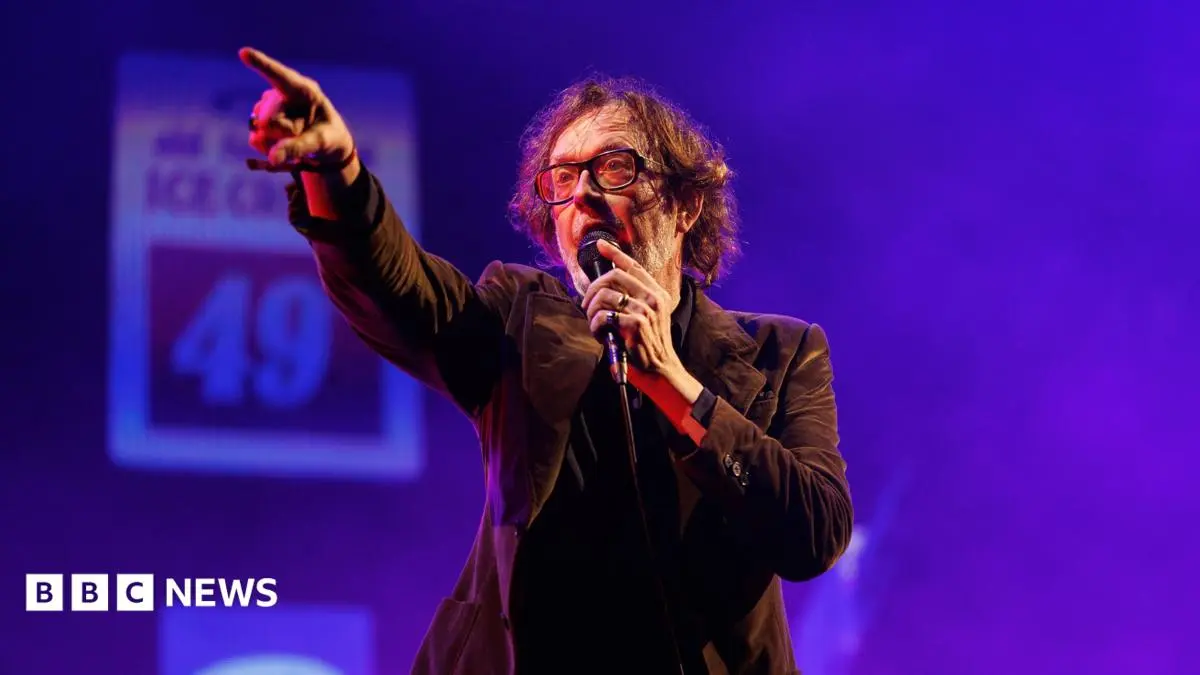
In a landmark booking for the festival, Sheffield indie-rock icons Pulp made their inaugural End of the Road appearance. Frontman Jarvis Cocker, however, was no stranger to the festival’s pastoral grounds, having previously delivered a mesmerizing, critically acclaimed headline solo set on the intimate Garden Stage in 2019. This time, Cocker and his bandmates returned to anchor the twentieth-anniversary celebrations with a masterclass in theatrical art-pop and nostalgic reflection.
Beyond the music, the 2024 festival took place against a tense environmental backdrop. Unfolding at the tail end of the warmest summer in the United Kingdom since official records began in 1884—as confirmed by provisional Met Office data—the event played out amidst heightened awareness of climate vulnerabilities. With persistent dry spells leading to widespread wildfires across the country earlier in the season, festival organizers faced formidable logistical challenges, enforcing strict ecological safety protocols to safeguard the fragile ecosystem of Cranborne Chase.
This comprehensive report examines the cultural highs of the weekend, the intricate logistical and environmental realities that shaped the event, and the poignant closing remarks from one of Britain’s most enduring frontmen as he signals an impending hiatus from the spotlight.
Detailed Chronology: A Weekend of Comedy, Retrospection, and Musical Triumph
Thursday and Friday: Setting the Tone
From the moment the festival gates swung open, attendees were immersed in a world carefully divorced from mainstream commercialism. The early days of the festival established an intimate rhythm, where festival-goers meandered through enchanted forest clearings adorned with glowing art installations, bespoke cider bars, and hidden stages.
As the sun began to dip below the horizon on Friday evening, the comedy and spoken-word spaces filled to capacity. The Talking Heads arena quickly became the epicenter of sharp cultural commentary and observational wit. Fern Brady, drawing on her trademark uncompromising honesty and neurodivergent perspective, captivated audiences with razor-sharp routines that tackled modern absurdity. She was followed by Adam Buxton, whose idiosyncratic blend of self-deprecating humor, lo-fi animations, and musical interludes created a communal, joyous atmosphere that resonated deeply with the multi-generational crowd.
The Saturday Cult-Classic Climax: Pulp’s Landmark Headline Set
While End of the Road has built its reputation on championing emerging talent and cult favorites, Saturday night’s headliners represented British alternative royalty. Pulp’s debut performance at the festival was arguably the most anticipated set of the weekend, and the band delivered a masterclass that blended high-octane rock performance with deeply personal archival retrospection.
Jarvis Cocker, dressed impeccably as ever, took command of the stage with a theatricality that few contemporary frontmen can rival. The setlist was a veritable hit parade of indie-rock touchstones, opening with pulsating rhythms and erupting into collective catharsis during anthems like Common People, This Is Hardcore, and Underwear.
However, what elevated the performance from a standard festival greatest-hits set to a cultural retrospective was Cocker’s curation of the visual narrative. Throughout the performance, the backdrop transformed into a living museum of Pulp’s history. High-definition slideshows projected rare ephemera: early hand-drawn gig flyers, intimate Polaroids of the band in their formative Sheffield years, personal postcards, and stylistic visual cues spanning four decades of British music history. Cocker served not merely as a singer, but as an archivist and master of ceremonies, providing wry historical commentary between tracks that contextualized the band’s improbable journey from working-class outsiders to global icons.
The emotional crescendo of the evening arrived during the encore. Cocker paused the music to lead the thousands-strong crowd in a rousing, communal rendition of "Happy Birthday" to the festival itself. Raising a toast to twenty years of independent music-making, he thanked the devoted attendees and organizers for fostering a sanctuary for alternative culture.
The Farewell Note: Jarvis Cocker’s Impending Hiatus
The celebratory mood took a bittersweet turn during the final moments of Pulp’s set. In typical enigmatic fashion, Cocker dropped a bombshell on the adoring crowd. Reflecting on the exhausting yet exhilarating nature of the band’s recent touring cycles and creative endeavors, he announced to the stunned audience that he will be stepping away from the spotlight for a prolonged period.
"Thank you for sharing this milestone with us," Cocker told the quietened crowd, who hung on his every word. "Every chapter must close so another can begin. After tonight, I’ll be taking a break for a while—stepping back to let the dust settle."
The revelation sent a ripple of collective melancholy through the festival grounds, transforming what was already a monumental performance into a historic, potentially final-for-now sighting of one of the UK’s most vital performers.
Supporting Context & Metrics: Navigating a Historically Warm Summer
The Met Office Data: A Record-Breaking Season
While the mood inside the festival was one of unbridled celebration, the external environment served as a stark reminder of the escalating climate crisis. According to provisional statistics released by the Met Office, the summer of 2024 etched itself into the history books as the warmest summer in the United Kingdom since national records commenced in 1884.
The searing temperatures, which peaked during prolonged heatwaves in July and August, triggered severe ecological stress across the British Isles. The prolonged absence of meaningful rainfall turned grasslands, moors, and wooded areas into tinderboxes. Consequently, the UK experienced an unprecedented frequency of wildfires, testing the emergency services and forcing land managers to adopt radical preventative measures.
Cranborne Chase: Protecting a Vulnerable Landscape
The choice of Cranborne Chase for the End of the Road Festival—while visually and atmospherically idyllic—added layers of complex environmental responsibility. Designated as an Area of Outstanding Natural Beauty (now recognized under the broader banner of National Landscapes), Cranborne Chase is a fragile chalk grassland and ancient woodland ecosystem supporting rare flora and fauna.
Given the extreme meteorological context of 2024, the festival site was uniquely vulnerable. Months of cumulative heat had dried out the topsoil and vegetation to critical levels. A single stray ember from a campfire or rogue cigarette butt possessed the potential to ignite a catastrophic grass fire, threatening both the festival infrastructure and the surrounding countryside.
Official Statements and Risk Mitigation Strategies
Recognizing the severity of the environmental threat, the organizers of End of the Road adopted an uncompromising, proactive stance weeks before the first festival-goers arrived on site. Collaborating closely with local authorities, environmental consultants, and fire safety experts, the festival management implemented a comprehensive risk-mitigation strategy.
Pre-Festival Warnings and Directives
In official communications issued to ticket holders ahead of the event, organizers did not mince words regarding the environmental dangers:
"Following the warmest summer on record, the ground and vegetation across Cranborne Chase remain extremely dry. The safety of our attendees, artists, local residents, and the natural landscape is our absolute priority. Therefore, barbecues, campfires, and open flames of any kind are strictly prohibited and will not be permitted anywhere on site under any circumstances."
To enforce these directives, security personnel and environmental marshals were granted expanded powers to confiscate prohibited cooking equipment at the entrance gates. Increased patrols were deployed across the sprawling campsites to monitor compliance, while educational signage reminded festival-goers of their duty of care toward the land.
Waste Management and Ecological Stewardship
In addition to fire safety, the 2024 festival placed renewed emphasis on leave-no-trace principles. Initiatives included expanded recycling hubs, bans on single-use plastics, and partnerships with environmental charities to ensure that the ecological footprint of the twentieth-anniversary event was kept to an absolute minimum. Despite the massive influx of people into a sensitive rural landscape, preliminary post-festival environmental audits indicated high compliance rates among attendees, demonstrating a shared cultural commitment to preserving the grounds that host the event.
Future Outlook: The Next Chapter for End of the Road
As the dust settles on the twentieth anniversary of the End of the Road Festival, stakeholders, organizers, and music critics are already looking toward the horizon. The festival has successfully weathered economic fluctuations, shifting musical trends, and now, unprecedented meteorological challenges, all while fiercely retaining its independent ethos.
The Evolution of Boutique Festivals
The 2024 edition underscored the resilience of the boutique festival model. In an era where large-scale commercial festivals frequently struggle with corporate homogenization and skyrocketing ticket prices, End of the Road has maintained its curated charm. By prioritizing artistic integrity—evidenced by landmark bookings like Pulp—alongside diverse comedic programming and environmental consciousness, the festival provides a blueprint for sustainable cultural gatherings in the twenty-first century.
Challenges Ahead: Climate Adaptability
However, the realities of the 2024 summer serve as a permanent wake-up call for the festival industry at large. As climate change continues to alter seasonal weather patterns in the United Kingdom, events operating in rural, sensitive landscapes must evolve. Future iterations of End of the Road will undoubtedly need to refine their ecological resilience strategies further, investing in fire-suppression infrastructure, adaptive water management, and enhanced contingency planning to cope with extreme weather events.
Life After Jarvis: The Music Scene Without a Maverick
Meanwhile, the announcement of Jarvis Cocker’s forthcoming hiatus leaves a palpable void in the British alternative music landscape. As one of the last remaining true showmen of the Britpop and post-Britpop eras, Cocker’s absence will be deeply felt by fans and promoters alike. Yet, if his career has proven anything, it is that Cocker’s creative impulses are unpredictable and deeply transformative. Whether he returns to music, visual art, or literature, his indelible imprint on the history of End of the Road—cemented by Saturday night’s transcendent archival journey—will remain etched into the chalk hills of Cranborne Chase for years to come.
As the festival looks toward its next decade, the enduring spirit of community, musical discovery, and artistic reverence ensures that the end of the road remains, paradoxically, a place where new journeys always begin.