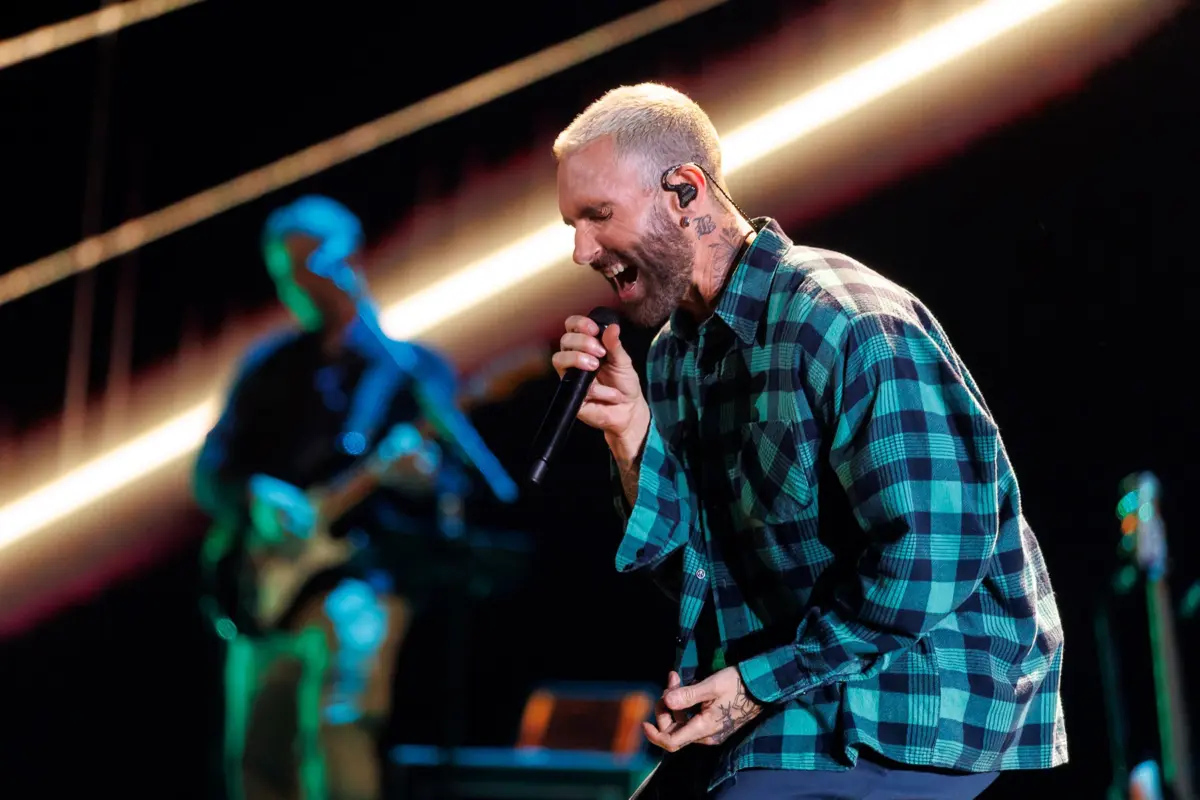
In the fast-evolving landscape of digital media, streaming milestones serve as the ultimate barometer of a track’s enduring cultural relevance. Over a decade after its initial release, Maroon 5’s explosive 2012 hit "Payphone," featuring rap heavyweight Wiz Khalifa, has officially crossed the coveted one-billion-views threshold on YouTube. Released via A&M/Octone Records and directed with cinematic flair by Samuel Bayer, the video’s entry into YouTube’s prestigious Billion Views Club solidifies a monumental commercial and visual milestone for the pop-rock institution.
This achievement does not merely represent a nostalgia-fueled resurgence; it underscores the rare staying power of an era when digital music consumption was shifting from high-volume digital downloads to omnipresent streaming ecosystems. Long before short-form video algorithms dictated modern chart dominance, "Payphone" captured the zeitgeist of early-2010s pop culture. Led by frontman Adam Levine’s unmistakable falsetto and accented by Wiz Khalifa’s smooth, laid-back delivery, the track remains a masterclass in cross-genre collaboration.
The single’s integration into the pop firmament was both instantaneous and historic. Propelled by massive introductory sales, a high-profile television debut, and an A-list production team helmed by Max Martin, Shellback, and Benny Blanco, "Payphone" cemented Maroon 5’s transition from radio-friendly rock outfit to global pop behemoth. As "Payphone" joins elite company alongside fellow Billion Views Club inductees like "Sugar," "Memories," and "Girls Like You," this milestone offers a compelling lens through which to examine the longevity of mid-2010s pop monoliths in an increasingly fragmented digital economy.
Detailed Chronology: From Concept to Global Phenomenon
The trajectory of "Payphone" from a recording studio concept to a global chart-topping juggernaut is a narrative defined by calculated risks, high-stakes television exposure, and industry-shifting release strategies.
The Genesis and Production Phase (Late 2011 – Early 2012)
By late 2011, Maroon 5 was riding high on the massive success of their third studio album, Hands All Over, and specifically the inescapable global smash "Moves Like Jagger." Seeking to capitalize on this momentum, the band began assembling material for their fourth studio album, Overexposed. Eschewing their earlier, organic rock-centric instrumentation in favor of a slicker, EDM-infused pop and urban-contemporary sound, the band enlisted a powerhouse collective of songwriters and producers.
Max Martin, universally recognized as one of the most successful pop architects in history, signed on as executive producer for the project. Swedish hitmakers Shellback and Benny Blanco were tapped specifically to craft the lead single. The resulting track, "Payphone," combined melancholic, wistful lyricism with an infectious, driving mid-tempo beat. The inclusion of Wiz Khalifa—then at the height of his mainstream crossover appeal following hits like "Black and Yellow" and "Roll Up"—infused the track with urban credibility and broadened its demographic reach.
The Strategic Premiere on The Voice (April 2012)
In April 2012, Maroon 5 executed a promotional masterstroke. Frontman Adam Levine, fresh off cementing his status as a household name through his coaching role on NBC’s breakout reality singing competition The Voice, debuted "Payphone" live on the program.
At a time when television performance platforms still wielded immense influence over consumer purchasing habits, the prime-time slot exposed the track to millions of engaged viewers simultaneously. The synergy between Levine’s television ubiquity and the immediate catchiness of the song created an instant commercial catalyst. Fans did not just listen to the track; they rushed to digital storefronts to purchase it.
The Samuel Bayer Cinematic Video Release
Complementing the audio release was an ambitious, high-budget music video directed by renowned visual artist Samuel Bayer, celebrated for his work on iconic music videos such as Nirvana’s "Smells Like Teen Spirit" and Green Day’s "Boulevard of Broken Dreams."
Abandoning the traditional, brightly lit performance video format, Bayer crafted a gritty, action-movie-inspired narrative. The video opens with a miserable, beleaguered Adam Levine working at a bank that suddenly becomes the target of an armed robbery. Forced to flee the chaos, Levine transforms into an unlikely action hero, evading police pursuits while attempting to rescue a female bank teller. The juxtaposition of a traditional, vulnerable pop lyric ("I’m at a payphone trying to call home") against an explosive, cinematic crime thriller created a striking visual identity that viewers returned to repeatedly, laying the foundational view counts that would eventually culminate in its billion-dollar streaming milestone.
Supporting Context & Metrics: Breaking Down the Numbers
To fully understand the magnitude of "Payphone" joining YouTube’s Billion Views Club, one must examine the staggering quantitative metrics that defined its release era and continue to drive its ongoing legacy.
The Digital Download Era and Record-Breaking Sales
In April 2012, the music industry occupied a transitional space. While digital streaming was in its infancy, the digital download—primarily spearheaded by Apple’s iTunes Store—was the ultimate metric of consumer commercial demand.
In its opening tracking week, "Payphone" achieved a staggering 493,000 digital downloads, catapulting the single onto the Billboard Hot 100 at No. 3 and seizing the No. 1 spot on the Digital Songs chart. To put this monumental figure into perspective, it marked the single largest digital sales frame for a group in chart history at that time. It eclipsed the previous record held by the Black Eyed Peas’ era-defining anthem "Boom Boom Pow," which had sold 465,000 copies in a single week three years prior in 2009.
Chart Performance and the Overexposed Era
Beyond its opening week fireworks, "Payphone" proved to be a steadfast commercial anchor. The single ultimately peaked at No. 2 on the Billboard Hot 100, held out of the top spot only by Carly Rae Jepsen’s inescapable juggernaut "Call Me Maybe."
The track served as the vanguard for Overexposed, an album that similarly made waves by peaking at No. 2 on the Billboard 200. Additional production contributions from OneRepublic frontman Ryan Tedder helped solidify the album’s cohesive, radio-ready aesthetic. "Payphone" became one of Maroon 5’s remarkable 15 career top-10 hits on the Hot 100, proving that the band’s calculated pivot toward streamlined, producer-driven pop music was a resounding commercial triumph.
YouTube’s Billion Views Club: Maroon 5’s Elite Company
With "Payphone" crossing the 10-figure view mark, it officially becomes Maroon 5’s sixth entry into YouTube’s Billion Views Club. This places the band in an elite tier of legacy pop acts capable of sustaining multi-generational digital engagement.
The band’s expanding billionaire club includes:
- "Sugar" – The band’s most-watched visual, famous for its surprise-wedding documentary concept.
- "Memories" – A poignant, minimalist tribute to loss and remembrance that resonated deeply on a global scale.
- "One More Night" – Another foundational reggae-infused pop hit from the Overexposed era.
- "Girls Like You" (and its subsequent Volume 2 version featuring Cardi B) – A star-studded feminist anthem that dominated streaming algorithms throughout the late 2010s.
This impressive roster demonstrates that Maroon 5’s catalog functions not merely as a collection of radio hits, but as an evergreen repository of visual content that consistently attracts new and returning viewers across international borders.
Official Statements and Industry Perspective
The milestone achieved by "Payphone" has elicited widespread reflection from industry analysts, fans, and cultural commentators regarding the changing definitions of pop longevity. While neither Adam Levine nor Wiz Khalifa issued exhaustive formal press statements specifically for the billion-views milestone, the broader music community has widely acknowledged the achievement as a testament to the enduring power of early-2010s pop production.
Music industry historians and streaming data analysts point out that songs released in 2012 faced a very different digital ecosystem than tracks launched in the post-YouTube and TikTok era. When "Payphone" debuted, YouTube was primarily viewed as a destination for intentional music video consumption rather than an algorithmically driven discovery engine. Consequently, accumulating one billion organic views over more than a decade reflects genuine, sustained fan engagement and repeated viewings rather than fleeting viral bursts.
Furthermore, cultural critics have frequently highlighted the thematic irony embedded within the track’s title and hook. Released during an era when mobile phones had already pushed public payphones to the brink of total obsolescence, the song used an archaic piece of urban infrastructure as a powerful metaphor for alienation and heartbreak. This deliberate stylistic choice paradoxically ensured the song’s timelessness; while the physical technology referenced in the song continued to vanish from city streets, the universal emotions of desperation, regret, and romantic fracture remained entirely unaltered.
Future Outlook: The Everlasting Appeal of Pop Nostalgia
As the music industry continues to fracture into hyper-personalized, algorithm-driven micro-genres, the sustained success of legacy pop acts like Maroon 5 offers valuable insights into the future of commercial music consumption.
The Resilience of Mid-2010s Pop
We are currently witnessing a massive wave of cultural nostalgia directed toward the early 2010s—an era characterized by maximalist synth-pop, high-gloss electronic dance music crossovers, and ubiquitous radio anthems. Tracks like "Payphone" sit comfortably at the epicenter of this nostalgic revival. Gen Z and younger millennial audiences, who may have first encountered these tracks during their childhood years, are rediscovering them through streaming platforms and short-form video tributes, driving consistent baseline streams that rival those of newly released music.
Maroon 5’s Continued Evolution
Maroon 5’s ability to remain commercially viable decades into their career—highlighted by the release of their eighth studio album, Love Is Like, in 2025—proves that catalog maintenance is just as important as new material. By fostering a digital ecosystem where classic videos like "Payphone," "Sugar," and "One More Night" continue to pull in millions of views monthly, the band ensures a continuous funnel of passive income and brand awareness.
As "Payphone" officially rings up its billionth view, it stands not just as a relic of a bygone digital era, but as a enduring monument to pristine pop craftsmanship. It proves that when memorable melodies, high-concept visuals, and star power align, a song can effortlessly transcend the decade of its birth and continue connecting with audiences across the globe.