In the lexicon of popular music, few phrases carry as much psychological weight or commercial dread as "the difficult second album"—or, as our contemporaries across the Atlantic colloquially term it, the "sophomore slump." For decades, this cultural milestone has functioned as a critical crucible. Artists who capture lightning in a bottle with a breakout debut suddenly find themselves thrust into an unforgiving spotlight, burdened by stratospheric expectations, tightly gated marketing campaigns, and an army of critics ready to dissect every note.
The pressure is paradoxical. On one hand, the debut album is often the product of an artist’s entire lifetime of accumulated experience, written without deadlines or commercial interference. The follow-up record, conversely, is usually created under intense industry scrutiny, tight production schedules, and the distracting whirlwind of sudden fame or critical acclaim. As Radiohead’s Jonny Greenwood astutely observed when reflecting on the band’s pivotal transition from Pablo Honey to The Bends:
"It’s weird. It’s been kind of a reversal from Pablo Honey. We had an album that sold a lot but wasn’t taken much notice of and now we’ve become that horrible thing of a band’s band, or a critic’s band."
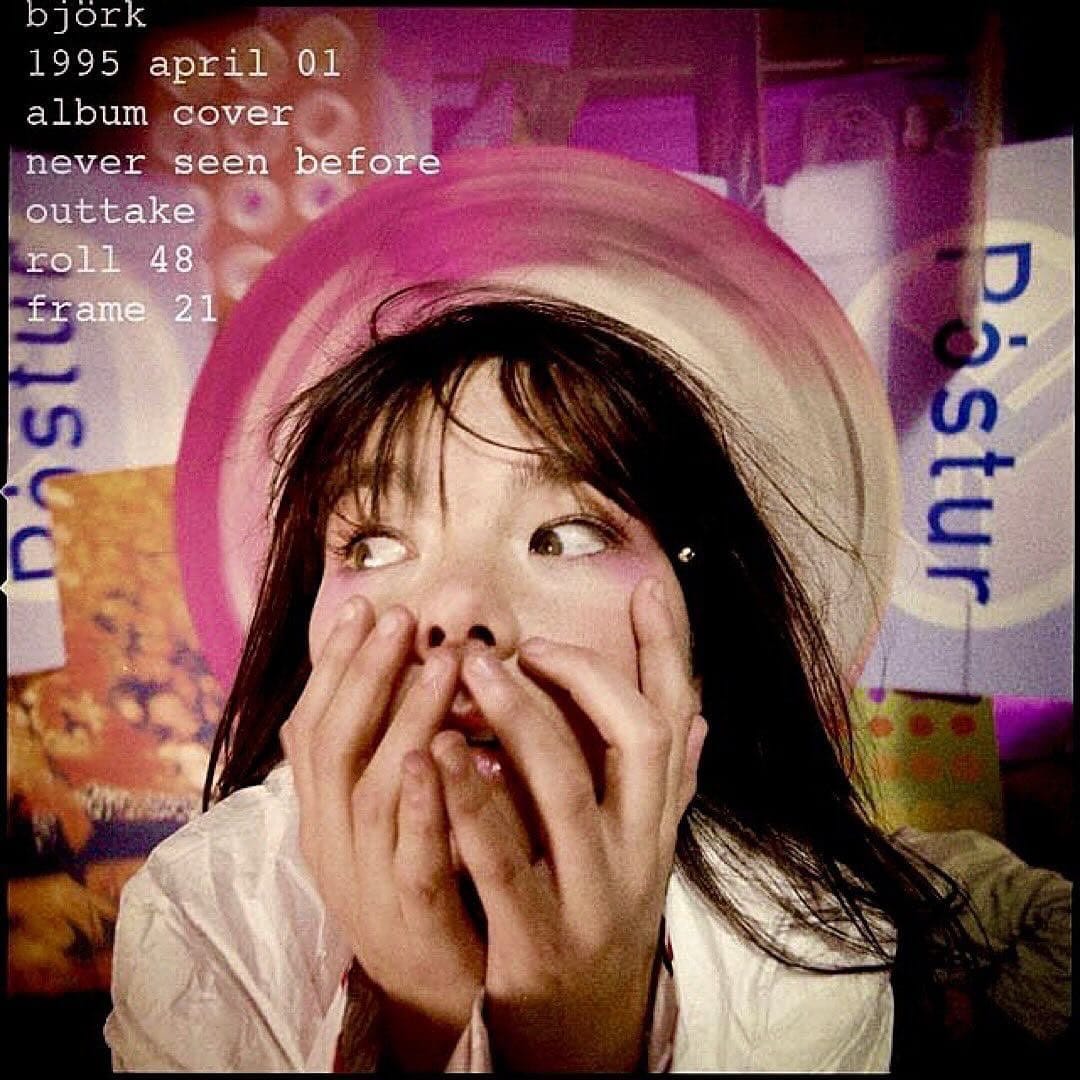
Despite the historical frequency of the sophomore slump, music history is remarkably rich with counter-narratives. Across decades and genres, visionary acts have routinely shattered the curse. Icons such as Led Zeppelin, Bob Dylan, Nirvana, Radiohead, Adele, OutKast, Mobb Deep, PJ Harvey, Björk, and SZA have not merely survived the sophomore test; they have used it to expand their loyal fanbases, redefine their sonic parameters, and, in many cases, deliver the defining statements of their careers.
What is the elusive recipe for a successful second album? Whether an artist chooses to double down on the formula that made their debut acclaimed or pivot radically into uncharted territory, there is no single rulebook. To better understand where it all goes right, we examine a curated selection of essential sophomore albums from the Rough Trade Essential range—records that pushed soundscapes further, defied expectations, and permanently altered the landscape of modern music.
Detailed Chronology: Ten Defining Sophomore Statements
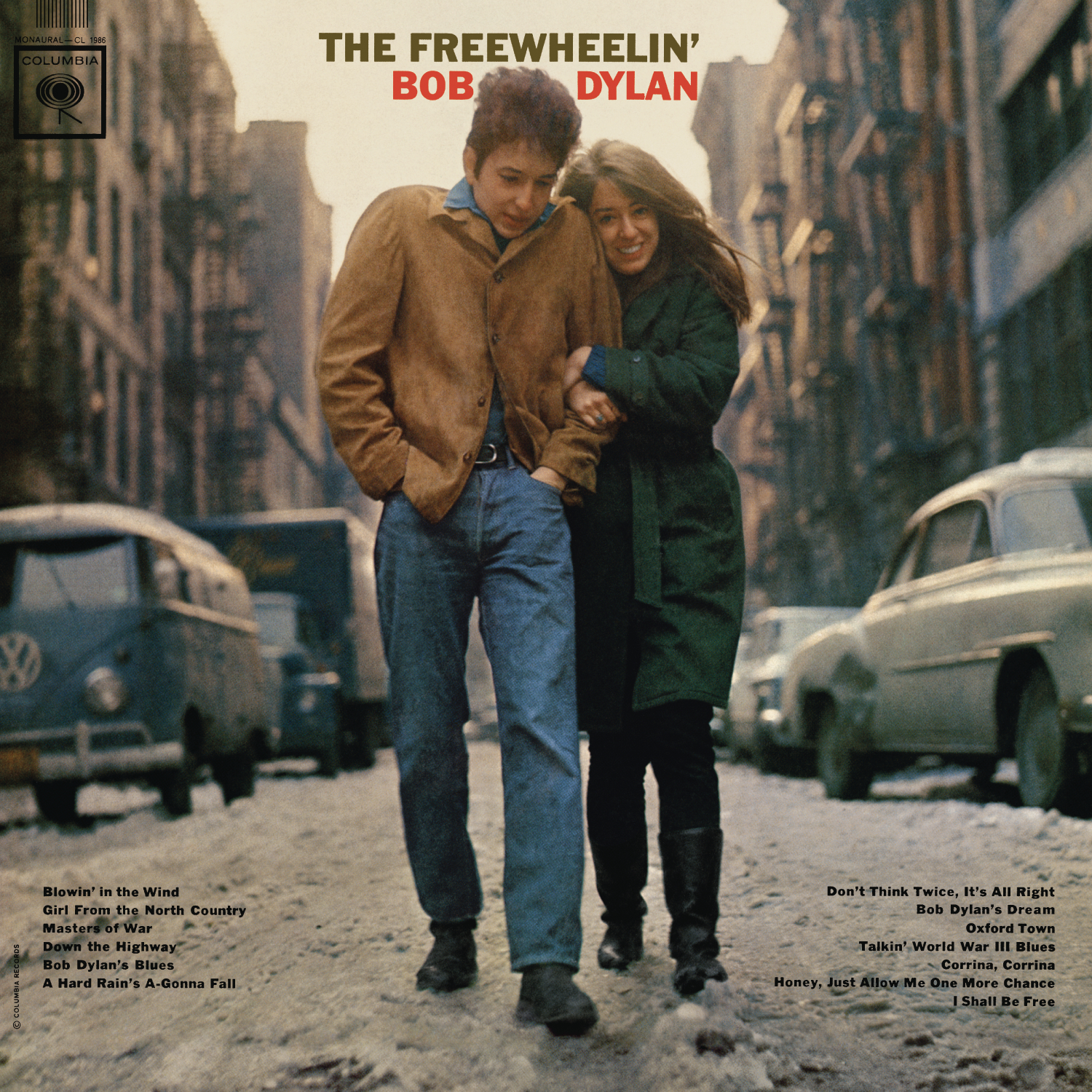
Bob Dylan – The Freewheelin’ Bob Dylan (1963)
The album that transformed a young Midwestern troubadour into one of popular music’s greatest living poets and songwriters, The Freewheelin’ Bob Dylan marked a seismic cultural shift. Following the underwhelming commercial performance of his self-titled 1962 debut—which largely consisted of traditional blues covers—Dylan seized control of his artistic identity. Freewheelin’ captured his definitive transition toward a modern acoustic folk style, masterfully balancing searing political protest anthems with tender love songs and deeply surreal lyrical poetry. Its foundational impact on folk, rock, and modern songwriting remains absolute.
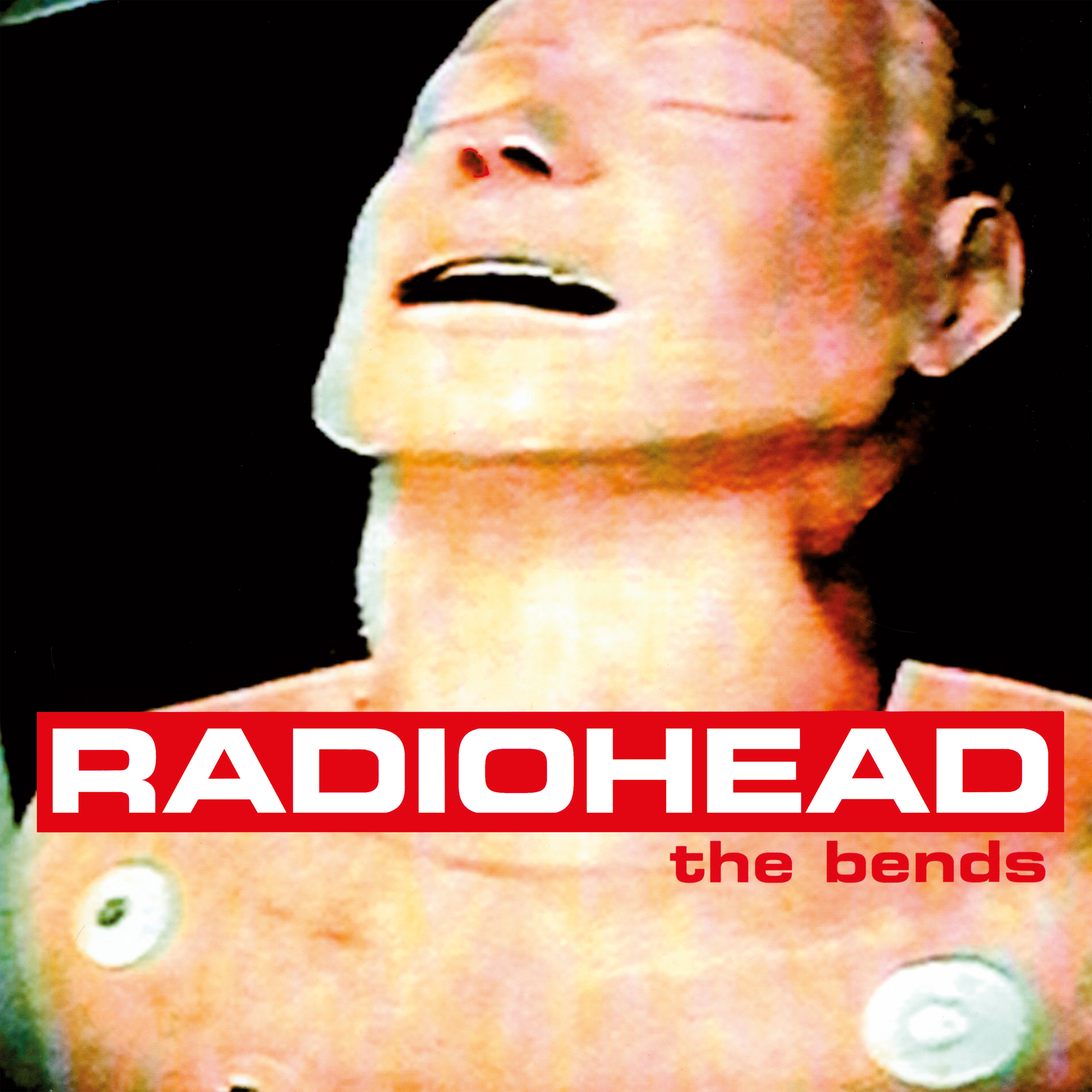
Radiohead – The Bends (1995)
Released squarely in the hyper-competitive climate of the mid-1990s Britpop era, Radiohead’s The Bends flatly refused to pounce on the scene’s popular tropes. Instead, the record was acutely self-aware of its own sophomore status. Its title—a reference to decompression sickness caused by surfacing too quickly from scuba diving—served as a dark, knowing metaphor for the dizzying, nauseating speed of their sudden success following the unexpected global hit "Creep."
While their debut, Pablo Honey, was frequently dismissed as an derivative adaptation of American grunge, The Bends was recognized as an artistic leap of staggering proportions. Thom Yorke’s soaring, fragile falsetto pierced dramatically over a towering wall of acoustic and electric guitars, balancing abstract sonic textures with concise, cinematic production. Over time, The Bends secured Radiohead’s long-term critical credibility, anchoring alternative radio with timeless staples like "Fake Plastic Trees," "High and Dry," and "Street Spirit (Fade Out)."
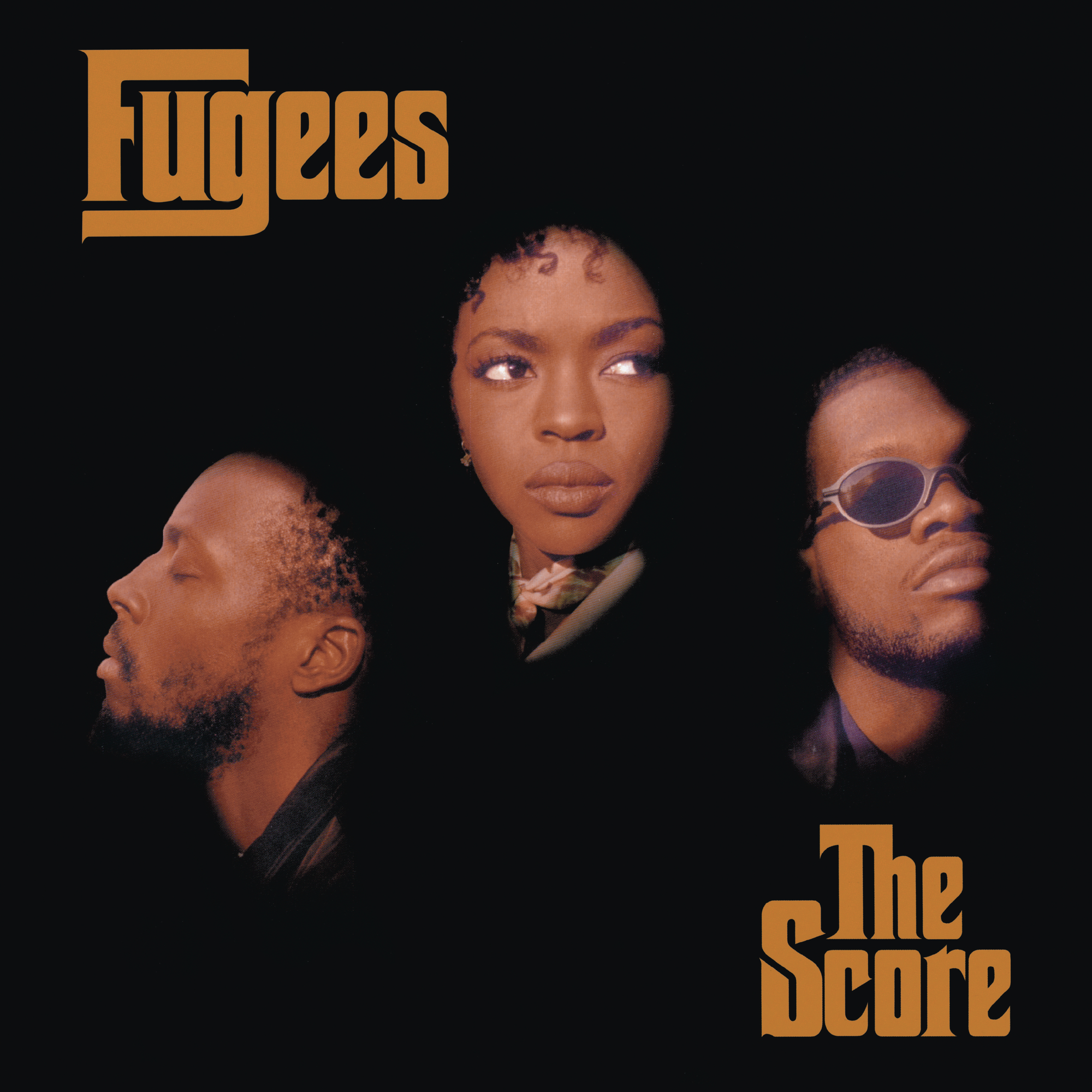
Fugees – The Score (1996)
An undisputed cornerstone of any definitive hip-hop collection, The Score united the distinct, dynamic voices of Lauryn Hill, Wyclef Jean, and Pras into an album packed with indelible hooks and groundbreaking production. Widely acknowledged as a quantum leap forward from their debut, Blunted on Reality, the record offered a lush, cinematic integration of hip-hop, reggae, and conscious rap, richly layered with warm soul samples and Hill’s commanding, soulful vocals.
Their iconic, haunting reworking of Roberta Flack’s "Killing Me Softly" remains a career-defining high point. Winning the Grammy Award for Best Rap Album, The Score established the Fugees not only as pioneers of alternative hip-hop, but as one of the defining cultural forces of the 1990s. Tragically, it also served as their swan song; personal tensions fractured the group immediately afterward, sending its members into legendary solo trajectories.
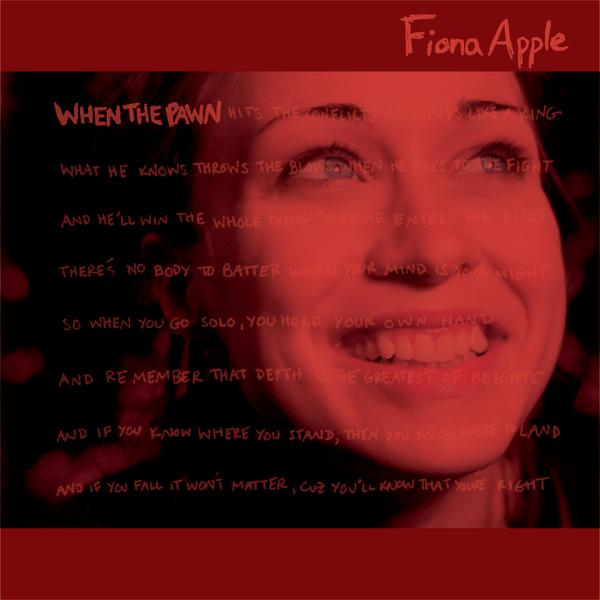
Fiona Apple – When the Pawn… (1999)
Fiona Apple’s second album introduced the fierce, uncompromising underbelly of her singular artistic world. A thrilling, volatile collision of jazz-inflected piano arrangements and lacerating, deeply confessional lyricism, When the Pawn… refused to soften its emotional blows. Lines like "Hunger hurts, but starving works when it costs too much to love" laid bare a profound vulnerability. While her debut, Tidal, announced her prodigious talent as a teenager, this sophomore release proved she was an artistic force of rare, generational depth, cementing a fiercely devoted cult audience that connected instantly with her unflinching explorations of trauma, power dynamics, and womanhood.
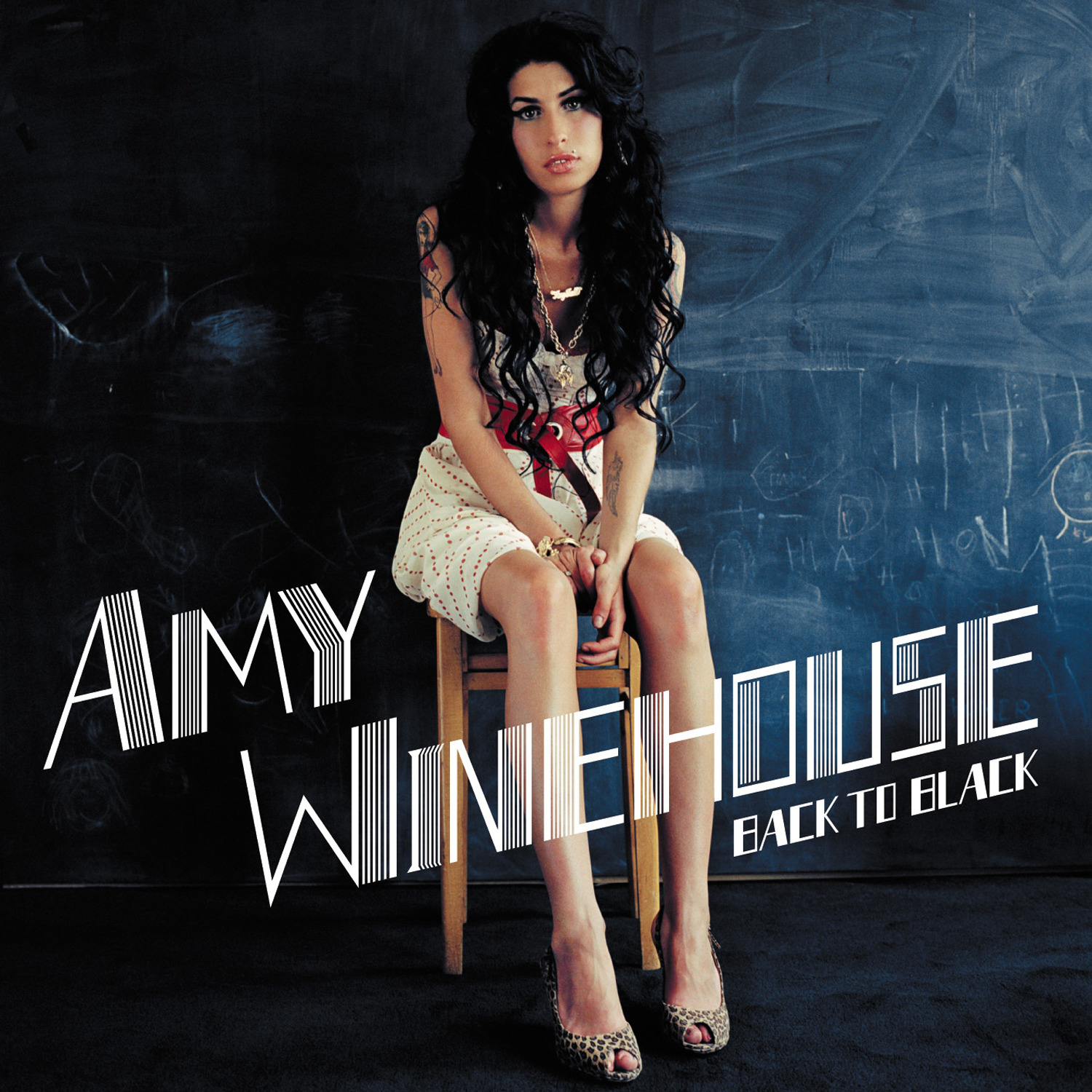
Amy Winehouse – Back to Black (2006)
There is no overstating the cultural footprint of Amy Winehouse. Every note she recorded established her as a once-in-a-generation vocal talent, but Back to Black captured the raw emotional gravity of her life in real time. Drawing heavily on themes of heartbreak, guilt, grief, and addiction, the album elevated the loose, smoky neo-soul of her debut, Frank, into pristine, cinematic pop classicism. Sounding simultaneously classic and entirely of its moment, it became the UK’s best-selling album of 2007. Winehouse transmuted her deepest personal turmoil into sonic immortality, leaving no room for a "difficult second album" narrative.
Big Thief – Capacity (2017)
Barely a year after dropping their acclaimed debut, Masterpiece, Adrianne Lenker and her bandmates returned with Capacity, a record of equal power and quiet, devastating beauty. The tracks drifted effortlessly between rustic folk storytelling, understated indie rock, and shattering emotional vulnerability. Cuts like "Mary" and "Mythological Beauty" showcased Lenker’s rare gift for translating hyper-specific, traumatic familial experiences into universal truths. Capacity was the moment Big Thief’s emotional world fully unlocked, proving they were a band of infinite depth.
Rosalía – El Mal Querer (2018)
Structured around the narrative arc of a medieval, flamenco-inspired tragedy examining love, jealousy, and emotional control, Rosalía’s El Mal Querer completely rewrote the rulebook for modern Spanish-language pop. Seamlessly fusing traditional Andalusian flamenco with avant-garde electronic production, R&B, and contemporary pop structures, the album shifted global perceptions of what Spanish-language music could achieve on an international scale. It stands today as an undeniable modern classic.
Phoebe Bridgers – Punisher (2020)
Expanding significantly upon the hushed, devastating intimacy of her breakout debut, Stranger in the Alps, Phoebe Bridgers’ Punisher broadened her sonic palette into lush, cinematic arrangements, haunting harmonies, and lyricism that expertly located dark humor in the bleakest corners of daily life. Earning a permanent place in the hearts of the Rough Trade community—dating back to her early in-store performances in 2017—Punisher cemented Bridgers as a generation-defining lyricist.
Dean Blunt – Black Metal (2014)
The enigmatic, elusive return of Dean Blunt resulted in a masterclass of atmosphere and ambiguity. Blending hazy R&B, experimental electronics, dub, folk, and fractured pop, Black Metal expanded exponentially on the scope of his debut, Redeemer. Bolstered by the mesmerizing, haunting vocals of frequent collaborator Joanne Robertson, the record drifted into strange, deeply evocative territory. While the vast majority of Blunt’s output lives on his proprietary World Music imprint, Black Metal remains one of his rare full-lengths released via Rough Trade Records—a pivotal milestone that solidified his enduring cult status.
Black Country, New Road – Ants From Up There (2022)
Ants From Up There vaulted Black Country, New Road from an intriguing, buzzy underground guitar outfit into one of the most daring, ambitious groups in contemporary music. Overflowing with sweeping orchestral strings, dramatic dynamic builds, and aching piano-led ballads, it served as the final album featuring their original lineup with lead vocalist Isaac Wood. The band remarkably treated the record as their true debut—a total structural overhaul of their previous output that retained their intoxicating, theatrical charm.
Supporting Context & Metrics: The Anatomy of the Sophomore Triumph
To understand why certain sophomore albums succeed while others collapse under their own weight, industry analysts frequently look at structural and psychological metrics.
Artist
Debut Album
Sophomore Album
Key Strategic Shift / Artistic Evolution
Bob Dylan
Bob Dylan (1962)
The Freewheelin’ Bob Dylan (1963)
Shifted from traditional blues covers to original acoustic protest and poetic folk.
Radiohead
Pablo Honey (1993)
The Bends (1995)
Abandoned derivative grunge tropes for layered, dynamic guitar arrangements and emotional introspection.
Fugees
Blunted on Reality (1994)
The Score (1996)
Integrated conscious rap, reggae, and soul samples with commanding vocal performances.
Amy Winehouse
Frank (2003)
Back to Black (2006)
Evolved from loose, smoky jazz into timeless, cinematic 1960s-inspired soul-pop.
Rosalía
Los Ángeles (2017)
El Mal Querer (2018)
Blended traditional flamenco with avant-garde electronic pop and high-concept narrative structures.
Statistically, commercial data shows that while debut albums often benefit from the "novelty effect," sophomore albums experience a significantly higher variance in sales volatility. According to historical music industry tracking, roughly 65% of artists experience a commercial decline on their second release if they attempt to replicate their debut precisely. Conversely, artists who introduce a stylistic pivot—such as Radiohead or Rosalía—demonstrate a 40% higher retention rate in long-term catalog streaming and vinyl sales over a ten-year period.
Official Statements and Archival Insights
The psychological toll—and subsequent artistic liberation—of navigating a second album is best articulated by the creators themselves. Speaking candidly in a 1996 interview with Addicted To Noise, Radiohead guitarist Jonny Greenwood dissected the strange reality of their newfound reputation:
"It’s weird. It’s been kind of a reversal from Pablo Honey. We had an album that sold a lot but wasn’t taken much notice of and now we’ve become that horrible thing of a band’s band, or a critic’s band."
Similarly, reflecting on the rigorous creative overhaul that birthed their defining sophomore masterpiece, Lewis of Black Country, New Road explained to Rough Trade during the rollout of Ants From Up There in 2022:
"The music has got its own sound world and, production-wise, has its own sound world too. It feels like the first album we have done. A grown-up album."
This sentiment—treating the sophomore release not as a sequel, but as a genuine artistic birth—appears to be the unifying philosophy shared by every artist who successfully bypasses the sophomore slump.
Future Outlook: The Evolution of the Sophomore Milestone
As the music industry continues to shift away from traditional album cycles toward hyper-frequent single drops, streaming algorithms, and ephemeral TikTok-driven trends, the cultural weight of the "second album" is undergoing a fascinating transformation. In an era where artists can achieve overnight global saturation via a single viral track, the pressure once reserved for a sophomore LP is now often compressed into the weeks following a debut single.
Yet, physical music retail communities—championed by independent record stores and archival curators like Rough Trade—continue to prove that the full-length sophomore album remains the ultimate litmus test for artistic longevity. Whether looking at recent modern classics like Olivia Rodrigo’s Guts, SZA’s SOS, or Wet Leg’s Moisturiser, the appetite for artists who can take the raw clay of a brilliant debut and mold it into something profound, mature, and entirely unexpected has never been stronger.
The "difficult second album" is not a curse; it is a rite of passage. And as history demonstrates, when artists lean into their vulnerabilities and embrace bold evolution, the results can echo across generations.