Executive Overview
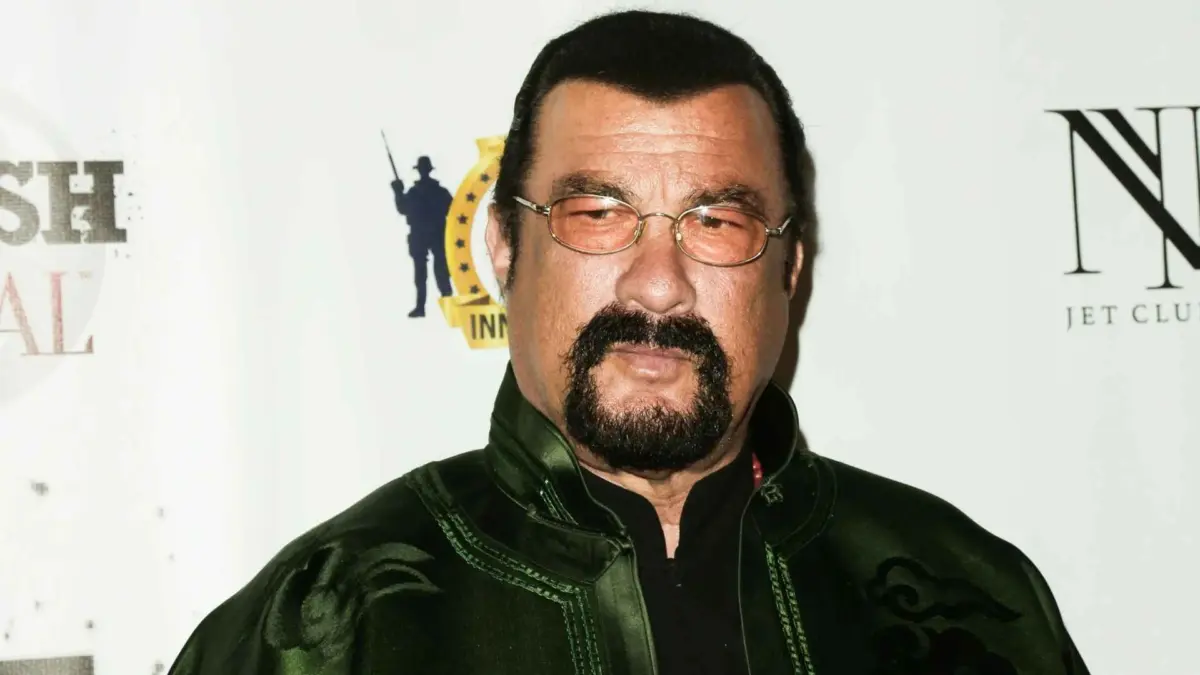
Steven Frederic Seagal—once a towering figure in Hollywood’s elite circle of action-movie royalty—commands an estimated net worth fluctuating between $14 million and $16 million, according to leading industry trackers such as Celebrity Net Worth and TheRichest. While the exact valuation is subject to debate due to variations in how financial analysts calculate private real estate holdings, past film residuals, and international business ventures, the overarching narrative is clear. Seagal’s fortune represents a fraction of the astronomical wealth he generated during the peak of his cinematic reign in the late 1980s and 1990s.
The disparity in his estimated net worth comes down to a fundamental challenge in celebrity finance: the opacity of private fortunes. While digital trackers use publicly available real estate filings, known contract disclosures, and historical box office data to approximate his wealth, they struggle to capture the full scope of backend residuals, foreign market syndication, and private investments.
Unlike peers who leveraged their 1990s box-office dominance into multi-hundred-million-dollar global brands, Seagal’s career trajectory took a divergent path. Marked by a gradual transition into the direct-to-video market, unconventional personal pursuits, geopolitical alignments, and notable regulatory entanglements, his financial footprint today serves as a classic study in how rapidly cultural cachet and cinematic demand can shift in the fickle ecosystem of the entertainment industry.
Detailed Chronology: From Lansing to Hollywood Icon
Early Life and Martial Arts Mastery (1952–1987)
Born on April 10, 1952, in Lansing, Michigan, to a high school mathematics teacher father and a medical technician mother, Seagal’s introduction to martial arts occurred at an early age. By the time he was seven, he was studying karate under the renowned instructor Fumio Demura.
In his late teens, Seagal made a pivotal move to Japan, immersing himself in the rigorous study of Aikido, karate, judo, and kendo for nearly a decade and a half. His dedication culminated in a historic milestone: he became the first Westerner to open and operate a martial arts dojo in Japan, eventually earning a prestigious 7th-dan black belt in Aikido.
Upon returning to the United States, Seagal established a dojo in Los Angeles, cultivating a clientele of affluent individuals, industry executives, and celebrities—including actress Kelly LeBrock, who would later become his wife. This exclusive social circle placed him directly in the orbit of powerful Hollywood power brokers, most notably prominent talent agent Michael Ovitz. Recognizing Seagal’s formidable physical presence, intense martial arts authenticity, and unique brand of stoic screen violence, Ovitz arranged an audition that directly paved the way for Seagal’s explosive feature film debut.
The Peak Box Office Era (1988–1999)
Seagal’s entry into cinema was immediate and lucrative. With Above the Law (1988), he carved out a distinct niche as a kinetic, bone-crushing lawman. Unlike traditional bodybuilder action stars of the era, Seagal utilized fast-paced Aikido joint-locks and lethal efficiency, captivating audiences worldwide.
[1988: 'Above the Law' Debut] ──> [1990-1992: Blockbuster Surge ('Hard to Kill', 'Under Siege')] ──> [1990s Peak Earnings: $5M–$20M per Film]The early 1990s represented the absolute zenith of Seagal’s commercial viability and earning power:
- Hard to Kill (1990): Grossed $47.4 million domestically.
- Marked for Death (1990): Pulled in $58.0 million globally.
- Out for Justice (1991): Accumulated $39.7 million.
- Under Siege (1992): Achieved a massive worldwide box office take of $156.6 million, standing as the undisputed crown jewel of his cinematic career.
During these peak years, Seagal commanded baseline salaries ranging from $5 million to $20 million per film, frequently supplemented by lucrative backend profit-participation deals. Industry estimates suggest his cumulative earnings during this golden window approached historic heights, placing him in the upper echelon of Hollywood earners alongside contemporaries like Sylvester Stallone and Arnold Schwarzenegger.
Transition and Direct-to-Video Era (2000–Present)
As the cinematic landscape shifted away from traditional martial arts action toward CGI-heavy blockbusters and superhero franchises, Seagal’s box office pull began to wane. By the turn of the millennium, his presence in major theatrical releases diminished significantly.
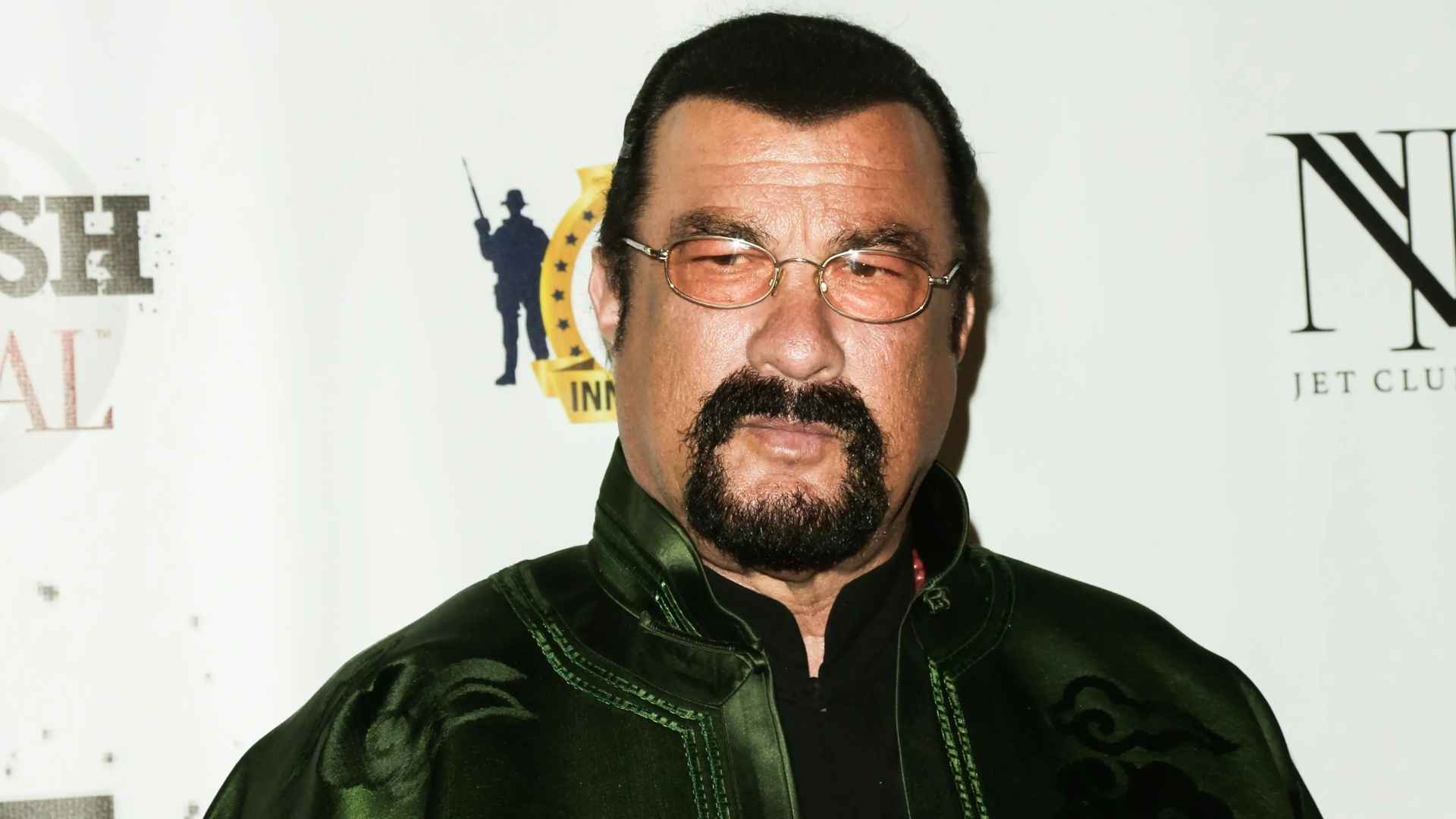
Instead of fading from the industry entirely, Seagal successfully pivoted into the prolific world of direct-to-video (DTV) action features. While these projects carried significantly lower budgets and reduced upfront salaries, they remained remarkably steady revenue generators due to robust international pre-sales and dedicated overseas fanbases. Concurrently, he expanded his brand into television—starring in reality programming such as Steven Seagal: Lawman and the dramatic series True Justice—while pursuing musical endeavors and ongoing martial arts instruction.
Supporting Context & Metrics
Quick Facts: The Steven Seagal Profile
| Metric / Attribute | Detail / Specification |
|---|---|
| Full Legal Name | Steven Frederic Seagal |
| Current Net Worth | $14 million to $16 million (Estimated) |
| Date of Birth | April 10, 1952 |
| Place of Birth | Lansing, Michigan, U.S. |
| Primary Professions | Actor, Producer, Screenwriter, Martial Artist, Musician |
| Breakthrough Role | Above the Law (1988) |
| Highest Grossing Film | Under Siege ($156.6 million worldwide) |
Comprehensive Box Office Performance Ledger
| Movie Title | Release Year | Reported Box Office Gross |
|---|---|---|
| Above the Law | 1988 | $18.9 million |
| Hard to Kill | 1990 | $47.4 million |
| Marked for Death | 1990 | $58.0 million (Worldwide) |
| Out for Justice | 1991 | $39.7 million |
| Under Siege | 1992 | $156.6 million (Worldwide) |
| On Deadly Ground | 1994 | $38.6 million |
| Executive Decision | 1996 | $122.0 million (Worldwide) |
| Exit Wounds | 2001 | $80.0 million (Worldwide) |
Note: Box office figures reflect gross theatrical receipts and do not directly translate to actor take-home pay, which is subject to studio distribution costs, theatrical splits, and contractual backend agreements.
Official Statements and Regulatory Matters
While Seagal’s cinematic output has largely shifted out of the Hollywood mainstream, his financial and public profile has occasionally been impacted by legal and regulatory oversight. A notable inflection point occurred in February 2020, when the U.S. Securities and Exchange Commission (SEC) announced charges against Seagal for failing to disclose payments received for promoting a digital asset offering (commonly referred to as an Initial Coin Offering, or ICO).
According to formal SEC findings, Seagal was promised a promotional compensation package consisting of $250,000 in cash and $750,000 worth of digital tokens in exchange for utilizing his public platform to endorse Bitcoiin2G (B2G). Crucially, the promotion violated federal securities laws because it failed to disclose that he was being compensated to encourage public investment in the digital asset.
Without admitting or denying the findings of the regulatory body, Seagal agreed to a settlement with the SEC that included strict financial penalties:
- Disgorgement: $157,000 (representing the recovery of his ill-gotten promotional gains).
- Prejudgment Interest: $16,448.76.
- Civil Penalties: A matching fine of $157,000.
- Injunctive Relief: A three-year statutory bar prohibiting him from touting any digital or traditional securities.
While financial analysts and celebrity net worth trackers acknowledge that these regulatory penalties represented a substantial cash outflow, public financial disclosures and industry trackers indicate that the settlement did not fundamentally destabilize his core wealth, which is largely insulated in historical real estate holdings, accumulated royalties, and ongoing international media ventures.
Future Outlook
Evaluating Steven Seagal’s financial standing through a contemporary lens reveals a fascinating dichotomy between past glory and modern sustainability. While his peers from the 1990s action boom successfully parlayed their box office momentum into expansive multimedia production companies, global franchise footprints, and high-profile entrepreneurial ventures, Seagal’s career took a distinct, insular path.
His transition into direct-to-video filmmaking, combined with diverse career pivots into law enforcement reality television, international music projects, and prominent political alignments abroad, has kept him in the global spotlight—albeit far away from major Hollywood studios.
Moving forward, Seagal’s net worth is expected to remain stable within the $14 million to $16 million range. Protected by historical residuals from monumental hits like Under Siege and a consistent, low-overhead output of international action projects, his financial legacy is firmly secured. For millions of fans worldwide who remember the golden era of martial arts action cinema, Seagal remains a singular cinematic force—a reminder of an era when a martial arts master could seize the Hollywood box office and command the global screen.
Disclaimer: Net worth figures cited in this report are informed estimates derived from public records, historical industry contracts, and third-party financial trackers. Because private assets, tax liabilities, and unpublished private investments are not fully transparent, actual individual net worth may vary.