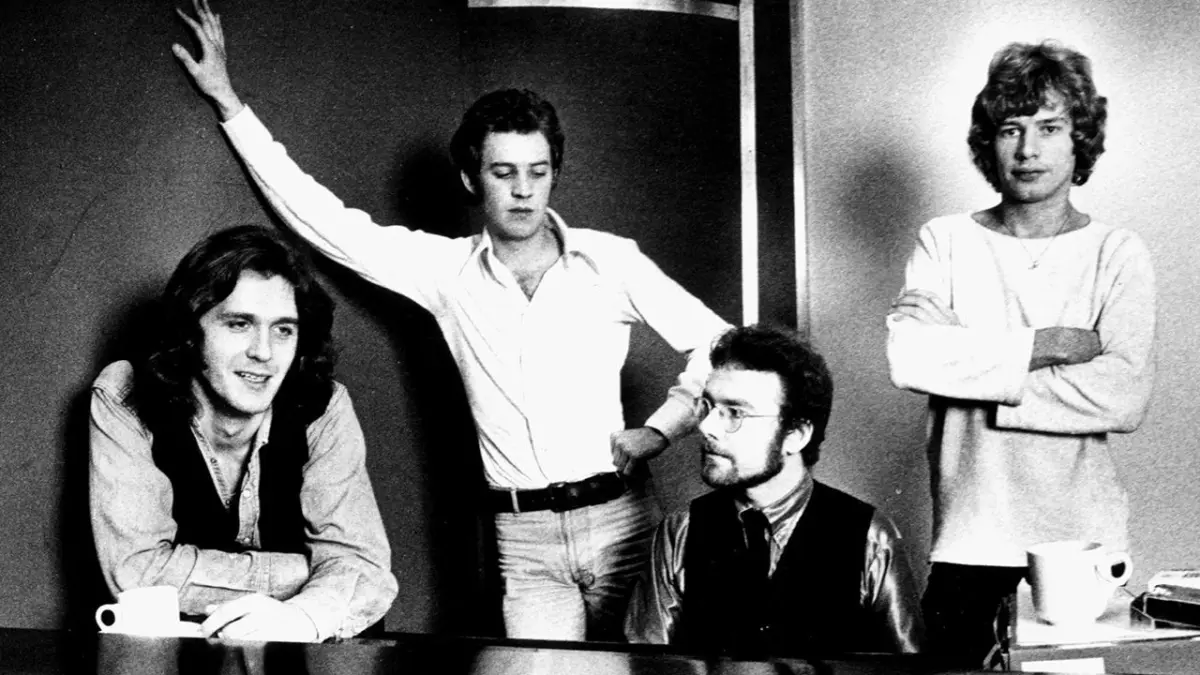
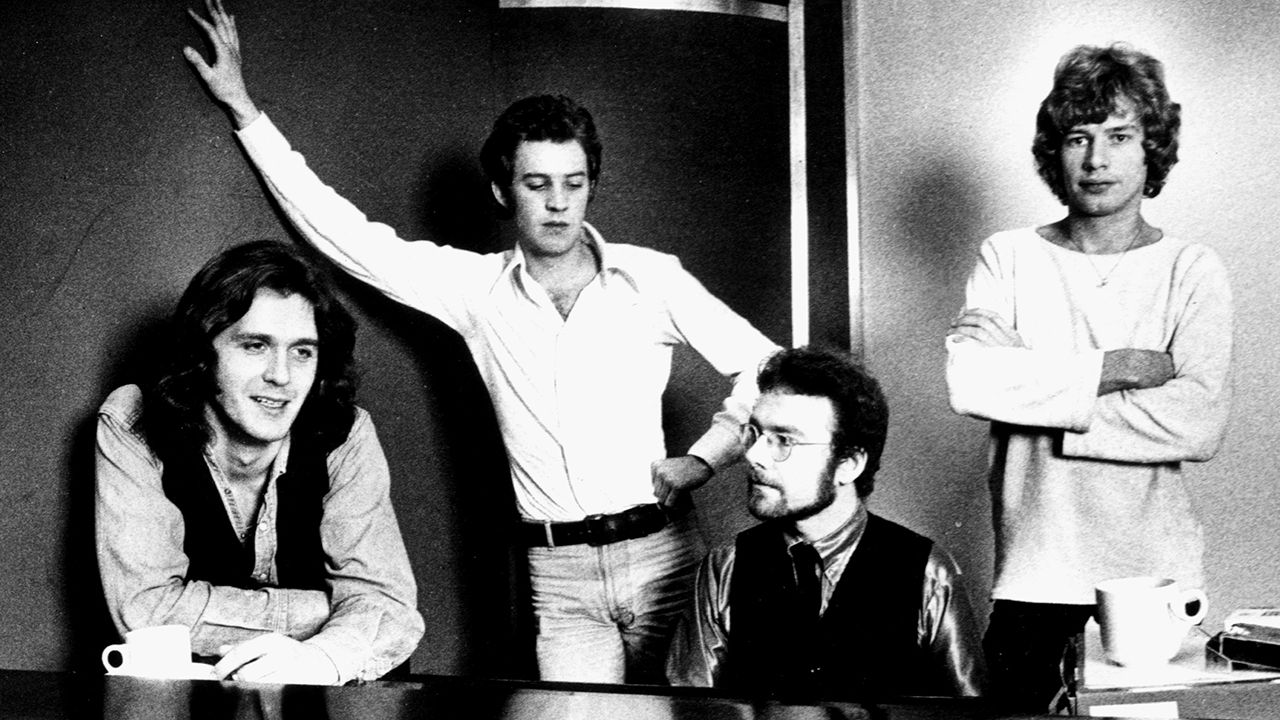
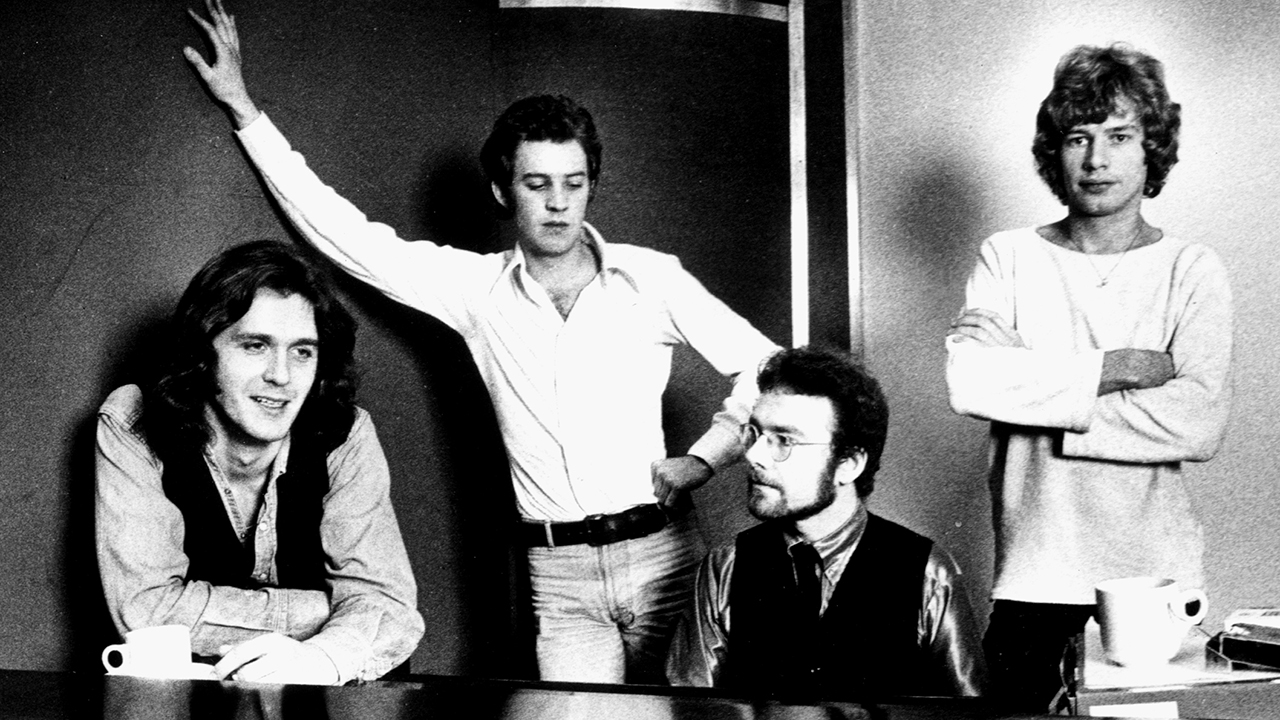
Following the earth-shattering release of their 1969 debut, In the Court of the Crimson King, King Crimson stood at a dangerous precipice. Rather than capitalizing on immediate commercial success with a stable line-up, the band instantly entered a state of perpetual metamorphosis. Between 1970 and 1974, guitarist and primary architect Robert Fripp navigated a relentless revolving door of personnel, guiding the group through six studio albums that redefined the boundaries of progressive rock, jazz fusion, avant-garde classical, and heavy metal.
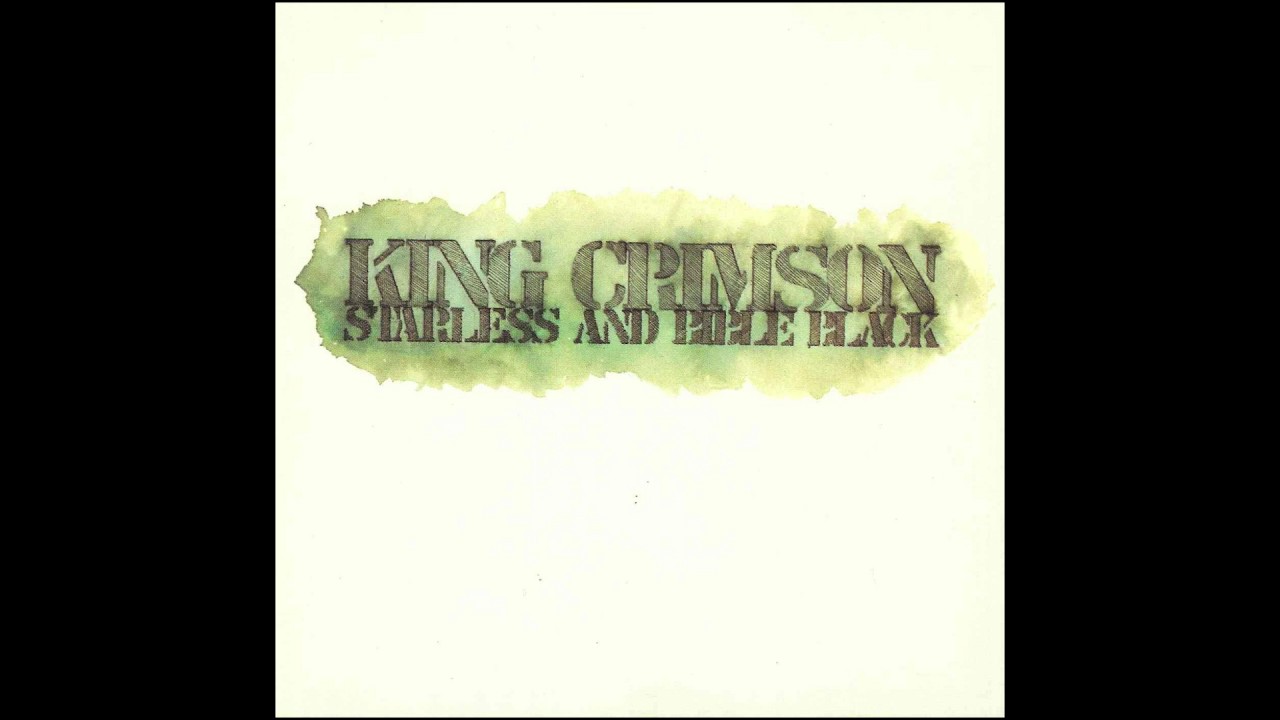
This half-decade was defined by creative tension, volatility, and radical innovation. From the classical and jazz-infused experiments of In the Wake of Poseidon, Lizard, and Islands, to the aggressive, proto-industrial heavy improvs of the John Wetton–Bill Bruford era on Larks’ Tongues in Aspic, Starless and Bible Black, and Red, King Crimson refused to repeat themselves. When Fripp abruptly dissolved the band in late 1974—declaring that King Crimson had "ceased to exist"—he left behind one of the most audacious discographies in modern music history.
An examination of the ten definitive compositions from this era reveals a group that operated not merely as a rock band, but as a dynamic laboratory where sheer sonic violence existed alongside heartbreaking delicacy.
Detailed Chronology: The Evolution and Key Track Canon (1970–1974)
===================================================================================
                     KING CRIMSON 1970–1974 ERA TIMELINE
===================================================================================

  1970                       1971                   1973                1974
---|--------------------------|----------------------|-------------------|---
   • In the Wake of Poseidon  • Islands              • Larks' Tongues    • Starless & Bible Black
   • Lizard                                            in Aspic          • Red
                                                                         • Band Dissolution
===================================================================================
The Transitional Era: Rebirth and Free-Jazz Explorations (1970–1971)
The initial split of the founding line-up left Fripp scrambling to rebuild. Rather than abandoning the moniker, Fripp drafted guest vocalists, session players, and jazz musicians to keep the Crimson vision alive.
10. "In The Wake Of Poseidon" (In The Wake Of Poseidon, 1970)
In the wake of original vocalist Greg Lake and drummer Michael Giles signaling their departures, Fripp constructed an album that mirrored the structural
blueprint of their debut. The title track remains a majestic, Mellotron-heavy epic. Driven by Lake’s sonorous vocals and Giles’s thunderous, orchestral drumming, the track bridges the gap between the symphonic grandeur of 1969 and the darker, more uncertain decade ahead.
Key Elements: Symphonic Mellotron swells, sonorous lead vocals, dynamic percussion sweeps.
Personnel: Robert Fripp, Greg Lake, Michael Giles, Peter Giles, Keith Tippett.
9. "The Battle Of Glass Tears" (Lizard, 1970)
For King Crimson’s third studio effort, Lizard, Fripp expanded the ensemble to incorporate avant-garde jazz artists, most notably pianist Keith Tippett. "The Battle Of Glass Tears"—a multi-part suite forming the core of the album’s second side—ranges from quiet, cinematic suspense to explosive, free-form skirmishes. Tippett’s splintered, dissonant piano keys clash with Fripp’s chillingly calculated guitar solo, culminating in an uncompromising study in chaos and resolution.
8. "Sailor’s Tale" (Islands, 1971)
By late 1971, a new touring line-up had coalesced around Fripp, featuring bassist/vocalist Boz Burrell, saxophonist Mel Collins, and drummer Ian Wallace. "Sailor’s Tale," an instrumental highlight from Islands, jettisoned pastoral ballads in favor of a lean, jazz-rock drive. Wallace’s propulsive drumming and Burrell’s galloping bass create a foundation over which Fripp unleashes a groundbreaking guitar solo—recorded on the final day of production—characterized by harsh, metallic chord scraping that anticipated the band’s later noise-rock directions.
The Power-Quintet and the Vanguard Shift (1972–1973)
In 1972, Fripp dismantled the Islands line-up and formed what many critics consider the definitive live unit of the era: bassist/vocalist John Wetton (ex-Family), virtuoso drummer Bill Bruford (who famously left Yes at their commercial peak), violinist/keyboards-man David Cross, and avant-garde percussionist Jamie Muir.
===================================================================================
                       THE VANGUARD LINE-UP (1972–1973)
===================================================================================
  Robert Fripp   •  John Wetton   •  Bill Bruford   •  David Cross   •  Jamie Muir
  (Guitars/Keys)    (Bass/Vocals)    (Drums)           (Violin/Mellotron)(Percussion)
===================================================================================
3. "Larks’ Tongues In Aspic Part I" (Larks’ Tongues In Aspic, 1973)
This seminal track redefined progressive rock by merging heavy metal riffs with the minimalist classical influences of Béla Bartók and Igor Stravinsky. Jamie Muir’s eccentric assortment of bells, gongs, and found objects provided an unpredictable atmosphere, juxtaposed against Fripp’s crushing, distorted guitar motifs and Wetton’s monstrous, overdriven bass lines. The composition swings violently between whisper-soft ambient textures and earth-shattering dynamic peaks.
The Improvisational Crucible and Final Masterpieces (1974)
Following Jamie Muir’s departure to a Buddhist monastery, King Crimson stripped down to a quartet and embarked on an intense period of touring. The group began writing songs on stage, performing completely spontaneous improvisations in front of night after night of live audiences.
===================================================================================
                       THE 1974 QUARTET / TRIO ERA
===================================================================================
             [Robert Fripp]  --  [John Wetton]  --  [Bill Bruford]
                                 (with David Cross)
===================================================================================
7. "The Night Watch" (Starless And Bible Black, 1974)
Demonstrating their mastery of delicate balladry, "The Night Watch" features lyrics by Richard Palmer-James inspired by Rembrandt’s famous 1642 painting. The track showcases a lyrical, soaring guitar solo from Fripp—captured in a single live take at the Amsterdam Concertgebouw—supported by Wetton’s melodic bass playing and Cross’s atmospheric violin work.
6. "Starless And Bible Black" (Starless And Bible Black, 1974)
Though credited as a title track on a studio album, this composition is entirely a live improvisation recorded in Zurich. It encapsulates the telepathic connection of the quartet. David Cross’s ghostly Mellotron backdrops frame a slow-burning build where Bruford’s delicate cymbal work and Wetton’s aggressive low-end gradually push the music from cosmic ambient soundscapes into sharp, focused heavy jazz-rock.
4. "Fracture" (Starless And Bible Black, 1974)
Widely considered one of the most technically demanding guitar pieces in rock music, "Fracture" is built around Fripp’s relentless moto perpetuo (perpetual motion) cross-picking technique. The piece alternates between intricate, mathematical guitar lines and explosive group outbursts. It culminates in a frantic, high-speed climax where Bruford’s audible yelp of excitement signals the band successfully navigating a musical tightrope.
2. "Asbury Park" (USA, 1975 / Rec. 1974)
Recorded live at the Casino in Asbury Park, New Jersey, in June 1974 during the band’s final tour, this fully improvised track highlights raw rock power. Initiated by a thunderous drum roll from Bruford, Fripp shouted out a single key center—"F!"—and the band launched into a heavy, funk-infused jam. Wetton’s roaring bass lines and Fripp’s screaming guitar licks showcase a unit operating at the peak of their performance capabilities despite severe interpersonal tensions behind the scenes.
The Swan Song: The Red Era (1974)
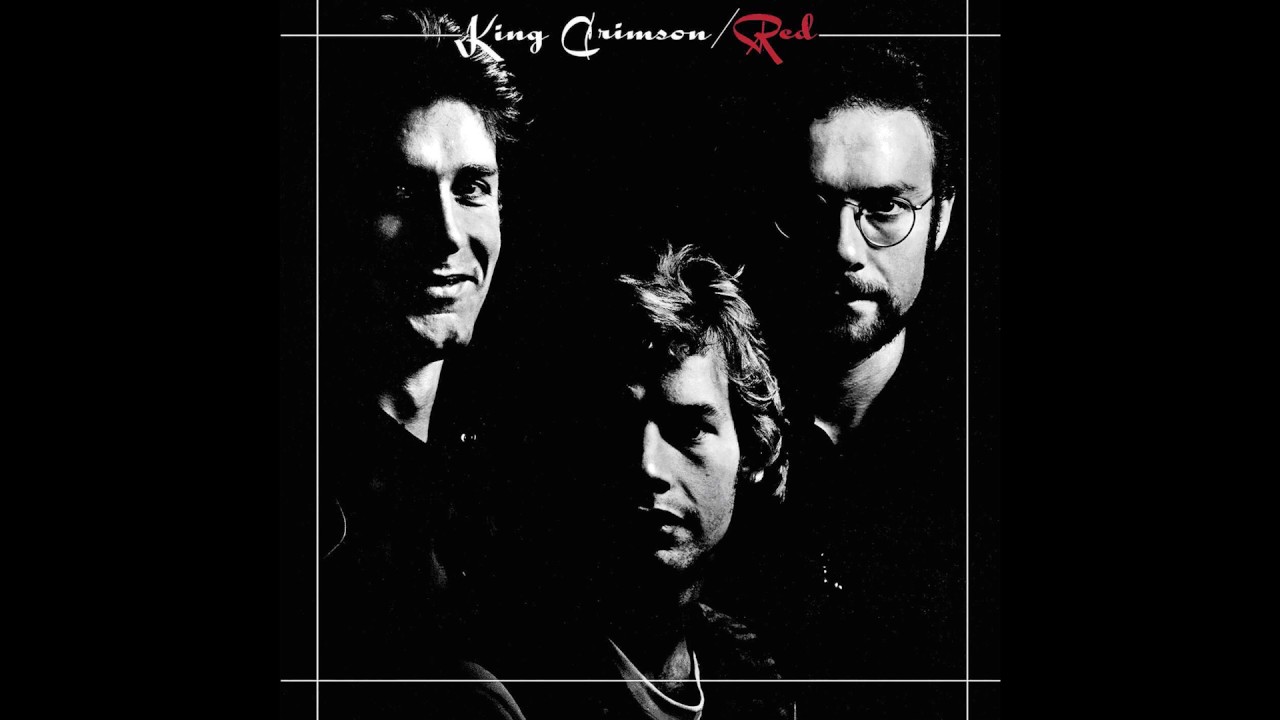
Reduced to a trio of Fripp, Wetton, and Bruford (with guest appearances by former members including Mel Collins and David Cross), King Crimson entered London’s Olympic Studios in mid-1974 to record their final studio album of the decade.
5. "Red" (Red, 1974)
The title track of their seventh studio album is an instrumental tour de force. Driven by Fripp’s ominous, tritonal guitar riffs, Wetton’s abrasive bass tone, and Bruford’s crisp snare work, "Red" laid the groundwork for future heavy music subgenres. It abandoned traditional progressive rock frills in favor of raw, dark, proto-industrial energy.
1. "Starless" (Red, 1974)
Standing as the crowning achievement of 1970s King Crimson—and progressive rock as a whole—"Starless" is a 12-minute masterwork constructed in three distinct movements:
The Elegiac Ballad: Opens with melancholic Mellotron, David Cross’s soaring violin, and John Wetton’s heartbreaking vocal delivery.
The One-Note Tension: Transitions into a menacing 13/8 bass line over which Fripp plays an agonizingly tense, minimalist guitar solo that slowly builds in volume and distortion using primarily a single repeating note.
The Explosive Finale: Breaks into a fast-paced saxophone-led jazz-rock frenzy that reprises the opening melody with crushing heavy power.
Spontaneous live telepathy; heavy funk-rock improvisational jam
1
Starless
Red
1974
Masterclass in tension and release; 13/8 time signature build-up
Influence on Subsequent Genres
The music produced by King Crimson between 1970 and 1974 extended far beyond the boundaries of 1970s progressive rock:
===================================================================================
                           CRIMSON'S SONIC INFLUENCE
===================================================================================

  [ 1974: "RED" & "FRACTURE" ]
              │
              ├──► GRUNGE & ALTERNATIVE
              │    • Butch Vig cited 'Red' as a sonic benchmark for Nirvana (*In Utero*).
              │    • Influenced Soundgarden, Alice in Chains, and Primus.
              │
              ├──► MODERN HEAVY METAL & PROGRESSIVE METAL
              │    • Directly shaped Tool's rhythmic complexity and time signatures.
              │    • Heavy influence on Opeth, Meshuggah, and Mastodon.
              │
              └──► MATH ROCK & AVANT-GARDE
                   • Cross-picking techniques inspired Don Caballero and Battles.
===================================================================================
The Seattle Sound: Legendary producer Butch Vig (Nirvana, Garbage) famously noted that the heavy, raw, and unvarnished mix of King Crimson’s Red served as a key reference point for the low-end crunch that alternative rock and grunge producers aimed to capture in the late 1980s and early 1990s.
Modern Progressive Metal: Bands such as Tool, Opeth, Porcupine Tree, and Mastodon have cited the 1972–1974 Crimson line-up as a crucial influence on their use of complex polyrhythms, dissonant time signatures, and sudden dynamic shifts.
Official Statements and Creative Philosophies
Throughout this turbulent period, Robert Fripp maintained a distinct ideological framework regarding the nature of the band. Rather than viewing King Crimson as a static group of individuals, Fripp famously conceptualized it as a philosophy:
"King Crimson is not a band; it is a way of doing things."
— Robert Fripp
This ethos meant that line-up changes were not failures, but necessary recalibrations to serve the music. Drummer Bill Bruford reflected on the intense, high-wire atmosphere of working within Fripp’s framework during the 1972–1974 era:
"In Yes, we spent weeks arranging things. In King Crimson, we sat on the edge of our seats waiting for the sparks to fly. Fripp created an environment where you had to be utterly committed to the moment, or you would simply fall off the stage musically."
— Bill Bruford
Music historian and King Crimson biographer Sid Smith (In the Court of King Crimson) highlighted the sheer audaciousness of the band’s 1974 dissolution:
"At the absolute summit of their powers—having created a terrifyingly original blend of rock, jazz, classical, and pure noise—Fripp pulled the plug. It was an act of artistic integrity that preserved the 1970s catalog from ever declining into self-parody."
— Sid Smith
Future Outlook: The Eternal Resonance of Crimson’s Golden Era
When Robert Fripp declared King Crimson finished in late 1974, he effectively insulated the 1970–1974 era from commercial dilution. When he eventually revived the name in 1981 alongside Adrian Belew, Tony Levin, and Bill Bruford for the Discipline era, the band adopted an entirely new sonic palette based on new wave, gamelan rhythms, and interlocking guitars—further cementing the 1970s catalog as a distinct, untouchable chapter.
Today, the 1970s discography of King Crimson stands as a gold standard for experimental music. The tracks compiled from this era—spanning from the Mellotron-drenched grandeur of "In The Wake Of Poseidon" to the apocalyptic finale of "Starless"—continue to be analyzed by musicologists, covered by contemporary artists, and reissued in high-definition surround mixes.
Ultimately, King Crimson’s 1970s output proved that rock music could be intellectually demanding, technically complex, and brutally aggressive without sacrificing emotional depth. Their legacy endures not merely as nostalgia for the golden age of progressive rock, but as an eternal blueprint for uncompromising artistic expression.