Executive Overview
In an era dominated by streaming algorithms and ephemeral digital playlists, physical music preservation has taken on a renewed cultural significance. Enter Fischerspooner—the pioneering New York art-pop duo whose theatrical, high-concept collision of electronic music, high fashion, and performance art defined the turn-of-the-millennium downtown scene.
In a landmark partnership with Demon Records, the visionary collective has officially announced a comprehensive catalog reissue campaign. This extensive archiving and re-release initiative will rescue foundational pieces of early-2000s electroclash history from the secondary market, ensuring they remain accessible to both longtime devotees and a newly minted generation of electronic music enthusiasts.
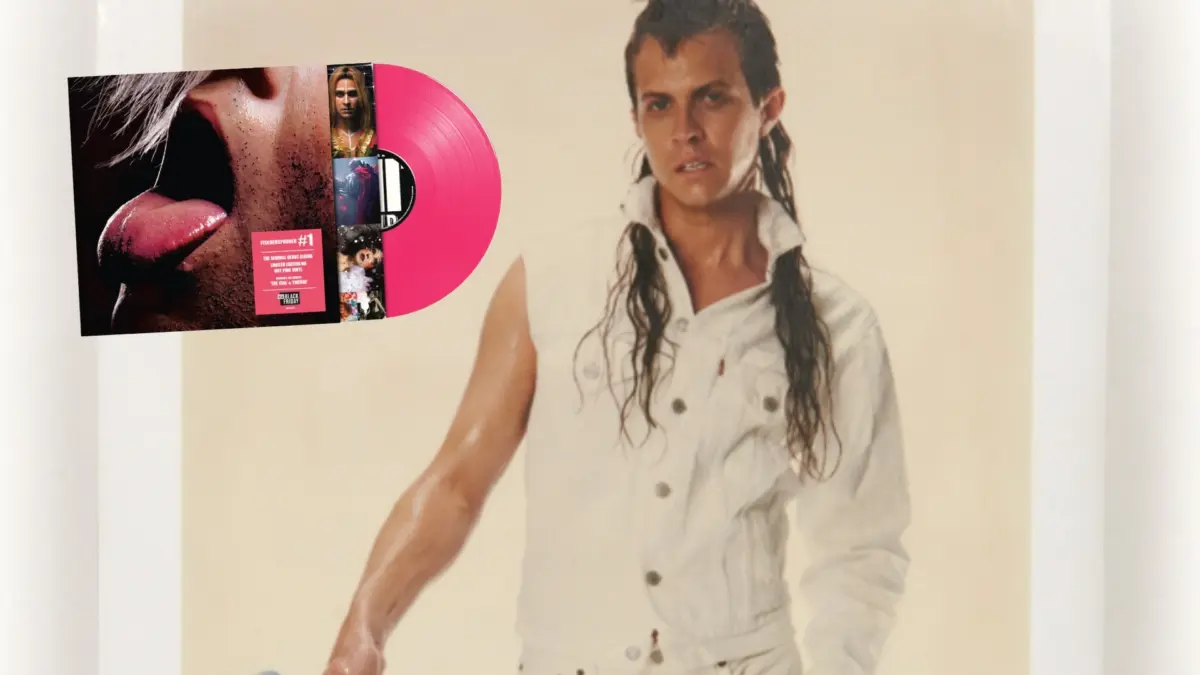
The campaign launches with a striking, limited-edition hot pink vinyl pressing of the duo’s critically acclaimed 2001 debut studio album, #1. Marking the record’s first official vinyl availability since its original, scarce early-2000s pressings, this collector’s item is slated for release on November 27, arriving just in time for Record Store Day Black Friday. Exclusively distributed through participating independent record stores, this release serves as the opening salvo in a multi-year archival partnership.
The campaign will ultimately culminate in the spring of 2027 with a definitive, exhaustive box set chronicling the duo’s multifaceted history. Founding members Warren Fischer and Casey Spooner reflect on this archival undertaking not merely as a commercial reissue, but as a cultural safeguarding of an experiment that challenged the boundaries of pop music, performance, and celebrity.
Detailed Chronology: From Downtown Experiment to Global Electroclash Pioneers
Genesis and the New York Underground (1998–2000)
The story of Fischerspooner begins in 1998, well before the term "electroclash" became a dominant buzzword in music journalism. Emerging from the fertile, highly collaborative underground arts scene of New York City, classically trained musician Warren Fischer and performance artist Casey Spooner initially conceived the project as an ephemeral art experiment.
Rather than operating as a traditional band, Fischerspooner was designed from its inception as a multidisciplinary critique and celebration of entertainment culture. Their early manifestations blended thumping, minimalist synthesizers with elaborate stage choreography, fashion-forward costume design, and tongue-in-cheek conceptual art. They performed in unconventional spaces—art galleries, underground clubs, and fringe theater spaces—gradually building a reputation as a must-see spectacle in lower Manhattan.
The Breakthrough and the Release of #1 (2001–2003)
As the turn of the millennium sparked a global revival in analog synthesizers and synth-pop aesthetics, Fischerspooner found themselves at the vanguard of a burgeoning movement. Their 2001 debut album, #1, served as the manifesto for this new wave. Originally distributed independently before being picked up for wider release by Ministry of Sound and Capitol Records, #1 featured anthemic, ironic, and intensely infectious tracks like "Emergence" and "The Best Revenge."
The album’s success catapulted the duo out of the underground gallery circuit and onto international festival stages. With Casey Spooner serving as an incandescent, hyper-expressive frontman and Warren Fischer orchestrating sleek, danceable soundscapes behind the scenes, Fischerspooner redefined what a live electronic music act could look like. Their theatrical stage shows featured troupe dancers, elaborate set pieces, and high-fashion aesthetics that predated the hyper-visual pop era of the 2010s by nearly a decade.
Remix Culture, Collaborations, and Later Works (2004–Present)
Throughout the 2000s and 2010s, Fischerspooner expanded their cultural footprint well beyond their own discography. Known for their distinct sonic palate—which merged the icy cool of Kraftwerk with the accessible sheen of commercial pop—the duo became sought-after remixers. They lent their signature production touch to heavyweights across the pop and alternative spectrums, most notably crafting memorable re-workings for global pop icon Kylie Minogue and indie-rock titans The Killers.
Subsequent studio albums, including Odyssey (2005) and SIR (2018)—the latter of which featured extensive production and songwriting collaboration from R.E.M. frontman Michael Stipe—continued to push thematic boundaries regarding sexuality, identity, artifice, and the music industry. However, as physical pressings of their foundational work went out of print, acquiring original vinyl copies of #1 became a costly endeavor for collectors, setting the stage for their current partnership with Demon Records.
Supporting Context & Metrics: The Reissue Economy and the Legacy of #1
The Resurgence of Physical Media and Record Store Day
The partnership between Fischerspooner and Demon Records arrives at a time of unprecedented demand for physical music formats, particularly vinyl. According to industry reports from organizations like the Recording Industry Association of America (RIAA), vinyl sales have continuously outpaced compact discs in recent years, driven largely by younger demographics discovering legacy acts through streaming services before seeking out tangible connections to the music.
Record Store Day (RSD) and its Black Friday counterpart have become vital economic and cultural engines for independent record shops. By selecting RSD Black Friday for the launch of the #1 hot pink vinyl edition, Demon Records and Fischerspooner are directly supporting the brick-and-mortar retail ecosystem where the duo’s career originally took root in the late 1990s. Limited-run, color-variant vinyl pressings of seminal turn-of-the-millennium electronic records regularly command intense collector interest, making the November 27 release one of the most anticipated catalog drops of the holiday shopping season.
Archival Scope: The Road to the 2027 Box Set
While the hot pink vinyl of #1 provides an immediate thrill for audiophiles on November 27, the broader strokes of the Demon Records campaign point toward a much larger cultural excavation. Scheduled for release in the spring of 2027, the forthcoming comprehensive box set promises to serve as the definitive historical document of the group’s output.
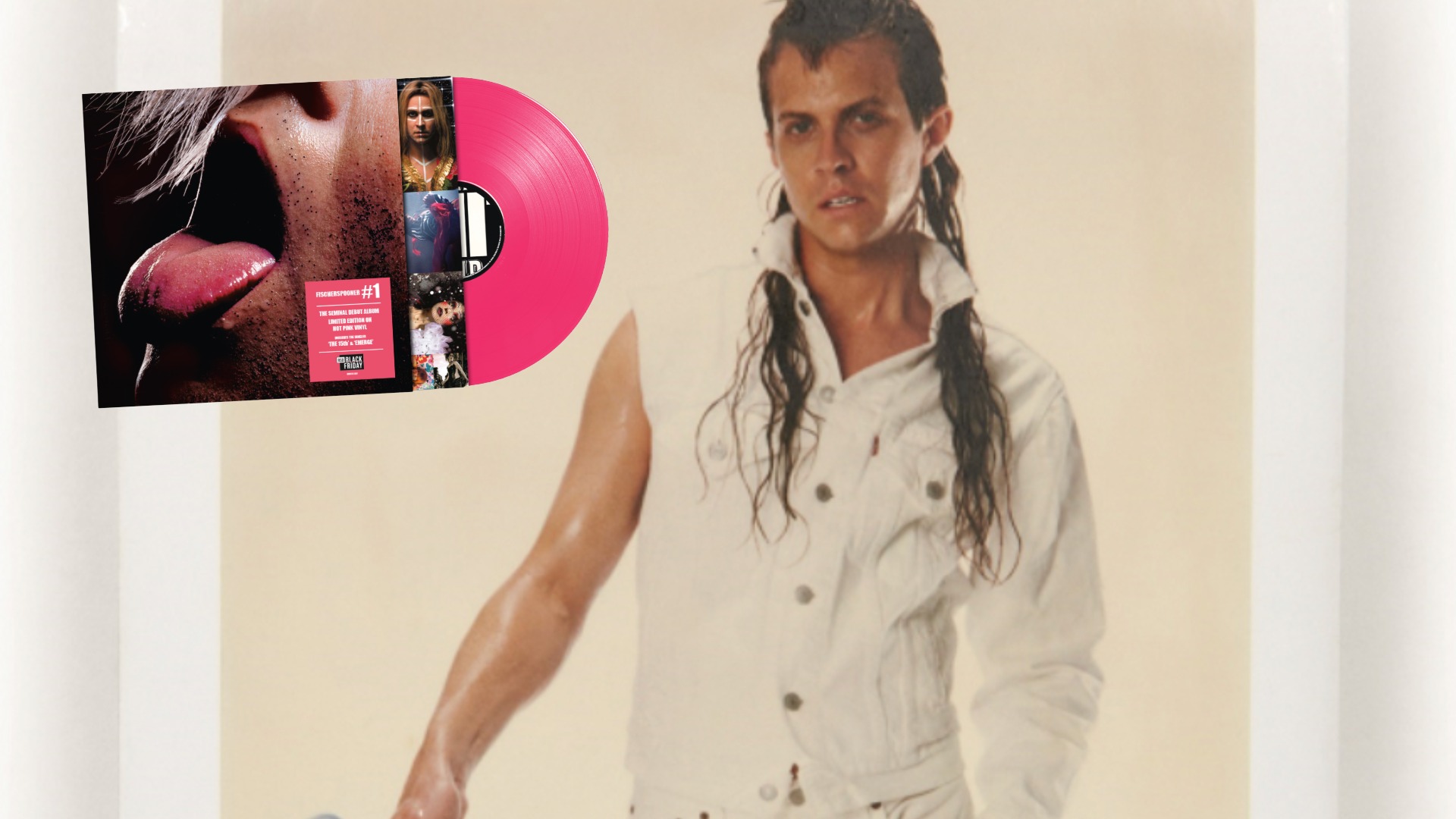
Archival projects of this magnitude require extensive curation—digging through vaults for unreleased demos, early club mixes, visual documentation, out-of-print EPs, and rare photographic materials. For a duo whose ethos was built entirely around the intersection of visual media and audio production, a well-realized box set represents not just a compilation of songs, but a museum-grade preservation of a vital era in modern pop history.
Official Statements: Perspectives from the Duet
The announcement of the reissue campaign has prompted deep reflection from both founding members, who view the partnership with Demon Records as a milestone for their creative legacy.
Reflecting on the foundational ethos of the project, classically trained musician Warren Fischer shared insights into the initial experimental spirit of Fischerspooner:
"Fischerspooner started in 1998 as an experiment incorporating music, image, and performance to explore what entertainment was and could be," Fischer explains.
He continues, addressing the duality of the music and the milestone of the upcoming vinyl release:
"Sincere and absurd, I’m excited #1 is coming back on vinyl with Demon, so people can hear it again on its own terms, twenty-five years later."
Performance artist and frontman Casey Spooner echoed these sentiments, emphasizing the value of formal archiving and hinting at previously unseen material waiting in the wings:
"It’s exciting that all our creative work and history is being carefully preserved," Spooner notes. "To have all these ideas gathered in one place and properly archived is a huge gift. There’s so much more that hasn’t been seen and amazing stories yet to be told."
These statements underscore a shared desire to contextualize their work for a contemporary audience—one that consumes music in an environment vastly different from the physical, club-centric New York underground where Fischerspooner first staked their claim.
Future Outlook: Preserving the Avant-Garde for Tomorrow
As the music industry continues to grapple with the rapid acceleration of digital consumption, initiatives like the Fischerspooner and Demon Records collaboration offer a necessary counterweight. They prove that legacy electronic and art-pop records hold enduring artistic value that transcends the era in which they were created.
With the hot pink vinyl edition of #1 dropping on November 27 for Record Store Day Black Friday, fans have a tangible piece of history to look forward to this autumn. Meanwhile, the anticipation leading up to the comprehensive spring 2027 box set ensures that Fischerspooner’s unique fusion of high art and pop accessibility will remain a subject of study, celebration, and dancefloor rotation for decades to come.
For a duo that spent over twenty-five years questioning the nature of spectacle, the ultimate irony—and triumph—is that their ephemeral art experiment has solidified its place as an enduring monument in modern music history.