Executive Overview
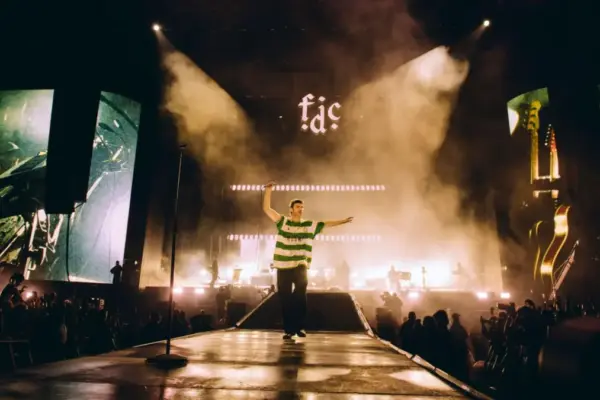
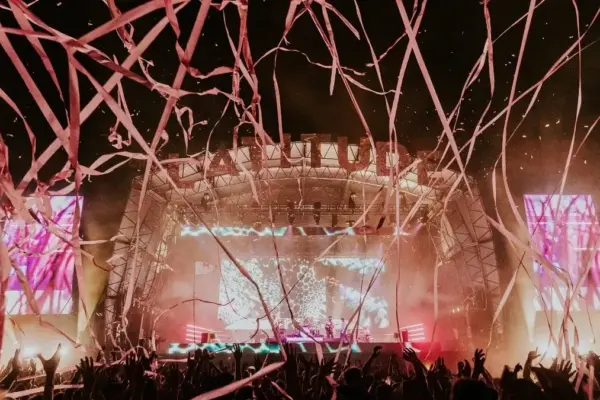
Months before fans step foot inside an arena to witness their favorite artists perform live, the modern digital landscape has often already stripped away the mystery. From meticulously analyzed setlists and stage designs to bird’s-eye-view recordings of surprise guest appearances and emotional encores, major tours are routinely dissected online mere hours after opening night.
While the film and television industries are bound by an unspoken code of conduct—where spoiler warnings are standard practice and social media platforms are heavily policed to protect plot points—the live music ecosystem operates in the Wild West of real-time broadcasting. Following recent high-profile tours by major acts such as Olivia Rodrigo, Harry Styles, Charli XCX, Ariana Grande, and Taylor Swift, a profound cultural divide has emerged within the global fandom community.
On one side are the "spoiler-seekers," who rely on digital teasers to meticulously plan their concert experiences, scoping out optimal vantage points and familiarizing themselves with track orders. On the other side are purists fighting an exhausting, algorithmic war of attrition—muting keywords, tapping "not interested" on countless feeds, and going to extreme lengths to shield themselves from unprompted disclosures.
As artists and promoters experiment with everything from dynamic, shifting setlists to outright phone bans, the live music industry finds itself at a fascinating crossroads. This in-depth investigation explores how the relentless commodification of concert moments on platforms like TikTok is reshaping the live entertainment experience, altering the dynamic between artists and audiences, and forcing a recalibration of what it truly means to "go into a show blind."
Detailed Chronology: The Evolution of the Live Concert "Reveal"
To understand how concert spoilers became inescapable, it is necessary to examine how the relationship between live performance and digital media has evolved over the past two decades.

The Pre-Digital Era of Absolute Anticipation
Before the widespread adoption of smartphones equipped with high-definition video cameras and ubiquitous mobile data, attending a concert was an exercise in pure discovery. Fans bought physical tickets, often queuing outside box offices or waiting anxiously for mail deliveries. Aside from printed reviews in music magazines or brief radio mentions the morning after, attendees had virtually no way of knowing what visual spectacles, costume changes, or rare track selections awaited them. The opening chords of the first song served as the definitive starting gun for a collective, shared surprise.
The Rise of the Pocket Camera and Early Web Forums (2007–2015)
The introduction of the iPhone and subsequent smartphone iterations fundamentally altered crowd behavior. Suddenly, every attendee carried a digital recording device. Early platforms like YouTube and specialized fan forums became repositories for shaky, low-resolution clips of live performances. However, content consumption required deliberate action; fans had to actively search for footage. Spoilers remained relatively contained within dedicated fan communities rather than aggressively pushed into mainstream algorithmic feeds.
The Algorithmic Saturation and TikTok Era (2018–Present)
The current landscape is defined by short-form video algorithms that prioritize immediate engagement, virality, and emotional resonance. Platforms like TikTok, Instagram Reels, and X (formerly Twitter) do not wait for users to seek out information—they deliver it directly to home feeds based on behavioral patterns.
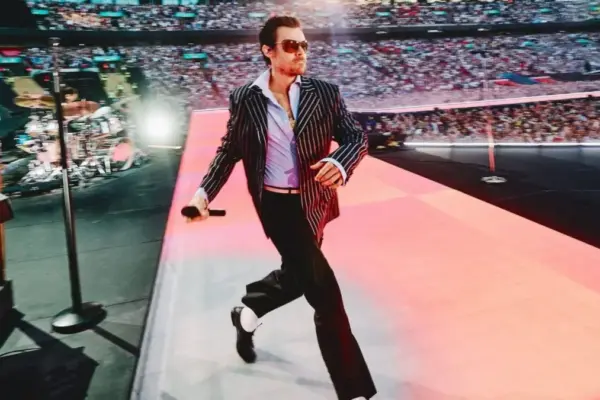
When US pop star Olivia Rodrigo kicked off her Unraveled tour, major plot points, staging mechanics, and vocal highlights were dissected online within hours. Similarly, massive undertakings like Taylor Swift’s historic Eras tour, Harry Styles’ Together, Together run, and Charli XCX’s recent outings have been filmed from every conceivable angle. For fans logging on during the opening weeks of a multi-month global tour, escaping the digital floodwaters of concert spoilers has transformed from a minor inconvenience into a psychological obstacle course.
Supporting Context & Metrics: The Algorithmic Battleground
The tension between digital sharing and live surprise is not merely an anecdotal grievance; it is heavily backed by measurable shifts in online culture and platform metrics.

The Anatomy of Fan Polarization
For fans like 20-year-old criminology student Aurélia Collins, protecting the element of surprise requires a daily defensive strategy. Collins spends weeks actively trying to trick her social media algorithms into suppressing content related to her favorite artists. Tapping "not interested" on hundreds of spoiler-heavy videos is a routine that she admits "hurts my soul," yet she considers it a necessary sacrifice.
"When I was younger, we couldn’t afford to go to events like this and hear live music, and because it’s such a moment, I really want to take it in," Collins shares with BBC Newsbeat. Having been a dedicated fan of One Direction and subsequent solo projects for 16 years, she finally secured tickets to see Niall Horan live in London. Despite her rigorous filtering efforts, a spoiler slipped through the net just before the show, leaving her deeply disappointed. "I want the full experience, and that includes the element of surprise that people who go to the opening night of the tour can get."
Conversely, a substantial segment of the concert-going public actively embraces spoilers as an enhancement to their preparation. Georgia McAdam, a 22-year-old fan of Olivia Rodrigo, falls firmly into this camp.
"I’m the type of person that loves to be prepared," McAdam explains. "I love to know what the stage is looking like, what the set list consists of, and where to stand." For McAdam, online clips function as exciting teasers rather than ruined surprises, arguing that digital videos can never fully replicate the sensory electricity of the physical room. "Sometimes you get different surprise songs to what’s online, or you never know what an artist might do."
Digital Metrics and Platform Impact
The commercial symbiotic relationship between live tours and social media platforms cannot be overstated. Internal data shared by TikTok reveals a staggering surge in digital footprint generation following major tour launches. For instance, posts utilizing the hashtag #CharliXCX increased by more than 40% within weeks of the singer launching her Music, Fashion, Film tour.

Laura Snapes, deputy music editor at The Guardian, notes that this digital visibility is a double-edged sword that benefits both artists and platforms. "One way that they can make sure they’re staying in the press is by having something different happen in their show every night," Snapes observes. "Obviously, it’ll be all over TikTok."
However, for those determined to remain completely uninitiated, Snapes offers a blunt diagnostic: "You have to not look at TikTok. If you want to be surprised, you have to protect yourself from absorbing any of that culture."
Official Statements & Industry Countermeasures
As the pressure to maintain digital secrecy collides with the unstoppable momentum of fan documentation, artists and industry stakeholders are actively experimenting with ways to adapt.
Dynamic Setlists and Variable Show Mechanics
Recognizing that fixed, predictable tours diminish the excitement for fans attending later legs, many major performers have introduced dynamic elements into their nightly repertoires.
- Taylor Swift: During her mammoth Eras tour, Swift incorporated bespoke, rotating outfits and highly anticipated "surprise acoustic songs" that changed at nearly every single stop, ensuring that attending one show did not spoil the specifics of another.
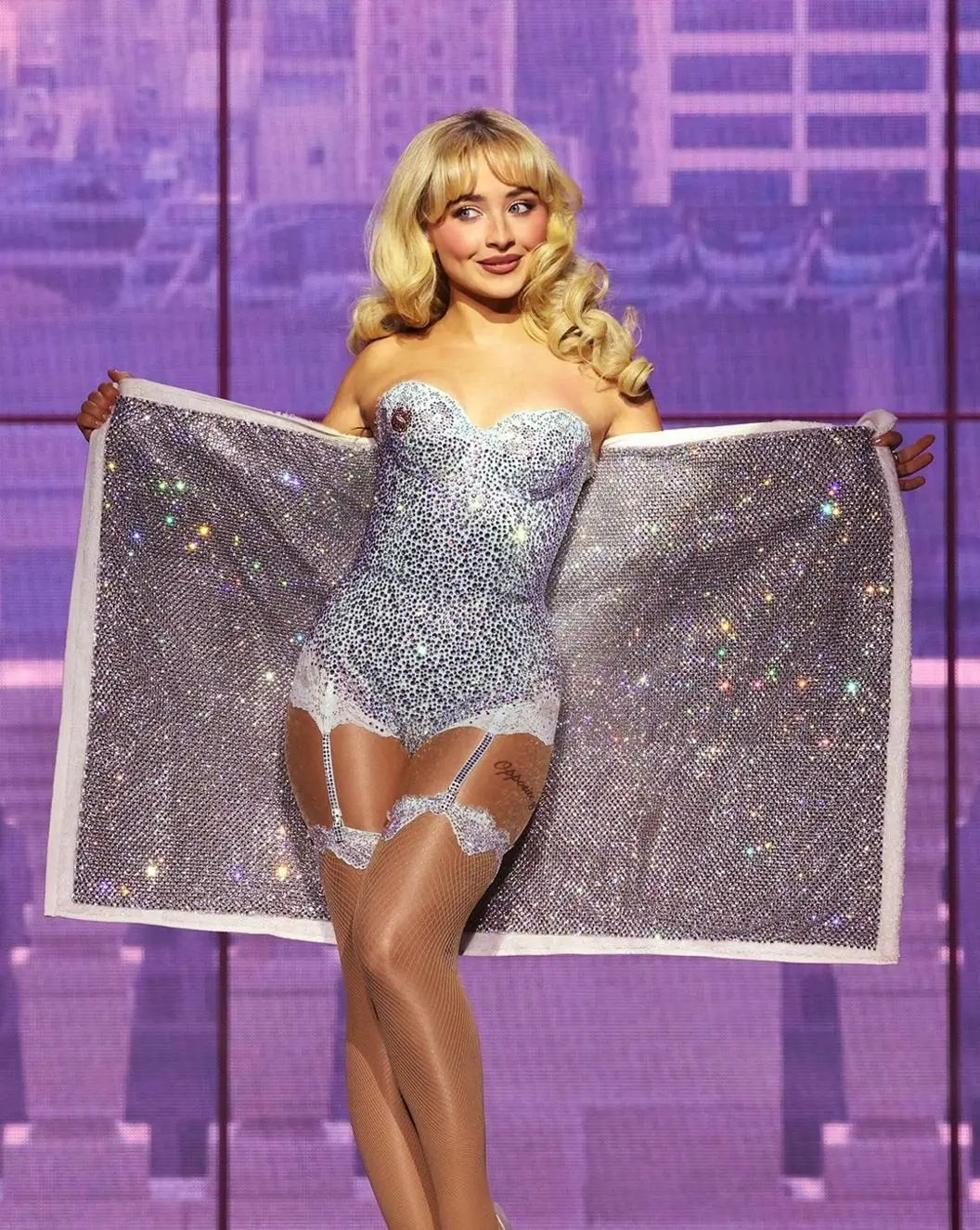
- Sabrina Carpenter: On her Short n’ Sweet tour, Carpenter introduced unique physical positioning during specific tracks and continually altered her comedic Nonsense outro ad-libs, giving every show a distinct signature.
- Jay-Z: Legendary hip-hop artist Jay-Z has utilized shifting setlists across his recent concert runs to keep audiences guessing, defying the traditional static format of legacy touring.
The Rise of Phone-Free Venues
While modifying setlists manages the content of the show, some artists are taking much more aggressive steps to restrict recording entirely. US singer-songwriter Phoebe Bridgers and several other high-profile indie and pop acts have partnered with companies like Yondr to enforce strict phone-free policies.

Under these protocols, attendees are required to lock their mobile phones and electronic recording devices inside secure, neoprene pouches upon entering the venue. The pouches remain locked throughout the performance, and any attendee caught attempting to bypass the system is swiftly escorted off the premises by security personnel.
Fan reactions to these extreme measures remain deeply divided. Georgia McAdam opposes blanket phone bans, arguing that capturing personal footage and sharing the atmosphere is an intrinsic component of the modern concert experience. Meanwhile, Aurélia Collins takes a more measured stance, stating she is "not totally against it," though she would ideally prefer a cultural shift toward mandatory spoiler warnings on videos to grant audiences a choice in their consumption.
Despite the prevalence of spoilers, industry experts argue that the human element of live performance ensures that no digital broadcast can ever entirely replace being in the room. Laura Snapes recalls attending an Eras tour stop in Edinburgh where Taylor Swift caught a cold and had to publicly blow her nose mid-performance—an unscripted, highly human moment that no pre-planned setlist or algorithmic preview could ever predict. "You’re always going to be surprised," Snapes concludes.
Future Outlook: Navigating the Future of Live Performance
Looking ahead, the tension between hyper-connected digital fandoms and the desire for authentic, unscripted live music experiences is unlikely to dissipate. As augmented reality, advanced mobile recording technology, and high-speed data networks continue to evolve, the pressure for real-time content sharing will only intensify.
Several trajectories are likely to define the future of major concert tours:

- The Expansion of Tech-Free Zones: More artists, particularly those operating in intimate or theatrical genres, may follow Phoebe Bridgers’ lead, utilizing locked pouches to cultivate an exclusive, "in-the-moment" atmosphere that cannot be pre-streamed.
- Standardized Content Warning Protocols: Pressure may mount on social media platforms and prominent fan accounts to adopt standardized content warning tags for live tour footage, allowing sensitive fans to filter out specific spoilers without entirely abandoning digital communities.
- Hyper-Personalized Live Setlists: To combat the predictability bred by TikTok analysis, artists will likely lean even harder into improvisational segments, fan-voted mid-show tracks, and localized guest appearances, ensuring that digital previews only tell half the story.
Ultimately, the debate over concert spoilers reflects a broader societal tension: the desire for frictionless, real-time connectivity versus the yearning for genuine, unmediated human surprise. Whether fans choose to lean into the digital preview culture or construct impenetrable fortresses of algorithmic isolation, the live music experience remains anchored by its most unpredictable variable—the artists and audiences sharing a physical space in real time.