Executive Overview
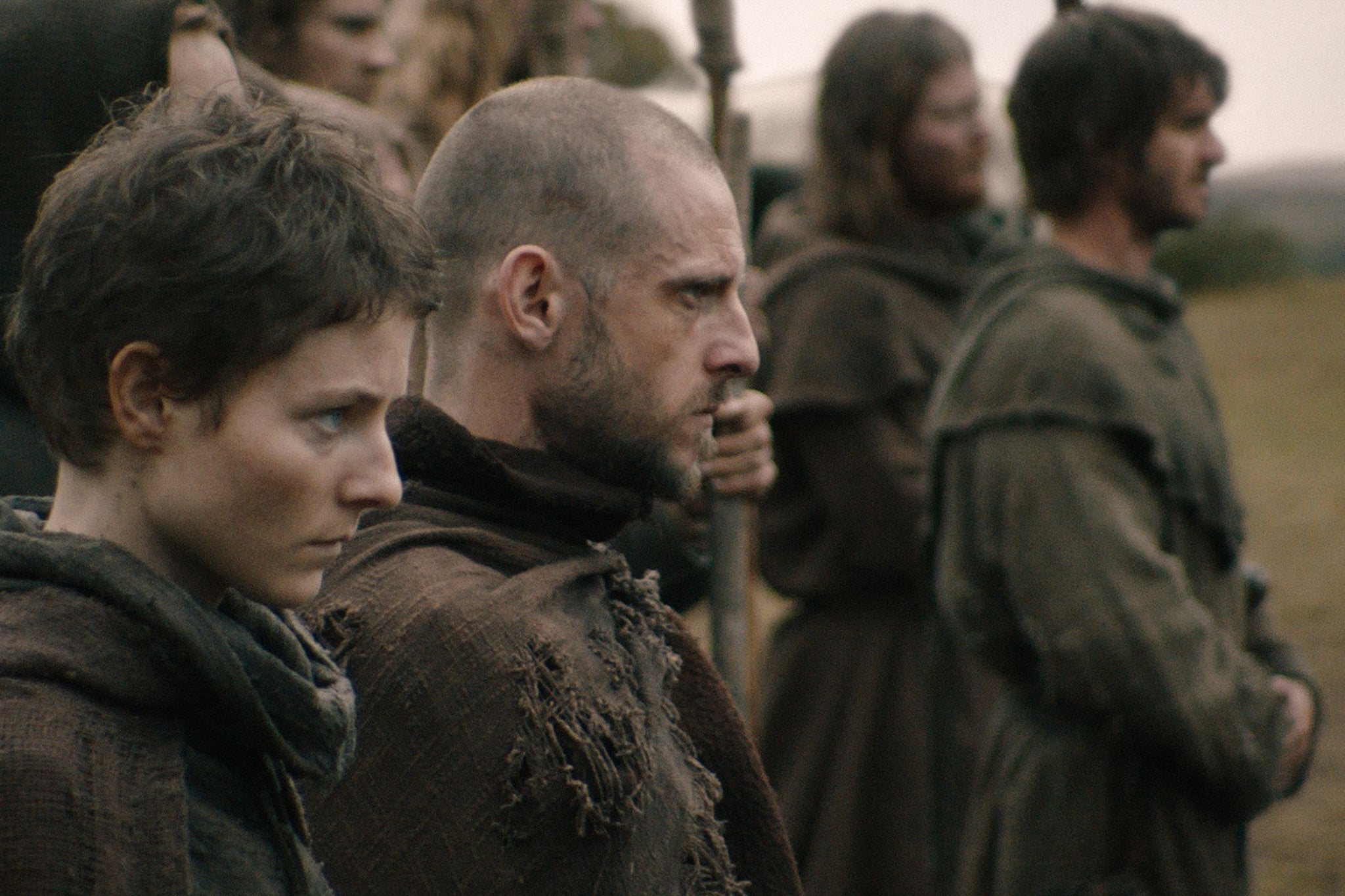
Twenty-six years after pirouetting into international cinematic history as the working-class miner’s son in Stephen Daldry’s Billy Elliot, Jamie Bell has cultivated a career defined by unyielding artistic integrity, fierce genre versatility, and an ongoing interrogation of systemic socio-economic friction. Now 40 years old, Bell joins forces with director Paul Greengrass, Andrew Garfield, and a stellar ensemble cast for the historical epic The Uprising. Set against the backdrop of the 1381 Peasants’ Revolt in medieval England, the film examines the breaking point of a heavily taxed, plague-ravaged serfdom pushing back against the oppressive machinery of the crown.
In this sprawling, reflective interview, Bell discusses the historical blind spots of the British education system, the deliberate politicization of his filmography, his aversion to watching his own performances, and the serendipitous butterfly effects of Hollywood casting that ultimately led him to his wife, actor Kate Mara. Far from resting on the laurels of a career that began when he was just 14 years old, Bell continues to seek out punishing, singular material that explores the seedy underbelly of human nature.
Detailed Chronology: From Teesside to Transatlantic Stardom
The Accidental Prodigy (2000)
Jamie Bell’s entry into the cinematic pantheon remains the stuff of modern fairy tales. Raised in Billingham, County Durham, the young dancer was plucked from a pool of over 2,000 boys to portray Billy Elliot. His poignant, visceral depiction of a boy finding emancipation through dance not only earned him universal critical acclaim but also made history when he captured the BAFTA Award for Best Actor in a Leading Role at the tender age of 14—a record that still stands today.
Reflecting on those formative years, Bell acknowledges that his rapid ascent completely short-circuited traditional milestones, including his formal education. "I don’t think I was taught about [the Peasants’ Revolt] in school," Bell muses from his home in Westchester County, New York. "At a certain point, I just wasn’t in school. And certainly if I was taught about it, I was not paying attention."
The Transatlantic Pivot and Indie Apprenticeship
Following his explosive debut, Bell made the physical and cultural leap to the United States. Today, his speech bears a distinct mid-Atlantic cadence—vowels softened, hard consonants dropped in a manner that turns "incremental" into "incremennal" and "representing" into "repre-zenning."
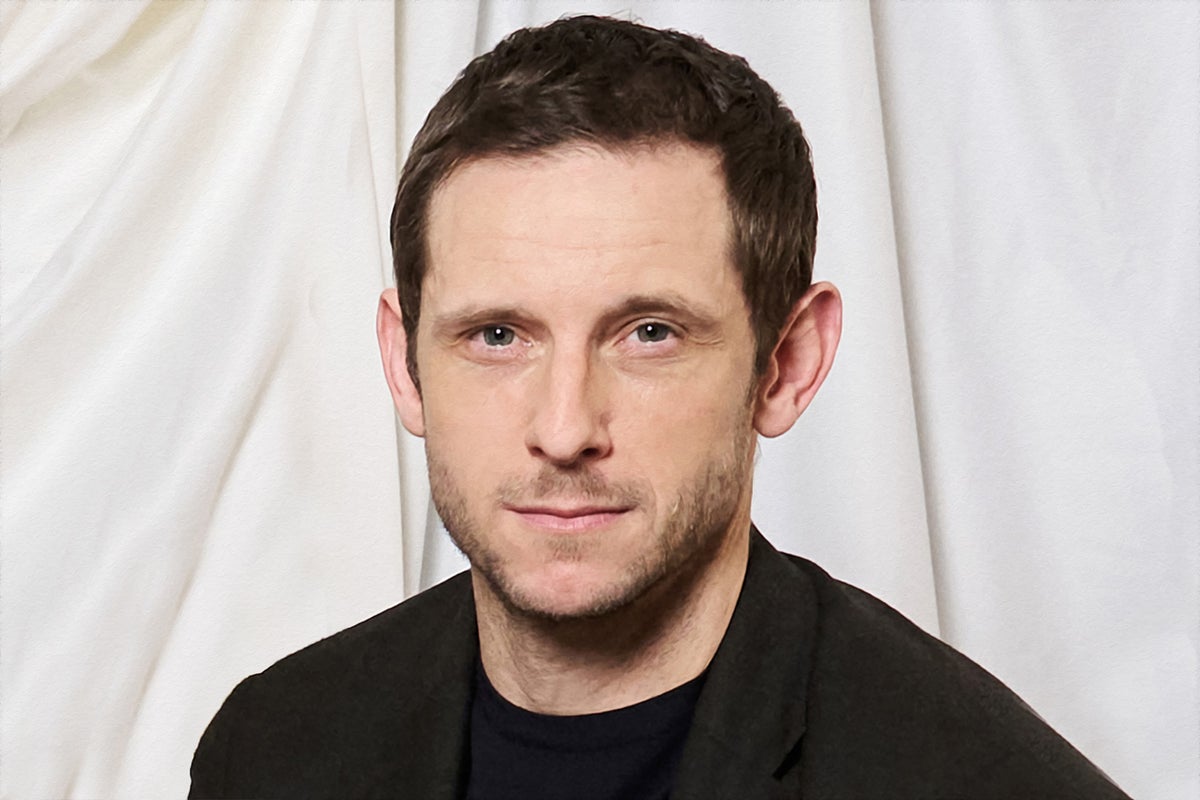
Much of his early longevity is credited to his first manager, Vanessa Pereira, who served as a cinematic mentor. "She was basically like, ‘Go do some homework—go look at what great filmmaking is,’" Bell recalls. Under her guidance, he avoided the traditional child-star trap of commercial fluff, instead curating an enviable resume of independent auteur-driven cinema. He collaborated with David Gordon Green on Undertow (2004), Thomas Vinterberg on Dear Wendy (2005), Clint Eastwood on Flags of Our Fathers (2006), Peter Jackson on King Kong (2005), and Steven Spielberg on The Adventures of Tintin (2011).
The Marvel Butterfly Effect (2012–2015)
Bell’s career has often been steered by the capricious winds of Hollywood casting—a process that led directly to his family life. In 2012, Bell was a frontrunner to play Spider-Man, only to be edged out at the final hurdle by his future The Uprising co-star, Andrew Garfield. Had Bell secured the web-slinger mantle, however, his trajectory would have shifted irrevocably.
Instead, missing out on Spider-Man left him available to star as The Thing in Josh Trank’s ill-fated 2015 reboot of Fantastic Four. While the production was famously troubled, plagued by extensive reshoots and critical disdain, it yielded a life-changing off-screen romance with his co-star, Kate Mara. The couple now shares two children, aged seven and three, alongside Bell’s 13-year-old child from his previous marriage to actor Evan Rachel Wood.
"It’s very strange!" Bell laughs, marveling at the cosmic geometry of his life. "If I don’t book Fantastic Four, these two kids don’t exist. The last 10 years of my life are completely different."
Supporting Context & Metrics: The Politics of Film
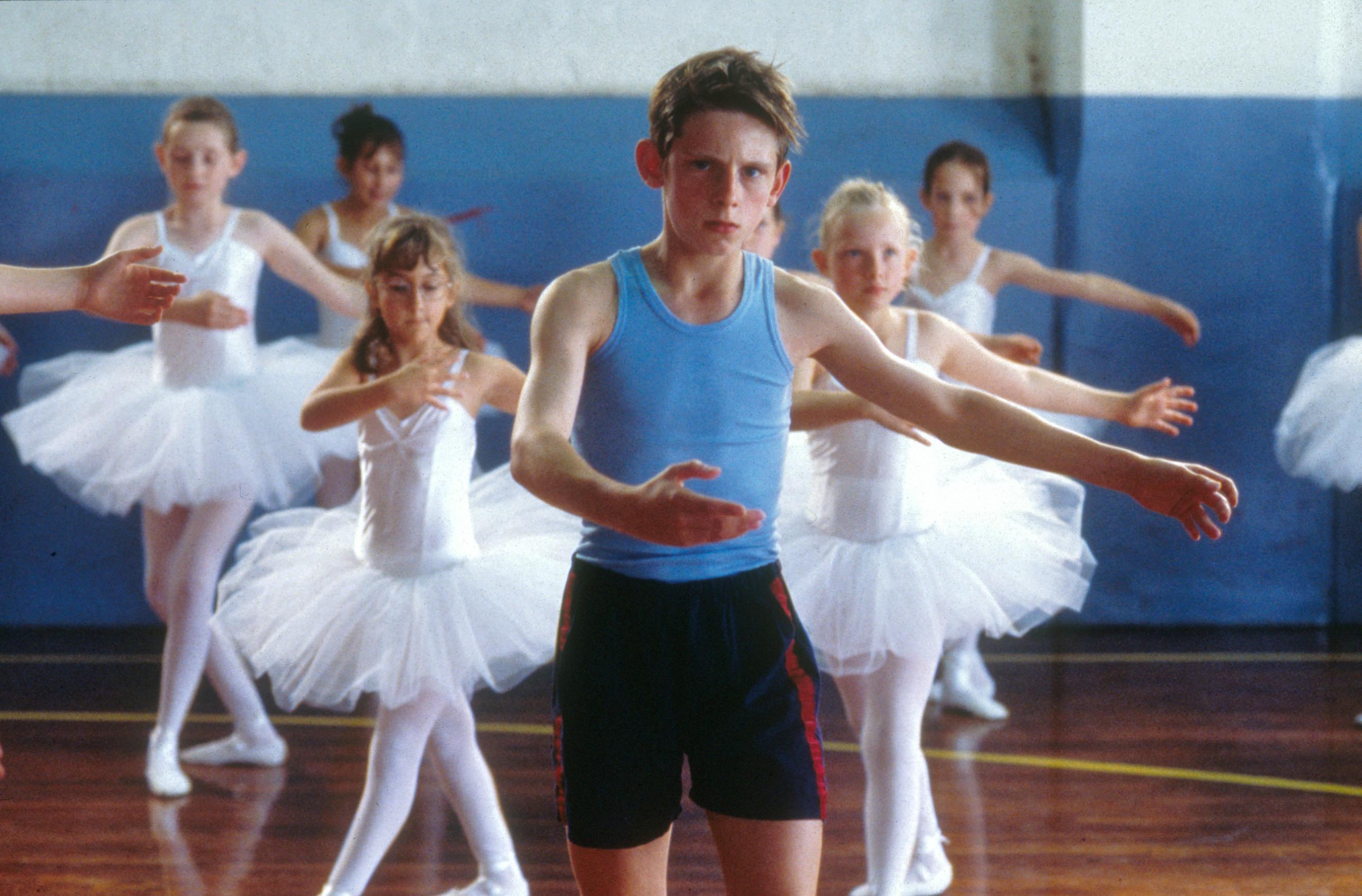
Bell’s filmography is remarkably unified by its socio-political undercurrents. From his breakout role framed against the backdrop of the 1984–1985 UK miners’ strike in Billy Elliot, to Bong Joon Ho’s class-warfare dystopian allegory Snowpiercer (2013), and now Paul Greengrass’s gritty medieval uprising, Bell has consistently gravitated toward stories concerning the oppressed versus the elite.
+--------------------+-----------------------+------------------------------------------+
| Film / Project     | Release Year          | Socio-Political Theme / Backdrop         |
+--------------------+-----------------------+------------------------------------------+
| Billy Elliot       | 2000                  | 1984 UK Miners' Strike                   |
| Snowpiercer        | 2013                  | Class Stratification / Eco-Collapse      |
| Rocketman          | 2019                  | Creative Emancipation & Identity         |
| Rosebush Pruning   | 2026 (Festival Run)   | Familial Dysfunction & Elite Decadence   |
| Half Man           | 2026                  | Psychosexual Trauma & Despair            |
| The Uprising       | 2026                  | 1381 Peasants' Revolt / Anti-Serfdom     |
+--------------------+-----------------------+------------------------------------------+
Unpacking The Uprising
In The Uprising, Bell portrays John Ball, an egalitarian priest who coordinates with Andrew Garfield’s ploughman to channel the righteous fury of a starving peasantry. The primary antagonist is the despotic teenage King Richard II, brought to life with chilling efficacy by 17-year-old Woody Norman.
Director Paul Greengrass eschews sanitized historical romance in favor of a muddy, visceral, and furious depiction of medieval rebellion. The narrative does not offer easy Hollywood catharsis; instead, it confronts the harsh reality that early political movements often face brutal suppression and betrayal at the hands of dishonest elites.
"Ultimately, what did this fighting achieve?" Bell asks rhetorically. "Where’s the win? All we got in return was betrayal." Yet, he remains optimistic about the long-tail impact of resistance. "Political action instigates other political action. Sometimes it doesn’t even happen in your lifetime, but those acts can inspire and galvanise. If things aren’t tried, people in the future have no reason to try either."
Official Statements & Industry Controversy
The Uprising has already generated significant cultural friction ahead of its theatrical release schedule.
The "Robin Hood" Marketing Snafu
Weeks before its North American release, US distributors abruptly rebranded the film The Uprising: The Rise of Robin Hood, sparking immediate confusion among audiences and critics who assumed it was a traditional folklore adaptation. UK distributors quickly distanced themselves from the title change, confirming that the film is a historically grounded drama about the 1381 revolt rather than a Sherwood Forest origin story.
"Andrew isn’t playing Robin Hood, this isn’t the origin story of Robin Hood," Bell sighs. "But I think what the film is saying is that one act can inspire and seed the next form of protest, or the next form of disobedience. How something in 1381 can cause a ripple."
Andrew Garfield’s Q&A Firestorm
During a promotional Q&A session for the film, Andrew Garfield remarked that modern billionaires should be "scared s**less" by the themes of The Uprising. The comment drew immediate ire from political commentators and public figures—most notably former reality television personality Spencer Pratt, who tweeted: "Like the billionaires who greenlight your movies and stroke all your multi-million dollar paychecks?"*
While Bell admits to being "relatively analogue" and largely detached from daily social media discourse, he views the polarized public reaction as validation of the film’s potency. "People are going to bring their own politics to it," Bell observes calmly. "And they’re totally entitled to do that. That’s what we fought for in the first place."
Future Outlook: Embracing Discomfort and Rejecting Self-Viewing
As Bell enters his fifth decade, his career choices have leaned sharply into darker, more uncompromising territory. Alongside The Uprising, his recent credits include the punishing BBC psychosexual drama Half Man (alongside Richard Gadd), Lars von Trier’s Nymphomaniac, and the darkly satirical black comedy Rosebush Pruning, which features Pamela Anderson presiding over a profoundly dysfunctional family.
"They were dark, yeah," Bell smiles, reflecting on these harrowing roles. "Like the seedy underbelly of humanity, that you know exists but you don’t want to shine a light on." When pressed on whether he actively enjoys artistic discomfort, Bell clarifies: "I think I just like material that’s singular."
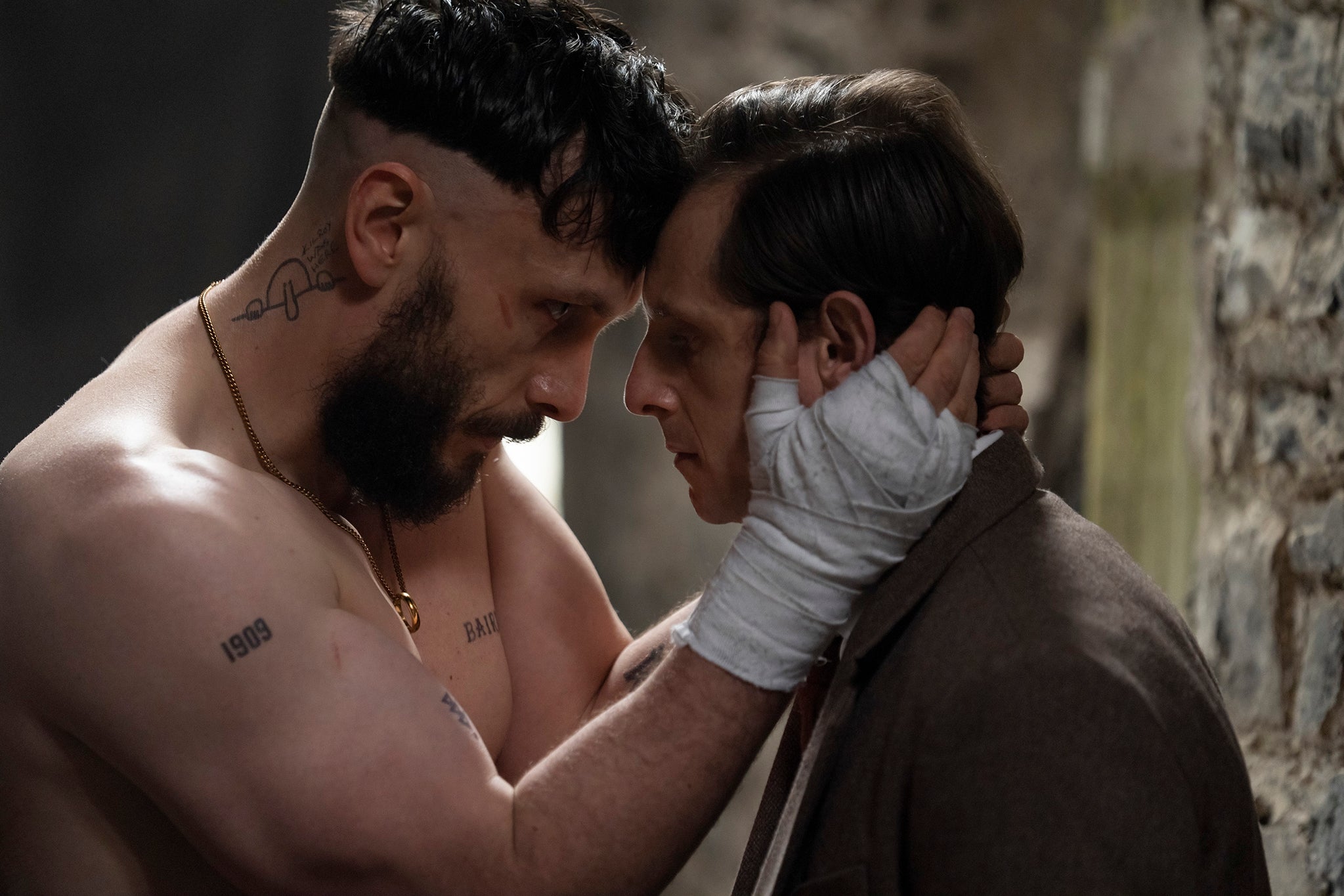
Speaking on Half Man, which drew polarized reactions from critics for its relentless trauma and lack of levity, Bell describes it simply: "Punishing is the word I’d use… It wasn’t unexpected. Because it was punishing with little reward, right? Like there was little levity, little escape. You do want things to resonate with people, but ultimately that’s out of my control."
This recurring theme of control—or the profound lack thereof—underpins Bell’s entire professional philosophy. It is the precise reason why, after 26 years in the industry, he flatly refuses to watch his own performances.
"I have a very fraught relationship with the lack of control in acting," he confesses, pantomiming the physical discomfort of self-scrutiny. "Like it’s excruciating. It really, really, bothers me… I talk about this way too much for an actor, but it’s just insecurity. It’s just boring, not-unique insecurity. And that’s it. I mean, I should just grow up already, but it’s difficult!"
By divorcing himself from the final cut and relinquishing the anxiety of the outcome, Bell has preserved his creative audacity. Whether dancing on coal-mining picket lines, surviving dystopian train rides, or leading medieval serfs into battle, Jamie Bell remains one of British cinema’s most enduringly fascinating talents—proving that longevity is best achieved by looking forward, never backward.
‘The Uprising’ arrives in cinemas on 9 October.