Executive Overview
The intersection of classic children’s literature and contemporary pop culture has long provided fertile ground for cinematic and musical innovation. In the latest manifestation of this enduring creative cross-pollination, multi-platinum recording artist and actress Hilary Duff has officially entered the whimsical, rhyming universe of Dr. Seuss. Duff has contributed an energetic, highly anticipated new track titled “CATastrophe” to the soundtrack of the upcoming animated adaptation of The Cat in the Hat.
Slated to arrive in cinemas on November 6, the new animated feature film promises to breathe fresh life into one of Theodor Seuss Geisel’s most enduring masterpieces. The cinematic experience is bolstered by a rich sonic landscape featuring an original score composed by Lorne Balfe and a brand-new theme song penned by celebrated musical comedian Tim Minchin. The theme song is performed by FITZ and Minchin, alongside the comedic talents of Bill Hader. However, it is Duff’s infectious contribution—co-written with her husband, songwriter and producer Matthew Koma, alongside Madison Love and Brian Phillips—that has commanded a significant share of the early promotional spotlight.
The soundtrack album, scheduled for release on October 30, acts as a companion piece to the film, merging cinematic orchestration with modern pop sensibilities. For Duff, whose career spans decades of chart-topping music, television dominance, and motherhood, the project was a natural progression. Driven by years of reading Dr. Seuss stories to her own children, the artist jumped at the opportunity to weave her musical identity into the fabric of a Seussian world.
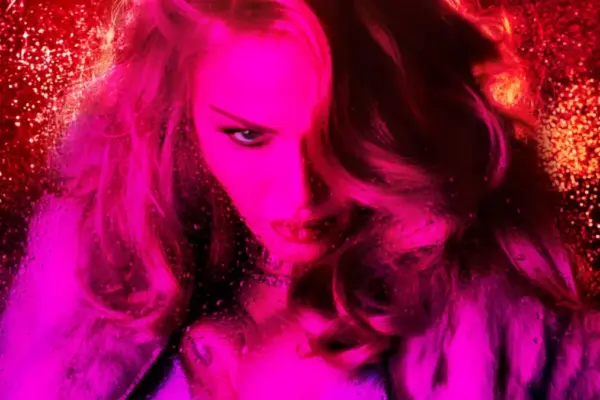
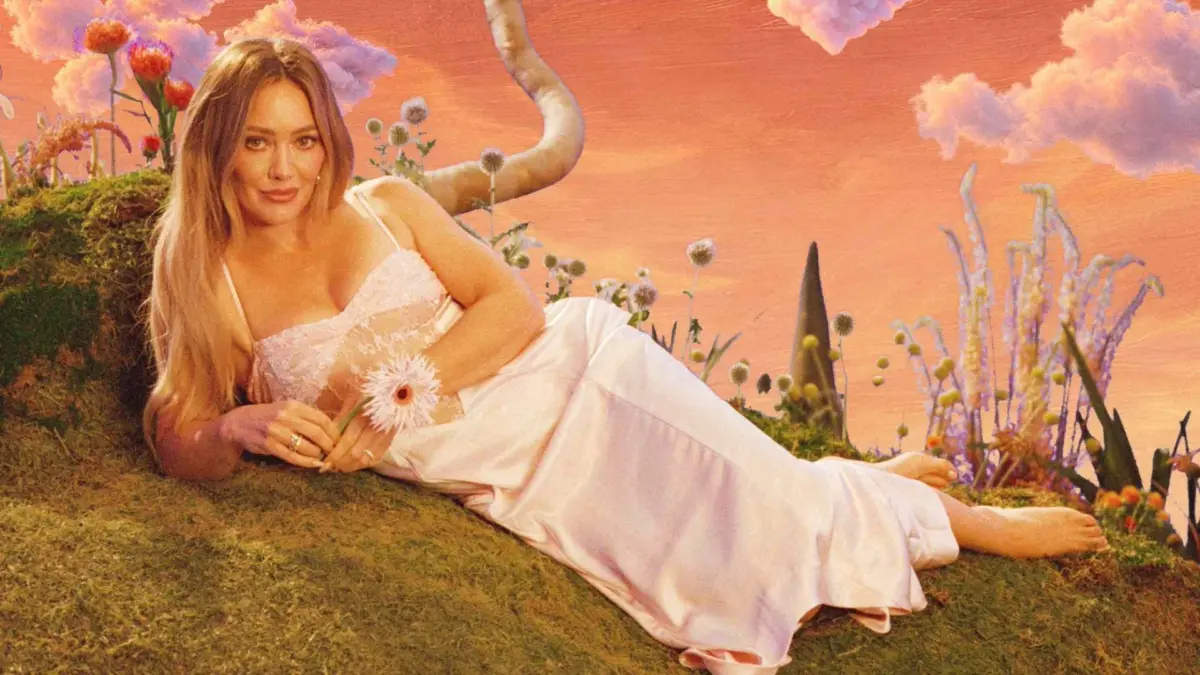
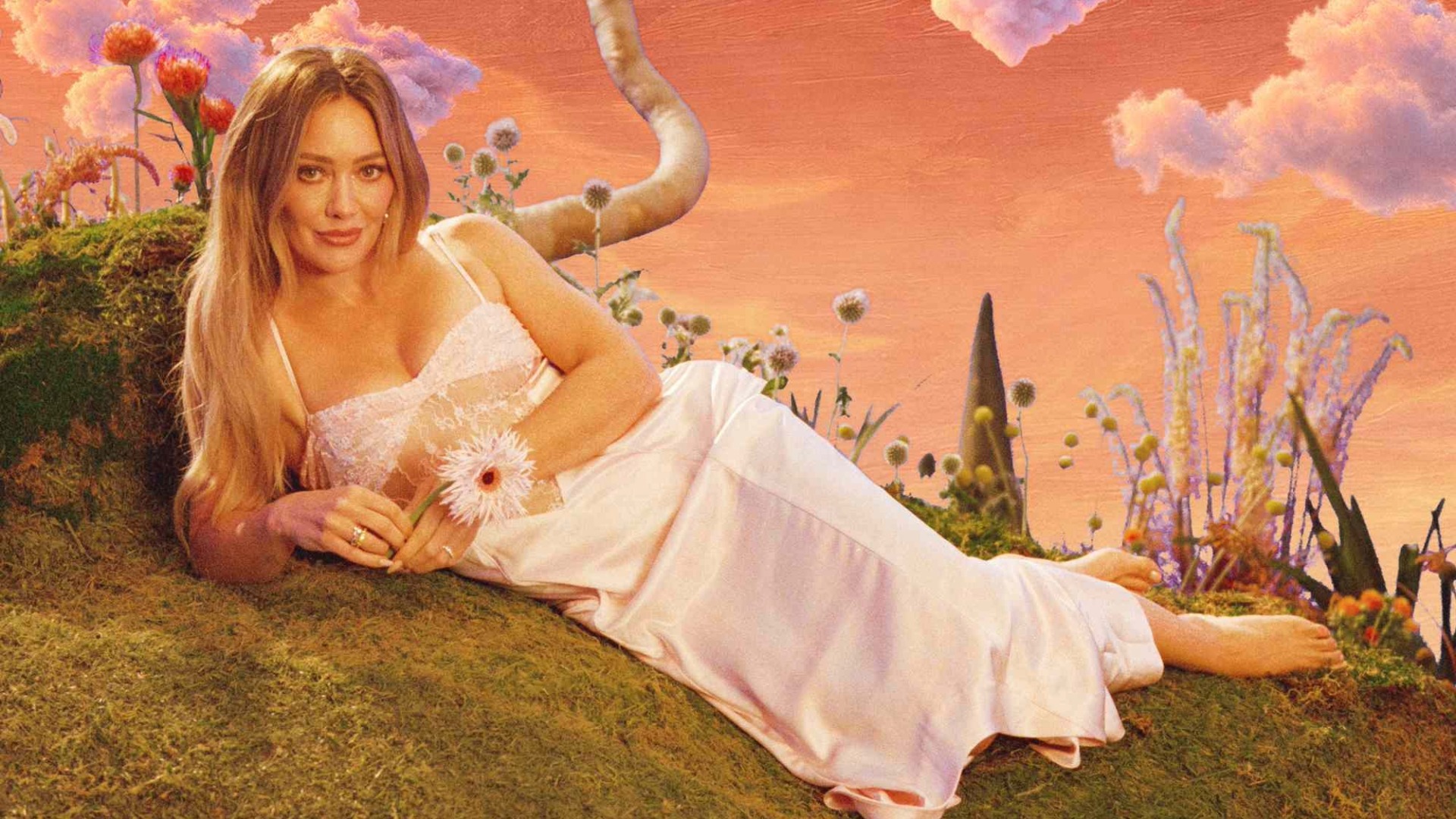
Accompanying the single is a visually striking music video that immerses the Lizzie McGuire star in a series of surreal, brightly colored, Seussian-style environments. Beyond its vibrant aesthetics, “CATastrophe” serves up a surprising layer of emotional honesty. According to Duff, the song captures the chaotic, disorienting feeling of having one’s world upended without prior consultation—a universally relatable sentiment disguised as a high-energy bop designed to be blasted through car speakers. This comprehensive report explores the genesis of “CATastrophe,” examines the broader artistic and cinematic framework of the new The Cat in the Hat project, analyzes the creative contributions of its stellar cast and crew, and projects the cultural impact of Duff’s latest musical venture.
Detailed Chronology
To fully understand the arrival of “CATastrophe,” it is essential to trace the timeline of production, announcement, and promotional rollout surrounding the new The Cat in the Hat cinematic adaptation and its accompanying musical assets.
The Lead-Up and Production Phase
For years, Warner Bros. Pictures Animation (formerly Warner Animation Group) and associated production entities had been quietly developing a fresh animated adaptation of Dr. Seuss’s timeless 1957 book, The Cat in the Hat. The project aimed to honor the source material while incorporating contemporary animation technology and top-tier comedic and musical talent.
As production neared its completion phases in mid-to-late 2024 and 2025, attention naturally turned to the auditory architecture of the film. Animators and directors required a sonic identity that could bridge the gap between whimsical fantasy and modern cinematic appeal. This search led to the recruitment of renowned composer Lorne Balfe to score the film, and multi-faceted artist Tim Minchin to pen the official theme song.
The Recruitment of Hilary Duff
Parallel to the orchestral scoring process, the team sought pop-oriented compositions that could capture the kinetic energy of the characters for standalone releases and promotional trailers. This is where Hilary Duff and her creative partner, Matthew Koma, entered the narrative.
Given Duff’s deeply entrenched history with family-oriented households—both through her legendary tenure as a Disney Channel icon and her present-day reality as a mother—she was an organic fit for the project. Initial discussions between Duff’s camp and the studio solidified in early 2025. Drawing inspiration from the domestic soundtrack of her own home—where Dr. Seuss books had been "on repeat for years"—Duff, Koma, Madison Love, and Brian Phillips sat down to pen “CATastrophe.”
The Announcement and Single Rollout
The official marketing campaign ramped up significantly in the autumn of 2025. On October 30, the studio and associated music labels announced the official release of the soundtrack album. Among its tracklist highlights was Duff’s “CATastrophe,” which dropped alongside a vibrant, highly stylized music video.
The visual release immediately generated a wave of nostalgia across digital platforms, celebrating Duff’s return to upbeat pop music while introducing her aesthetic to a new generation of young filmgoers. Following the soundtrack drop, the promotional cycle builds toward the feature film’s theatrical debut on November 6, positioning “CATastrophe” as both an earworm for young audiences and a sophisticated pop track for adult listeners who grew up alongside Duff’s music career.
Supporting Context & Metrics
The release of “CATastrophe” and its parent soundtrack does not occur in a vacuum; it is situated within a robust multi-million-dollar entertainment ecosystem characterized by high-profile talent collaboration, cross-generational appeal, and calculated digital marketing metrics.
Creative Collaboration and Industry Heavyweights
The musical pedigree surrounding the new The Cat in the Hat film is exceptionally strong.
- Lorne Balfe: Known for his monumental cinematic scores (including Mission: Impossible franchise entries, Top Gun: Maverick, and Black Widow), Balfe brings an epic yet playful orchestration to the Seuss universe.
- Tim Minchin: A master of lyrical wit and theatrical composition (notably behind the award-winning Matilda the Musical), Minchin’s involvement as the writer of the official theme song guarantees a witty, rhythmically complex anchor for the film’s musical identity.
- FITZ and Bill Hader: The collaboration between FITZ, Minchin, and comedic icon Bill Hader bridges the gap between alternative pop, theatrical performance, and high-comedy voice acting.
- Hilary Duff & Matthew Koma: Duff’s return to the studio, paired with Koma’s proven track record as an indie-pop songwriter and producer, ensures that “CATastrophe” possesses the commercial gloss and sonic punch required to dominate modern streaming algorithms.
Demographic Reach and Nostalgia Economics
The marketing strategy leverages a powerful dual-demographic approach:
- The Legacy Audience (Ages 25–40): Millennials who grew up watching Duff star in Lizzie McGuire, listening to her multi-platinum albums like Metamorphosis, and reading Dr. Seuss books in their childhood classrooms. This demographic now wields considerable purchasing and parenting power.
- The Core Target Audience (Ages 4–11): Children currently discovering the magical worlds of Dr. Seuss through modern animation, streaming platforms, and theatrical releases.
By utilizing Duff—a cultural touchstone for Millennials—the studio effectively captures nostalgic parents who are far more likely to stream the soundtrack and purchase tickets for a theatrical family outing. Early engagement metrics on platforms like YouTube, Instagram, and TikTok indicate a strong positive reception, particularly concerning the colorful, surreal set designs of the music video, which echo the classic illustrations of Theodor Geisel.
Official Statements
The creative minds behind “CATastrophe” have been vocal about the inspiration, emotional core, and collaborative spirit that brought the track to life.
Hilary Duff reflected on how her domestic life directly influenced her decision to join the project:
"Dr. Seuss was on repeat in our house for years, so when this came around, I didn’t have to think about it."
Duff also elaborated on the deeper psychological and emotional themes embedded within the deceptively playful lyrics of “CATastrophe,” noting that the song addresses a very real, disruptive human emotion:
“’CATastrophe’ is about that feeling when your whole world gets picked up and moved somewhere else and nobody asks you first. I wanted it to be honest about those feelings, and still be something you’d turn all the way up in the car.”
This statement underscores a hallmark of classic Dr. Seuss literature: beneath the whimsical rhymes, nonsense words, and colorful illustrations often lie poignant observations about displacement, autonomy, and emotional resilience. Duff and her co-writers successfully translated these themes into a modern pop anthem that speaks to both children navigating the uncertainties of growing up and adults familiar with life’s unexpected upheavals.
Future Outlook
As the cinematic release date of November 6 approaches for The Cat in the Hat, the trajectory for “CATastrophe” and the broader soundtrack points toward sustained cultural visibility.
- Streaming Performance and Chart Potential: Given Duff’s loyal international fan base and the widespread, cross-generational appeal of Dr. Seuss, “CATastrophe” is well-positioned to secure strong placements on curated streaming playlists and family-oriented music charts.
- Potential for Further Musical Collaborations: Duff’s seamless transition back into recording studios for this project may act as a catalyst for more frequent musical outputs. While her primary focus in recent years has centered on television acting (such as her starring role in How I Met Your Father) and family life, the positive reception of “CATastrophe” demonstrates a persistent public appetite for her distinctive vocal delivery and pop sensibilities.
- Theatrical and Franchise Longevity: If the animated adaptation of The Cat in the Hat achieves box office success, Warner Bros. Pictures Animation could look toward expanded cinematic universes within the Dr. Seuss catalog. Such a development would undoubtedly open doors for additional high-profile musical tie-ins, cementing soundtracks as major promotional pillars in family entertainment.
Ultimately, “CATastrophe” stands as a triumphant collision of childhood nostalgia and contemporary pop craftsmanship. By merging her lived experiences as a mother with her enduring pop pedigree, Hilary Duff has delivered a track that is equal parts whimsical, emotionally grounded, and impossible to get out of your head.