Executive Overview
In the sprawling, volatile landscape of mid-2000s popular music, few narrative arcs rival the sheer, dizzying velocity of Nelly Furtado’s 2006 resurgence. To understand the cultural footprint of her third studio album, Loose, is to understand a rare convergence of creative desperation, star-studded collaboration, and a shifting industry paradigm that favored bold, experimental risk-taking over safe, predictable formats.
Five years prior, Furtado had captured the global imagination as an indie-spirited, bohemian singer-songwriter. Her debut, Whoa, Nelly! (2000), yielded critical acclaim, a pair of top-ten Billboard Hot 100 hits ("I’m Like a Bird," "Turn Off the Light"), and a Grammy Award for Best Female Pop Vocal Performance. Yet, the commercial and critical stagnation of her acoustic-heavy 2003 follow-up, Folklore, signaled to industry insiders that her fleeting brush with mainstream pop stardom might have run its course.
Enter Timbaland. The legendary hip-hop superproducer was himself navigating a temporary cold streak when the pair locked into the studio. What emerged was a masterclass in sonic reinvention—a sultry, club-dominating, genre-bending explosion of hip-hop cadence, Latin instrumentation, and razor-sharp electropop hooks. Over the span of eight months in 2006, Furtado secured three Billboard Hot 100 No. 1 singles, permanently altering her career trajectory and providing a definitive nostalgia anchor for an era of pop music that may never be replicated again.
Detailed Chronology: The Road to Loose and the 2006 Takeover
The Post-Folk Slump and the Genesis of a Pivot (2003–2005)
Following the muted commercial performance of Folklore, Nelly Furtado found herself at a profound professional crossroads. While her artistic integrity remained intact, the commercial machinery of major-label pop had largely moved past her quirky, guitar-driven aesthetic. The mid-2000s were dominated by ringtone rap, polished R&B, and the burgeoning dominance of urban-pop crossovers.
Furtado’s decision to pivot toward the club floor was not merely calculated; it was a desperate, instinctual grab for creative survival. She sought out Timbaland, whose own production template—characterized by syncopated beats, vocal stutter effects, and world-music samples—was ripe for a radical new application.

The Loose Era and Instant Chart Domination (2006)
The rollout of Loose in the summer of 2006 caught the music industry entirely off guard. Gone was the earnest acoustic strummer; in her place stood a confident, provocative dance-pop siren.
- "Maneater" (Lead International / Second US Single): Kicking off with a bassline so aggressive it reportedly tested the limits of standard audio speakers, "Maneater" set the tone for Furtado’s predatory, empowered new persona.
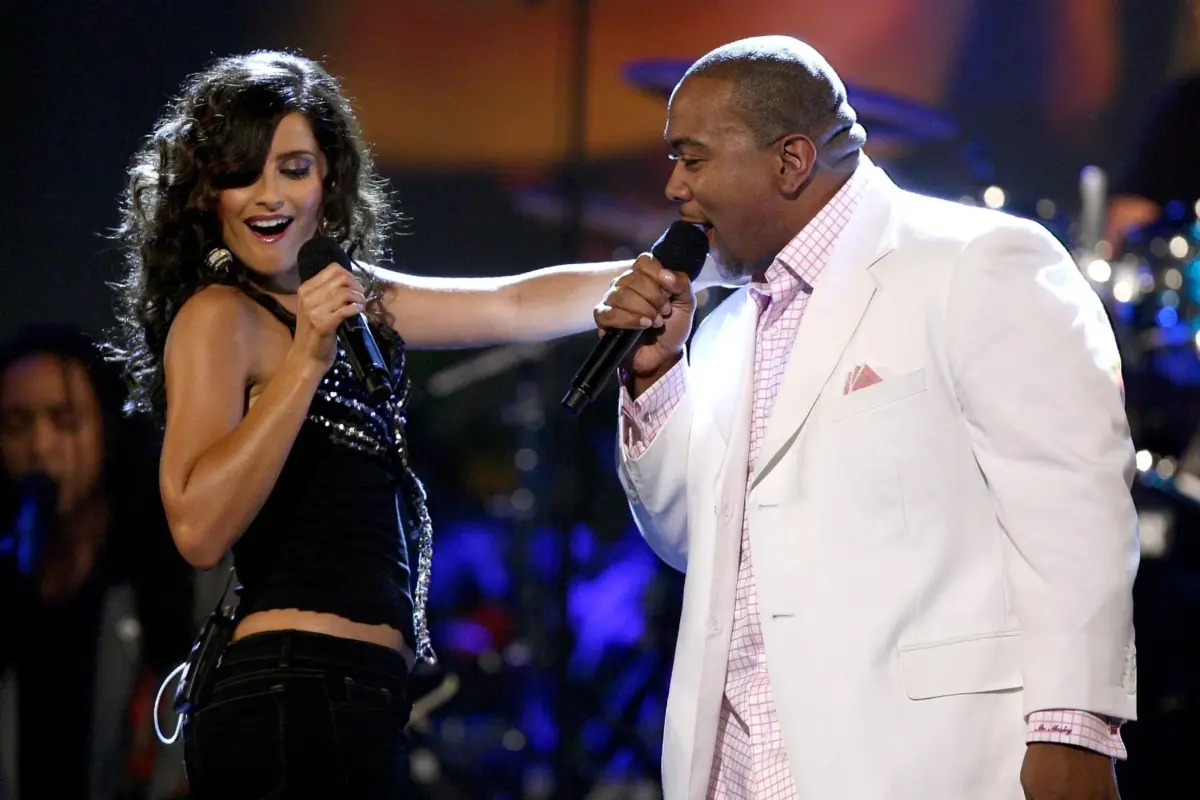
- "Promiscuous" featuring Timbaland: Released as the lead single in the United States, this slick, flirtatious duet became the defining track of the summer of 2006. Peaking at No. 1 on the Billboard Hot 100, the track established a playbook for call-and-response pop hits that resonated across both urban radio and mainstream Top 40.
- "Say It Right": Culminating her triple-crown run, this atmospheric, synth-driven meditation showcased Furtado’s ethereal vocal styling floating effortlessly over Timbaland’s minimalist, brooding percussion. It marked her third chart-topping achievement in a remarkably short window.
By late 2006, Furtado was no longer just a returning legacy act; she was the ruling monarch of global pop, commanding radio airwaves from North America to Europe and Latin America.
Supporting Context & Metrics: The Anatomy of a Mid-2000s Phenomenon
To fully appreciate the magnitude of Furtado’s 2006 run, one must analyze the unique cultural and structural metrics of the mid-aughts music industry.
| Metric / Feature | Whoa, Nelly! (2000) | Folklore (2003) | Loose (2006) |
|---|---|---|---|
| Primary Genre | Folk-Pop / World Beat | Acoustic / Alternative | Dance-Pop / R&B / Hip-Hop |
| Lead Producer | Gerald Eaton, Brian West | Nelly Furtado, Track & Field | Timbaland, Danja |
| Billboard Hot 100 No. 1s | 0 | 0 | 3 ("Promiscuous," "Say It Right," etc.) |
| Global Album Sales | ~6 Million | ~2 Million | ~12 Million+ |
| Vocal Persona | Bohemian / Earthy | Introspective / Organic | Glamorous / Seductive / Aggressive |
The Timbaland Partnership: Why It Worked
The alchemy between Furtado and Timbaland lay in their mutual willingness to subvert pop conventions. Timbaland brought the bounce and swagger of the hip-hop underground, while Furtado brought an international, borderless sensibility derived from her Portuguese-Canadian heritage. Tracks like "Promiscuous" relied on free-associative lyricism and playful self-awareness ("You’re a takeoff / My name is Nelly, let’s get down to business"), which balanced high-gloss production with disarming accessibility.
The Mystery of the Post-2006 Disappearance from the Charts
Perhaps the most perplexing chapter of Furtado’s commercial history is how quickly the lightning-in-a-bottle momentum faded. Following the explosive success of Loose—which shifted over 12 million copies worldwide—Furtado pivoted away from English-language mainstream pop once again.
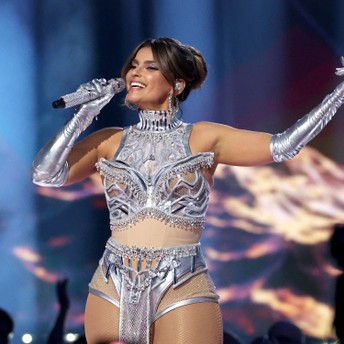
Subsequent projects, including her Spanish-language album Mi Plan (2009) and independent releases like The Spirit Indestructible (2012), prioritized artistic fulfillment over chart optimization. Consequently, she transitioned from a ubiquitous fixture of the Billboard Hot 100 to a revered cult icon whose mid-2000s peak remains an isolated anomaly in modern chart history.
Official Insights & Podcast Retrospective
The enduring fascination with this era recently took center stage on an extended Vintage Pop Stardom episode of the Greatest Pop Stars podcast. Host Andrew Unterberger, joined by YouTube creator and Song vs. Song co-host Todd in the Shadows, unpicked the cultural mechanics of Furtado’s historic run.
During the deep-dive discussion, the panel addressed several defining questions surrounding the 2006 cultural zeitgeist:
- The Motivational Pivot: What drove a critically acclaimed folk-pop artist to rebrand as an electronic dance icon? The consensus points to a blend of career self-preservation and an artistic hunger to challenge prevailing radio trends.
- The Lyricism Debate: From the playful basketball references in "Promiscuous" (immortalizing Steve Nash over alternative candidates like Dirk Nowitzki) to the dreamlike, free-associative poetry of "Say It Right," the panel evaluated how these idiosyncratic stylistic choices ultimately strengthened, rather than hindered, the music’s universal appeal.
- The Industry Ecosystem: The hosts also contextualized Furtado’s run alongside contemporaneous pop rivalries and industry gatekeepers, underscoring how fiercely competitive the female pop landscape was during the mid-2000s.
Future Outlook and Legacy
As the music industry continues to cycle through decades of nostalgic reclamation, Nelly Furtado’s 2006 masterpiece Loose stands as a masterclass in risk-taking. In an era where modern pop acts frequently rely on algorithmic safety and predictable genre lanes, Furtado and Timbaland’s cross-pollination of urban beats, global rhythms, and uninhibited pop songwriting serves as a blueprint for fearless reinvention.
Two decades removed from her chart-dominating zenith, Furtado’s legacy is no longer defined by whether she sustained her spot at the top of the Billboard charts, but by the indelible, speaker-blowing impact of the short, dazzling window when she owned the entire pop universe.