Pioneering New York art-pop duo Fischerspooner have officially partnered with Demon Records to launch an extensive, career-spanning catalog reissue campaign. This collaborative venture will dust off and revitalize some of the most influential, visually arresting, and forward-thinking electronic music of the early 2000s.
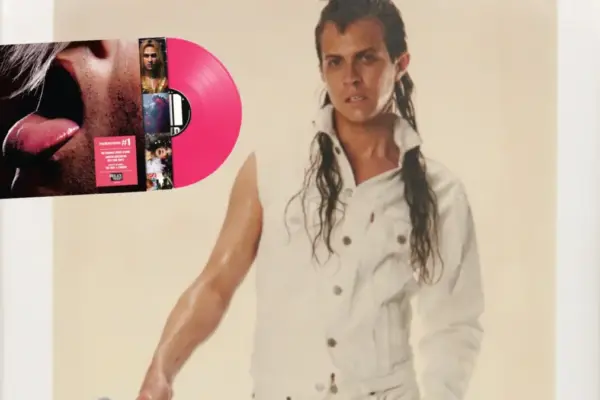
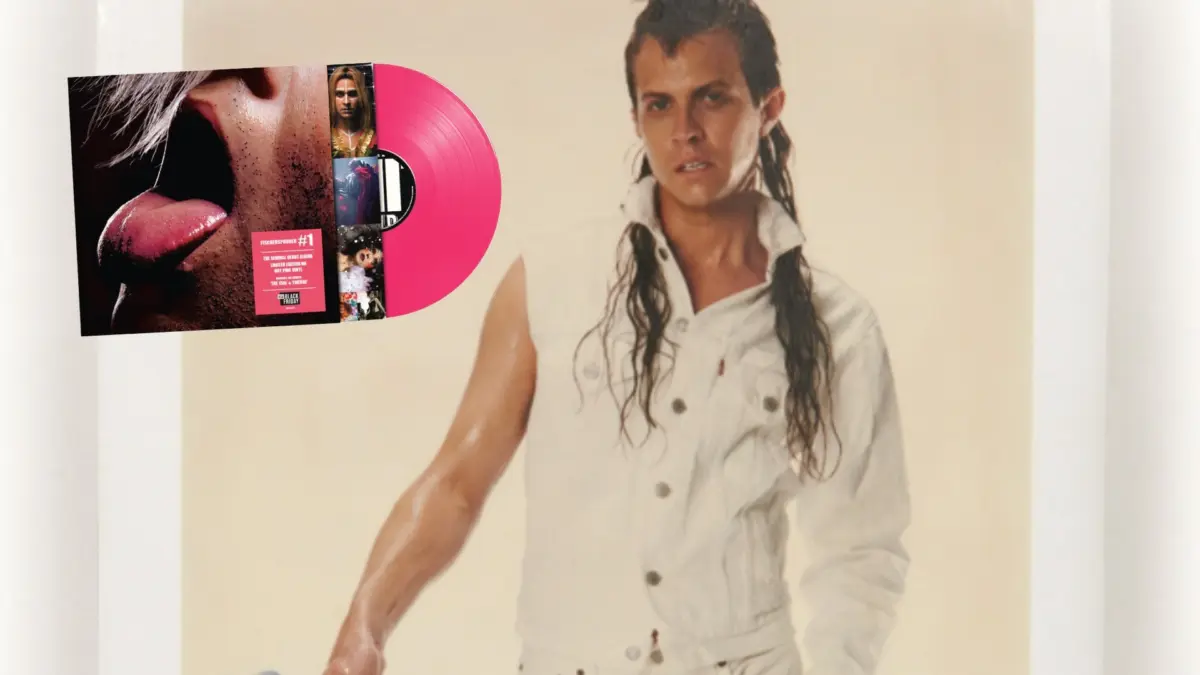
The campaign commences with a vibrant, limited-edition hot pink vinyl pressing of the duo’s seminal 2001 debut album, #1. This release marks the first time the full-length record has been pressed on vinyl since its initial, highly sought-after run in the early naughties. Designed as a special treat for collectors and audiophiles alike, the hot pink LP will debut on November 27 for this year’s Record Store Day Black Friday event, available exclusively through participating independent record stores.
Beyond the immediate holiday season release, the multi-tiered reissue initiative promises deeper dives into the group’s avant-garde catalog. The crown jewel of the partnership—a comprehensive, career-spanning box set—is slated for release in the spring of 2027. This definitive collection will curate rare cuts, visual artifacts, and archival material from a group that blurred the lines between high art, underground club culture, and commercial electroclash.
Formed in 1998 by classically trained musician Warren Fischer and performance artist Casey Spooner, Fischerspooner began as a subversive New York art project designed to interrogate, parody, and celebrate the mechanisms of modern entertainment. Over the next two decades, they evolved into global tastemakers. Known just as much for their high-concept theatrical stage shows, elaborate costume design, and conceptual performance art as they were for their driving, synthesizer-heavy anthems, the duo earned a reputation as true avant-garde royalty. Along the way, they left an indelible mark on modern pop culture, lending their distinctive remixing sensibilities to mainstream and alternative icons alike, including Kylie Minogue and The Killers.
As these foundational works are dusted off and prepared for contemporary audiences, both founders have expressed a profound sense of gratitude and vindication. For Fischer and Spooner, this partnership with Demon Records represents not merely a commercial repackaging, but a vital cultural preservation effort. It ensures that their radical experiments in multimedia performance, sound, and visual style will remain accessible to future generations of music historians, electronic purists, and pop fans alike.
Detailed Chronology: The Evolution of Fischerspooner
The Late 1990s: Conceptual Beginnings in the Lower East Side
The story of Fischerspooner begins in the crucible of the late-1990s New York art scene. Warren Fischer and Casey Spooner met in Chicago while studying at the School of the Art Institute, but it was upon relocating to the Lower East Side of New York City that their artistic vision crystallized.
In 1998, the duo officially launched Fischerspooner not as a conventional band, but as a multi-disciplinary art project. At a time when the music industry was rigidly divided between commercial pop, indie rock, and underground electronic music, Fischerspooner operated in the spaces in between. They incorporated live theater, modern dance, conceptual video art, and high-fashion aesthetics into their performances. Their early shows were staged in galleries, abandoned warehouses, and underground clubs rather than traditional concert halls. They were less interested in traditional musicianship than in exploring the very nature of entertainment, celebrity, and corporate sponsorship through a tongue-in-cheek, heavily stylized lens.
2001–2003: The Electroclash Explosion and the Release of #1
As the new millennium dawned, the underground club circuits of New York and London were brewing a chaotic, irony-laden genre that music journalists would soon dub "electroclash." Blending the cold, robotic precision of 1980s synth-pop and Neue Deutsche Welle with the punchy, dancefloor-ready beats of techno and the DIY ethos of punk, Fischerspooner emerged as the undisputed poster children of the movement.
In 2001, the duo independently released their debut album, #1. Featuring infectious, minimalist synth-hooks and Casey Spooner’s deadpan, theatrical vocal delivery, the record quickly became an underground sensation. Tracks like "Emerge"—with its iconic spoken-word mantra “I’ve got to go to work, I’ve got to go to work”—became international club anthems.
The underground buzz caught the attention of major labels, leading to a high-profile, multi-album deal with Capitol Records in the United States and Ministry of Sound in Europe. #1 was given a lavish international reissue in 2003, complete with revamped artwork, updated mixes, and massive accompanying music videos that played on heavy rotation on MTV2 and European music channels. The album positioned Fischerspooner at the bleeding edge of popular culture, earning critical acclaim from high-brow art publications and dance music bibles alike.
2005–2009: Conceptual Expansion and Odyssey
Buoyed by their sudden international visibility, Fischer and Spooner expanded their sonic and visual palette for their sophomore studio album, Odyssey, released in 2005. Moving away from the lo-fi, DIY electroclash aesthetic of their debut, Odyssey embraced a lush, organic, and melancholic pop sensibility.
Enlisting high-profile collaborators such as R.E.M. frontman Michael Stipe (who co-wrote several tracks and provided guest vocals), the duo crafted an album that explored the emotional tolls of fame, identity, and modern isolation. Though less abrasive than #1, Odyssey maintained the conceptual rigor that defined the duo’s output. Their live shows during this era evolved into massive, Broadway-scale theatrical productions featuring dozens of dancers, elaborate set designs, and avant-garde costume changes that tested the patience of conservative promoters while delighting art-world critics.
2010–2018: High Art Collaborations and the Final Chapter (SIR)
Throughout the 2010s, Fischerspooner continued to operate fluidly between the worlds of contemporary art, fashion, and electronic music. They composed scores for fashion houses, exhibited video installations in international art galleries, and lent their distinctive remixing talents to pop royalty such as Kylie Minogue and indie-rock icons like The Killers.
In 2018, nearly a decade after their last major studio offering, Fischerspooner released their third studio album, SIR. Executive produced by pop auteur Michael Stipe, SIR was heralded as a deeply personal, queer-centric triumph. The album explored themes of heartbreak, romance, and political disillusionment against a backdrop of pristine, glittering synth-pop production. Critics praised the record as a mature and poignant evolution of the duo’s signature sound. However, shortly after its release, the duo announced they were stepping back from touring, leaving their long-term future shrouded in mystery and leaving fans longing for a comprehensive retrospective of their storied career.
Supporting Context & Metrics
The Resurgence of Physical Media and Record Store Day
The announcement of the Demon Records reissue campaign arrives at a pivotal moment for the physical music market. Over the past decade, vinyl records have experienced an extraordinary renaissance, consistently outpacing CDs and, in some territories, even threatening to surpass digital downloads in revenue generation. Independent record stores, once threatened by the rise of digital streaming platforms, have become cultural hubs where music lovers seek out tangible connections to the artists they admire.
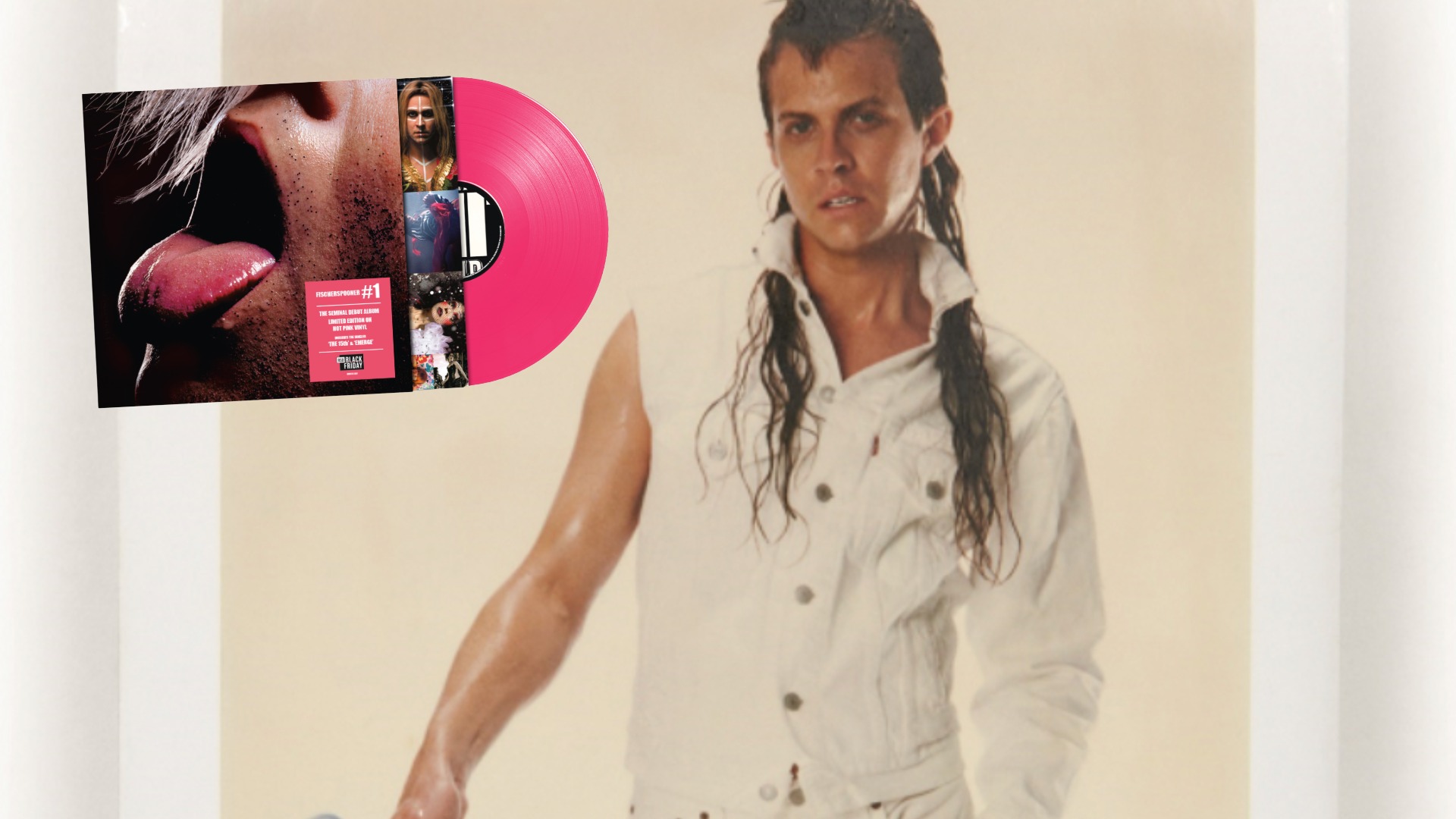
Record Store Day (RSD)—and its burgeoning Black Friday counterpart—has become the holy grail for collectors. Limited-edition, colored-vinyl pressings of out-of-print classics command intense loyalty, rapid sell-outs, and robust secondary market valuations. By choosing an exclusive hot pink pressing of #1 for RSD Black Friday, Demon Records and Fischerspooner are tapping directly into this thriving collector’s market, ensuring that the physical artifact holds as much conceptual weight in 2026 as it did upon its initial release a quarter-century ago.
Commercial Footprint and Cultural Impact
While Fischerspooner never achieved the ubiquitous commercial saturation of mainstream top-40 pop acts, their cultural footprint has been disproportionately massive.
- Critical Reception: Upon its release, #1 received widespread critical acclaim, landing on prestigious end-of-year lists by publications such as Pitchfork, NME, and Rolling Stone.
- Streaming and Legacy: Tracks like "Emerge" continue to pull in millions of streams annually, serving as foundational touchstones for modern indie-dance and hyperpop artists.
- Remixing Legacy: The duo’s production and remix catalog includes high-profile turns for Kylie Minogue, The Killers, Yoko Ono, and Daft Punk, cementing their status as producers’ producers within the global electronic community.
- The 2027 Box Set Scale: While full tracklists and physical specifications for the upcoming spring 2027 box set remain under wraps, industry insiders anticipate a multi-disc leviathan encompassing rare 12-inch mixes, unreleased demos, archival photography books, and video documentation of their legendary live performances.
Official Statements
The gravity of the Demon Records partnership is underscored by the heartfelt reflections of both founding members. As they look back across a quarter-century of creative output, Warren Fischer and Casey Spooner view this archival campaign not just as a business venture, but as the curation of a cultural legacy.
Reflecting on the philosophical origins of the project, classically trained musician Warren Fischer shared insights into the initial impulses that birthed the band:
"Fischerspooner started in 1998 as an experiment incorporating music, image, and performance to explore what entertainment was and could be. Sincere and absurd, I’m excited #1 is coming back on vinyl with Demon, so people can hear it again on its own terms, twenty-five years later."
Fischer’s statement highlights the dual nature of the group’s output: the seamless blending of high-art sincerity with the campy, hyper-commercial absurdity of the pop music machine. By revisiting #1 twenty-five years after its inception, listeners are invited to strip away the historical context of the early-2000s electroclash movement and evaluate the music purely on its sonic and structural merits.
Meanwhile, performance artist Casey Spooner emphasized the emotional and archival significance of gathering decades of ephemeral art into a permanent repository:
"It’s exciting that all our creative work and history is being carefully preserved. To have all these ideas gathered in one place and properly archived is a huge gift. There’s so much more that hasn’t been seen and amazing stories yet to be told."
Spooner’s perspective points directly to the multi-disciplinary nature of Fischerspooner. Because much of their early work existed in the realm of live performance, video art, and temporary installations, large portions of their creative output have remained difficult for modern fans to access. The promise of previously unseen material embedded within the upcoming 2027 box set suggests that this reissue campaign will function as an archaeological dig for early-aughts avant-garde pop culture.
Future Outlook: What Lies Ahead for Fischerspooner
As the music world prepares for the November 27 release of the hot pink vinyl edition of #1, anticipation is already building for the broader implications of the Demon Records campaign.
Bridging Generations of Electronic Music Fans
One of the most exciting outcomes of this reissue series is the opportunity for younger generations of music consumers to discover Fischerspooner in their intended physical formats. In an era dominated by algorithmic streaming playlists, where songs are often consumed in isolation from their cultural and visual contexts, the tactile nature of a colored vinyl LP—and the forthcoming multimedia box set—offers a holistic artistic experience.
Today’s hyperpop, PC Music, and experimental electronic scenes owe a massive debt to the blueprint laid down by Fischerspooner. Artists who blend high-fashion styling with aggressive electronic production can trace their lineage directly back to the Lower East Side loft where Fischer and Spooner first began interrogating the machinery of fame.
The Spring 2027 Box Set Horizon
Looking further ahead, all eyes are fixed on the comprehensive career-spanning box set scheduled for release in the spring of 2027. This release promises to be the definitive historical document of the duo’s career. Musicologists and collectors will be watching closely for announcements regarding unreleased studio tracks, lost demo recordings from the late 90s, high-definition restorations of their legendary conceptual music videos, and extensive liner notes detailing the chaotic, brilliant inner workings of their creative partnership.
Whether this campaign will coax Warren Fischer and Casey Spooner out of retirement for one-off live appearances or special gallery exhibitions remains to be seen. However, one thing is certain: by opening the vaults and preserving their radical history for posterity, Fischerspooner is ensuring that their unique brand of art-pop subversion will continue to challenge, inspire, and entertain for decades to come.