Executive Overview
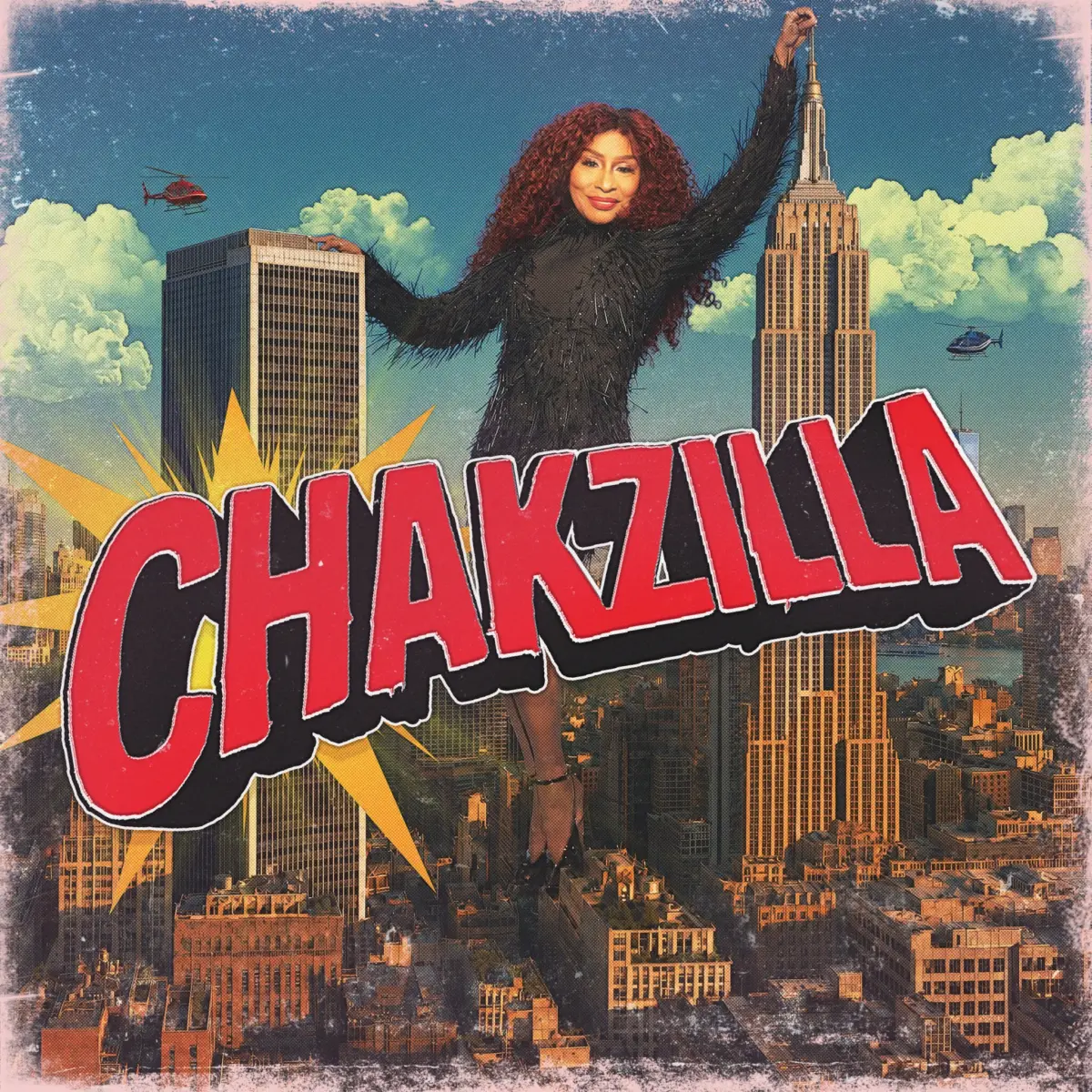
Nearly half a century after she first commanded the global consciousness with the boundary-pushing funk-rock outfit Rufus, Chaka Khan remains an indomitable force in modern music. The Rock and Roll Hall of Famer, universally celebrated as the undisputed Queen of Funk, has made her triumphant return with her latest studio album, Chakzilla. Arriving after a demanding seven-year hiatus since her 2019 mini-album Hello Happiness, Chakzilla is a sprawling, high-profile project crafted in close collaboration with Australian pop powerhouse Sia and multi-platinum songwriter and producer Greg Kurstin.
Right out of the gate, the project establishes a deeply personal and self-reflective tone. The record’s third single, "Curious Subject," opens with a disarmingly candid admission:
“My therapist, my friends / They say I got a lot going on / They tell me that I’m a curious subject.”
Throughout Chakzilla, Khan explores the profound complexities of human existence, the reclamation of personal agency, and the sheer joy of emotional well-being. Musically, the album leans heavily into a sleek, contemporary disco soundscape—a stylistic homecoming for an artist whose 1978 solo debut, “I’m Every Woman,” fundamentally bridged R&B, funk, and club culture to define a generation. Yet, beneath the polished veneer lies a complex tension between high-concept contemporary production and the raw, electrifying vocal charisma that has defined Khan’s legendary career.
Supported by A-list guest appearances from Snoop Dogg, Lenny Kravitz, and Sia, Chakzilla serves as both a testament to Khan’s enduring legacy and a bold, if occasionally uneven, step into the modern musical landscape. This comprehensive review and investigative overview explores the trajectory of Chakzilla, dissecting its production aesthetics, thematic depth, cultural impact, and what this explosive era signifies for one of soul music’s most vital voices.
Detailed Chronology: The Road to Chakzilla
To fully appreciate the weight and artistic necessity of Chakzilla, one must trace the historical arc of Chaka Khan’s illustrious career and the deliberate milestones that paved the way for this 2026 release.
The Foundation: Rufus and Solo Mastery (1970s–1980s)
Born Yvette Marie Stevens, Chaka Khan emerged onto the music scene in the early 1970s as the explosive frontwoman of Chicago-based funk outfit Rufus. Her unmistakable voice, characterized by its fierce agility, emotional depth, and rock-infused edge, instantly propelled the band to international stardom. Hits like "Tell Me Something Good" (written by Stevie Wonder), "Ain’t Nobody," and "Do You Love What You Feel" established her as a vocal titan.
In 1978, Khan transitioned into a solo artist with her self-titled debut album, anchored by the Ashford & Simpson-penned anthem "I’m Every Woman." The track became a cultural touchstone, deftly merging the grit of R&B with the rising tide of disco. The 1980s brought a string of landmark solo smashes—including "What Cha’ Gonna Do for Me," "This Is My Night," and her soaring masterpiece, "Through The Fire"—cementing her status as a versatile virtuoso capable of dominating radio formats across genres.
The Quiet Years and the 2019 Resurgence
As the decades progressed, Khan’s output became more selective. She continued to tour extensively, receiving numerous accolades, including her 2019 induction into the Rock and Roll Hall of Fame as a member of Rufus. That same year, she released Hello Happiness, a concise seven-track mini-album that proved her voice could effortlessly anchor contemporary, electronic-leaning production.
However, the global music landscape shifted dramatically in the years following Hello Happiness. The music industry wrestled with unprecedented paradigm shifts driven by streaming dominance, pandemic-era disruptions, and a cultural resurgence of disco and retro-futuristic pop. During this quiet period, Khan retreated inward, engaging in personal reflection, therapy, and creative exploration. It was during these quiet years that the conceptual framework for Chakzilla began to take shape—a title that fuses her iconic moniker with the unstoppable, destructive-yet-protective cinematic force of Godzilla.
The Birth of Chakzilla (2025–2026)
Announced in early 2026, the partnership between Khan, Sia, and Greg Kurstin generated immediate industry buzz. Kurstin, celebrated for his work with Adele, Paul McCartney, and Foo Fighters, brought a meticulous, radio-ready production style to the table, while Sia contributed her knack for anthemic, emotionally resonant songwriting.
The rollout began with strategic single drops, culminating in the release of "Curious Subject." Fans and critics alike noted the stark contrast between the project’s playful, larger-than-life title and the deeply vulnerable lyricism within. Over seven long years of waiting had primed the public for a masterclass in vocal performance, and Chakzilla delivered precisely that, arriving as a monument to survival, maturity, and artistic reinvention.
Supporting Context & Metrics: Sound, Songwriting, and Production
The musical architecture of Chakzilla is built upon a high-wire act: balancing the timeless, organic grit of a seasoned soul legend against the hyper-compressed, sanitized demands of modern pop and disco-revival production.
The Sonic Landscape: Modern Disco vs. Organic Soul
On paper, pairing Chaka Khan with a modern disco aesthetic is an undeniable match. After all, she helped write the blueprint for the genre in the late 1970s. On Chakzilla, Greg Kurstin’s production leans heavily into crisp electronic instrumentation, sparkling synths, and four-on-the-floor beats.
However, critics and audiophiles have pointed out a noticeable friction in the mix. There is a clinical, overly sanitized sheen to several tracks on the album. In lesser hands, this digital polish could have drained the life out of the project. Fortunately, Khan possesses a vocal instrument of such staggering power, charisma, and emotional intelligence that she routinely breathes life into even the most sterile soundscapes.
This dynamic mirrors the success of her 2019 work Hello Happiness, where her larger-than-life personality lifted slick electronic arrangements. On Chakzilla, however, the juxtaposition occasionally serves to highlight what is missing from the backing tracks, reminding listeners of the organic, brass-heavy warmth of her classic 70s and 80s recordings.
Thematic Depth: Power, Vulnerability, and Legacy
Despite production critiques, the songwriting on Chakzilla is consistently compelling, offering an intimate look into Khan’s psyche as she navigates her seventh decade of life.
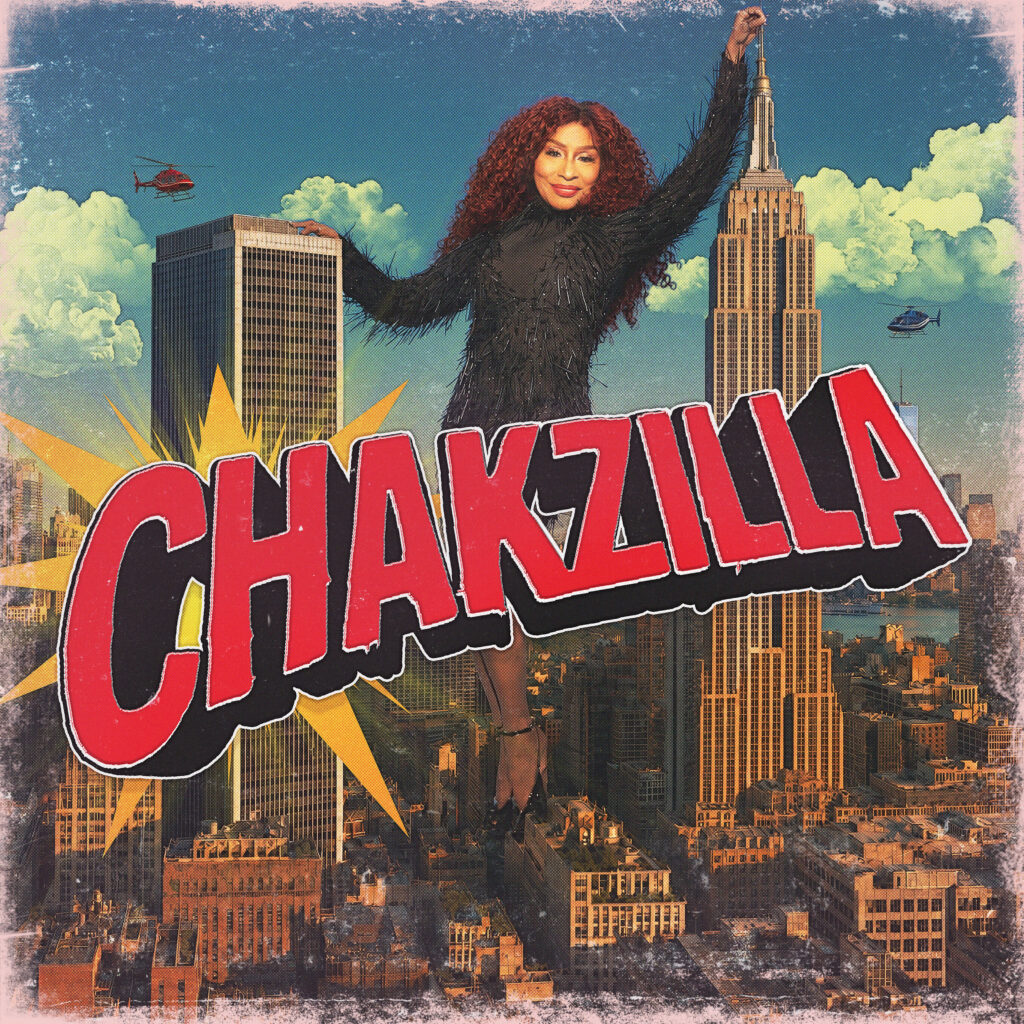
- The Title Track ("Chakzilla"): Khan embraces her monumental status with fierce humor and gravitas, drawing direct parallels to the legendary movie monster while using her towering influence to elevate others. The lyric “I’m a giant, so come up” functions as both a declaration of her own unmatched stature and an invitation to her peers and listeners to rise alongside her.
- "I Know You Can": Continuing the album’s theme of communal uplift and empowerment, this track features reassuring, maternal warmth. Khan encourages the listener with lines like, “I know you can do it / Yes, I’ll help you get through it,” proving that her empathy remains as vast as her vocal range.
- "Now and Forever": Perhaps the emotional anchor of the record, this track finds Khan synthesizing a lifetime of lessons. Touching upon the intense highs and devastating lows of her seventy years, she celebrates her resilience: “I’m alive tonight / Raising my head high / After such a fight / I can do it all.”
Star-Studded Collaborations
Chakzilla is elevated significantly by its high-profile guest features, each bringing a distinct flavor that complements Khan’s multi-faceted persona:
- Snoop Dogg on "Boogie’s in My Soul": Opening with a nostalgic nod to her 1984 classic "I Feel For You," Snoop delivers a smooth, charismatic rap intro that bleeds into an infectious, energetic back-and-forth with Khan. It is a joyful, effortless fusion of West Coast hip-hop royalty and funk royalty.
- Lenny Kravitz on "Bring The Party": Marrying Khan’s rock-infused R&B roots with Kravitz’s signature retro-funk guitar swagger, this track more than lives up to its celebratory promise, standing as one of the album’s most sonically cohesive and explosive moments.
Official Statements and Industry Reception
The release of Chakzilla has generated widespread critical commentary, positioning it as one of the most intellectually and vocally engaging releases of the year. While mainstream music publications have lauded the project’s emotional resonance and powerhouse vocal delivery, industry analysts have engaged in rigorous debate regarding its modern production choices.
In interviews surrounding the album’s rollout, Khan has emphasized that Chakzilla is not merely a nostalgic exercise, but an active exploration of personal evolution. Speaking on her collaboration with Sia and Greg Kurstin, Khan noted:
"Working with artists who understand the architecture of modern pop while respecting the roots of what I do was essential. This album isn’t about looking backward; it’s about standing firmly in the power of who I am today—flaws, triumphs, and all."
Co-collaborator Sia has frequently expressed deep reverence for Khan’s vocal mastery, describing the studio sessions as an masterclass in emotional delivery. Industry critics have echoed this sentiment, noting that even when the electronic instrumentation threatens to overshadow the organic soul of the music, Khan’s performance remains an anchor of undeniable authenticity.
Reviewers across various music platforms have highlighted that while the seven-year wait between Hello Happiness and Chakzilla tested the patience of her fanbase, the resulting body of work more than justifies the hiatus. Despite minor gripes concerning the clinical nature of contemporary mix-engineering, cultural critics agree that Chakzilla enriches an already exemplary, legendary discography.
Future Outlook: The Enduring Reign of Chaka Khan
As Chakzilla makes its waves across global streaming platforms and physical markets, the album’s release marks a critical juncture in Chaka Khan’s legendary career. Far from resting on the laurels of her Rock and Roll Hall of Fame status or her decades-old anthems, Khan continues to push her artistic boundaries, actively engaging with contemporary songwriters, producers, and genre-bending collaborations.
The success of Chakzilla raises intriguing questions about the future of legacy artists operating in a streaming-dominated, youth-obsessed pop market. Khan has proven that relevance does not require compromising one’s core identity; rather, it requires framing timeless vocal talent within modern contexts—even when those contexts spark healthy artistic debate among purists.
Looking ahead, fans and industry insiders are speculating about a potential high-concept tour supporting Chakzilla, one that would bring tracks like "Curious Subject," "Boogie’s in My Soul," and "Bring The Party" to life on stage alongside career-defining hits like "Ain’t Nobody" and "I’m Every Woman."
Ultimately, Chakzilla cements the fact that Chaka Khan is not just a relic of disco and 70s funk, but a living, breathing, evolving musical institution. Whether she is roaring like a metaphorical monster to lift up the next generation or baring her soul over a shimmering dance beat, the Queen of Funk remains entirely peerless, wonderfully complex, and definitively a "curious subject" well worth studying for decades to come.