Executive Overview
In an unexpected yet brilliantly executed cross-genre collaboration, country-pop royalty Shania Twain has breathed electrifying new life into her timeless 1998 ballad, "You’re Still the One." Teaming up with acclaimed German-Russian record producer and DJ Zedd, Twain has delivered a dance floor-ready reworking of the global smash. Released as part of the ambitious Candy Crush Music Season 2026, the track bridges the gap between classic acoustic-driven country-pop and high-octane electronic dance music (EDM).
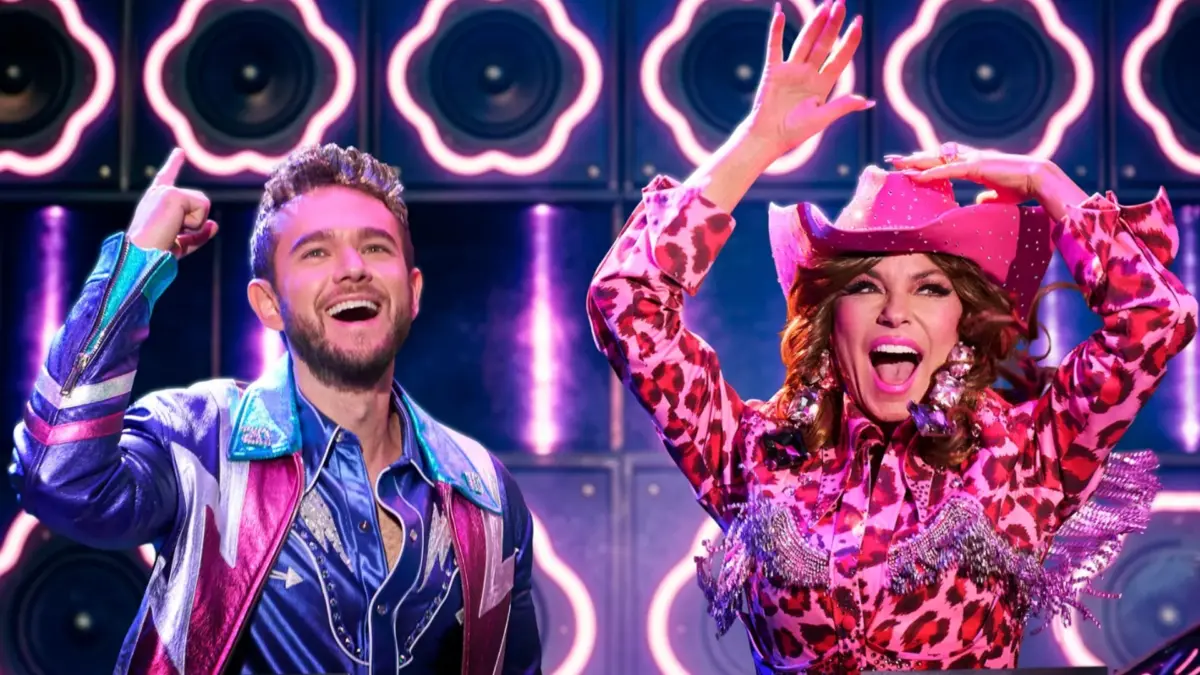
The release is accompanied by a visually stunning, hyper-stylized music video directed by visionary filmmaker Jonas Åkerlund. Dripping in bubble-gum pink aesthetics, neon lights, and whimsical Western motifs, the video transports viewers into a fictional universe dubbed "Candy Country." While the collaboration serves as a high-profile brand partnership for the ubiquitous mobile puzzle game Candy Crush, both musical icons maintain that the artistic integrity of the original track remains intact, elevated rather than diluted by the modern production techniques.
This piece explores the anatomy of this unlikely collaboration, tracing its development from conceptualization to execution. We examine the intersecting worlds of mobile gaming and pop music marketing, analyze the production choices made by Zedd, review the visual artistry of Jonas Åkerlund, and project the long-term cultural and commercial impacts of this cross-pollination of genres.
Detailed Chronology: From 90s Classic to 2026 Dancefloor Phenomenon
The Legacy of "You’re Still the One"
To understand the significance of this 2026 remix, one must first look back at the cultural footprint of the original track. Released in 1998 as the third single from Shania Twain’s diamond-certified, blockbuster studio album Come On Over, "You’re Still the One" was an inescapable global anthem. Co-written by Twain and her then-husband and producer Robert John "Mutt" Lange, the song transcended its genre boundaries. While it dominated the Billboard Country charts, it crossed over to become a massive pop radio staple, peaking at No. 2 on the Billboard Hot 100.
The track earned Twain four Grammy nominations in 1999, taking home two: Best Country Song and Best Female Country Vocal Performance. Over the past nearly three decades, it has cemented itself as a standard of modern romantic songwriting, frequently soundtracking weddings, anniversaries, and nostalgic milestones worldwide.
The Genesis of the Zedd Collaboration
The journey toward the 2026 reimagining began quietly behind closed doors through discussions facilitated by mobile gaming giant King, the creator of Candy Crush. As part of the company’s ongoing strategy to merge gaming with mainstream pop culture through its Music Season initiatives, executives identified Twain and Zedd as an ideal creative pairing.
Zedd, known for chart-topping EDM hits like "Clarity" and "Stay," was approached to bring his signature crisp, euphoric production style to Twain’s acoustic masterpiece. Far from being a random corporate assignment, the collaboration struck a personal chord with the producer. Having grown up listening to Twain’s genre-defining records during his childhood in Germany, Zedd jumped at the opportunity to work with one of his musical idols.
Production and Studio Sessions
The creative process required a delicate balancing act. Zedd faced the challenge of retaining the emotive, instantly recognizable vocal delivery of Twain’s original studio recordings while completely overhauling the instrumental landscape.
Instead of a sluggish, acoustic-guitar-led tempo, the new version introduces a driving four-on-the-floor house beat, shimmering synthesizer arpeggios, and an explosive drop designed to ignite festival stages and club floors alike. Vocally, Twain re-recorded select ad-libs and harmonies specifically for the project, ensuring that her voice soared naturally above the pulsating electronic soundscapes rather than getting lost in heavy production walls.
The Visual Campaign and Jonas Åkerlund’s Direction
Once the audio track was finalized, acclaimed Swedish director Jonas Åkerlund was brought on board to helm the visual accompaniment. Known for his striking, cinematic, and often avant-garde music videos for artists such as Beyoncé, Lady Gaga, Madonna, and The Prodigy, Åkerlund was uniquely equipped to bring Candy Crush’s "Candy Country" concept to life.
Shot over several days on a heavily stylized, surrealist set, the video merges the rugged, sun-drenched iconography of the American West with a surreal, hyper-saturated confectionery wonderland. Neon cacti, rolling hills made of pink frosting, and glittering gemstones populate the landscape. Twain anchors the video with her signature magnetic charisma, donning fashion-forward wardrobe pieces that blend high-fashion western wear with candy-coated accents, while Zedd makes strategic cameo appearances woven seamlessly into the narrative.
Supporting Context & Metrics: The Intersection of Gaming and Pop Music
The Rise of In-Game Musical Partnerships
The partnership between Shania Twain, Zedd, and Candy Crush is far from an isolated incident; rather, it represents the bleeding edge of modern music marketing. Over the past half-decade, the music industry has undergone a radical decentralization. Traditional radio and television promotion have taken a back seat to digital ecosystems, with video games emerging as premier platforms for music discovery and consumption.
According to digital media analytics, mobile gaming platforms boast a global audience numbering in the billions, significantly eclipsing traditional streaming services in terms of daily active engagement. By embedding newly released tracks directly into interactive gaming experiences, artists can capture the attention of demographics that might otherwise be difficult to reach through standard promotional channels.
The Economics of Candy Crush Music Season 2026
King’s Music Season franchise has rapidly evolved into a major economic and cultural powerhouse within the gaming sector. Following the success of previous musical integrations, the 2026 iteration was designed with an unprecedented scale of investment.
- Cross-Platform Reach: The campaign integrates the newly remixed track into in-game events, enabling millions of active daily users to interact with the music while playing themed puzzle levels.
- Streaming Amplification: Historically, in-game music integrations yield immediate spikes in on-demand streaming platforms. Early algorithmic projections for the "You’re Still the One" remix anticipate millions of streams within its opening week, heavily fueled by cross-promotional pushes across Spotify, Apple Music, and YouTube.
- Demographic Bridging: The collaboration acts as a brilliant bridge across generations. Older demographics who grew up with Twain’s 90s records are introduced to Zedd’s contemporary production sensibilities, while younger electronic music fans are exposed to the legendary songwriting catalog of a country-pop icon.
Official Statements and Artist Reflections
The collaborative spirit of the project has been a central talking point for both artists involved, who have expressed mutual admiration and excitement over the final product.
Speaking on the creative direction of the project, Shania Twain emphasized how natural the collaboration felt despite the disparity between their primary genres:
"Bringing ‘You’re Still the One’ back with Zedd, and building this special world with Candy Crush for fans to play in, felt like the perfect way to give the song new life. It feels exactly right."
Twain, who has experienced a massive career renaissance in recent years—marked by critically acclaimed Las Vegas residencies, triumphant festival appearances at Glastonbury, and major documentary features—has consistently demonstrated a willingness to experiment with her sound and embrace contemporary platforms.
Zedd echoed these sentiments, highlighting the personal significance of working alongside a musical legend who shaped his early appreciation for pop songwriting:
"I was super happy Candy Crush brought me and Shania Twain together. She’s a legendary artist, and I grew up listening to her music, so being able to collaborate with her on a new version of such an iconic song has been really special."
Behind the scenes, the production team at King noted that both artists were intimately involved in every stage of the process. Rather than treating the campaign as a passive licensing agreement, Twain and Zedd collaborated closely with the creative directors to ensure that the fictional "Candy Country" aesthetic aligned seamlessly with the emotional and sonic arc of the music.
Future Outlook: What This Means for the Future of Cross-Industry Collaborations
Setting a New Benchmark for Brand-Artist Synergy
As the lines between entertainment, gaming, and commercial advertising continue to blur, the Shania Twain and Zedd "Candy Crush Version" of "You’re Still the One" serves as a masterclass in modern brand-artist synergy. Critics and industry insiders alike are viewing this campaign as a benchmark for how legacy catalogs can be successfully modernized without alienating core fan bases.
In the past, brand partnerships involving classic songs were often met with cynicism by music purists, who viewed them as purely transactional compromises of artistic integrity. However, by turning the collaboration into a fully realized creative endeavor—featuring custom production, high-end cinematic music videos, and interactive digital experiences—Twain and Zedd have reframed corporate sponsorship as a viable, innovative canvas for artistic expression.
What Lies Ahead for Twain and Zedd
For Shania Twain, this release further solidifies her status as a pop-culture chameleon capable of effortlessly traversing decades and musical landscapes. As she continues to tour and curate new creative projects, collaborations with modern electronic producers prove that her catalog remains vibrant and adaptable.
Meanwhile, Zedd continues to cement his reputation as a versatile producer capable of bridging mainstream pop nostalgia with cutting-edge club music. Following the momentum of this campaign, industry speculators are already anticipating further cross-genre productions from the German DJ, who has consistently pushed the envelope regarding where electronic music can go next.
Ultimately, "You’re Still the One (Candy Crush Version)" proves that great songwriting is truly timeless. Whether echoing through a dimly lit country dancehall in 1998, blasting from the main stage of an EDM festival, or playing on a smartphone screen during a commute, the core emotion of Twain’s lyricism remains untouched—proving once and for all that, decades later, they are still the ones.