Executive Overview
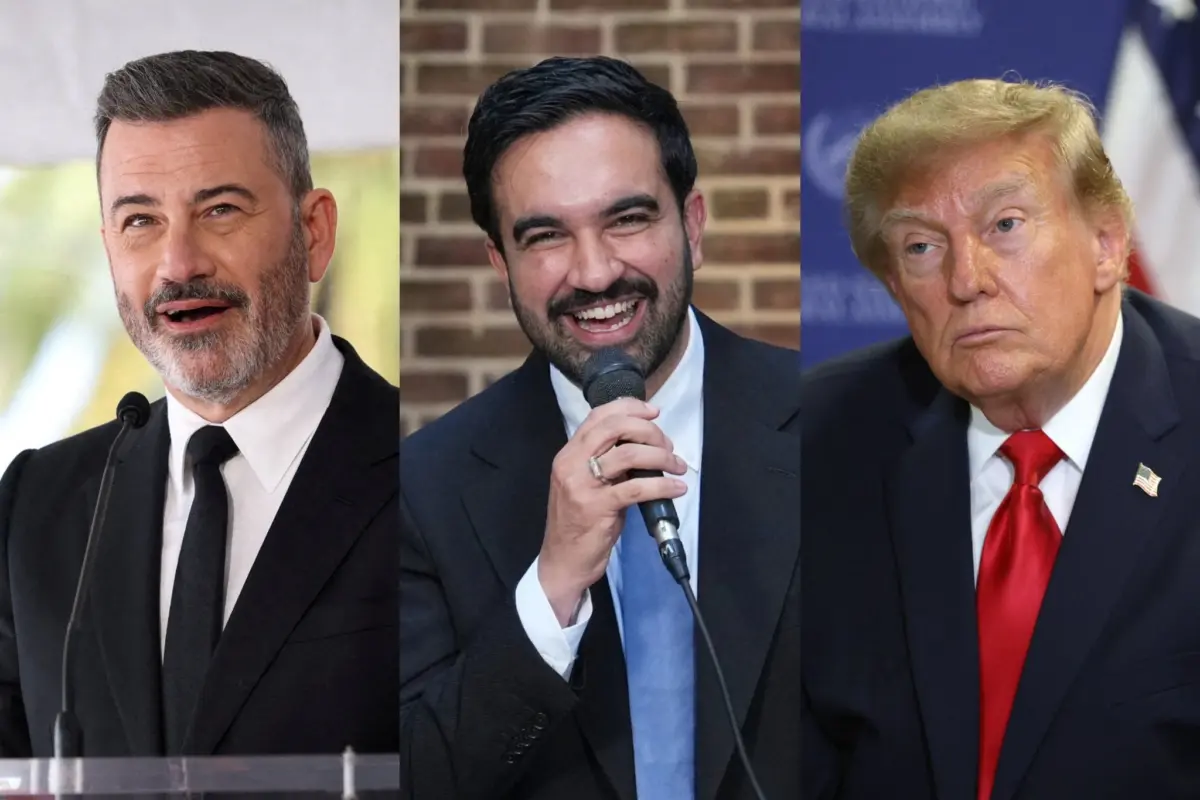
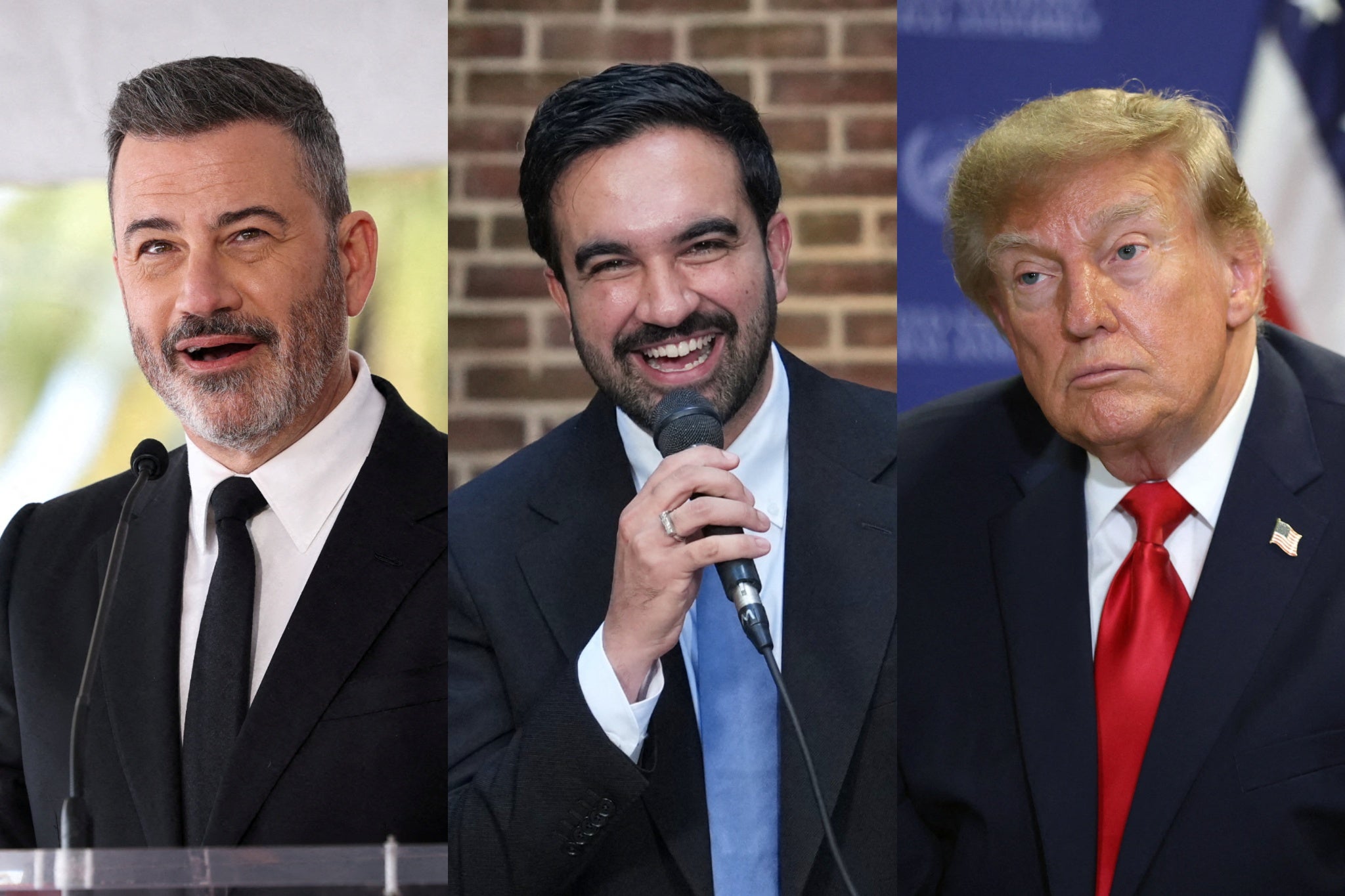
In an era defined by hyper-polarized politics and performative social media moments, New York City Mayor Zohran Mamdani demonstrated a masterclass in political discipline during a recent appearance on Jimmy Kimmel Live!. Invited to participate in a late-night stunt that could have upended his delicate working relationship with President Donald Trump, the democratic socialist mayor drew a sharp line between entertainment and governance. When host Jimmy Kimmel playfully requested permission to text the president a real-time selfie of the two men, Mamdani issued a swift and definitive refusal, immortalized by the retort: "Jimmy, I love you, but I love housing more."
The lighthearted yet telling exchange highlights the high-stakes tightrope walk defining Mamdani’s tenure at Gracie Mansion. While political pundits and late-night comedians view the rapport between a progressive municipal leader and a populist Republican president as an eccentric anomaly, Mamdani treats it as a vital municipal utility. Behind the closed doors of their recent high-profile meeting, and through sporadic direct communications, the two leaders have carved out a pragmatic channel focused on local infrastructure, urban revitalization, and federal support for vulnerable New York communities.
This article examines the intersection of late-night satire and heavy-duty municipal politics, charting the background of the Mamdani-Trump dynamic, the contrasting tensions between Kimmel and the White House, and the broader implications of a progressive mayor prioritizing policy outcomes over ideological posturing.
Detailed Chronology: From Closed-Door Diplomacy to Late-Night Comedy
The Gracie Mansion Summit
The foundation of the current political fascination was laid last week when President Donald Trump made a surprise, high-security visit to Gracie Mansion for a closed-door summit with Mayor Mamdani. Despite stark ideological divergences—ranging from federal tax policy to social welfare programs—the meeting yielded an unexpectedly warm public appearance on the mansion’s steps.
Addressing reporters assembled outside the mayoral residence, President Trump surprised observers by offering measured praise for the city’s leadership. "I have seen some great ones and some not so great ones. So hopefully, you’re going to be a great one," Trump remarked, looking toward the democratic socialist mayor. "I’ll be able to say you’re going to be a great one, and you’re off to a start."
This unexpected endorsement underscored a shared pragmatic streak. Rather than engaging in public sparring matches that have historically characterized federal-municipal relations in New York, both executives appeared eager to project an image of functional governance.
The Jimmy Kimmel Live! Appearance
Capitalizing on the media buzz surrounding the Gracie Mansion summit, Mayor Mamdani appeared as a guest on ABC’s Jimmy Kimmel Live! on Monday night. The interview quickly pivoted to the president, with Kimmel expressing bewilderment at the cordiality between two figures occupying opposite ends of the political spectrum.
Kimmel probed the origins of the relationship, asking: "Did you guys hit it off immediately or is it something that you really went into thinking, ‘OK, I need to have a relationship with the president of the United States, and I think the best way to do it is to charm him?’ How did you do that, and can you help me?"
Mamdani deflected the framing of personal charm, refocusing the conversation on the tangible needs of his constituents. "Sorry, brother," Mamdani replied. "The president and I have many disagreements. One thing we do agree on is this city, how much we love this city, so from that first meeting in November of last year, I was just thinking of how we can make this meeting not about us, but about New Yorkers."
The Selfie Rejection
As the interview progressed, Kimmel pressed further into the mechanics of their communication, asking whether the two leaders exchanged text messages.
Mamdani confirmed that communication occurs on an as-needed basis, noting, "From time to time we’re in communication, and it’s about Sunnyside Yard, and it’s about how we can deliver for the city." He further elaborated on substantive policy discussions, including federal cooperation regarding aid for Haitian New Yorkers.
Sensing a viral television moment, Kimmel made his pitch: "Can I text him a selfie of us right now?"
Recognizing that sending a jokey photograph to a notoriously mercurial president via a host actively feuding with the White House could instantly sabotage months of delicate diplomatic groundwork, Mamdani shut the idea down instantly. His deadpan response—"Jimmy, I love you, but I love housing more"—drew applause from the studio audience and cemented a viral boundary between modern media culture and effective municipal administration.
Supporting Context & Metrics: The Anatomy of a High-Stakes Partnership
The Stakes for New York City
To understand why Mayor Mamdani guarded his relationship with President Trump so fiercely, one must examine the fiscal and infrastructural realities facing New York City. As the nation’s largest municipality, NYC relies heavily on federal appropriations, transit grants, housing subsidies, and disaster relief funds.
- Sunnyside Yard Development: A massive prospective infrastructure and housing project in Queens, Sunnyside Yard requires complex coordination between municipal zoning authorities, state entities, and federal transit and environmental agencies. Securing federal buy-in or avoiding executive-level obstruction is crucial for visionary urban projects of this scale.
- Affordable Housing Initiatives: Mamdani’s signature platform centers on sweeping housing reforms and tenant protections. Federal housing grants and partnership programs managed through the Department of Housing and Urban Development (HUD) represent critical lifelines for municipal capital budgets.
- Immigrant Community Support: With diverse populations—including significant Haitian communities requiring targeted federal assistance—municipal leaders must navigate immigration policy enforcement and humanitarian aid channels managed by federal departments.
The Contrast: Kimmel vs. The White House
While Mayor Mamdani successfully navigates a working relationship with the Trump administration, host Jimmy Kimmel occupies the opposite end of the spectrum. Kimmel’s relationship with the executive branch is marked by deep-seated animosity and public friction.
Earlier this year, tensions boiled over when Trump publicly demanded to know when ABC intended to fire Kimmel. The backlash followed a controversial late-night monologue in which Kimmel joked that First Lady Melania Trump possessed the demeanor of an "expectant widow."
The situation escalated dramatically days later when a gunman attempted to breach security at the annual White House Correspondents’ Dinner—an event attended by both Donald and Melania Trump. In the wake of the security breach, the earlier joke resurfaced across social media, drawing fierce condemnations from administration officials, conservative commentators, and the First Lady herself, who characterized the commentary as irresponsible and incendiary.
Kimmel subsequently defended his monologue, asserting that it was intended as a harmless, lighthearted roast concerning the couple’s age difference and was "not, by any stretch of the definition, a call to assassination." Nonetheless, the cultural and political chasm between the late-night host and the Oval Office remains vast, making any association via a prank selfie a potential political liability for a sitting mayor trying to secure federal grants.
Official Statements and Public Reactions
The interplay between the municipal administration, the White House, and the entertainment industry has sparked widespread commentary across the political spectrum:
-
Mayor Zohran Mamdani (On prioritizing governance over optics):
"My job is not to win approval on late-night television; my job is to deliver affordable housing, transit solutions, and support to the millions of working-class New Yorkers who call this city home. If working with the White House means checking our egos at the door for the sake of Sunnyside Yard and our immigrant communities, that is a compromise I will make every single day."
-
Political Analysts (On the pragmatic pivot):
Commentators have noted that Mamdani’s approach represents a departure from traditional progressive playbook politics. By refusing to take the bait on Kimmel’s comedic provocation, Mamdani signaled a mature understanding of executive federalism—recognizing that ideological purity must sometimes take a backseat to securing concrete federal deliverables.
-
White House Insiders (On the Gracie Mansion meeting):
While formal readouts remain disciplined, sources close to the administration have expressed surprise and cautious optimism regarding Mamdani’s professional demeanor during closed-door negotiations, contrasting his policy-focused approach with more theatrical partisan posturing.
Future Outlook: Navigating the Intersection of Policy and Populism
As Mayor Mamdani’s term progresses, the durability of his working relationship with President Trump will undoubtedly face further tests. The American political landscape remains volatile, and managing a cross-ideological alliance requires constant vigilance against sudden media storms and partisan pressures.
However, the Gracie Mansion summit and the subsequent defense of that relationship on national television indicate a clear strategic roadmap for the mayoral administration. By drawing a bright line between the demands of entertainment television and the sober responsibilities of urban governance, Mamdani has shown that he is willing to absorb comedic ribbing if it preserves his primary mandate: fighting for the housing, infrastructure, and future of New York City.
As the dust settles on the Jimmy Kimmel Live! exchange, one reality remains clear: in the high-stakes chess match of modern American politics, Zohran Mamdani has proven that he knows when to play the comedian’s straight man—and when to put housing above a headline.