Executive Overview
To trace the trajectory of modern independent music over the past decade is to bear witness to a landscape defined by radical reinvention, grassroots resilience, and a profound cultural reckoning. As independent record institutions navigate the shifting paradigms of digital consumption, physical media has undergone an unprecedented renaissance. At the epicenter of this movement stands Rough Trade—a cultural touchstone that has spent the last fifty years championing the avant-garde, the outsider, and the defiantly independent.
Marking half a century of curatorial excellence, the institution’s latest retrospective turns its lens toward the tumultuous, brilliant decade spanning 2016 to 2025. This era began with the profound cultural shockwave of David Bowie’s final parting gift, Blackstar, and wound its way through a post-genre explosion: from the smoky, subterranean corners of Brixton’s Windmill venue and the hyperpop maximalism of the early 2020s, to monumental legacy returns and the enduring triumph of vinyl culture.
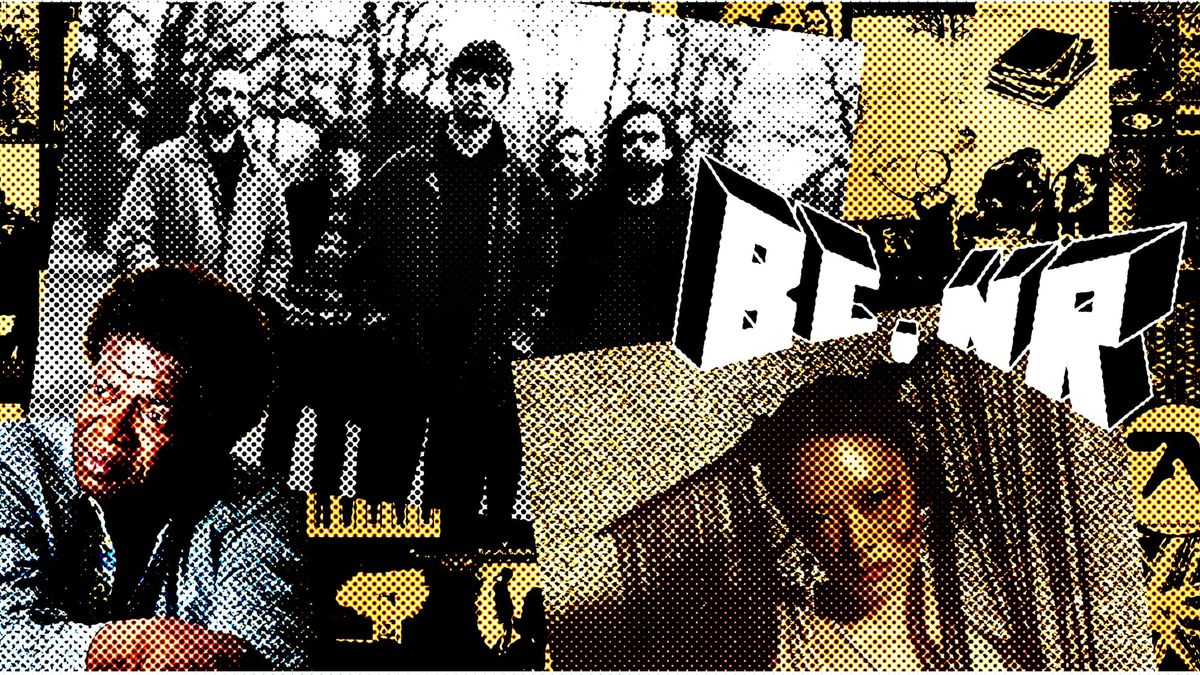
This comprehensive review explores how indie music transformed from localized guitar-band revivals into a borderless, fluid conversation, underpinned by landmark releases, community spaces, and the enduring magic of the record store counter.
Detailed Chronology: The Defining Records (2016–2025)
As part of its landmark 50th-anniversary celebrations, Rough Trade curated a definitive collection of fifty records—one for each year of operation. The final chapter of this collection captures an era of immense artistic turbulence, cataloging the definitive albums that captured the pulse of contemporary culture between 2016 and 2025.
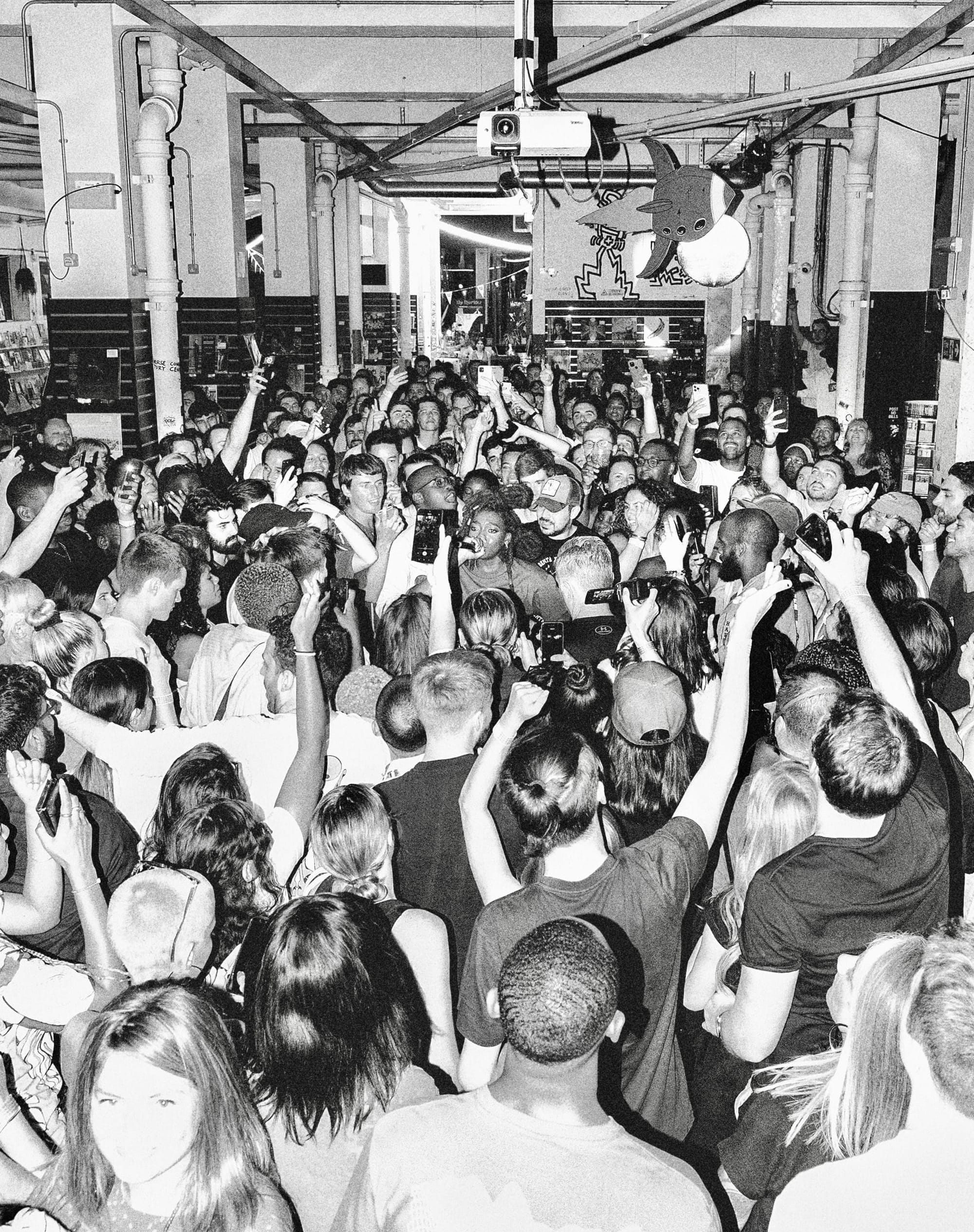
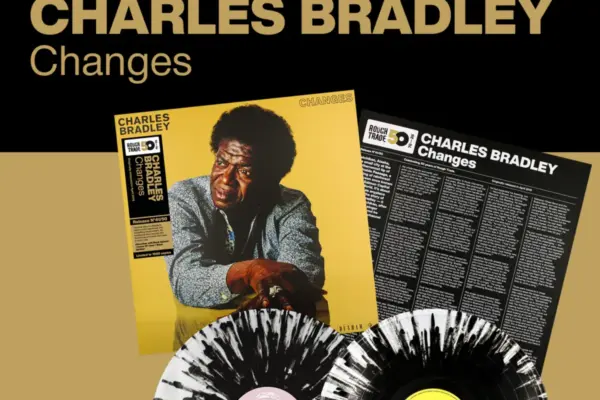
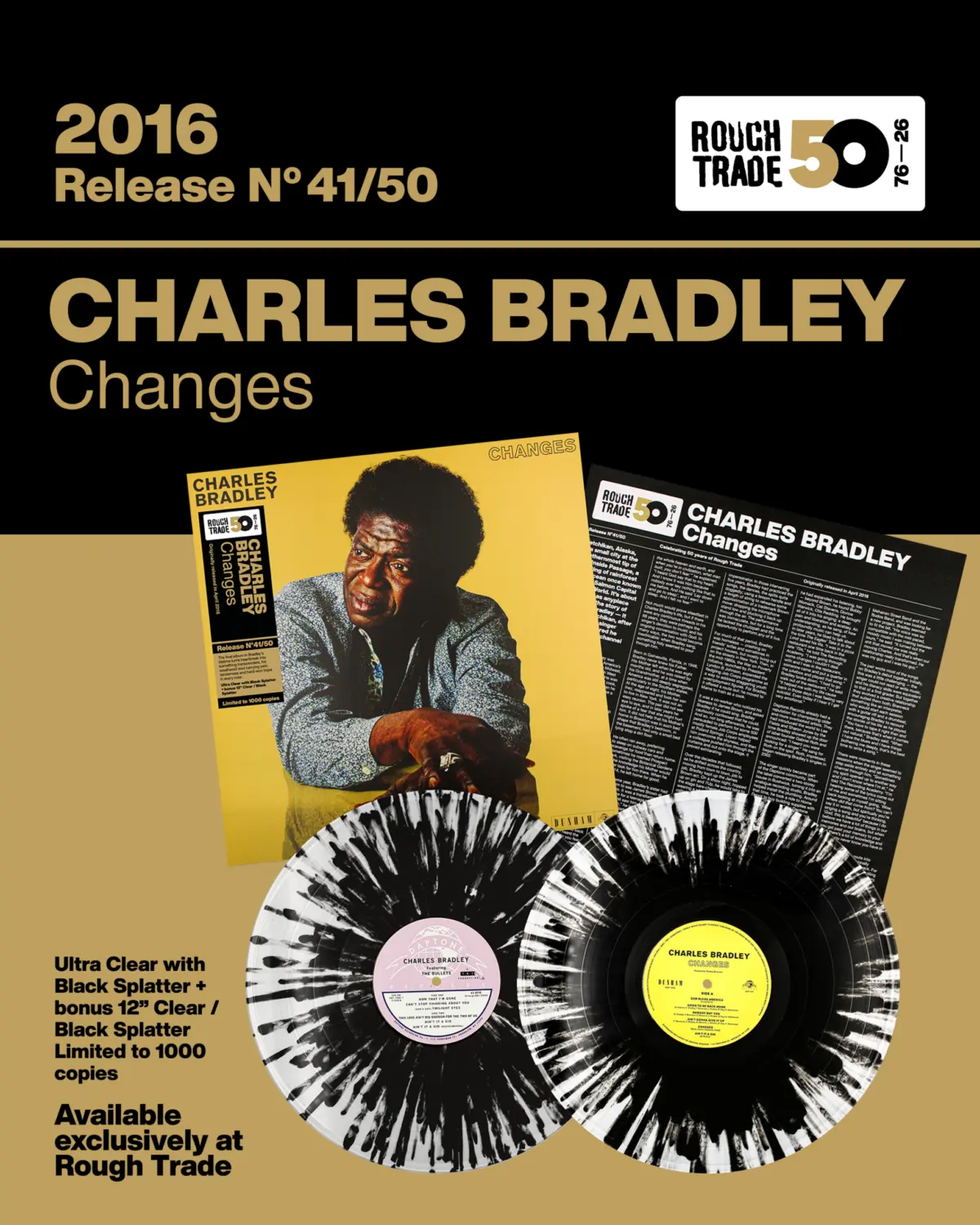
2016: Charles Bradley – Changes
The decade opened under the heavy emotional weight of loss and survival. Nicknamed "The screaming eagle of soul," Charles Bradley was a once-in-a-generation talent whose every rasp, howl, and vocal break carried the profound weight of an extraordinary life story. Having spent stretches of time homeless, lost his first band when its members were drafted into the Vietnam War, and suffered the tragic murder of his brother, Bradley finally found his calling later in life. Discovered at age 62 by Gabriel Roth (co-founder of Daptone Records) while performing as a James Brown impersonator, Bradley channeled decades of hardship into his art.
Released in 2016, Changes serves as a powerful showcase for the late soul singer’s raw, lived-in voice. Drawing on classic soul, funk, and gospel, the album’s celebrated title track—a cover of Black Sabbath’s Changes—stands as one of Bradley’s signature achievements, transforming an already great original into something deeply stirring and intensely personal. It cemented his legacy as one of modern soul’s most compelling voices.
2017: IDLES – Brutalism
When the debut album from Bristol five-piece IDLES arrived in record racks, it hit with the force of a clenched fist. Addressing themes of grief, toxic masculinity, class disparity, and societal frustration with uncommon directness, Brutalism announced a band with plenty to say and zero interest in whispering. It laid the groundwork for a fierce, community-driven movement that would redefine British guitar music for the rest of the decade.
2018: Confidence Man – Confident Music For Confident People
Proving that indie culture could embrace unbridled hedonism, Brisbane’s Confidence Man delivered a masterclass in 90s Ibiza danceability, camp lyricism, electro-punk synths, and disco beats. Hilariously tongue-in-cheek and relentlessly upbeat, the record demanded that listeners cast off their cynicism and hit the dancefloor. With this debut, the band established themselves as ultimate festival-fillers and pop provocateurs.

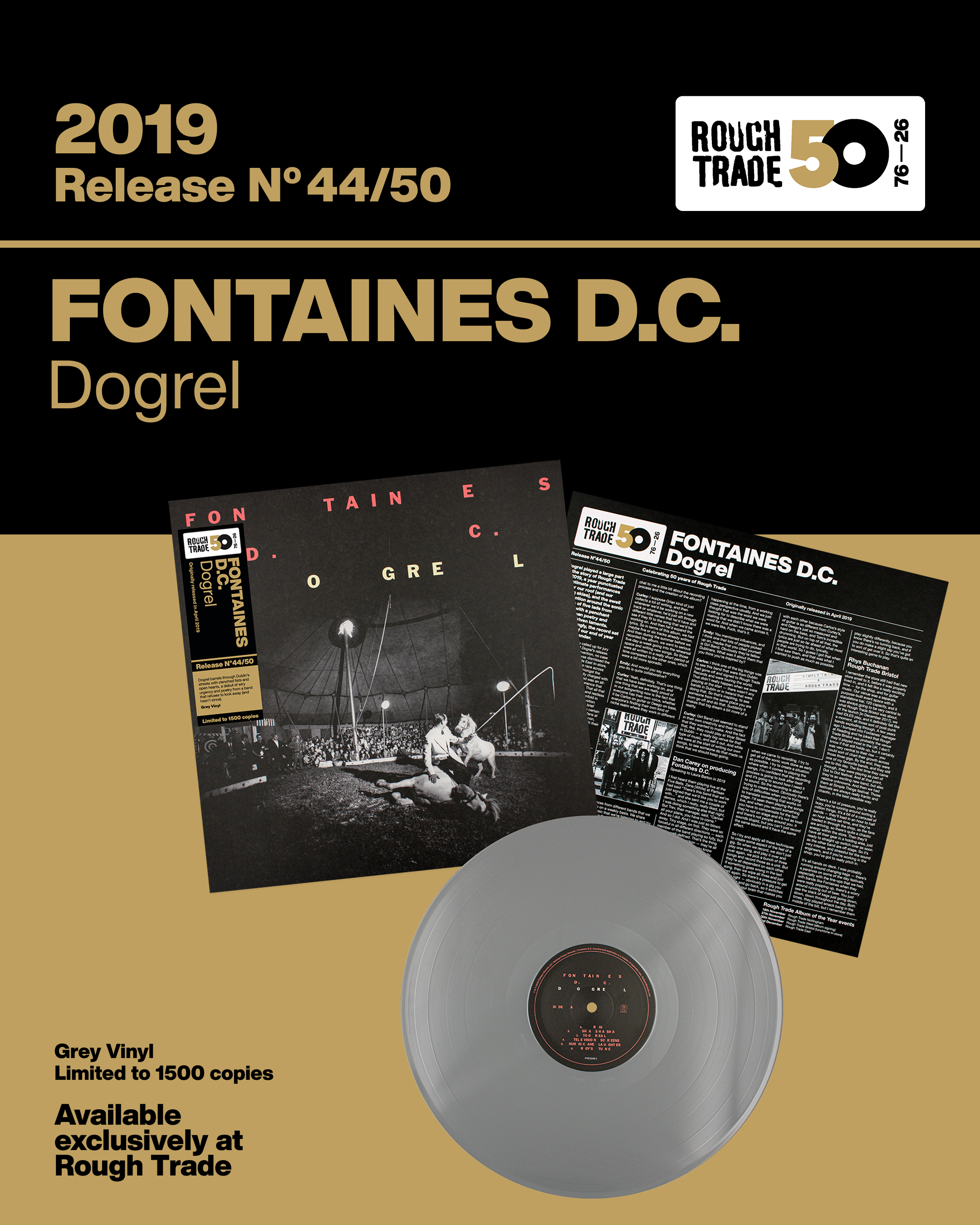
2019: Fontaines D.C. – Dogrel
Whispers of a formidable new post-punk outfit had been circulating through the industry, but the arrival of Fontaines D.C.’s Dogrel sparked something entirely electric. Moving from the pavements of Notting Hill to the top of end-of-year lists, the album was an urgent, insistent, and powerful debut. Part poetic brawl, part slick-witted masterpiece, it showcased five musicians who possessed an innate understanding of tension, release, and narrative urgency.
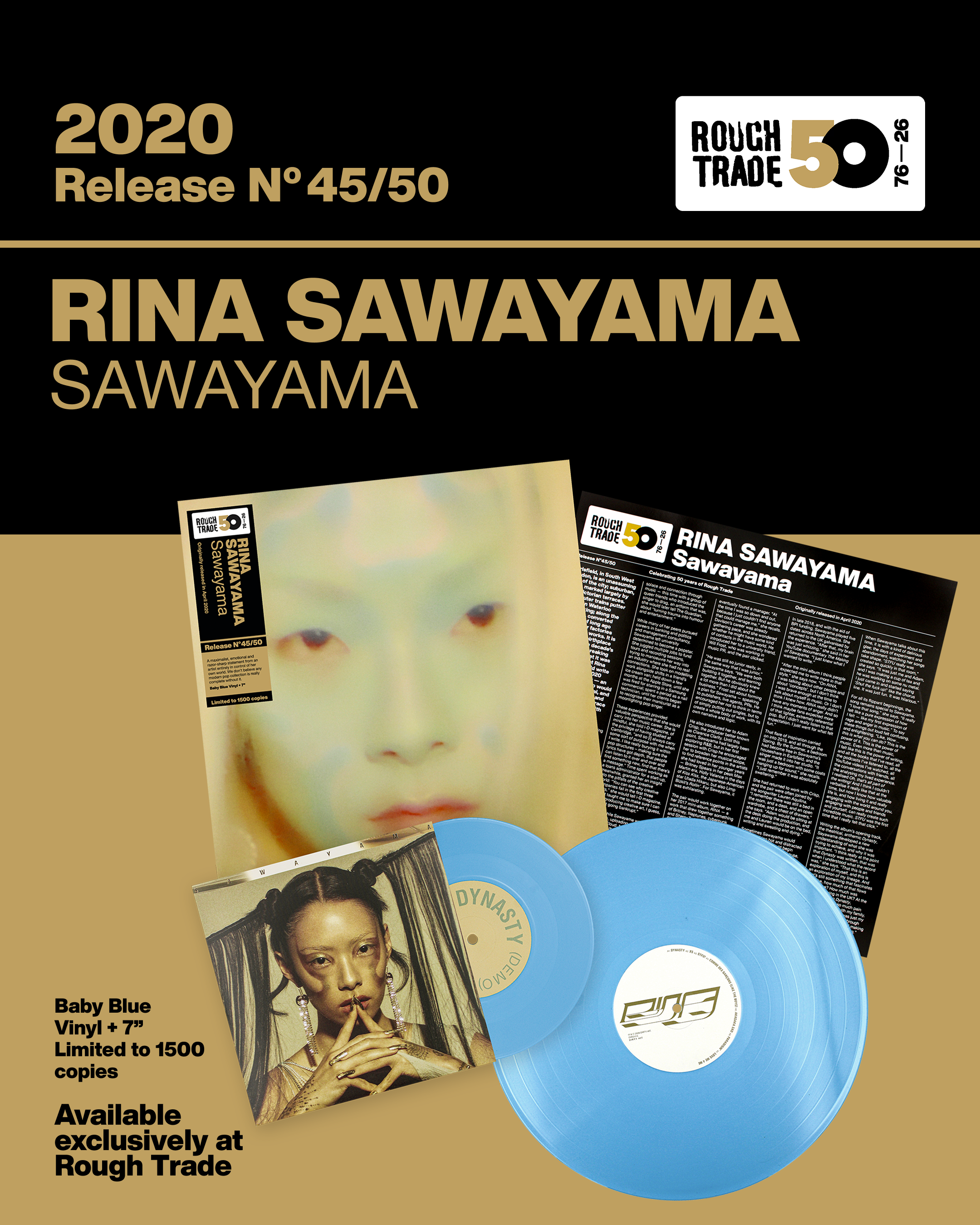
2020: Rina Sawayama – SAWAYAMA
As maximalist hyperpop began to distort the boundaries of 2000s dance-pop and bubblegum aesthetics, Rina Sawayama shattered the mold entirely. SAWAYAMA is a hugely ambitious collision of pop, nu-metal, R&B, rock, and electronic music, punctuated by electrifying guitar solos and ultra-synthetic production. Exploring identity, family, capitalism, and the immigrant experience, tracks like XS demonstrated an uncanny ability to merge nostalgic pop structures with cutting-edge sonic ambition.

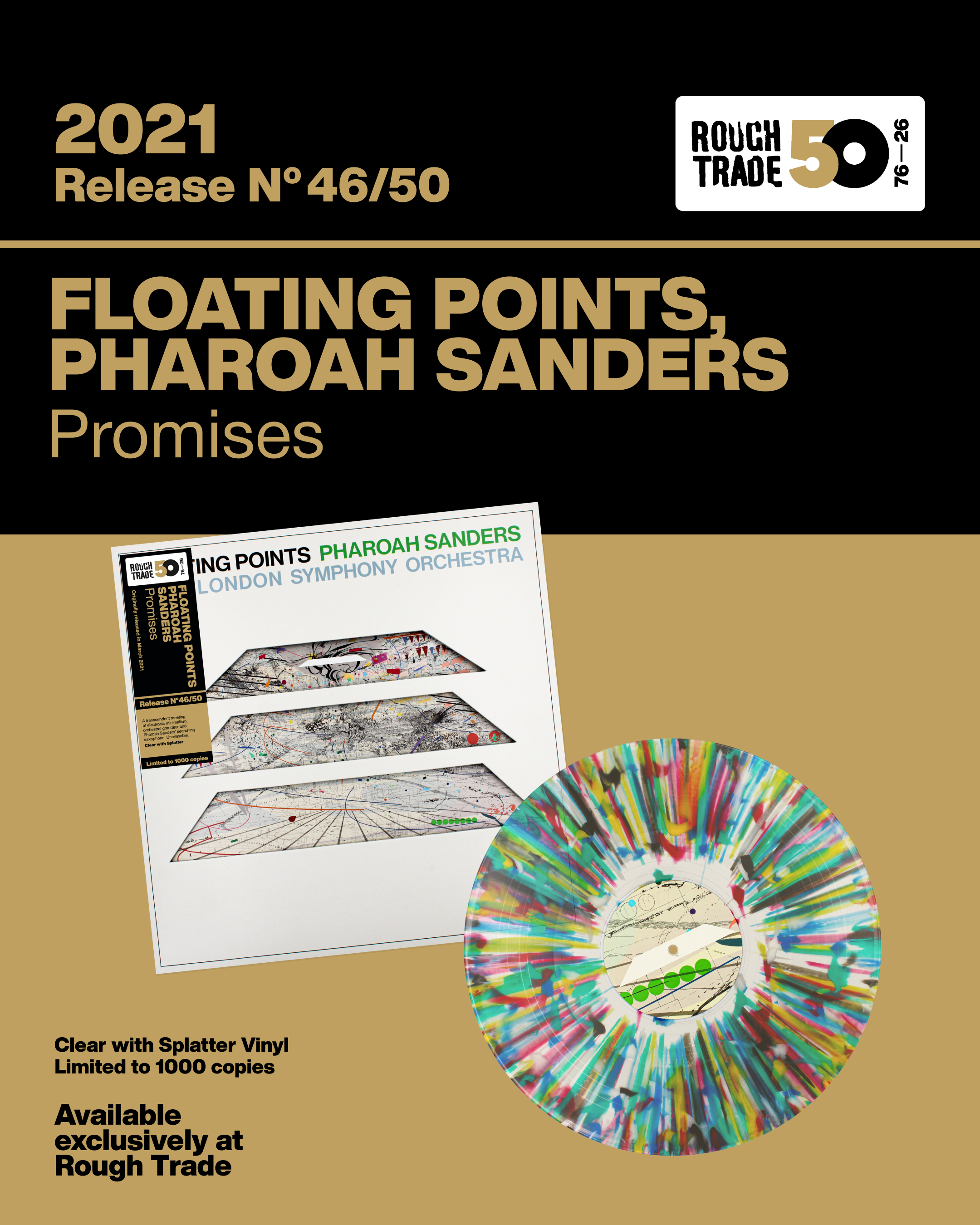
2021: Floating Points, Pharoah Sanders, & The London Symphony Orchestra – Promises
Conceived during the isolating quiet of the 2019 pandemic, Promises remains one of the decade’s most breathtakingly unexpected releases. It united a pioneer of mid-century free jazz, a revered electronic producer, and the world-renowned London Symphony Orchestra. Across nine connected movements, the album favored patience, focus, and minimalism over high-energy electronics. The unification of Pharoah Sanders’ saxophone with Ben Shepherd’s ambient production offered a poignant, majestic final career masterpiece for the late, great Sanders.
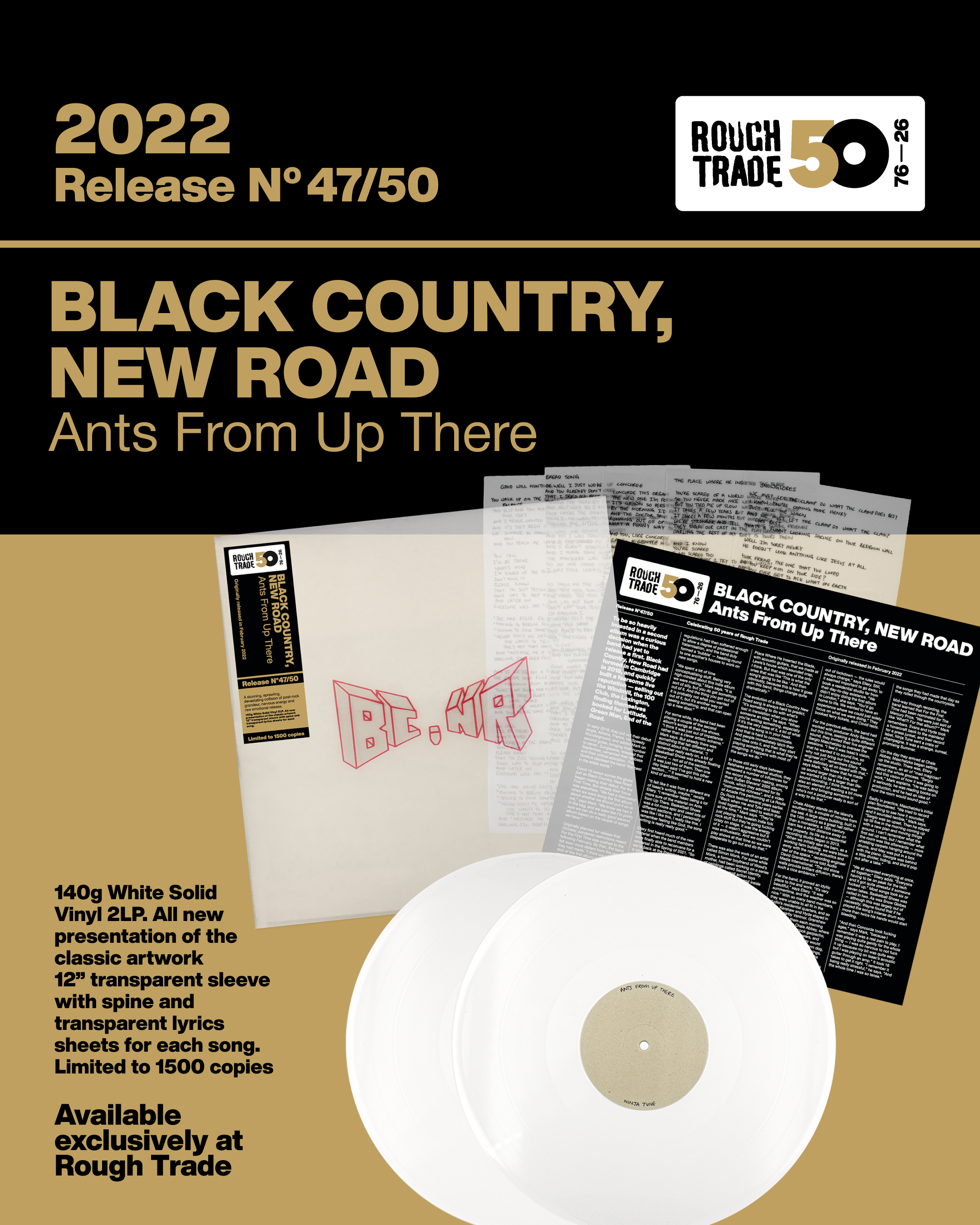
2022: Black Country, New Road – Ants From Up There
Undoubtedly the emotional pinnacle of 2022, Black Country, New Road’s sophomore effort stands as a towering achievement. Isaac Wood’s vulnerable, theatrical vocals paired with the band’s grandiose instrumentation produced one of the most powerful and bitterly beautiful break-up records of the generation. Arriving as a gut-wrenching farewell—Wood departed the group just days before release—it remains the crown jewel of the South London Windmill scene.
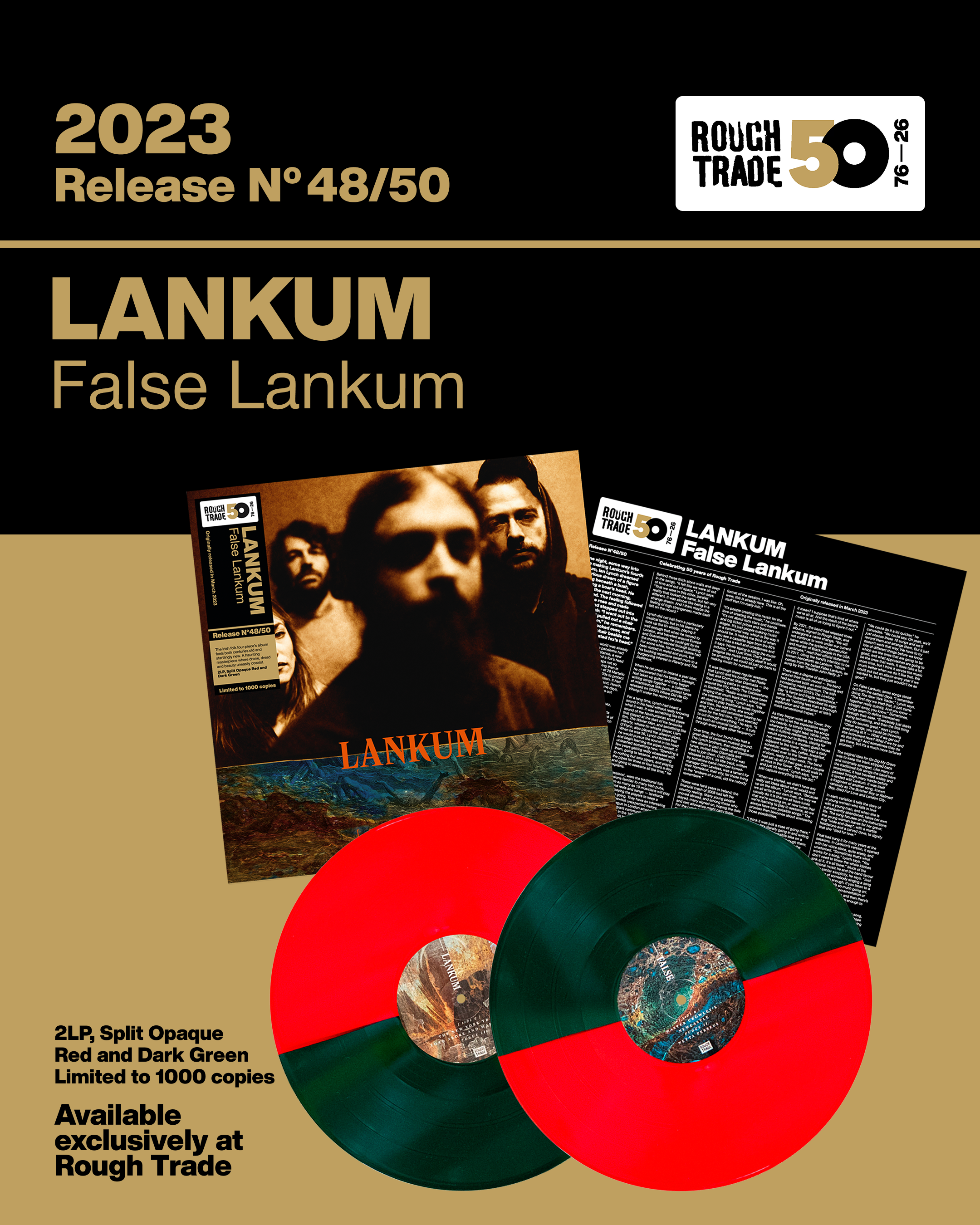
2023: Lankum – False Lankum
Irish folk experimentalists Lankum proved that boundary-pushing art could remain deeply rooted in centuries of tradition. Released via Rough Trade Records, False Lankum enveloped listeners in heavy drones, mechanical distortion, and Radie Peat’s haunting, ancestral vocals. The resulting twelve tracks evoked an addictive, dark unease, expertly bridging historical folk idioms with contemporary sonic dread.
2024: MJ Lenderman – Manning Fireworks
Mark Jacob Lenderman quickly solidified his status as one of alt-country’s most vital voices. By blending the mundanities of everyday life with wry, self-deprecating humor, Lenderman addressed materialism, Catholicism, heartbreak, and isolation. Manning Fireworks packaged these observations into a masterclass of modern Americana songwriting, securing his place as a generational talent.
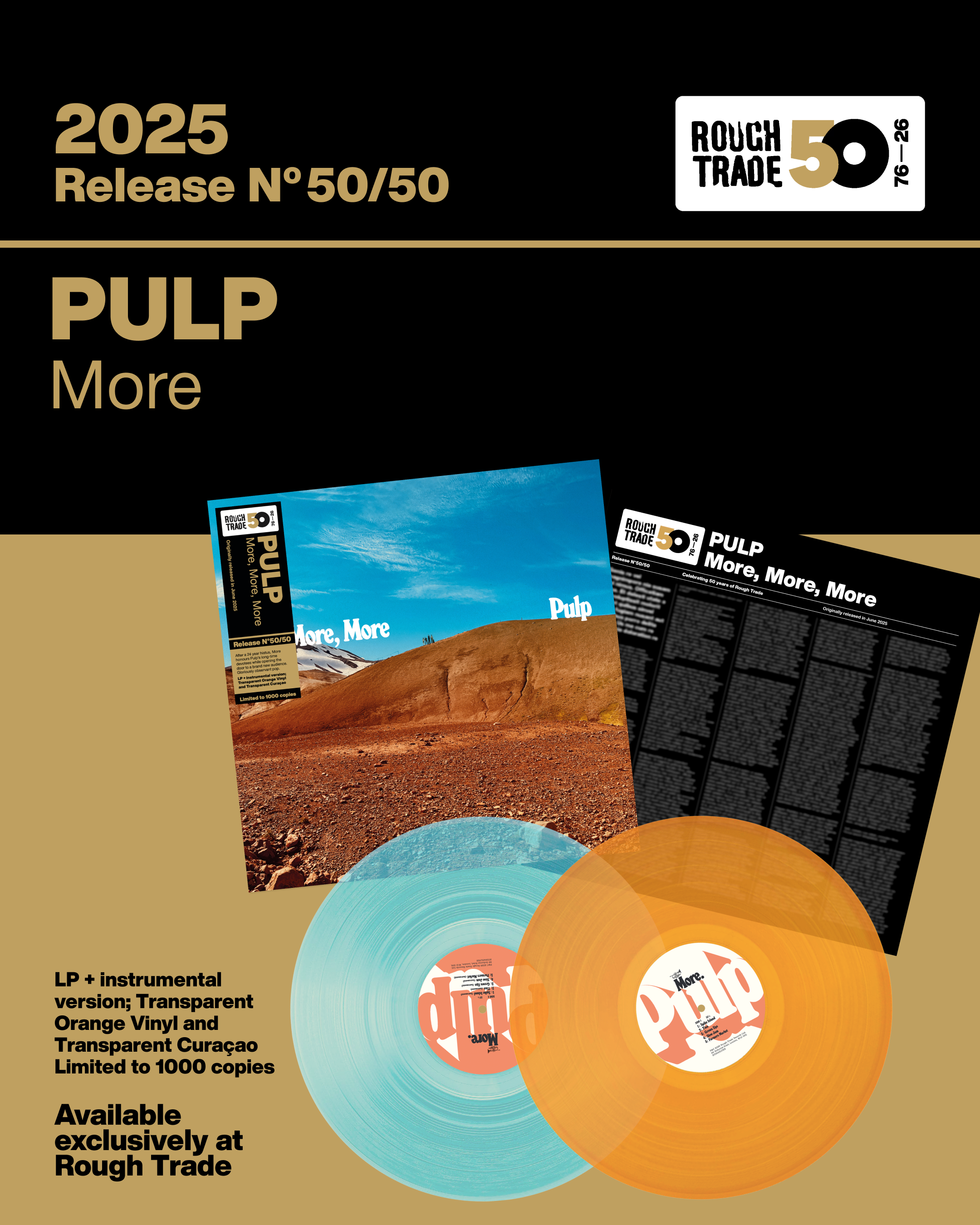
2025: Pulp – More
Marking a remarkable return after nearly 24 years away from the studio, Pulp’s More proved that Britain’s most distinctive art-pop outfit had lost none of their edge. Jarvis Cocker’s observational lyricism remained as sharp, eccentric, and characterful as ever, embracing a mature perspective while retaining the classic Britpop cocktail of melancholy, romance, and everyday absurdity.
Supporting Context & Metrics: The Shifting Ecosystem of Independent Music
The narrative of independent music between 2016 and 2025 cannot be divorced from the physical spaces and communities that nurtured it. While digital streaming platforms and algorithmic discovery tools like TikTok frequently dictated mainstream charts, the physical music market experienced a sustained, robust resurgence.
The Grassroots Engine
In London, the cultural epicenter crystallized around Brixton’s Windmill pub. A fertile grassroots community fostered the explosive rise of acts like Goat Girl, Shame, black midi, Squid, Jockstrap, and Black Country, New Road. Often casually lumped under the reductive banner of ‘post-Brexit new wave,’ these artists shared a unified appetite for subverting traditional guitar music into something strange, theatrical, and unpredictable. Concurrently, the spoken-word delivery style known as Sprechgesang infiltrated the indie lexicon, defining the dry, sociological observations of Yard Act and Dry Cleaning, while Isle of Wight duo Wet Leg enjoyed a meteoric rise to global prominence.
This was mirrored internationally. New York’s Bodega injected wiry art-punk into the discourse, Stockholm’s Viagra Boys channeled deadpan absurdity, and Melbourne’s Amyl and the Sniffers delivered full-throttle pub rock—cemented forever by legendary early in-store appearances at Rough Trade East.
Retail Expansion in a Digital Age
Rather than retreating in the face of digital saturation, independent record stores doubled down on physical experiences. Over the past decade, Rough Trade expanded its global and domestic footprint, opening destination hubs in Bristol, Liverpool, Berlin, and Nottingham, while relocating Rough Trade NYC from Brooklyn to Manhattan. These spaces functioned not merely as retail outlets, but as cultural melting pots where artists, labels, and fans intersected through live in-store performances, exclusive vinyl pressings, and direct community engagement.
Official Statements & Industry Reflections
Reflecting on the decade, the team at Rough Trade emphasize that the core magic of running an independent record store remains unchanged, regardless of how large the venues or crowds become.
"There are few better pleasures in running a record store than seeing something genuinely exciting flourish. The venues get bigger, the crowds wilder and the records more ambitious, but that first spark of discovery remains much the same."
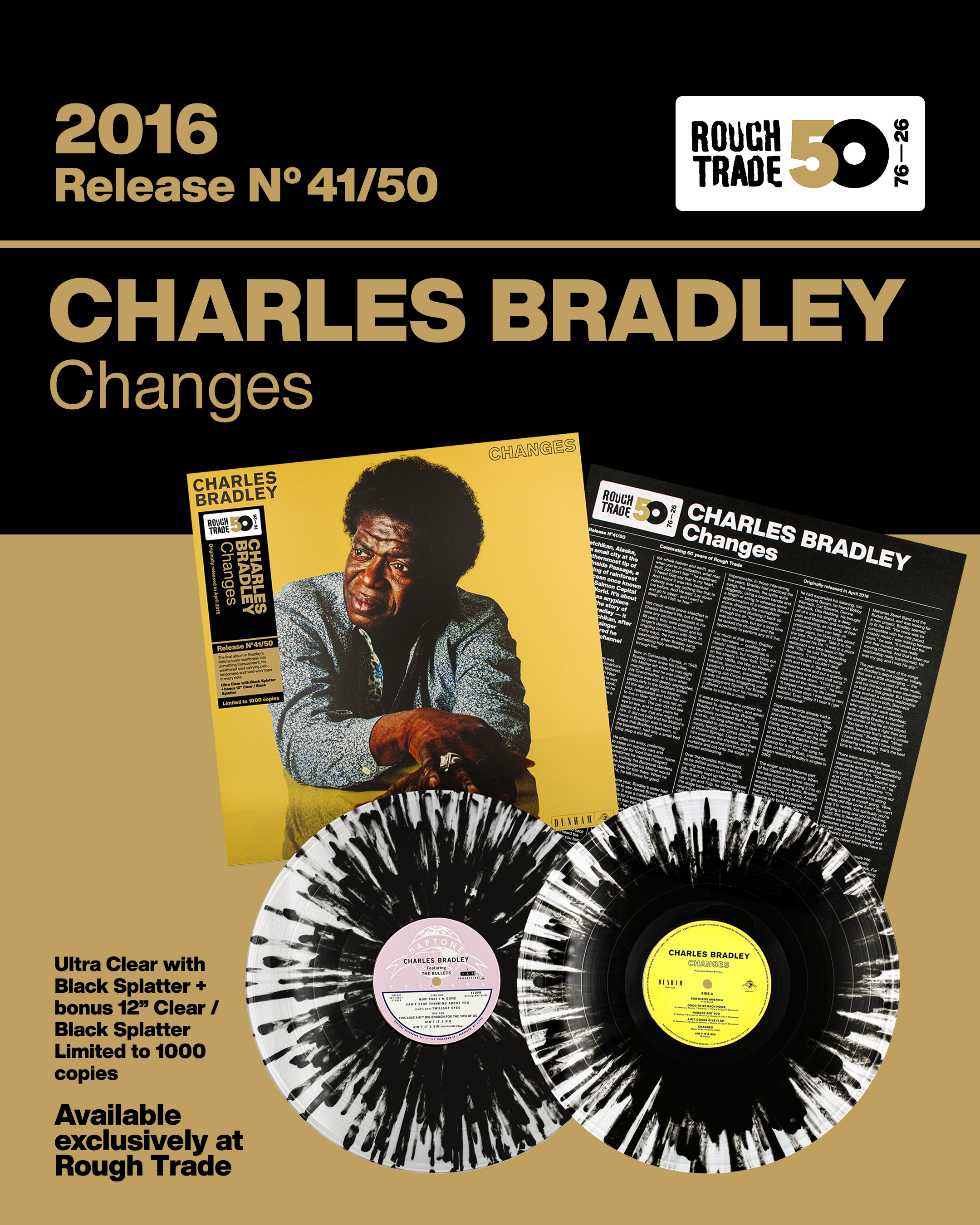
This sentiment is echoed in the journeys of artists like Little Simz, whose steady ascent to the pinnacle of independent rap—highlighted by a stunning run of records including GREY Area and Sometimes I Might Be Introvert—culminated in an intimate 2021 live performance at Rough Trade East. Capturing an artist at the height of their creative powers in a room filled with passionate fans encapsulates the ultimate mission of independent music retail: creating a space where curiosity is rewarded, and where a simple recommendation across a counter can change a listener’s life.

Future Outlook: The Next Fifty Years
As Rough Trade looks beyond its milestone 50th anniversary, the landscape of independent music is defined by a distinct lack of borders. The rigid divisions separating pop, electronic music, rap, and the avant-garde have largely dissolved, catalyzed by visionary artists like the late SOPHIE and sustained by cultural disruptors like Charli xcx, whose world-building around BRAT unified music, fashion, language, and community into an inescapable cultural footprint.
Simultaneously, the appetite for physical media continues to climb. Even as algorithms attempt to curate human taste, the tactile ritual of holding an LP—reading the liner notes, inspecting the gatefold art, and placing the needle on the groove—offers an irreplaceable human connection.
Fifty years after opening its doors for the first time, independent music proves that while technology may change how we find our favorite songs, the desire for physical community, shared spaces, and deep sonic exploration remains as vital as ever. There has truly never been more to discover.