Executive Overview
The contemporary musical landscape thrives at the intersections of structural discipline and unbridled improvisation. In an era dominated by hyper-compressed, algorithmic pop outputs, a vital counter-movement continues to gain momentum across international underground scenes. This movement embraces the unorthodox, the ephemeral, and the deeply personal.
From the polymetric pulse minimalism of Play Time to the dark, pagan-folk liturgy of Swedish artist Sara Parkman, and from the fluid poetry of Mariam Wallentin’s collaboration with the Vestnorsk Jazzensemble to the radical acoustic physics of Terje Isungset’s melting ice instruments, experimental music is currently undergoing a profound re-evaluation of texture, material, and time.
This report explores the latest developments in this vibrant ecosystem. We examine newly dropped mixtapes, landmark debut records, and boundary-pushing releases from prominent European labels like Hubro, shedding light on the artists who refuse to conform to standard industry templates. Through an investigative lens, we trace the creative origins, philosophical underpinnings, and physical realities of these boundary-pushing sonic explorations.
Detailed Chronology & Creative Genesis
The past week has seen an unprecedented convergence of major experimental releases and curated mixtapes capturing the attention of avant-garde purists and curious listeners alike. The timeline of these developments highlights a broader industry shift toward cross-genre collaboration and material-driven sound design.
The Mixtape Phenomenon and Magic Object
Late last week, a critically acclaimed mixtape dropped into the digital ecosystem, curated to showcase the bleeding edge of contemporary folk, ambient, and avant-garde composition. Featuring a roster of visionary acts—including Ohtis, Martin Simpson, Good Habits, Garefowl, Shovel Dance Collective, Charlie Parr, Macdara Yeates, Powtes, Esther’s Mood Ring, Tomáš Niesner, Aldana Duoraan, Adela Mede & Štefan Szabó, Cathal Caulfield, and dbh—the release instantly resonated with audiences seeking depth and narrative-driven curation.
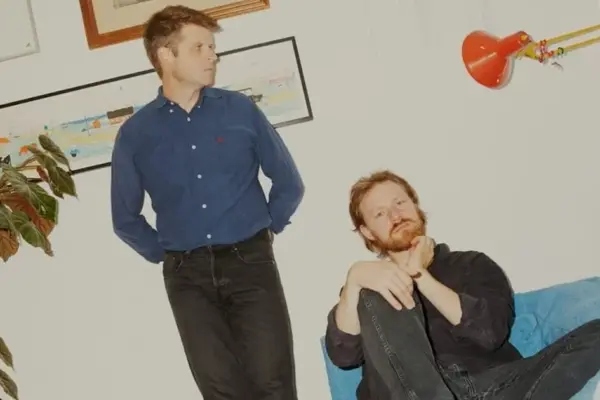
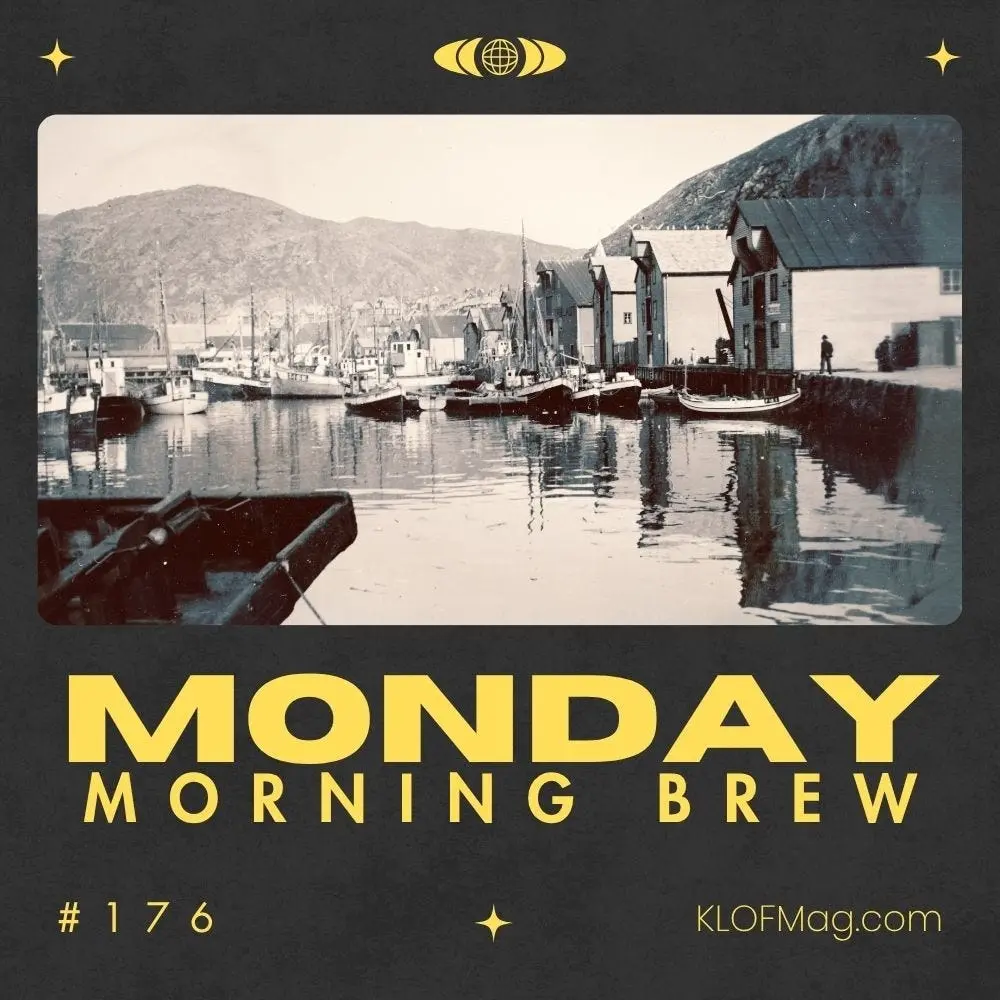
Building directly upon this momentum, the latest edition of the Monday Morning Brew opened with a striking composition from Magic Object, the debut studio album by Play Time. This newly formed avant-garde trio unites three heavyweights of contemporary instrumental music:
- Booker Stardrum (percussionist renowned for his work with SML, Photay, Lisel, Wendy Eisenberg, and Jefre Cantu-Ledesma)
- Will Epstein (saxophonist associated with Nicolás Jaar, Photay, DARKSIDE, and Dave Harrington)
- Ben Vida (synth player celebrated for collaborations with Marina Rosenfeld, YarnWire, Lea Bertucci, and Tyondai Braxton)
Described by critics as a polymetric blend of improvisation and pulse minimalism, Magic Object utilizes saxophone, drums, and vintage Moog synthesizers to forge a sonic identity entirely distinct from the members’ individual portfolios.
Evolution of Xylouris White and Aster, Atlas
Further cementing this era of restless creativity is the continuous evolution of Xylouris White. Following the release of their acclaimed album The Forest in Me, the duo—featuring Cretan lute master Giorgos Xylouris and legendary drummer Jim White—has continued to challenge audience expectations. Their single Red Wine (accompanied by a visually arresting music video directed by Anna White) exemplifies their methodology: traditional Greek dance structures are deconstructed by stolid, spare percussion, creating a minimalist framework that pulls the listener into an open, unpredictable acoustic expanse.
Concurrently, Swedish singer and multi-instrumentalist Sara Parkman released her fourth solo full-length, Aster, Atlas. Tackling grand thematic pillars such as mortality, faith, grief, and cyclical time, the album operates with a dark, uncanny theatricality. Inspired by the organic rhythms of botanical growth and decay, tracks like Svarta tråden (“The Black Thread”) merge gentle acoustic fingerpicking with subterranean electronics and operatic vocal arrangements. The resulting ambiguity—evoking Christian liturgy, black mass, and pagan ritual all at once—underscores the record’s profound cultural weight.
Supporting Context & Metrics: The Nordic Avant-Garde Pipeline
To understand the current resurgence of material-focused and improvisational music, one must examine the institutional and geographical framework that supports it—most notably, Norway’s vibrant jazz and experimental music ecosystem.
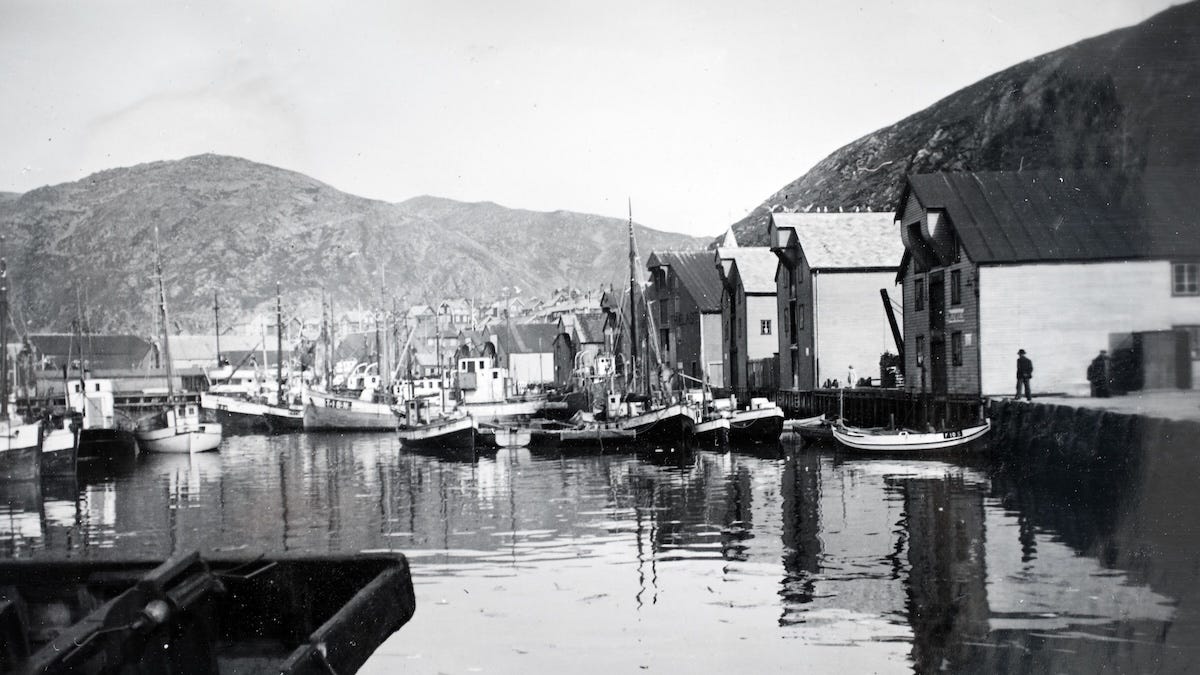
Independent labels such as Hubro have spent decades fostering a unique artistic climate where poetry, jazz improvisation, and environmental soundscapes merge effortlessly. A prime example of this ecosystem is Spring Flood, a June release by Mariam Wallentin & Vestnorsk Jazzensemble.
The Rhine Genesis
The conceptual foundation of Spring Flood traces back to the spring of 2023, during Wallentin’s residency in Basel, Switzerland. Stationed directly alongside the rushing waters of the Rhine River, Wallentin developed a suite of diary notes that would eventually form the lyrical and structural spine of the album.
"The Rhine flowed and murmured day and night outside the hotel, and the riverbank was covered with small flowers and trees already in bloom," Wallentin recalls. "And I encountered spring in a new place. I saw the green breaking through and the water rushing along, accompanied by entirely different scents and temperaments than at home… I alternated between documenting and imagining; about all the memories and lost treasures of the water, about the body’s longing and desire as the spring light reveals it — while the river remained in constant motion…"
This synthesis of geography, emotional topography, and large-ensemble jazz arrangement highlights how physical environment dictates contemporary composition in the Nordic sphere.
Official Statements & Case Study: The Physics of Ice Music
Perhaps no artist pushes the concept of material-driven music quite as far as Norwegian percussionist and composer Terje Isungset. Internationally recognized for pioneering Ice Music, Isungset’s work bridges environmentalism, sculpture, and avant-garde performance.
Commissioned by Nature
Commissioned in 1999 to perform deep inside a frozen Norwegian waterfall, Isungset abandoned traditional timber and brass in favor of instruments carved directly from blocks of ancient lake and glacier ice. His touring ensemble utilizes a bespoke taxonomy of instruments:
- Ice Horns: Delivering deep, resonant drone frequencies.
- Ice Percussion: Hand-carved drums utilizing frozen membranes.
- Ice Harps: String instruments anchored in dense ice frames.
- Iceofones: Percussive xylophones constructed entirely from calibrated ice slabs.
Because every block of ice possesses unique crystalline structures dictated by localized water purity and ambient freezing temperatures, acoustic properties vary wildly. No two instruments—and no two performances—are ever identical.
The Logistics of a Melting Stage
Touring with an ensemble of melting instruments presents monumental logistical challenges. To maintain structural integrity across international venues, Isungset and his crew travel with a dedicated mobile freezer unit: an industrial ice trailer.
When performing at historic venues such as St George’s Bristol in the United Kingdom, the instruments must remain inside sub-zero storage until moments before curtain time. Once exposed to stage lighting and ambient room temperatures, a dramatic physical transformation occurs:
- The Performance Window: As the instruments begin to melt mid-performance, their pitch, resonance, and acoustic decay rates shift in real-time.
- Dynamic Retuning: Musicians are forced to adapt on the fly, compensating for the altering weight and thickness of the vibrating ice.
- The Final Curtain: Over the span of a tour, the instruments physically shrink, ultimately vanishing into water—embodying the ultimate ephemeral art form where the medium literally consumes itself in the act of creation.
Future Outlook
As the music industry navigates a polarized landscape between hyper-commercial digital streaming and an underground craving for authenticity, the artists highlighted in this report point toward a compelling path forward.
The success of collaborative projects like Play Time, the uncompromising thematic depth of Sara Parkman, the cross-border fluidity of Mariam Wallentin, and the literal transience of Terje Isungset’s Ice Music demonstrate that listeners are hungry for work rooted in physical reality and profound artistic risk.
Moving into the upcoming quarters, industry analysts predict a continued surge in localized, label-backed physical releases—particularly on vinyl and specialized cassettes—that prioritize tactile interaction with music. As European incubators like Hubro and independent curators continue to champion boundary-breaking sound design, the avant-garde is poised not merely to survive, but to redefine what modern music can achieve both in the studio and on the stage.