In the ever-evolving landscape of contemporary and avant-garde music, curators face the perpetual challenge of highlighting authentic artistry in an era dominated by hyper-compressed, algorithmic pop. The latest edition of the Monday Morning Brew steps away from commercial homogeneity to explore a rich tapestry of boundary-pushing releases, cross-genre collaborations, and textural explorations.
This week’s curation follows a wildly popular mixtape drop featuring underground heavyweights and folk revivalists such as Ohtis, Martin Simpson, Good Habits, Shovel Dance Collective, and Charlie Parr. However, the core of this week’s editorial focus centers on distinct sonic auteurs: the polymetric minimalism of Play Time, the evolving traditionalism of Xylouris White, the darkly magical folk of Sweden’s Sara Parkman, the poetic improvisations of Mariam Wallentin & Vestnorsk Jazzensemble, and the ephemeral, climate-bound acoustic artistry of Norwegian percussionist Terje Isungset.
Far from background listening, these releases demand active engagement. They represent a global snapshot of musicians wrestling with deep themes—faith, grief, transience, the natural world, and physical memory—utilizing instrumentation that ranges from Moog synthesizers and modified lutes to fragile, melting instruments carved from ancient glacial ice.
Detailed Chronology: A Week in Avant-Garde Curation
1. The Mixtape Precursor & The Play Time Debut
The week’s audio journey began late last week with a surprise mixtape release that quickly gained traction among underground music enthusiasts. Curated to bridge traditional folk sensibilities with contemporary composition, the playlist featured contributions from acoustic blues stalwarts, folk-experimentalists, and global folk voices, including Macdara Yeates, Tomáš Niesner, and Aldana Duoraan.
Building on that momentum, the Monday Morning Brew opened with a stark left turn: Magic Object, the debut album from Play Time.
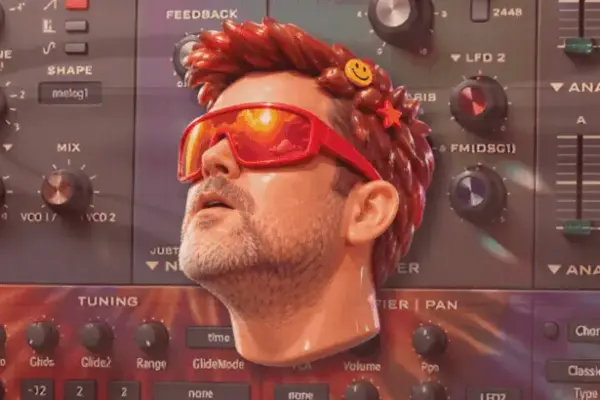
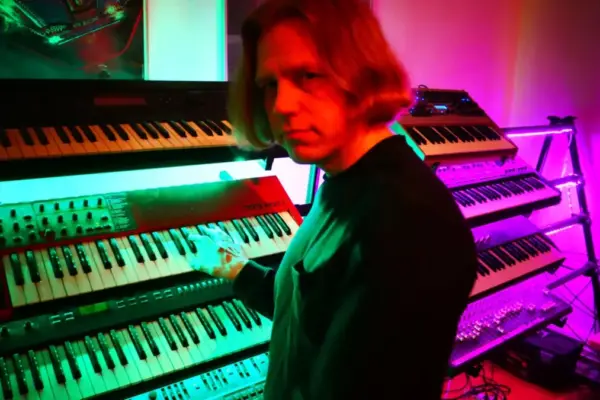
- The Ensemble: The trio consists of percussionist Booker Stardrum (known for his work with SML, Photay, and Lisel), saxophonist Will Epstein (collaborator with Nicolás Jaar and DARKSIDE), and synth player Ben Vida (haunted by experimental credits with Marina Rosenfeld and Tyondai Braxton).
- The Sound: Described by critics as a polymetric fusion of improvisation and pulse minimalism for saxophone, drums, and Moog synthesizer, Magic Object defies the individual pedigree of its members, forging a collective language that feels completely unmoored from their respective side-projects.
2. Xylouris White and the Evolution of Tradition
Moving from urban minimalism to transnational folk-rock deconstruction, the newsletter spotlighted Xylouris White—the duo comprising Cretan lute master Giorgos Xylouris and Australian minimalist percussionist Jim White (Dirty Three).
Reviewing their ongoing evolution through the lens of their latest album, The Forest in Me (and its single Red Wine with a companion video by Anna White), the curation highlighted how traditional Greek dance structures are stretched and warped. Jim White’s sparse, stolid percussion deliberately plays against type, carving out an expansive, open sonic landscape that draws Giorgos Xylouris’s rapid-fire lute lines into haunting new territory.
3. Sara Parkman’s Dark Nordic Folklore
Shifting northward to Sweden, the spotlight fell upon violinist, singer, and composer Sara Parkman. Her fourth solo album, Aster, Atlas, dives headfirst into heavy existential themes: life, death, faith, grief, and chronological decay.
Parkman’s work on tracks like Svarta tråden ("The Black Thread") blends gentle acoustic fingerpicking with unsettling, subtle electronic textures and soaring, operatic vocal flourishes. The inclusion of a liturgical-style choir introduces a delicious ambiguity: is the listener experiencing a Christian mass, a pagan ritual, or a modern black metal-adjacent black mass? Parkman leaves the answer deliberately unresolved, matching the unpredictable rhythms of a decaying garden.
4. Mariam Wallentin, the Rhine, and the Hubro Sound
Exploring the Norwegian jazz and experimental scene, the spotlight turned to Spring Flood, a collaborative release between vocalist Mariam Wallentin and the Vestnorsk Jazzensemble via the adventurous Norwegian label Hubro.
Conceived during Wallentin’s residency in Basel in the spring of 2023, the album draws directly from the sonic environment of the rushing Rhine River. Wallentin’s diary notes—transforming the constant murmur of water, blooming riverbanks, and memories of lost treasures into lyrical and musical motifs—serve as the structural blueprint for a suite where improvisation, poetry, and vivid imagery merge seamlessly.
5. Terje Isungset and the Ephemeral Art of Ice Music
The crown jewel of this week’s avant-garde exploration is Norwegian percussionist and composer Terje Isungset, a pioneer of Ice Music.
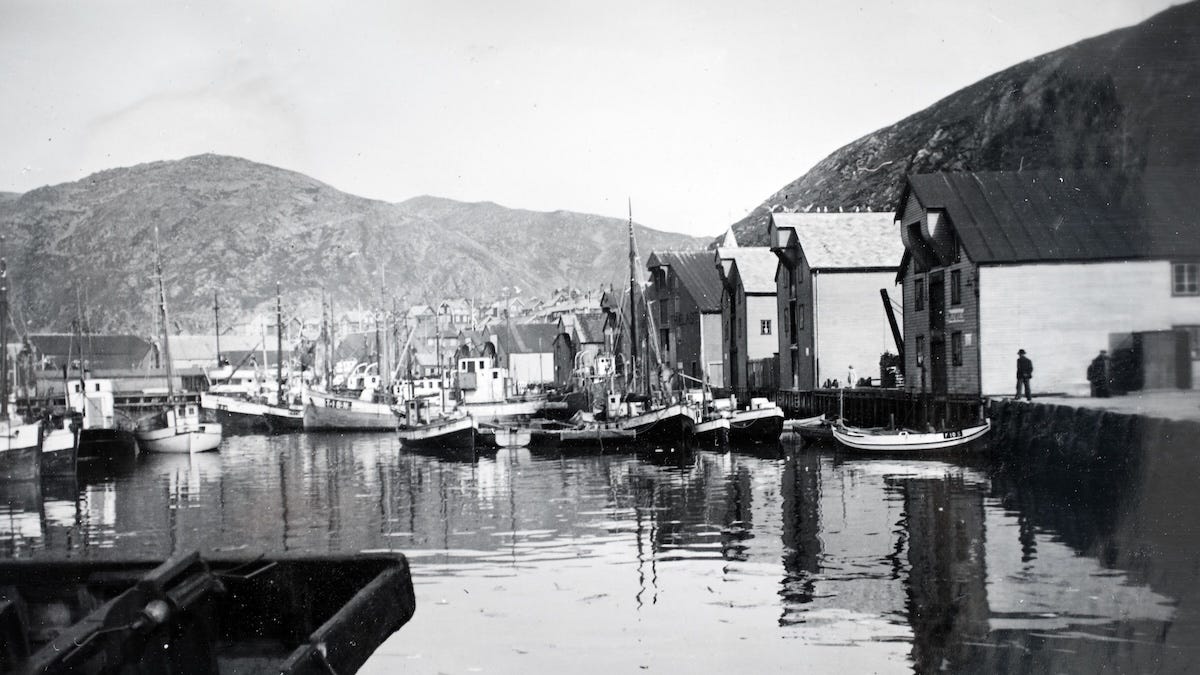
Commissioned in 1999 to perform inside a frozen waterfall, Isungset began crafting functional musical instruments—horns, drums, harps, and "iceofones" (ice xylophones)—out of blocks of lake and glacier ice. Because no two blocks of ice share identical acoustic properties due to variations in temperature and water purity, every single instrument is entirely unique and irreproducible.
Supporting Context & Metrics: The Logistics of the Ephemeral
While musical production in the digital age is dominated by uniform software plugins and static digital audio workstations (DAWs), the works highlighted in this week’s review rely heavily on physical context, environmental interaction, and meticulous logistical engineering.
The Logistics of Touring with Melting Instruments
Terje Isungset’s Ice Music presents a staggering logistical challenge for modern touring. To transport instruments that are literally destined to vanish, Isungset and his crew utilize mobile freezer units—specialized ice trailers.
- The Protocol: When arriving at international venues (such as St George’s Bristol in the UK), the instruments must remain inside the mobile freezer unit until the absolute last possible moment before soundcheck and performance.
- The Acoustic Drift: Once exposed to stage lighting and ambient room temperatures, the ice instruments begin to melt immediately. As they thaw, their physical mass decreases, and their water density shifts. Consequently, their pitch and acoustic resonance change mid-performance, requiring the ensemble to dynamically retune on stage.
- The Lifecycle: Over the course of a tour, the instruments physically shrink week by week until they eventually melt away entirely, necessitating a fresh harvest of natural ice for subsequent legs of the tour.
The Geography of Contemporary Improv
The intersection of Norwegian jazz labels like Hubro and American/European experimental jazz circuits highlights a growing demand for site-specific composition. Mariam Wallentin’s Spring Flood proves that physical geography—specifically the urban-rural interface along the Rhine in Basel—can directly dictate the microtonal choices, pacing, and emotional weight of a modern orchestral suite.
Official Statements & Critical Commentary
Critics and artists alike have emphasized the necessity of stepping outside commercial comfort zones to embrace these idiosyncratic sonic explorations.
- On Play Time’s Debut: Industry analysts note that Magic Object represents a vital counter-movement to streaming-era homogenization. By combining Booker Stardrum’s fluid percussion with Will Epstein’s woodwinds and Ben Vida’s analog synthesis, the trio demonstrates that pulse minimalism can remain deeply expressive.
- Thomas Blake on Sara Parkman’s Aster, Atlas:
"Svarta tråden combines gentle acoustic fingerpicking with subtle, dark electronics and dramatic, almost operatic flourish of Parkman’s vocals. A choir-like section then kicks in, adding a liturgical element to the song. The fact that you are never quite sure whether it’s Christian liturgy, black mass, pagan ritual or a combination of all of these things lends it a delicious ambiguity."
- Mariam Wallentin on the Genesis of Spring Flood:
"The Rhine flowed and murmured day and night outside the hotel, and the riverbank was covered with small flowers and trees already in bloom. And I encountered spring in a new place. I saw the green breaking through and the water rushing along, accompanied by entirely different scents and temperaments than at home. The familiar and the unknown hand in hand."
- Critical Review of Xylouris White:
"Measures of Greek dance song squeeze through Giorgos’ guitar lines, while Jim’s stolid-yet-spare drum parts play against type, establishing a minimalist framework that eventually draws Giorgos out into a disarmingly open space."
Future Outlook: Where Avant-Garde Curation is Heading
As streaming algorithms increasingly attempt to predict and monetize listening habits based on micro-genres and familiar moods, the success of curated outlets championing artists like Play Time, Sara Parkman, and Terje Isungset signals a healthy counter-trend.
Listeners are actively seeking out music that embraces uncertainty, environmental volatility, and cross-cultural dialogue. Whether through the digital resurgence of underground folk mixtapes, the meticulous documentation of site-specific river diaries on Hubro, or performances that literally evaporate under the stage lights, the future of progressive music lies in its refusal to stand still.
Audiences can expect further cross-pollination between traditional folk instrumentation and avant-garde electronics throughout the coming year, as artists continue to find profound inspiration in the tensions between the ancient and the ephemeral.