Executive Overview
For over eighty years, the name Dick Van Dyke has been synonymous with the pinnacle of American entertainment. From the rubber-faced physical comedy that defined The Dick Van Dyke Show to the chimney-sweeping charm of Mary Poppins and the whimsical engineering of Chitty Chitty Bang Bang, Richard Wayne Van Dyke has woven himself into the fabric of global pop culture. As of 2026, following his monumental milestone of turning 100 years old on December 13, 2025, public financial estimates place his net worth at approximately $50 million.
While personal financial disclosures for legendary Hollywood icons are notoriously private, this $50 million valuation—widely cited by publications such as Celebrity Net Worth, Parade, and Newsweek—has remained remarkably stable over the years. This consistency is not a product of volatile stock portfolios or crypto ventures, but rather the cumulative result of a multi-industry empire spanning television syndication residuals, Broadway earnings, silver-screen blockbusters, decades of book royalties, and a legendary, well-timed real estate portfolio in Malibu.
Beyond the digits in his bank accounts, Van Dyke’s life represents a masterclass in artistic longevity. He is a rare living bridge to the golden age of radio, the theatrical heights of mid-century Broadway, the studio-system era of Hollywood cinema, and modern prestige television. This comprehensive profile explores the anatomy of his estimated fortune, the family history that grounds him, the sweeping chronology of his career milestones, and the philosophy that has sustained him into his second century of life.
Detailed Chronology: From the Dust of Missouri to the Heights of Hollywood
Early Life, World War II, and Radio Beginnings
Richard Wayne Van Dyke was born on December 13, 1925, in West Plains, Missouri, though he was raised primarily in Danville, Illinois. His mother, Hazel Victoria McCord, worked diligently as a stenographer, while his father, Loren Wayne “Cookie” Van Dyke, labored as a traveling salesman. Entertainment ran in the family bloodline; his younger brother, Jerry Van Dyke, would later carve out a successful television career of his own, most notably starring in the hit sitcom Coach.
Young Dick’s trajectory was dramatically altered by the outbreak of World War II. Leaving high school before graduation, he initially attempted to enlist in the United States Army Air Forces, only to be rejected for failing to meet weight minimums due to his slender frame. Undeterred, he eventually served as a military radio announcer and entertained troops through the United States Army’s Special Services division.
Discharging from military service after the war, Van Dyke drifted into radio, working as a DJ and developing a sharp, observational comedy act with a partner. This early foundation in audio storytelling and live-audience timing proved vital, cultivating the rapid-fire delivery and physical spatial awareness that would later become his trademark on stage and screen.
Broadway Breakthrough and Television Stardom
Van Dyke’s transition from radio and local comedy circuits to national prominence occurred on the theatrical stage. In 1960, he secured his breakthrough role in the Broadway musical Bye Bye Birdie. His performance as Albert Peterson electrified audiences and critics alike, culminating in the 1961 Tony Award for Best Featured Actor in a Musical.
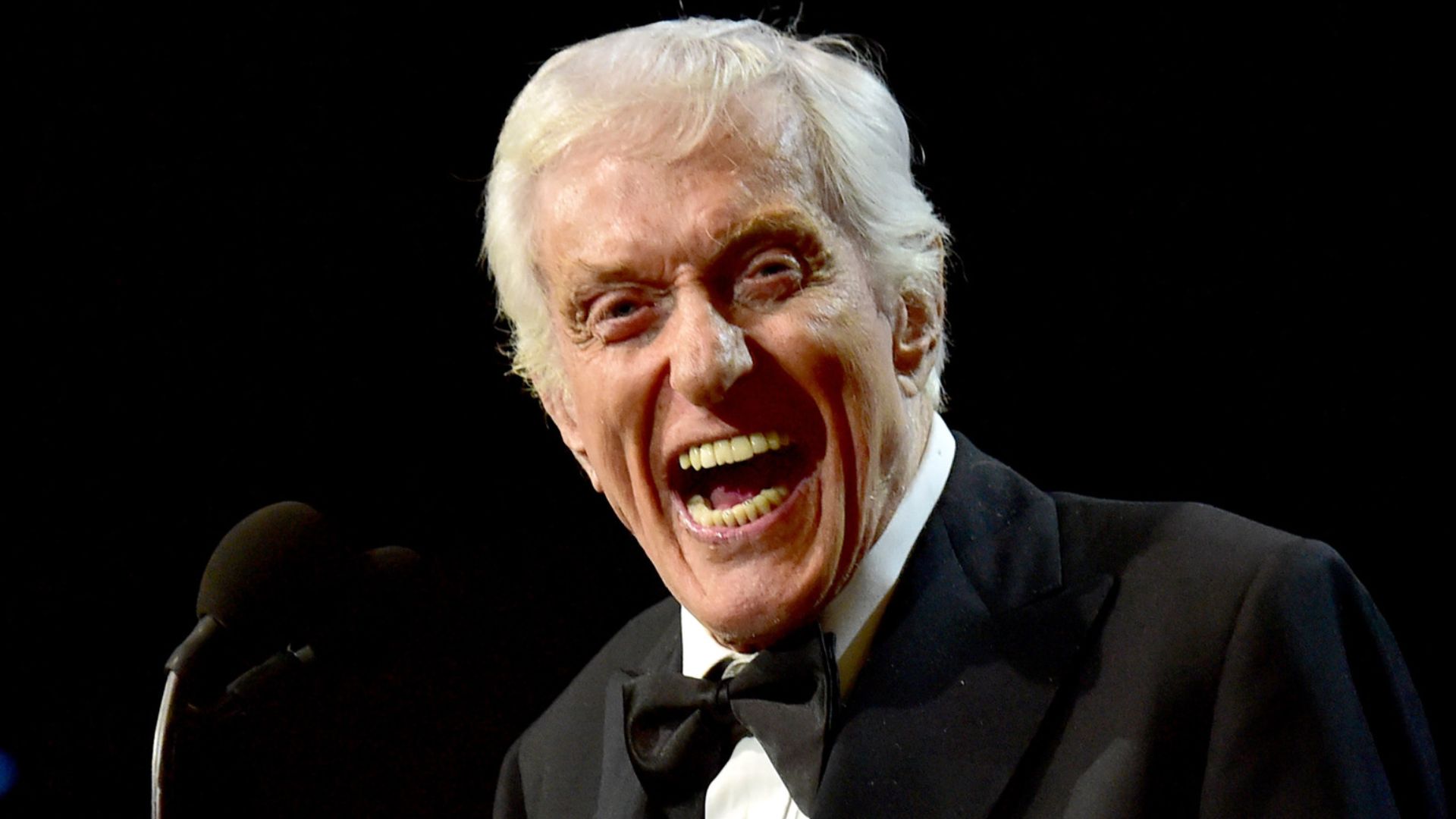
Capitalizing on this momentum, television came calling. From 1961 to 1966, he starred alongside Mary Tyler Moore in The Dick Van Dyke Show, created by Carl Reiner. Playing television comedy writer Rob Petrie, Van Dyke mastered the art of the slapstick living room stumble—a gag he famously executed without stunt doubles. The show was not only a critical darling and a multiple Emmy winner, but it also laid the bedrock for his long-term financial stability through decades of lucrative syndication deals.
Cinematic Icons and Late-Career Resurgence
With his household-name status secured, Hollywood came knocking with feature film offers that cemented his international legacy. In 1964, he delivered a career-defining performance as Bert (alongside a delightfully uncredited turn as bank chairman Mr. Dawes Sr.) in Disney’s cinematic masterpiece Mary Poppins. Four years later, he starred as eccentric inventor Caractacus Potts in Chitty Chitty Bang Bang (1968).
Unlike many of his peers whose careers faded as the studio system evolved, Van Dyke continuously reinvented himself. In the 1990s, he won over a new generation of television viewers starring as Dr. Mark Sloan in the long-running mystery procedural Diagnosis: Murder (1993–2001). Into the 2000s and 2010s, he charmed audiences in the blockbuster Night at the Museum franchise and made a heartwarming cameo in the 2018 sequel Mary Poppins Returns.
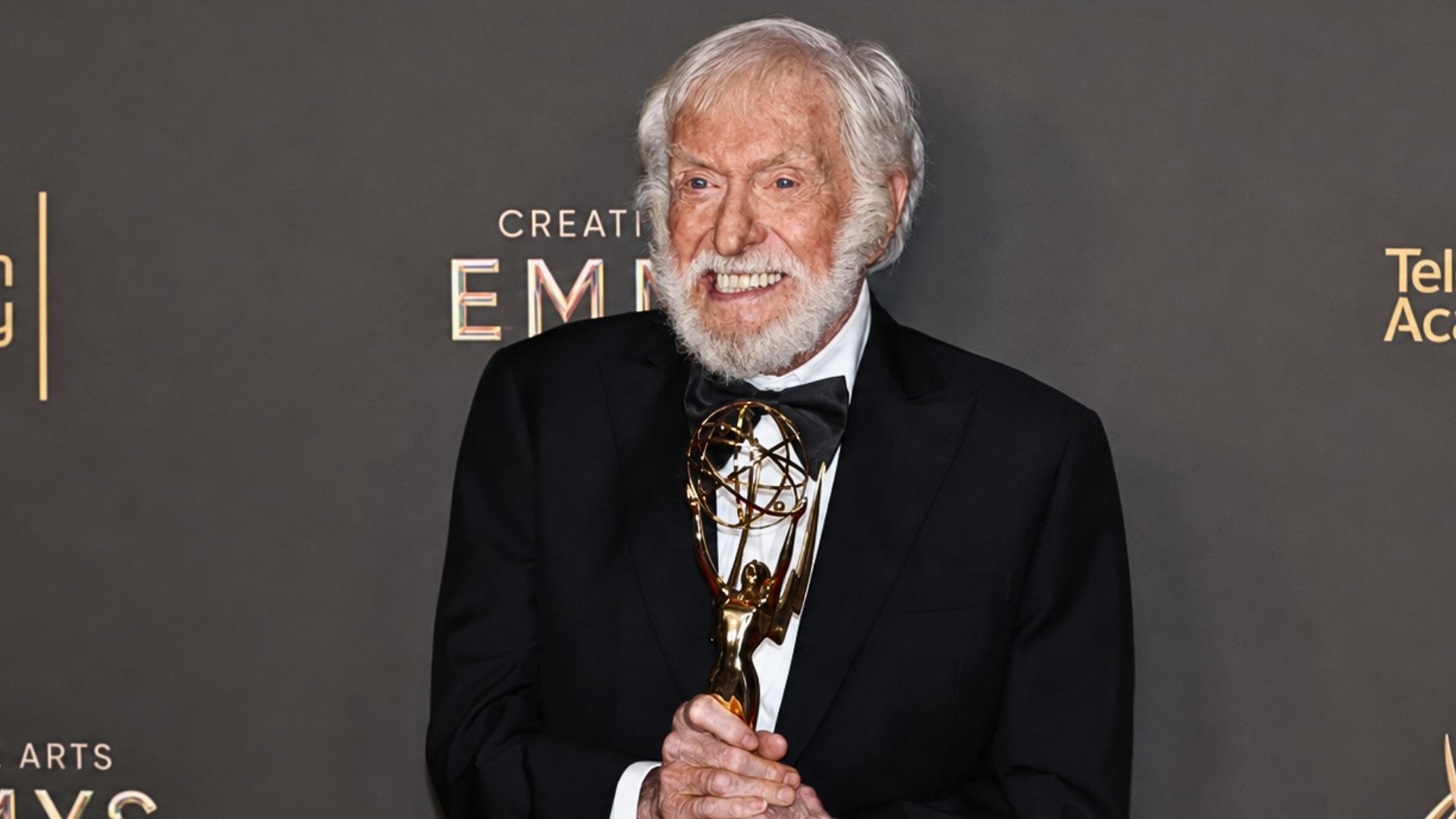
Remarkably, Van Dyke’s creative drive showed no signs of slowing down in his late nineties. In 2024, at the staggering age of 98, he made a guest appearance on the daytime soap opera Days of Our Lives, a performance that earned him a Daytime Emmy Award. This historic win made him the oldest actor ever to receive a Daytime Emmy, extending a competitive award-winning career spanning over six decades.
Supporting Context & Financial Metrics
| Quick Fact | Detail |
|---|---|
| Full Name | Richard Wayne Van Dyke |
| Date of Birth | December 13, 1925 |
| Age | 100 |
| Birthplace | West Plains, Missouri |
| Profession | Actor, Comedian, Singer, Dancer, Writer, Producer |
| Estimated Net Worth | ~$50 million |
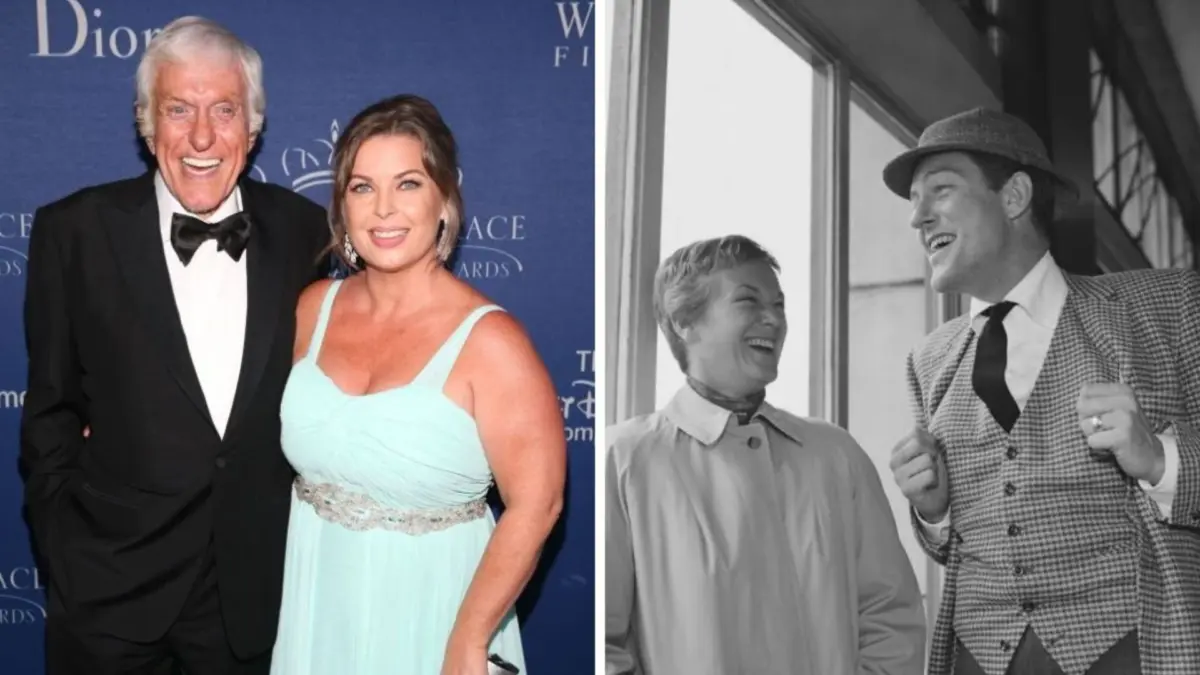
| Current Wife | Arlene Silver (m. 2012) |
| Previous Marriage | Margie Willett (m. 1948–1984) |
| Children | 4 (Christian, Barry, Stacy, Carrie Beth) |
| Defining Works | The Dick Van Dyke Show, Mary Poppins, Chitty Chitty Bang Bang |
Anatomy of a $50 Million Fortune
The $50 million estimate attached to Dick Van Dyke’s name is an aggregate projection based on multiple revenue streams accumulated over an unprecedented career:
- Television Residuals & Syndication: The Dick Van Dyke Show and Diagnosis: Murder have aired in syndication across the globe for decades. Classic television residuals, though structured differently in the 1960s than they are today, provided a reliable, multi-million-dollar baseline annuity.
- Film Salaries and Royalties: While his exact per-film salaries for Mary Poppins and Chitty Chitty Bang Bang were never publicly disclosed, their status as generational, evergreen home-video and streaming properties ensures continued ancillary income.
- Publishing and Literature: Van Dyke is an accomplished author. Over the decades, he has penned humorous observations, memoirs, and wellness guides, including Altar Egos (1967), My Lucky Life In and Out of Show Business (2011), Keep Moving (2015), and his centennial release, 100 Rules for Living to 100: An Optimist’s Guide to a Happy Life (2025).
- Real Estate Assets: The crown jewel of his tangible portfolio is a Malibu estate purchased in 1986 for approximately $750,000. Benefiting from decades of soaring California real estate appreciation, real estate analysts now value the property at upwards of $8 million. The home has occasionally entered the public eye, serving as a filming backdrop (such as for Coldplay’s "All My Love" music video) and making news when Van Dyke and his wife were forced to evacuate during regional wildfires.
Marriages, Family, and Personal Life
While his public persona is defined by relentless cheer, Van Dyke’s personal life has balanced profound familial devotion with the complexities of long-term relationships in the public eye.
- Margie Willett (Married 1948–1984): Van Dyke married his first wife, Margie Willett, on the radio program Bride and Groom. Together, they raised four children: Christian, Barry, Stacy, and Carrie Beth. Barry Van Dyke followed his father into the acting profession, famously co-starring alongside him for years on Diagnosis: Murder. After a prolonged separation, the couple divorced in 1984. Margie passed away in 2008.
- Michelle Triola (Partner 1976–2009): Following his separation from Willett, Van Dyke shared a deeply committed, three-decade relationship with actress Michelle Triola. Though widely recognized as companions, they were never legally married. Their partnership endured until Triola’s passing from cancer in 2009.
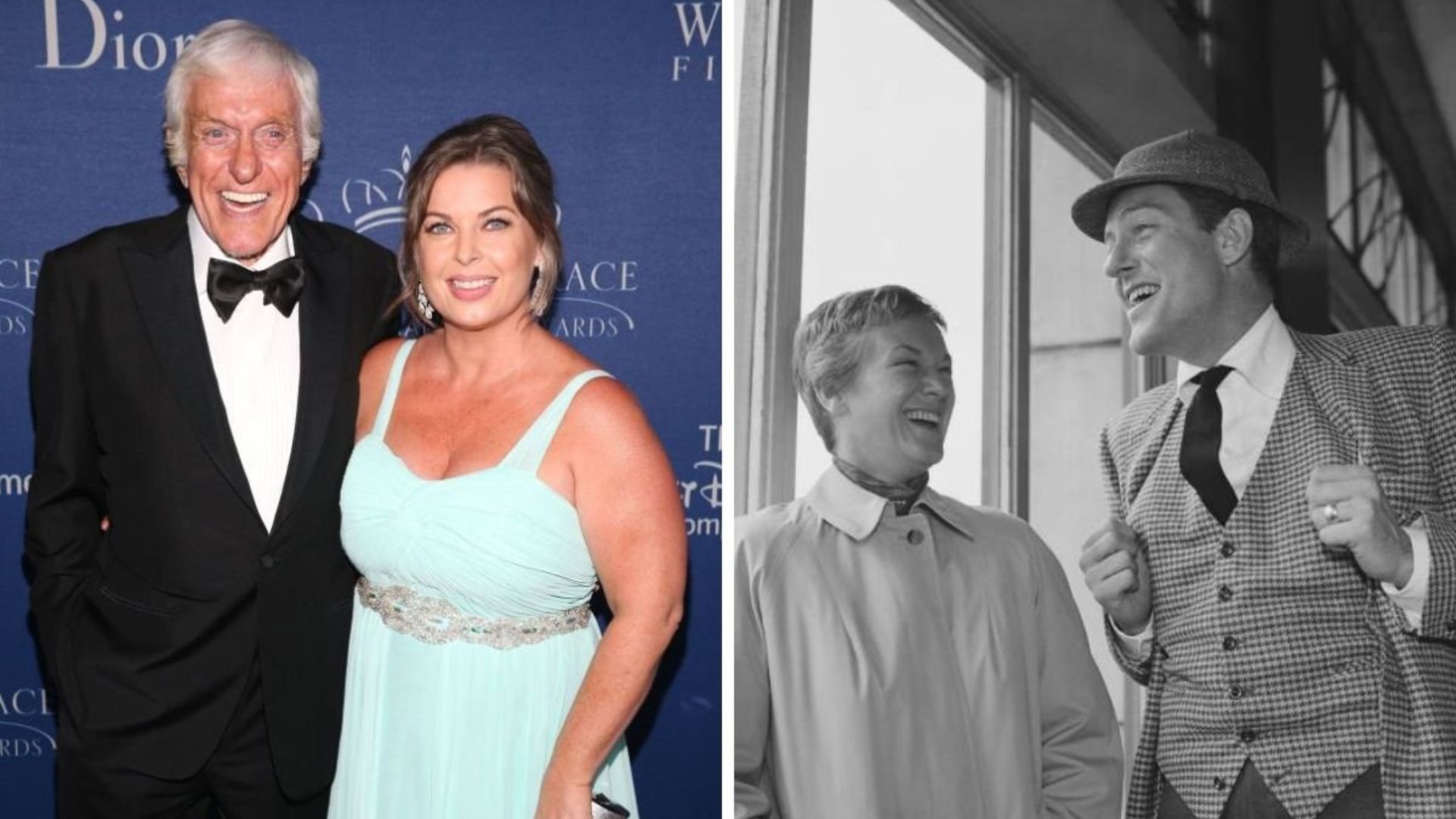
- Arlene Silver (Married 2012–Present): In 2006, Van Dyke crossed paths with makeup artist Arlene Silver backstage at the Screen Actors Guild Awards. Their friendship blossomed into romance, and the couple wed on February 29, 2012. Despite a 46-year age gap that initially attracted media fascination, the couple has cultivated a deeply supportive partnership, celebrating their 14th wedding anniversary in 2026.
Awards, Honors, and Career Milestones
| Year | Career Milestone / Honor |
|---|---|
| 1961 | Tony Award for Best Featured Actor in a Musical (Bye Bye Birdie) |
| 1961–1966 | The Dick Van Dyke Show (Earns three consecutive Primetime Emmy Awards) |
| 1964 | Mary Poppins cinematic release (Grammy Award win for soundtrack participation) |
| 1968 | Chitty Chitty Bang Bang theatrical release |
| 1993–2001 | Diagnosis: Murder television run |
| 1995 | Inducted into the Television Academy Hall of Fame |
| 1998 | Named a Disney Legend |
| 2013 | Screen Actors Guild Life Achievement Award |
| 2021 | Kennedy Center Honors recipient |
| 2024 | Oldest Daytime Emmy Award winner in history at age 98 (Days of Our Lives) |
| 2025 | Celebrates 100th birthday; publishes 100 Rules for Living to 100 |
Future Outlook: The Centenarian Icon
As Dick Van Dyke navigates life well into his centennial year, he remains an active, vibrant cultural touchstone. Eschewing the quiet seclusion often associated with retirement, he continues to make targeted public appearances, sing with his a cappella group the Vantastix, and offer interviews dispensing hard-earned wisdom on physical and mental vitality.
When asked about the secret to his remarkable longevity and enduring financial stability, Van Dyke consistently points away from monetary metrics and toward lifestyle choices: maintaining a regular gym routine three times a week well into his nineties, keeping his mind sharp through writing and singing, and nurturing an unwavering, infectious optimism.
Ultimately, Dick Van Dyke’s $50 million net worth is merely a footnote to a much larger narrative. It stands as a modest numerical reflection of a colossal career—one built not on speculative ventures or fleeting media trends, but on pure, enduring joy delivered to generations of devoted fans across the globe.