Executive Overview
For centuries, the global public has conflated the domicile of the British monarch with the institutional monolith of the Crown. The image of the sovereign has long been synonymous with the soaring Portland stone facades of Buckingham Palace, billowing flags, and sweeping processions down The Mall. Yet, the reality of contemporary royal administration defies this architectural simplicity.
As King Charles III steers the House of Windsor through an era defined by fiscal modernization, environmental stewardship, and extensive structural restorations, his domestic arrangements reflect a clear pragmatism. While Buckingham Palace remains the undisputed symbolic epicentre and administrative heart of the British monarchy, it is not—and for the foreseeable future, will not be—the primary private residence of the reigning monarch.
Instead, King Charles III and Queen Camilla have elected to maintain their personal London hearth at Clarence House, a mere half-mile from the Palace gates. This separation of workspace and domicile is not merely a temporary logistical contingency necessitated by a decade-long, multi-million-pound reservicing program at Buckingham Palace; it represents a deliberate shift in how the modern sovereign balances the solemnities of statecraft with the comforts of private life.
Spanning stately castles in the Scottish Highlands, sprawling rural estates in Norfolk and Gloucestershire, and historical philanthropic strongholds, the King’s real estate portfolio is a finely calibrated machinery. Each property serves a distinct seasonal, emotional, and administrative purpose, allowing the sovereign to navigate his demanding public duties while preserving deeply personal connections to British heritage and environmentalism.
Detailed Chronology: The Evolution of Royal Domiciles Under Charles III
The architecture of the British royal family’s living arrangements has evolved across generations, marked by accessions, deaths, and strategic estate planning. Understanding how King Charles III arrived at his current distribution of homes requires examining the historical trajectory of these properties.
The Mid-20th Century: Foundations and Inheritances
The foundations of the King’s private property portfolio were largely laid down long before his accession to the throne.
- 1950s: Queen Elizabeth The Queen Mother purchased and meticulously restored the Castle of Mey on the rugged northern coast of Caithness, establishing a Scottish coastal retreat that would eventually pass down through the royal lineage.
- 1980: Then-Prince Charles acquired Highgrove House near Tetbury in Gloucestershire. This purchase proved pivotal, marking his first major independent domestic footprint and serving as his principal private country home for over four decades. It became the laboratory for his pioneering work in organic agriculture, architectural preservation, and sustainable horticulture.
- 2002: Following the death of Queen Elizabeth The Queen Mother, Clarence House transitioned to Prince Charles as his official London residence, undergoing extensive renovations before he and the then-Duchess of Cornwall moved in during 2003. Simultaneously, Birkhall—a historic estate nestled within the wider Balmoral lands—was passed down, becoming a beloved private sanctuary for the couple.
- 2007: The Duchy of Cornwall acquired Llwynywermod, a cluster of dilapidated farmhouses in Carmarthenshire, Wales. Over subsequent years, Charles transformed the property into a sustainable Welsh base, utilizing local craftsmen and traditional building materials.
The 2022 Accession and Modern Realignments
The death of Queen Elizabeth II in September 2022 at Balmoral Castle triggered profound shifts in the royal real estate landscape.
- September 2022: Sovereignty over the vast, privately owned Sandringham Estate in Norfolk and Balmoral Castle in Aberdeenshire passed directly to King Charles III. Unlike the occupied royal palaces (such as Buckingham Palace and Windsor Castle), which are held in trust by the Crown for the nation, Sandringham and Balmoral remain the private, hereditary property of the monarch.
- 2023: Following his accession, the Duchy of Cornwall passed seamlessly to his eldest son and heir, Prince William. Consequently, King Charles opted not to renew his lease on the Llwynywermod estate in Wales later that year, officially stepping back from his long-held Welsh domestic footprint and transferring day-to-day estate interactions to the new Prince of Wales.
- Ongoing (2024–Present): Buckingham Palace continues to undergo its monumental Reservicing Programme—a phased, ten-year infrastructure overhaul budgeted at £369 million to replace aging electrical wiring, plumbing, and boilers. Royal officials formally confirmed that even upon the completion of these works, the King and Queen will not relocate their permanent living quarters to the Palace, solidifying Clarence House as their enduring London base.
Supporting Context & Metrics: The Royal Real Estate Portfolio
To comprehend the sheer scale and diversity of King Charles III’s living arrangements, one must examine the distinct characteristics, management structures, and geographic distribution of each property within his orbit.
| Property Name | Location | Ownership Status | Primary Purpose / Function |
|---|---|---|---|
| Buckingham Palace | London, England | Crown Estate (Occupied Palace) | Official administrative headquarters, state ceremonial events, receptions. |
| Clarence House | London, England | Crown / Royal Household | Primary private London residence for King Charles and Queen Camilla. |
| Highgrove House | Gloucestershire, England | Duchy of Cornwall / Private arrangement | Favoured English country retreat; hub for organic farming and environmental initiatives. |
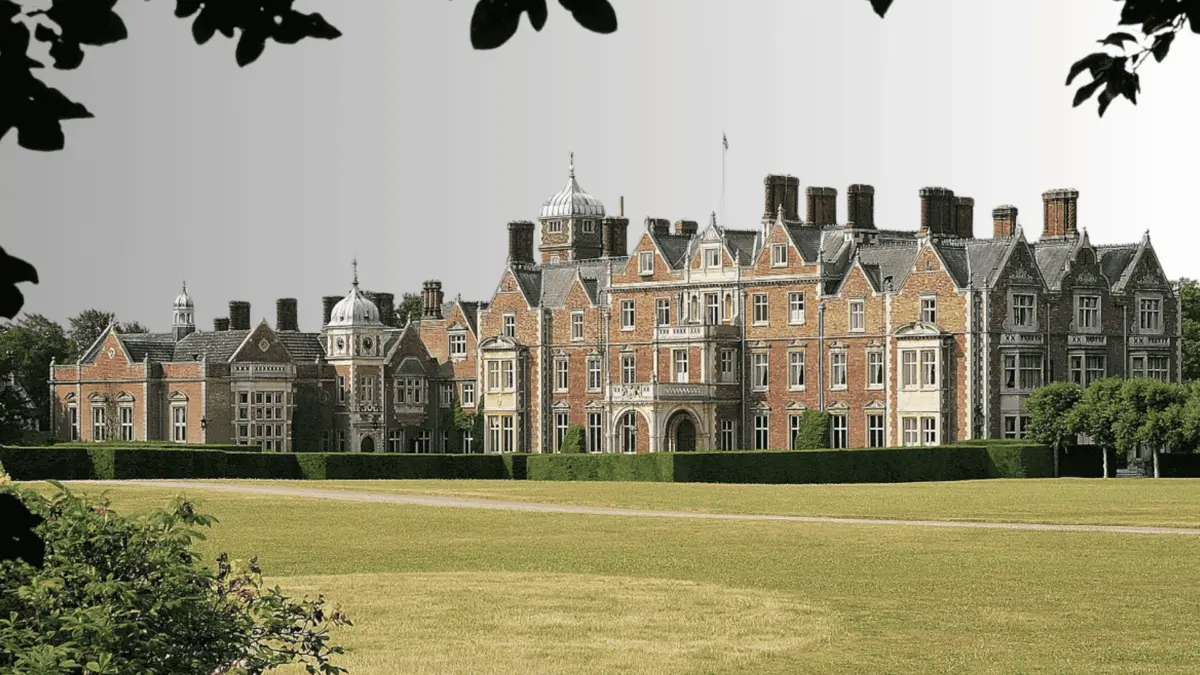
| Sandringham House | Norfolk, England | Private property (Inherited) | Traditional winter and Christmas family gathering site; private estate operations. |
| Balmoral Castle | Aberdeenshire, Scotland | Private property (Inherited) | Summer royal retreat and historic family sanctuary. |
| Birkhall | Aberdeenshire, Scotland | Private property (Within Balmoral Estate) | Intimate private Scottish residence used extensively by the King and Queen. |
| The Castle of Mey | Caithness, Scotland | Charitable Trust / Visited | Occasional northern retreat; open seasonally to the public. |
| Dumfries House | Ayrshire, Scotland | The King’s Foundation | Headquarters for educational, heritage, and community programs; official visits. |
| Ray Mill House | Wiltshire, England | Privately owned by Queen Camilla | Independent private country residence owned prior to royal marriage. |
Architectural and Environmental Distinctions
The properties reflect the monarch’s well-documented philosophy of sustainability and historic preservation. Highgrove, for instance, operates under strict environmental protocols, featuring solar panels, natural swimming pools filtered by reeds, and organic gardens that draw tens of thousands of visitors annually. Similarly, the restoration projects at Dumfries House and Llwynywermod utilized lime plaster, reclaimed timber, and local stonemasonry, serving as physical testaments to the principles championed by the King through his various charitable foundations.
Official Statements and Institutional Clarifications
The strategy behind the King’s domestic arrangements has been the subject of intense media scrutiny, prompting rare and direct clarifications from royal communications teams.
In a comprehensive briefing reported by CBS News and corroborated by senior palace officials, the rationale behind bypassing Buckingham Palace as a primary residence was laid bare. Palace insiders noted that after "careful consideration," King Charles and Queen Camilla concluded that the sprawling, museum-like state rooms of Buckingham Palace are fundamentally unsuited for a modern, streamlined private domestic life.
An official royal spokesperson addressed the persistent confusion surrounding the King’s whereabouts:
"The public often conflates the monarch’s workplace with their home. Buckingham Palace remains the absolute symbolic heart of the British monarchy, the administrative engine of the state, and the venue for major national ceremonies. However, Clarence House provides an intimate, functional, and historically significant London residence that better serves the daily lives of Their Majesties."
Furthermore, regarding the management of private versus state properties, the palace has consistently emphasized that the transition of lands—such as the Duchy of Cornwall passing to Prince William—has been executed smoothly. This ensures that while the King retains access to vital operational hubs through bespoke arrangements (such as his continued use of Highgrove), the formal economic structures of the royal estates modernly align with their respective titular holders.
Future Outlook: The Modern Monarchy’s Footprint
As King Charles III’s reign progresses, his approach to housing offers a clear window into his broader vision for a streamlined, financially prudent, and environmentally conscious monarchy.
The decision to remain anchored at Clarence House while utilizing a decentralized network of regional estates sets a significant precedent for future heirs. It proves that the dignity and authority of the Crown do not rely on occupying a single, gilded fortress 365 days a year. Instead, mobility across England, Scotland, and institutional touchpoints allows the monarch to remain physically and culturally connected to the diverse nations of the United Kingdom.
Looking forward, the completion of the Buckingham Palace Reservicing Programme will not trigger a grand royal migration back into its historic family quarters. Rather, the Palace will likely see an expansion of its public-facing functions, potentially opening more staterooms and historic areas to international visitors and cementing its role as a premier cultural institution.
For King Charles and Queen Camilla, the rhythm of the year will continue to be dictated by the seasons: autumn and winter at Sandringham and Clarence House, spring in the tranquil gardens of Gloucestershire, and late summer amid the rugged hills of Aberdeenshire at Balmoral and Birkhall. In striking this balance, the King has successfully modernized the royal domicile, ensuring that tradition and practical utility coexist in harmony for the 21st century.