Executive Overview
Thirty years after its quiet release, the Silver Jews’ sophomore album, The Natural Bridge, stands not merely as a high-water mark of 1990s indie rock, but as a rare convergence of literary ambition and sonic economy. Released in October 1996, the album captured principal songwriter David Berman at a precarious intersection of creative autonomy, psychological vulnerability, and poetic clarity. For a generation of devotees, The Natural Bridge transcends the conventional boundaries of rock music, operating closer to the tradition of American verse—funny, heartbreaking, densely layered, and ultimately devastating.
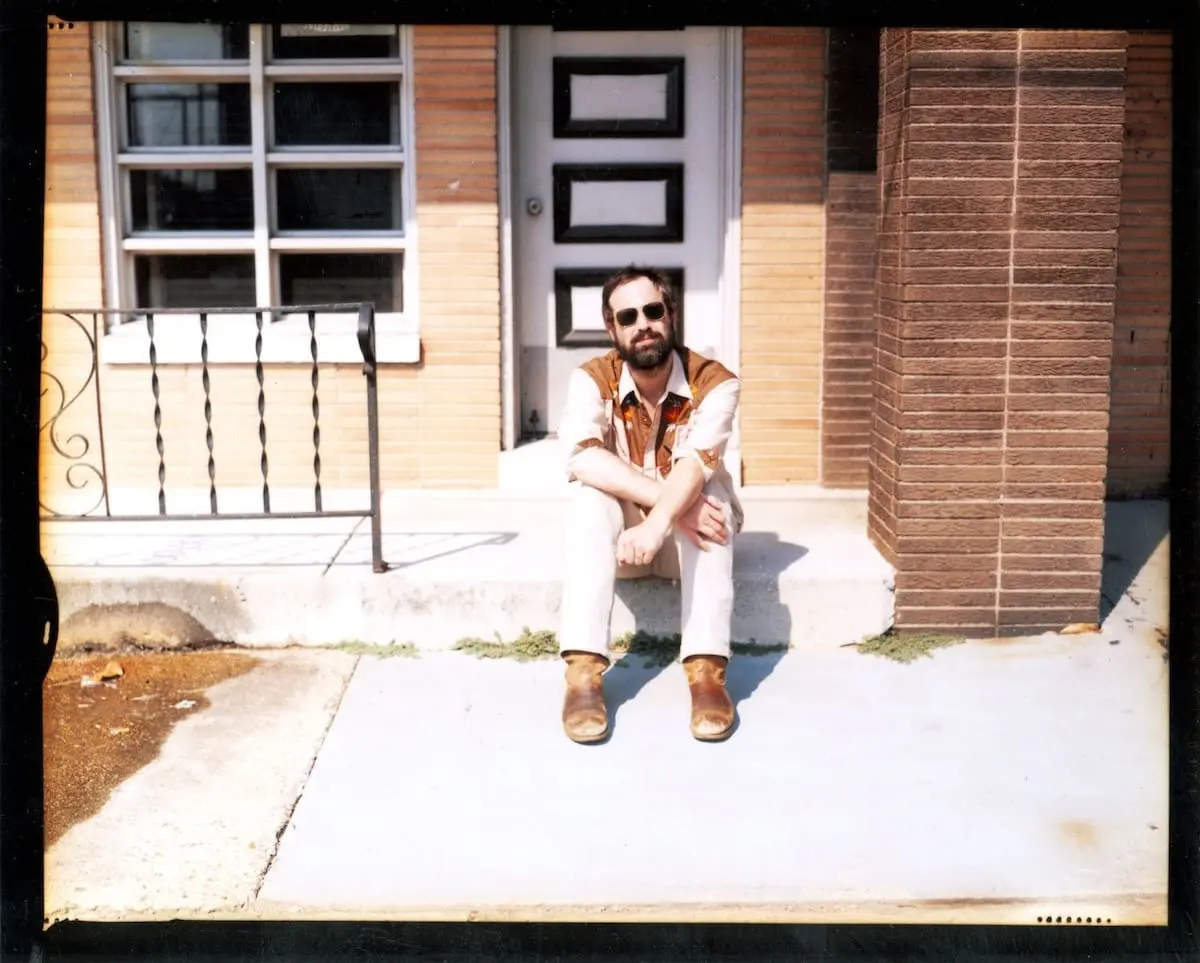
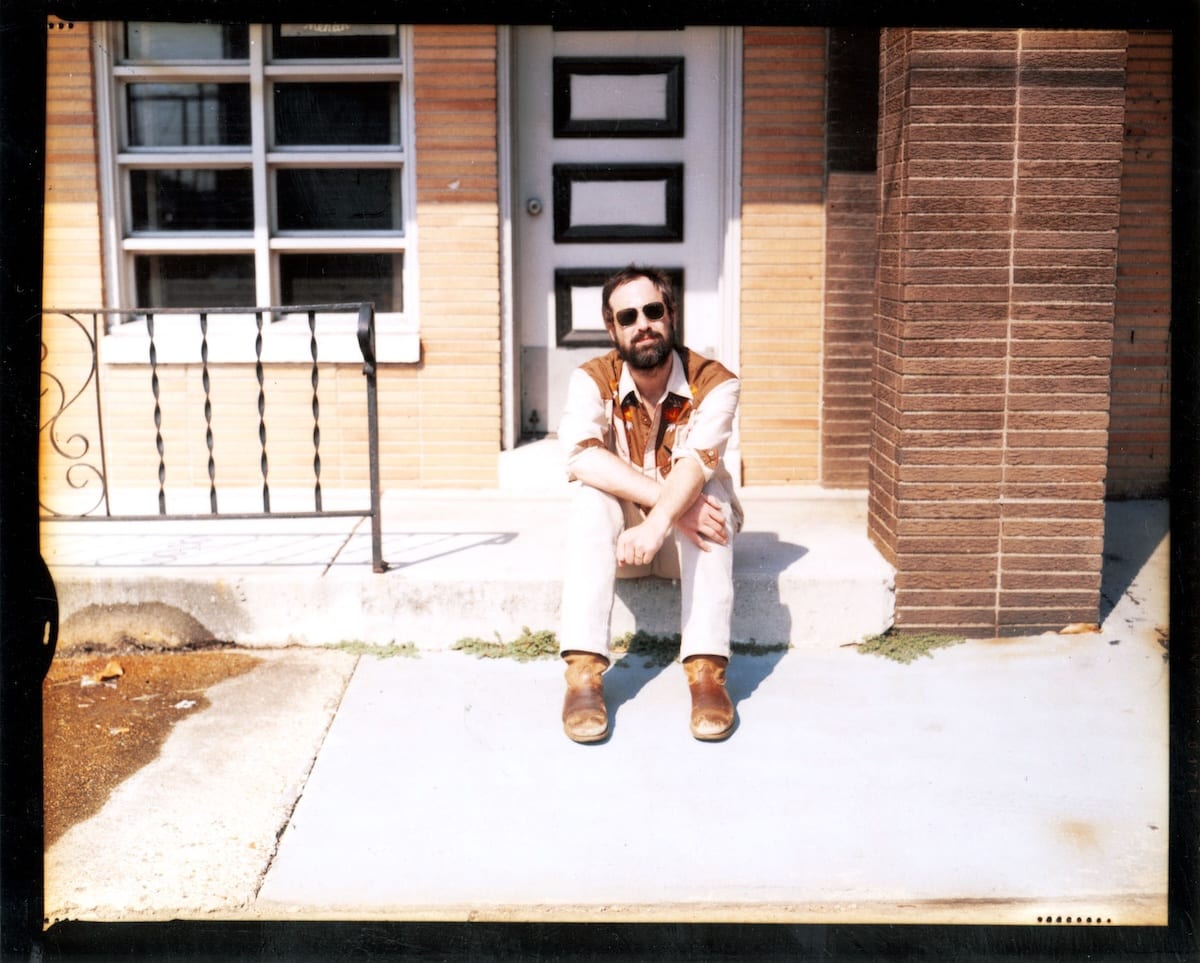
Yet, the path to creating this masterpiece was fraught with near-disaster, professional friction, and profound personal turmoil. In an exclusive retrospective, guitarist Peyton Pinkerton—a central player in the album’s resurrection and a longtime collaborator of Berman’s—opens up about the legendary aborted Memphis sessions, the strict recording parameters that shaped the record’s sparse atmosphere, and the complex, deeply human legacy of David Berman.
Detailed Chronology: From Memphis Collapse to Studio Redemption
To understand The Natural Bridge, one must first examine its aborted precursor. The Silver Jews’ 1994 debut, Starlite Walker, was celebrated as a lo-fi masterpiece, heavily anchored by Pavement members Stephen Malkmus and Bob Nastanovich. Eager to distance the project from being perceived merely as a Pavement side project, Berman sought a fresh lineup for the follow-up.
The Aborted Memphis Sessions (October 1995)
In the autumn of 1995, Berman assembled an eclectic crew—including Pinkerton on bass, alongside Malkmus, Nastanovich, and drummer Steve West—at Easley Studios in Memphis, Tennessee. The stakes were high, but the pressure proved insurmountable.
As tracking commenced, Berman, plagued by deep insecurities regarding his vocal delivery, began to experience severe physical and psychological strain. Around the fifth song, mid-session, Berman suffered a debilitating panic attack. To the shock of the room, he announced he was calling off the entire project, demanding that the tape reels be burned and declaring his retirement from music.
The fallout was immediate. The studio was pre-booked and paid for, leaving Berman deeply distressed over thousands of dollars in wasted expenses. In an act of pragmatic solidarity, Malkmus brokered a deal with Matador Records and Easley Studios, allowing Pavement to utilize the remaining studio time to record their Pacific Trim EP, effectively sparing Berman the crippling financial blow. (Nastanovich would later quietly settle the remaining initial balance on a personal credit card, later reimbursed by the label).
Pinkerton drove a broken and exhausted Berman back to his home in Charlottesville, Virginia. The journey was defined by conversations about finding a conventional career now that music was ostensibly finished.
Resurrection in Connecticut
Miraculously, the retirement lasted barely six months. By early 1996, Berman reached back out to Pinkerton, alongside bassist Matt Hunter of New Radiant Storm King, to try a second iteration of the album. Notably, Berman omitted informing the Pavement members that the record was proceeding without them—a point of friction and lingering unease for Pinkerton.
To solidify the recording process and manage the technical barriers, Berman brought in drummer, producer, and Drag City insider Rian Murphy. Murphy served as an essential conduit between Berman and studio engineers Thom Monahan and Michael Deming at Studio .45 in Hartford, Connecticut.
To prevent Berman from spiraling into technical anxieties, strict operational rules were enforced:
- The Three-Take Rule: During a strict three-day rehearsal period, the band was limited to playing each song only three times.
- Spontaneous Capture: In the studio, tracking was capped at one or two takes per song to maximize a loose, live-wire feel. Most songs were captured on the very first take.
- Minimal Overdubs: Except for a solitary guitar solo on "Black and Brown Blues," brief synthesizer contributions, and atmospheric piano and organ accents by Deming, overdubs and punch-ins were strictly forbidden.
This minimalist philosophy created the vast, echoing canvas over which Berman’s voice reigned supreme, culminating in an unvarnished masterpiece recorded entirely on 2-inch 24-track analog tape.
Supporting Context & Metrics: The Anatomy of a Masterpiece
The Natural Bridge remains uniquely positioned in the discourse surrounding alternative music of the era, frequently sparking debates among fans alongside its successor, 1998’s American Water.
Album Profile & Production Metrics
- Release Date: October 1996
- Primary Label: Drag City
- Recording Duration: Approximately 10 days (tracking and mixing combined)
- Recording Location: Studio .45 (Hartford, Connecticut)
- Core Lineup: David Berman (vocals, acoustic guitar), Peyton Pinkerton (guitars, keyboards), Matt Hunter (bass), Rian Murphy (drums, production coordination).
The Lyrical and Musical Architecture
Berman’s artistic foundation was deeply rooted in classic country music, a genre where the vocal delivery must always remain paramount. Despite confessing that he only knew roughly eight basic chords, Berman utilized inventive progressions that purposely stepped back to elevate his literary text.
Songs like "Pretty Eyes"—recorded during a grueling, sleepless stretch that ended with emergency medical intervention and sedatives—exemplify the tightrope walk of Berman’s creative process. Left alone in the studio booth for a brief hour while the band went to eat, Berman recorded the closing track in a solitary take, later admitting he would have felt suicidal had he failed to execute it.
Pinkerton recalls how Berman would often read from his personal journals, poetry notebooks, or speech transcripts before tracking a song to imbue the musicians with the precise emotional landscape he envisioned. Obscure referential wordplay—such as a lyric in "Dallas" noting an analyst who previously played as a placekicker for the Atlanta Falcons—sat alongside devastating emotional candor, cementing his status as a singular American poet.
Official Perspectives & Anecdotes
Reflecting on his relationship with Berman, Pinkerton describes a complex, big-brother/little-brother dynamic characterized by constant correspondence, mutual respect, and an underlying mission of extending kindness. Contrary to the reductive persona sometimes assigned to Berman following his tragic death by suicide in August 2019, Pinkerton emphasizes Berman’s persistent generosity—sending books, obscure Japanese toys, candy, and handwritten notes to his inner circle.
Pinkerton also shares a lighter, more mischievous side of Berman through a memorable neighborhood anecdote:
"A local musician who everybody knew took it upon himself to call me and DCB ‘rock stars’ whenever we were at a bar… Eventually, this got annoying. This guy happened to live across the street, catty-cornered to DCB’s house. One day David was just like, ‘fuck this guy.’ He went inside and came back with a pellet gun. Before I knew what was happening, David had shot out this guy’s window… David was aghast as he thought the pellet wouldn’t reach the window… As DCB and I were on a porch too, we just lay down on our stomachs, hiding from this guy who was yelling out to the whole street… David and I lay prone on that porch for what seemed like an eternity. DCB was really just trying to be playful. He just had no idea that the toy gun would hit its mark."
This playful yet unpredictable spirit underscored Berman’s interactions within the fertile Northampton and Amherst, Massachusetts underground scene of the mid-1990s—a hub that cross-pollinated talent across bands like Pavement, Sebadoh, the Scud Mountain Boys, and the Pernice Brothers. Though Berman rarely performed live during this era, his apartment served as the intellectual and social epicenter for a generation of independent artists.
Future Outlook & Legacy
Three decades after its initial pressing, The Natural Bridge continues to be reassessed by music critics, scholars, and new waves of listeners discovering the Silver Jews catalog through Drag City reissues and archival deep-dives. Its influence on modern indie songwriting—particularly artists balancing literate, self-aware lyricism with sparse, organic instrumentation—cannot be overstated.
For Peyton Pinkerton, the work of honoring David Berman continues through his own ongoing musical output. Maintaining a home studio in Massachusetts, Pinkerton has sustained a prolific solo career, following up past releases like Rapid Cycler (2016) and Ex Tomorrow with new material slated for production.
Meanwhile, the cultural footprint of The Natural Bridge remains secure. It stands as a testament to an artist who waged a constant, agonizing war against his own insecurities to deliver moments of pristine, enduring beauty. As Pinkerton notes of his former bandleader’s ultimate worldview: Berman truly believed in hope, in the capacity of art to bring joy to others, and in the possibility that the world could, through careful phrasing and shared empathy, become a slightly better place.