Executive Overview
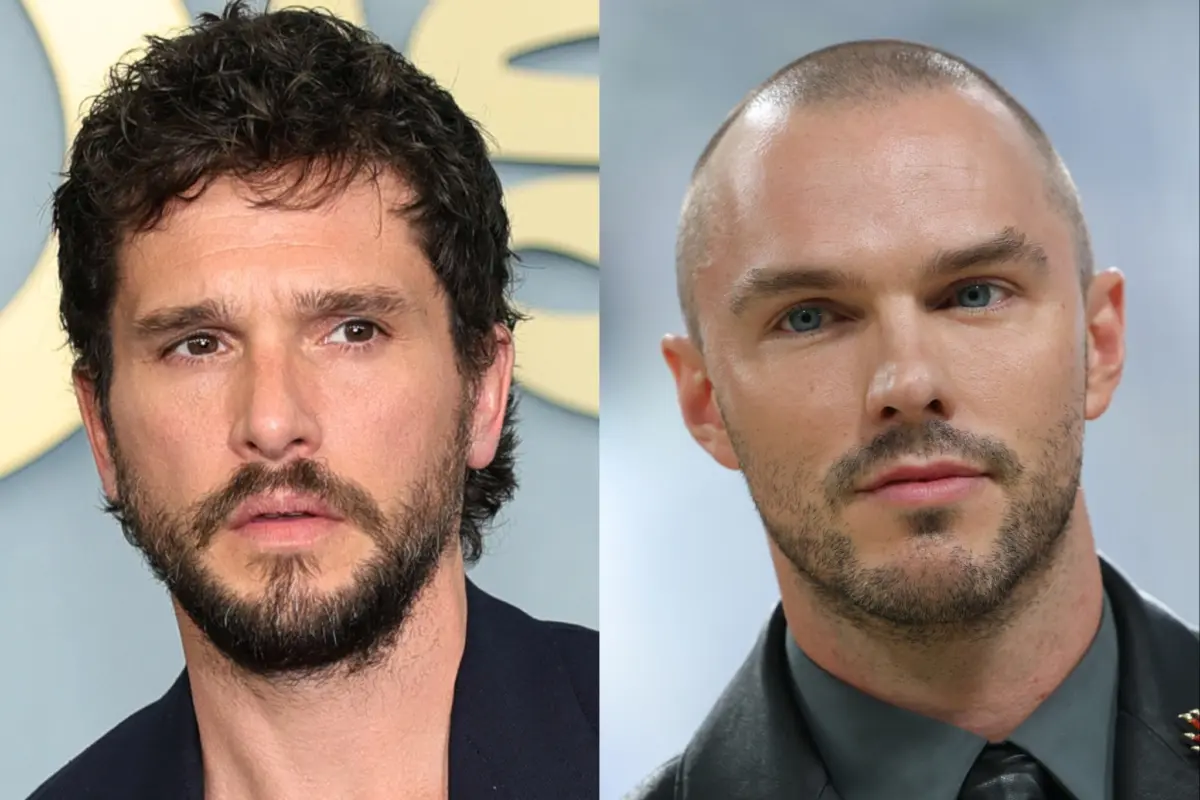
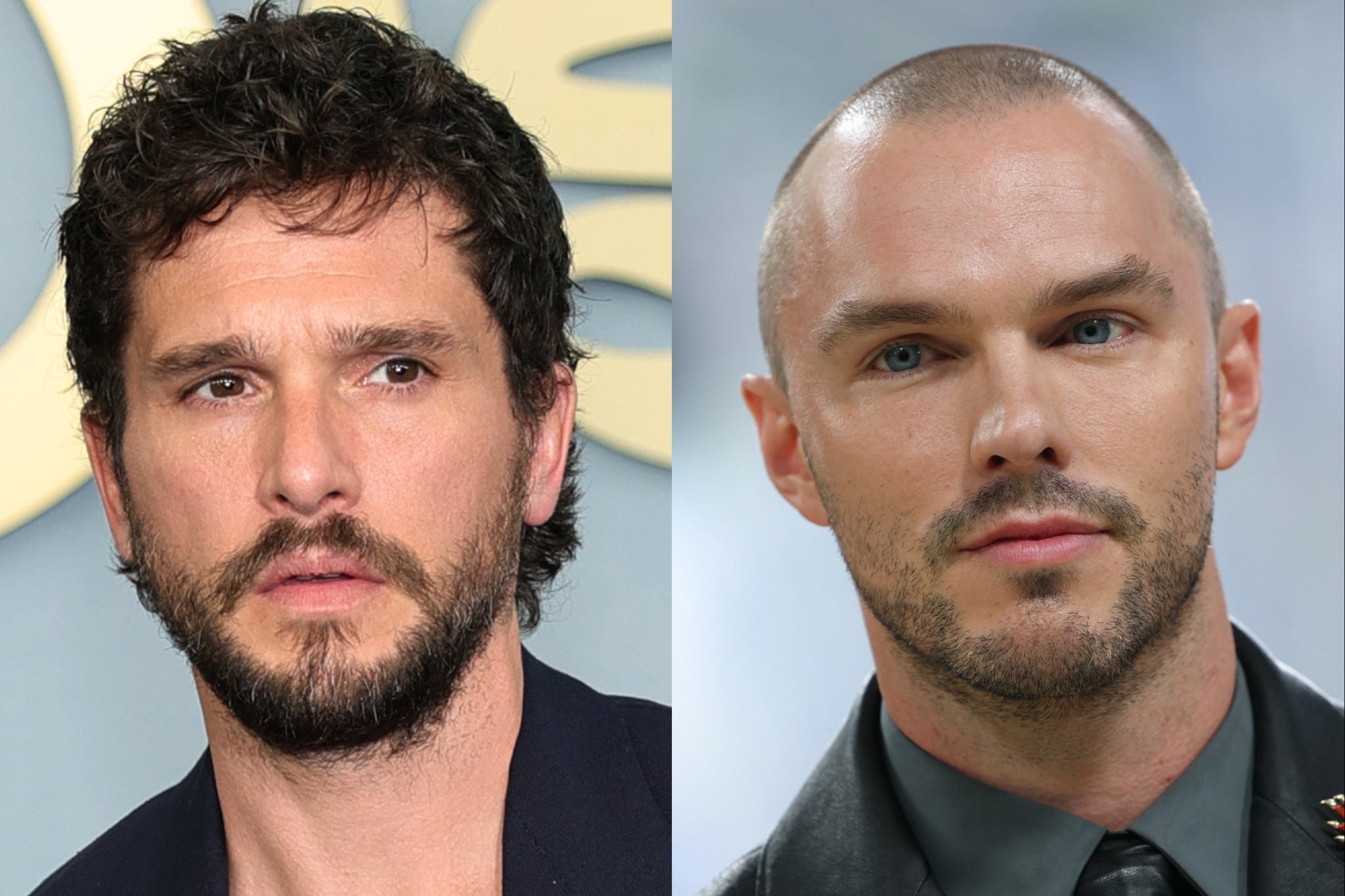
The casting landscape of HBO’s highly anticipated, decade-spanning television adaptation of J.K. Rowling’s Harry Potter book series has undergone a major shift. Game of Thrones alumnus Kit Harington is officially set to join the ensemble cast, stepping into the pivotal role of the delightfully vain, fraud-exposed celebrity author and Defense Against the Dark Arts professor, Gilderoy Lockhart.
Harington’s late-stage entry into the production follows the sudden departure of Superman star Nicholas Hoult. According to industry reports originating from Variety, Hoult was initially slated to inhabit the flamboyant wizarding educator but ultimately had to walk away from the project due to scheduling conflicts.
For Harington, however, entering the halls of Hogwarts is a familiar pursuit. The British actor previously voiced the exact same character for Audible’s critically acclaimed Harry Potter audiobooks. This unique pre-existing relationship with the material ensures a seamless transition for the production, which is pressing forward toward an aggressive Christmas Day premiere on December 25, 2026.
As HBO prepares to launch what it bills as a "faithful adaptation" of the iconic fantasy epic—one that will dedicate an entire season to each of the seven source novels—the latest casting shuffle highlights both the high-stakes logistical challenges and the star-studded ambitions driving the massive television enterprise. With an ensemble blending seasoned dramatic heavyweights like John Lithgow and Paapa Essiedu alongside fresh faces discovered through massive global casting calls, the network is assembling a formidable creative ecosystem designed to capture the imaginations of a new generation while honoring the legacy of the original cinematic adaptations.
Detailed Chronology: The Evolution of the Casting Shuffle
The path to securing HBO’s definitive Gilderoy Lockhart has been characterized by rapid developments behind the scenes of the ambitious prestige television project. The timeline of events leading up to Kit Harington’s official appointment reveals a production schedule under intense scrutiny, balancing high-profile talent negotiations with strict timelines.
The Initial Coup: Nicholas Hoult as Lockhart
Earlier this month, entertainment industry trades buzzed with the news that Academy Award-nominee and Superman franchise star Nicholas Hoult was in advanced talks—or had officially locked in his agreement—to portray Gilderoy Lockhart. The character, introduced in Harry Potter and the Chamber of Secrets, is a multi-award-winning author whose glamorous exterior masks a fraud who relies on Memory Charms to steal the heroic exploits of other, less-recognized wizards.
Hoult’s casting was widely praised by television critics and fandom insiders alike. Known for his comedic timing, physical versatility, and ability to play deliciously unhinged or self-absorbed characters (as seen in The Menu, The Great, and Mad Max: Fury Road), Hoult seemed custom-built to deliver the pompous narcissism required to bring Lockhart to life for a modern, television-literate audience.
The Scheduling Conflict and Sudden Departure
However, the fast-paced and overlapping demands of modern Hollywood blockbusters frequently create logistical hurdles. Within weeks of the initial reports, production realities intervened. Citing irreconcilable scheduling conflicts—compounded by his commitments to upcoming superhero blockbusters and other feature film obligations—Nicholas Hoult was forced to step down from the role before principal photography for his specific character arc could formally commence.
The abrupt vacancy left HBO’s casting directors and showrunners scrambling to find a replacement capable of stepping onto a complex, high-profile set without missing a beat. The production required an actor with proven comedic chops, high-end dramatic training, and immediate global recognition who could effortlessly embody the absurdity of Lockhart’s public persona.
Kit Harington’s Seamless Intervention
Rather than initiating a wide, exhaustive search from scratch, HBO turned its attention to a familiar face within the broader wizarding world ecosystem: Kit Harington.
Having previously tackled the exact role of Gilderoy Lockhart for Audible’s immersive Harry Potter audiobook adaptations, Harington was intimately familiar with the vocal cadence, comedic timing, and psychological underpinnings of the character. The transition from the recording booth to the physical soundstages of the television series proved to be a natural evolution. With his prior experience eliminating the typical ramp-up time required for an actor entering an established fantasy universe, Harington swiftly finalized his agreement to take over the mantle, turning an unexpected casting crisis into an unexpected win for the production team.
Supporting Context & Metrics: Building the Wizarding World Anew
HBO’s Harry Potter series is arguably the most ambitious and financially significant television undertaking of the decade. Designed as a decade-long television event, the project aims to dive deeper into the dense lore, subplots, and character arcs of J.K. Rowling’s original seven novels than the two-hour feature film format ever allowed.
The Scale of the Global Talent Search
The commitment to absolute fidelity begins with the casting of the central trio—Harry Potter, Hermione Granger, and Ron Weasley. Last May, HBO revealed the results of a staggering global casting initiative that saw casting directors audition more than 30,000 hopeful actors across the United Kingdom and international markets.
The exhaustive search culminated in the selection of three relative newcomers:
- Dominic McLaughlin as Harry Potter
- Arabella Stanton as Hermione Granger
- Alastair Stout as Ron Weasley
These young actors carry the immense weight of characters immortalized by Daniel Radcliffe, Emma Watson, and Rupert Grint in Warner Bros.’ legendary film series. By selecting fresh, unassociated faces, HBO hopes to let audiences watch the actors grow up alongside their characters in real time over the projected ten-year lifespan of the series.
A Masterclass in Supporting Casting
While the central trio represents the emotional core of the narrative, HBO has populated the surrounding faculty, ghosts, and villains of Hogwarts with an extraordinary roster of critical acclaim and box-office pedigree. The supporting lineup bridges classic British theatrical tradition with contemporary cinematic star power:
- John Lithgow as Albus Dumbledore: The legendary American actor brings gravitas, warmth, and multifaceted wisdom to the headmaster of Hogwarts, succeeding towering performances by Richard Harris and Michael Gambon.
- Paapa Essiedu as Severus Snape: Known for his mesmerizing turns in Gangs of London and The Lazarus Project, Essiedu steps into the iconic black robes of the Potions Master, a role defined by the late, great Alan Rickman. Essiedu’s casting promises a fresh, emotionally complex interpretation of the deeply conflicted double agent.
- Peter Serafinowicz as Peeves the Poltergeist: The Shaun of the Dead and The Tick star brings his unmatched physical comedy and chaotic energy to a fan-favorite character who was infamously omitted from the theatrical film adaptations entirely, much to the dismay of book purists.
Official Statements and Insider Perspectives
The intersection of beloved literary history, high-stakes Hollywood casting, and audio adaptation has yielded fascinating commentary from the creatives involved. Kit Harington’s prior reflections on taking on the role of Gilderoy Lockhart highlight his genuine enthusiasm for the wizarding universe—an enthusiasm that undoubtedly smoothed his path toward the HBO series.
Kit Harington on Embracing His Inner “Nerd”
Speaking in a previous interview regarding his work on the Audible Harry Potter audiobooks, Harington openly embraced his status within the fandom.
"It was a really simple yes, because I love the character," Harington shared, discussing the ease with which he accepted the voice-acting gig. "As far as cameos in a series go, you don’t get much more entertaining and fun to do as an actor than Gilderoy Lockhart. It was a no-brainer."
Describing himself unhesitatingly as a Harry Potter "nerd," Harington’s genuine affection for the source material positions him uniquely to capture the exact brand of arrogant charm and comedic self-delusion that makes Lockhart such an enduringly loathsome yet hilarious literary creation.
The Legacy of Kenneth Branagh
Harington’s performance will inevitably draw comparisons to Kenneth Branagh’s iconic 2002 portrayal of the character in Harry Potter and the Chamber of Secrets. Branagh’s performance is widely considered one of the absolute highlights of the early film adaptations, expertly capturing the slick smile, hair-flipping vanity, and utter cowardice of the fraudulent defense professor.
By utilizing an actor of Harington’s dramatic calibre—who is well-versed in playing brooding heroes (Game of Thrones)—the series sets up a brilliant subversion. Seeing Harington lean into extreme vanity, dramatic posturing, and comedic cowardice provides a delightful meta-textual wink to audiences familiar with his past dramatic typecasting.
Future Outlook: What to Expect from the December 2026 Premiere
As production chugs forward under the heavy mantle of expectation, all eyes are fixed on the horizon. The official premiere date—December 25, 2026—marks a deliberate holiday launch designed to frame the return to Hogwarts as a generational television event.
A Decade-Long Vision
The structural commitment to a ten-year television run is unprecedented for a fantasy adaptation of this scale. By dedicating entire seasons to individual books, showrunners and executive producers (including J.K. Rowling) have promised to rectify the long-standing complaints of book fans who mourned the omission of subplots, character backstories, and magical world-building details necessary to fit massive novels into standard feature-film runtimes.
Viewers can expect expanded explorations of:
- Hogwarts’ intricate architectural layout and hidden rooms.
- The rich political and social structures of the wizarding world.
- The granular progression of Harry, Ron, and Hermione’s education and friendships.
- More screen time for side characters like Peeves, Winky the House-Elf, and the extended members of the Marauders’ era backstory.
Navigating the Fandom and Critical Scrutiny
Reviving a cultural touchstone as massive as Harry Potter is a double-edged sword. While the built-in global audience guarantees monumental initial viewership, the passionate fanbase is notoriously protective of its cinematic memories. Every casting choice—from the youthful leads to the veteran faculty—has been, and will continue to be, dissected line by line across digital forums and entertainment columns.
The smooth pivot from Nicholas Hoult to Kit Harington demonstrates the agile crisis-management capabilities of the production team behind the scenes. With Harington now locked in to deliver his signature brand of charismatic charm as the bumbling, book-writing fraud Gilderoy Lockhart, the series has secured yet another high-profile asset to bolster its sprawling ensemble.
As the snow falls on Hogwarts this coming Christmas, the world will finally get its answer: whether this grand, multi-year television experiment can successfully recapture the magic while forging a bold new path through J.K. Potter’s enchanting, perilous universe.