Executive Overview
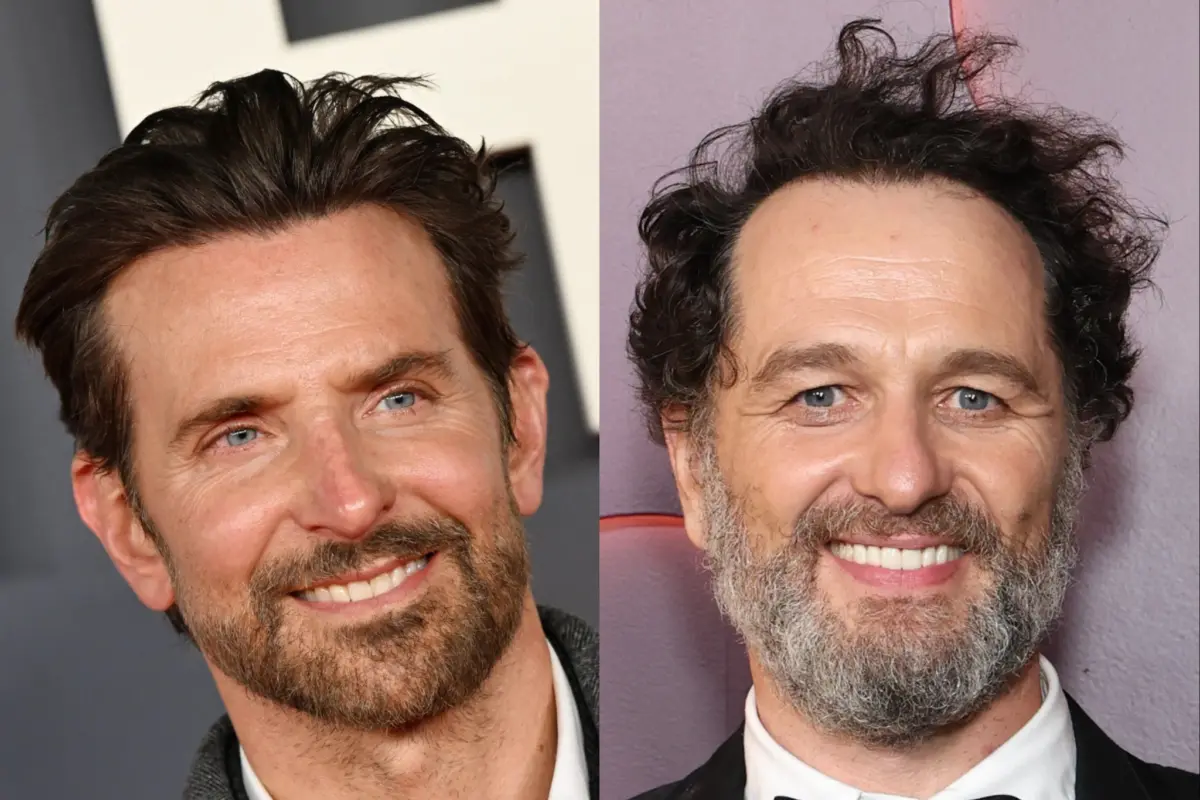
In the high-stakes, hyper-focused world of method-adjacent film acting, the boundary between performance and reality can occasionally blur with terrifying consequences. This cinematic truth was recently thrust back into the spotlight following a resurfaced interview from The Joe Rogan Experience, in which Hollywood heavyweight Bradley Cooper recounted a harrowing, life-threatening on-set incident involving acclaimed actor Matthew Rhys.
The story—originally shared earlier this year by Cooper—has quickly dominated social media and entertainment headlines following Rhys’s monumental, history-making triumph at the recent Emmy Awards, where he became the first person in television history to win two lead acting Emmys on the same night. While Rhys celebrated his unprecedented dual victories for the Apple TV+ comedy sensation Widow’s Bay and the chilling psychological drama The Beast In Me, the global film community was reminded of an entirely different kind of performance: the day Rhys inadvertently saved Cooper’s life during the grueling production of the 2015 culinary drama Burnt.
What began as an unscripted moment of intense emotional immersion quickly spiraled into a genuine medical emergency when Cooper, fully committed to portraying a fractured, suicidal master chef, placed an airtight sous-vide bag over his own head. As oxygen rapidly depleted and panic set in, it was Rhys—an actor Cooper had literally never met prior to that day—who instinctively recognized the mortal danger and tore the plastic away.
This comprehensive report examines the chilling behind-the-scenes incident, the unbreakable psychological bond forged between two of Hollywood’s most respected talents, the groundbreaking Emmy sweep that brought this story back to the forefront of pop culture, and the broader conversation surrounding safety, improvisation, and psychological intensity on modern film sets.
Detailed Chronology: The Making of Burnt and the Near-Tragedy
To understand the gravity of the incident on the set of Burnt, one must examine the intense environment cultivated during the film’s production. Released in 2015 and directed by John Wells, Burnt starred Bradley Cooper as Adam Jones, a once-celebrated Paris chef whose career imploded due to drug addiction and volatile behavior. Trying to rebuild his life and secure a third Michelin star in London, Jones’s journey is fraught with psychological torment, past ghosts, and the relentless pressure of perfectionism.
The Unscripted Escalation
The scene in question took place late in the shooting schedule. It involved a pivotal, deeply dark turning point where Cooper’s character, having slipped off the wagon and relapsed into his old self-destructive habits, confronts his former nemesis—played by Matthew Rhys—at his rival’s restaurant after hours.
According to Cooper’s vivid recollection on The Joe Rogan Experience, the two actors had never crossed paths prior to stepping onto the set that day. There was no rehearsal time to build interpersonal rapport or establish physical boundaries; they were thrust straight into a high-intensity dramatic confrontation.
As the cameras rolled, Cooper became hyper-focused, diving deep into the psychological abyss of a character contemplating the end of everything.
"I come in, and then I don’t know… I was pretty locked in," Cooper recalled to Rogan. "There was one scene which wasn’t really scripted. I took one of those sous vide bags and I put it over my head, because he’s trying to kill himself. Which, by the way, I was like: ‘Oh, this could work!’ If I don’t get help. Those things are strong and tight."
In professional kitchens, sous-vide bags are engineered to withstand extreme water baths and vacuum sealing. They are remarkably durable, non-porous, and designed to trap contents completely away from air and moisture. When pulled taut over a human head, these industrial-grade plastic barriers immediately restrict oxygen flow, creating an instant vacuum effect that seals tightly around the neck and facial contours.
The Intervention
As Cooper committed physically to the dark impulse, the boundary between acting and reality dissolved entirely. In the script, the encounter was meant to be confrontational and emotionally bruising, but Cooper’s spontaneous incorporation of the sous-vide bag introduced an unforeseen lethal hazard.
Fortunately, Matthew Rhys was paying close attention. Rather than remaining static within the expected blocking of the scene, Rhys—exercising sharp situational awareness—recognized that Cooper was genuinely suffocating.
"Then we had this experience, Joe, where he was ripping it off me, trying for me not to kill myself," Cooper shared. "And I don’t know him that well, but we had… that’s the thing about making art together. We had that experience. Every time I see him, I’ve seen him maybe six times at certain things… I always feel like we’re bonded forever just based on this one experience that we had."
Had Rhys hesitated for even a few seconds, assuming the act was merely high-level theatrical bravura, the outcome could have been catastrophic. Instead, swift instinct and professional intuition intervened, turning a potential on-set tragedy into a quiet, life-saving rescue.
Supporting Context & Metrics: The Historic 2026 Emmy Sweep
The resurgence of Cooper’s harrowing anecdote coincided with one of the most remarkable nights in television history. Matthew Rhys dominated the conversation at the latest Emmy Awards ceremony, shattering longstanding industry ceilings and cementing his status as a generational acting talent.
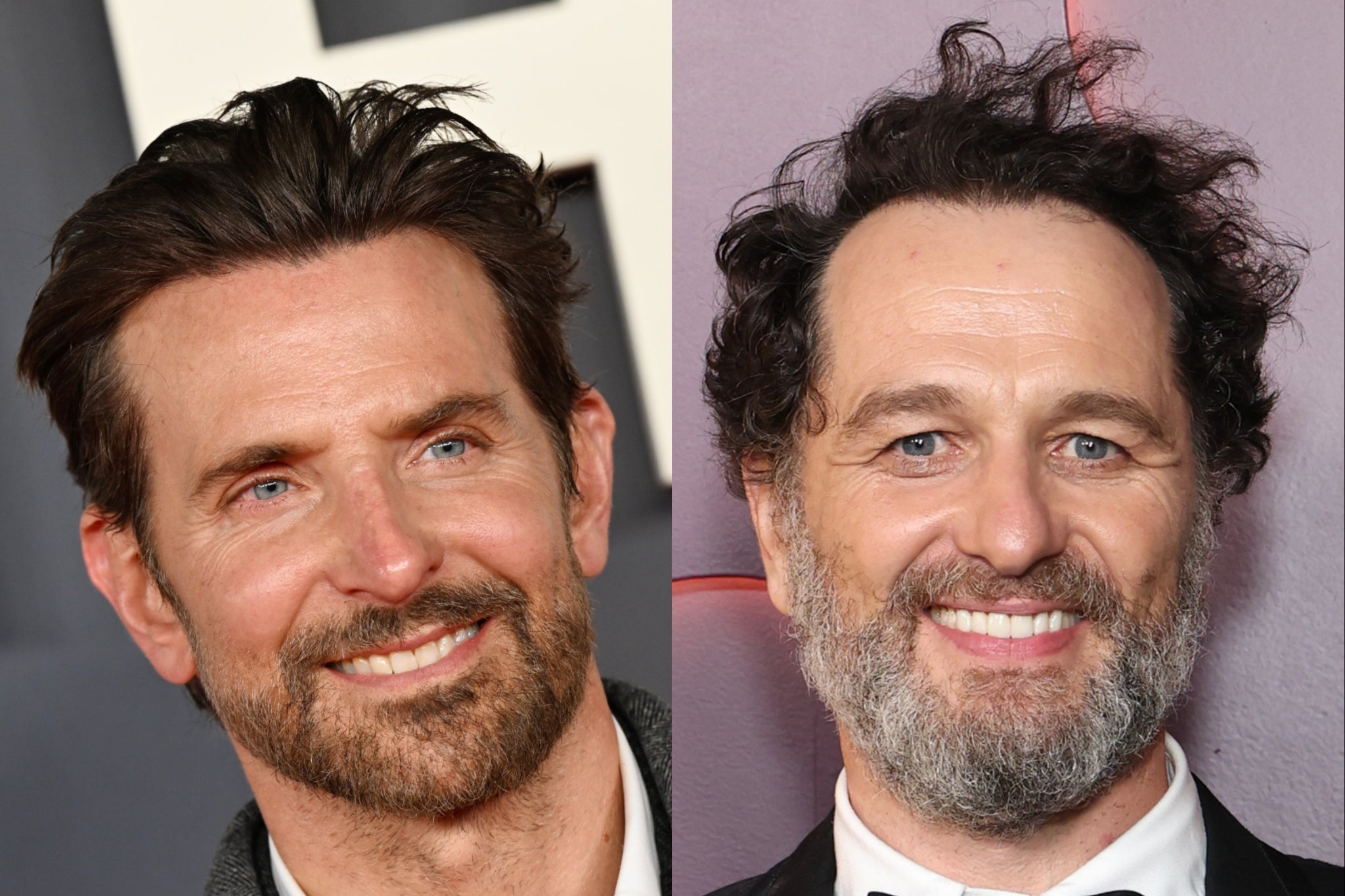
Breaking New Ground at the Emmys
Rhys achieved what many critics and industry analysts previously thought impossible: winning two lead acting Emmys on the same night across completely different genres.
- Comedy Domination: Rhys took home the lead actor in a comedy series trophy for his acclaimed performance in Widow’s Bay. The Apple TV+ series went on to achieve a staggering sweep, capturing 14 total trophies, including the coveted Best Comedy Series prize.
- Dramatic Excellence: Demonstrating his immense dramatic range, Rhys also secured the lead actor in a limited or anthology series or movie award for his chilling, multi-layered performance in the psychological drama The Beast In Me.
This dual triumph represents an unprecedented milestone in the 78-year history of the Primetime Emmy Awards. Never before has a single performer walked away with dual lead acting accolades during the same gala event.
A Historic Night for Television Veterans
Rhys wasn’t the only legend making history during the ceremony. Acclaimed actress Jean Smart also carved her name deeper into television lore by capturing another lead actress trophy for Hacks. With this latest victory, Smart tied television icons Julia Louis-Dreyfus and Cloris Leachman for the most overall acting wins (eight) in Emmy history, officially securing lead actress honors for every single season of Hacks to date.
The simultaneous celebration of Rhys’s historic night and the resurfacing of Cooper’s Burnt anecdote created a viral media storm, driving millions of impressions across platforms like X (formerly Twitter), TikTok, and major entertainment news outlets. Fans and industry peers alike marveled at the dual narrative: an actor who once saved a Hollywood superstar from accidental asphyxiation was now claiming his rightful place at the absolute pinnacle of television achievement.
Official Statements and Industry Reflections
While neither Bradley Cooper nor Matthew Rhys immediately issued formal statements regarding the viral recirculation of the podcast clip, industry reactions have poured in from directors, safety coordinators, and fellow actors.
The incident has sparked renewed conversations within Hollywood about the inherent risks of unscripted improvisation on set. While directors often encourage actors to "live in the moment" and follow organic impulses, safety advocacy groups have long warned against physical stunts or asphyxiation-adjacent performances executed without the presence of trained stunt coordinators or specialized medical personnel.
A prominent Los Angeles-based assistant director, speaking on background about set safety protocols, noted:
"What happened on Burnt highlights both the brilliance and the terrifying unpredictability of elite actors. When someone like Bradley Cooper locks into a character of that emotional magnitude, the rational brain can occasionally take a back seat to the emotional truth of the scene. It is a testament to Matthew Rhys’s presence of mind that he looked past the performance, saw the human being in distress, and reacted instantly."
Furthermore, Cooper’s public praise of Rhys—describing him as “an incredible actor” and noting an eternal bond forged in the crucible of that single afternoon—underscores the deep, often unspoken camaraderie that develops among artists working under intense pressure. Despite having never met prior to filming that day, the two men share a psychological connection that transcends typical Hollywood acquaintanceships.
Future Outlook: What Lies Ahead for Cooper and Rhys
As the dust settles on an extraordinary awards season, both Bradley Cooper and Matthew Rhys look toward ambitious slates of upcoming projects, carrying with them the weight of their respective legacies.
Matthew Rhys’s Post-Emmy Trajectory
Having rewritten the record books with his dual Emmy wins, Rhys faces an enviable problem: choosing from an avalanche of high-profile offers. Industry insiders report that major studios and streaming networks are aggressively courting the Welsh actor for upcoming prestige features and serialized dramas. Following the massive global success of Widow’s Bay—which has already been renewed for subsequent seasons by Apple TV+—Rhys is set to expand his creative footprint, potentially moving into executive producer roles for future psychological thrillers.
Bradley Cooper’s Directorial and Acting Slate
Bradley Cooper continues to cement his status as a triple-threat filmmaker, balancing high-profile acting roles with critically acclaimed directorial ventures like A Star Is Born and Maestro. Cooper’s commitment to deep emotional authenticity—while occasionally perilous, as demonstrated on the set of Burnt—remains the hallmark of his career. Moving forward, sources close to Cooper indicate that production teams working alongside the actor have implemented stricter safety guidelines for emotionally volatile or physically intensive sequences, ensuring that total immersion never again crosses the line into genuine physical hazard.
The Enduring Legacy of an Unscripted Moment
Ultimately, the story of how Matthew Rhys saved Bradley Cooper serves as a fascinating footnote in modern cinema history—a jarring reminder that movie magic is sometimes forged through genuine peril. As Rhys basks in the well-deserved glory of his historic Emmy sweep, the entertainment world is reminded that behind the glittering awards, the red carpets, and the pristine masterclasses of acting, these performers put their physical and mental well-being on the line to move audiences.
And sometimes, it takes a fellow actor to pull them back from the brink.