Executive Overview
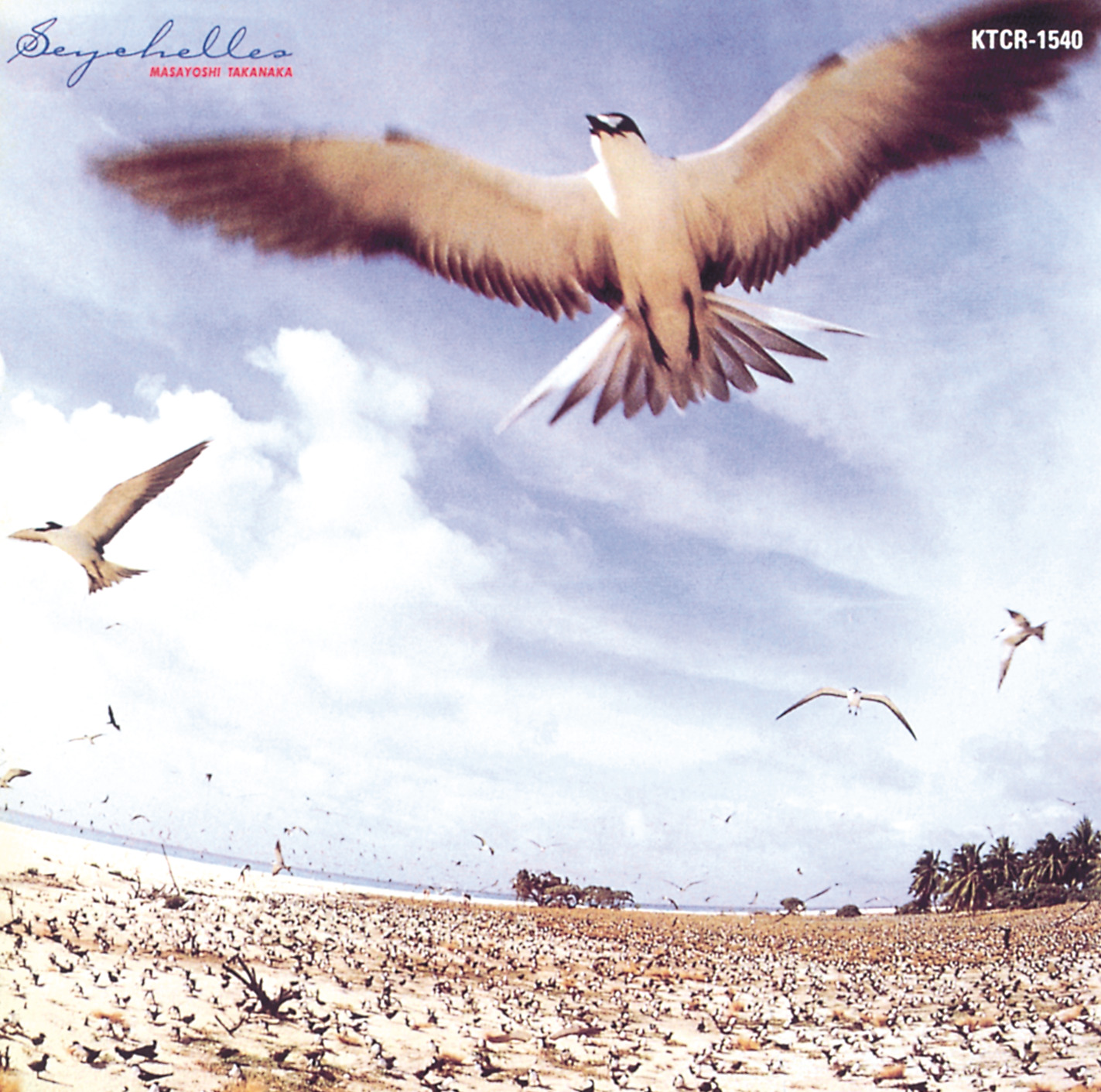
To understand Japanese city pop is to understand a mirage made of sound: sun-soaked, geometric coastal vistas, artificially perfect palm trees standing sentinel against improbable blue skies, iridescent neon signs glowing pink in the humid dusk, and litter-free freeways leading toward an urban existence of endless romance and possibility. More so than almost any other genre in modern music history, city pop describes an entire era, an aesthetic, a psychological vibe, and an idealized lifestyle rather than merely a sonic signature.
Originating during Japan’s roaring economic bubble of the late 1970s and 1980s—an era when the nation boasted the world’s second-largest music market—city pop emerged from an underground movement originally known simply as "New Music." Driven by songwriters and musicians heavily influenced by American folk, jazz, funk, soul, and disco, the genre has quietly mutated from an obscure internet-era obsession into a global cultural phenomenon.
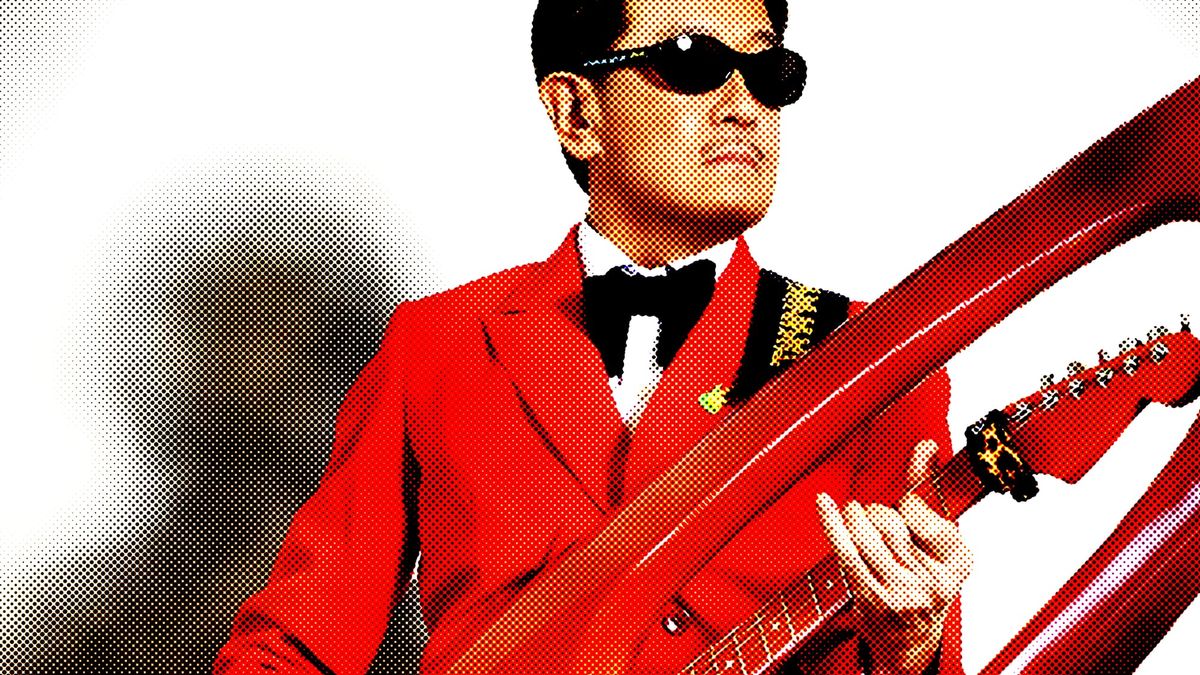
This ongoing revival reaches a landmark moment in August 2026, when guitar virtuoso Masayoshi Takanaka headlines City Pop Waves at Crystal Palace Bowl, marking London’s first-ever outdoor festival dedicated entirely to the genre. To celebrate this watershed moment, we turn to Rough Trade Nottingham’s resident city pop enthusiast, Jono Beard, to curate ten essential albums that map out the evolution, depth, and sheer auditory luxury of a genre that continues to captivate the world decades after its initial broadcast.
Detailed Chronology: Ten Essential City Pop Masterpieces
Japan’s unprecedented economic prosperity during this period birthed an embarrassment of musical riches. While countless acts shaped the landscape, Jono Beard traces the evolution of the genre through ten definitive chronological releases, spanning from its jazz-infused infancy to its hyper-digital, neo-swing culmination.
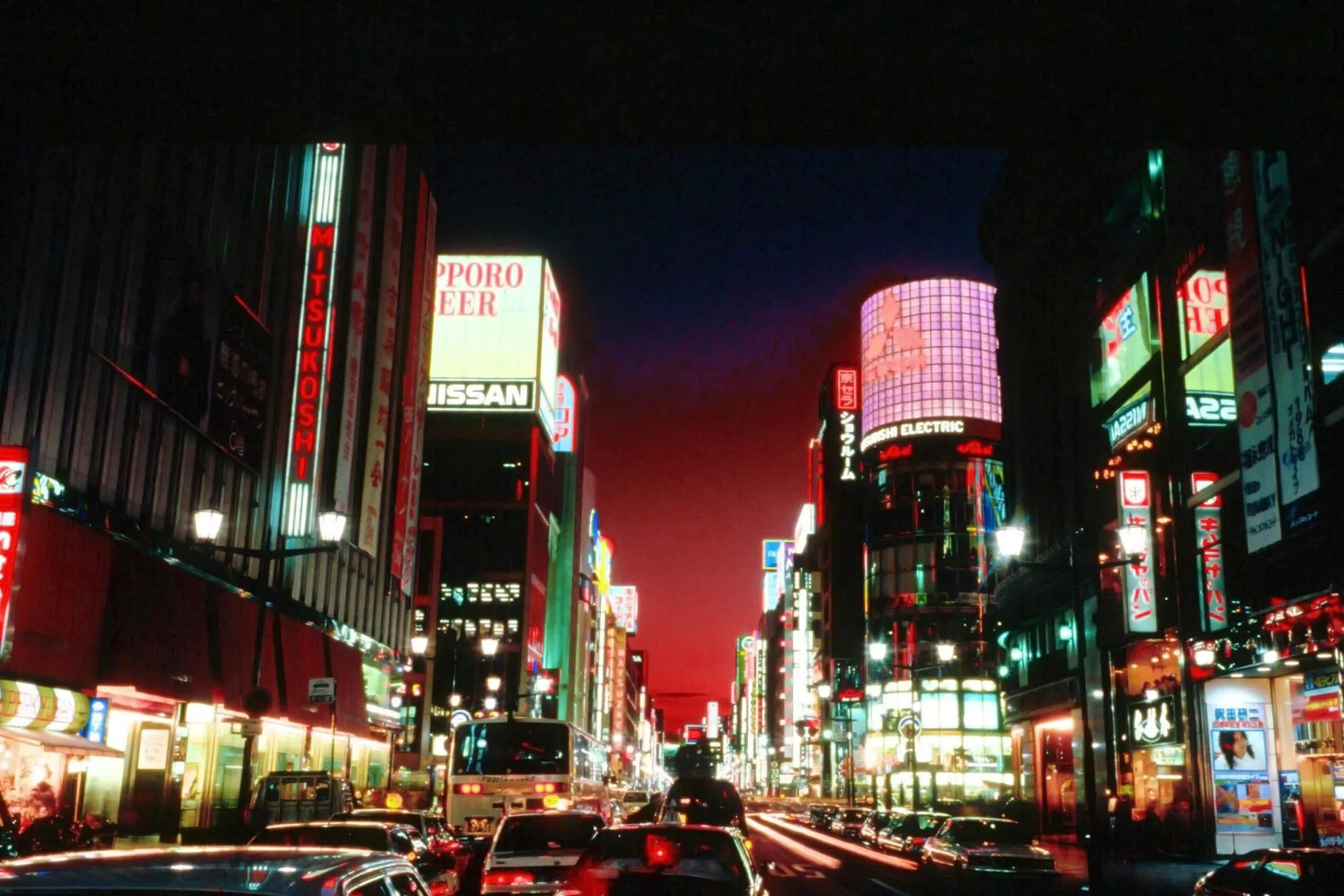
1. Masayoshi Takanaka – Seychelles (1976)
Released in the summer of 1976, Seychelles is a quintessential milestone, standing as one of the earliest codifications of the city pop ethos (narrowly predated by seminal records like Sugar Babe’s Songs). While technically rooted in jazz-fusion, Takanaka’s virtuosic, Carlos Santana-esque guitar lines brought a vibrant, breezy, and tropical energy that effectively outlined the vibe the world would later call city pop. Akin to American yacht rock, the songs are light and sophisticated, with the true star being the supreme musicianship. Takanaka’s intricate arrangements announced an artist fully formed in his auteurship, paving the way for decades of masterworks.
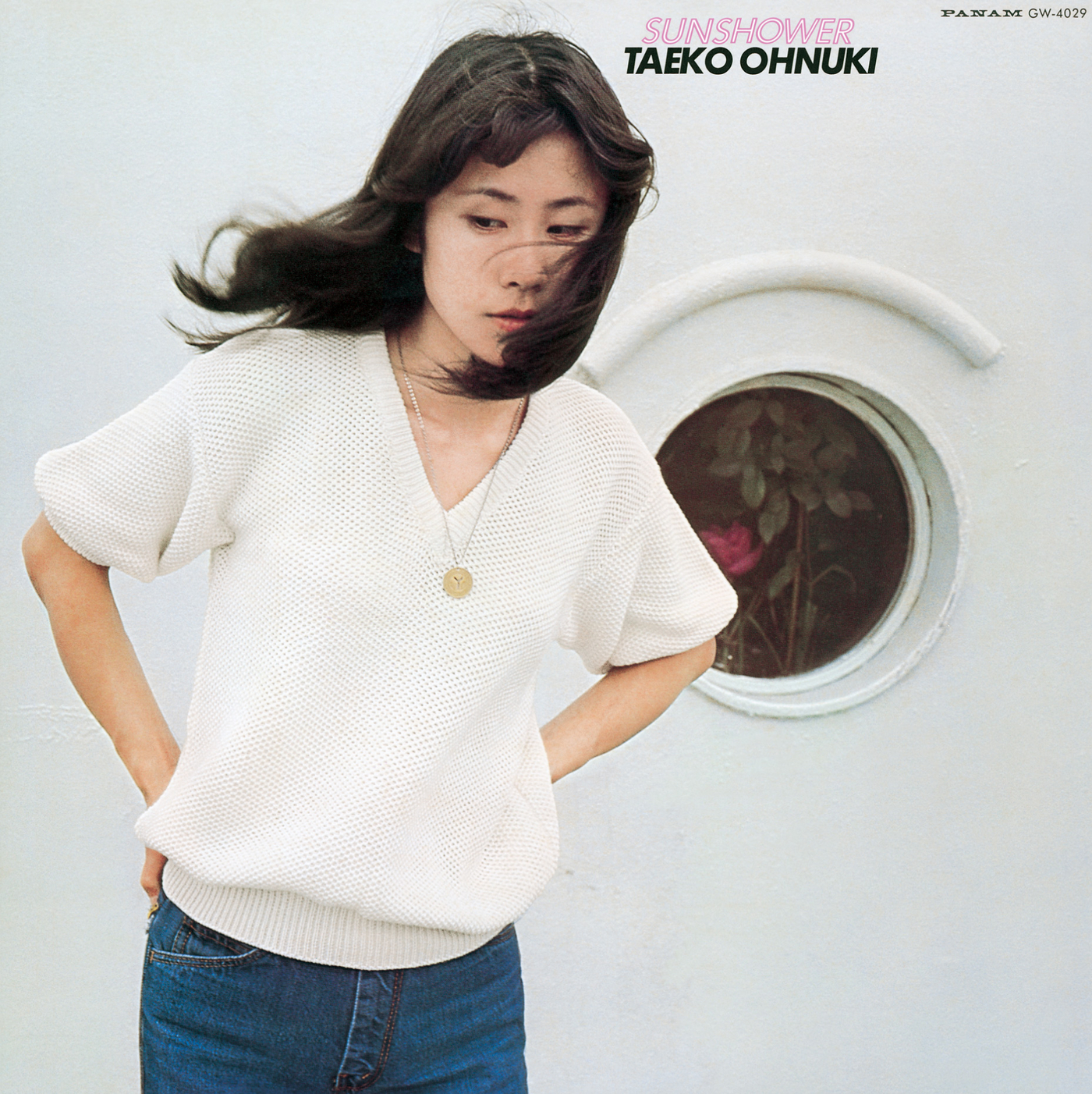
2. Taeko Ohnuki – Sunshower (1977)
A founding member of Sugar Babe, Taeko Ohnuki followed her 1976 solo debut Grey Skies with the phenomenal sophomore record, Sunshower. Already celebrated by international crate-diggers for over a decade, this album bridges the gap between the loose "New Music" movement and the commercial, funk-heavy sound that would dominate the 1980s. The intricate funk arrangements—courtesy of a pre-Yellow Magic Orchestra Ryuichi Sakamoto—are masterfully juxtaposed against Ohnuki’s airy, pure, and uniquely quirky vocal tone. Sakamoto also contributes rippling, unsettling synthesizers to the spooky penultimate track, "Sargasso Sea."
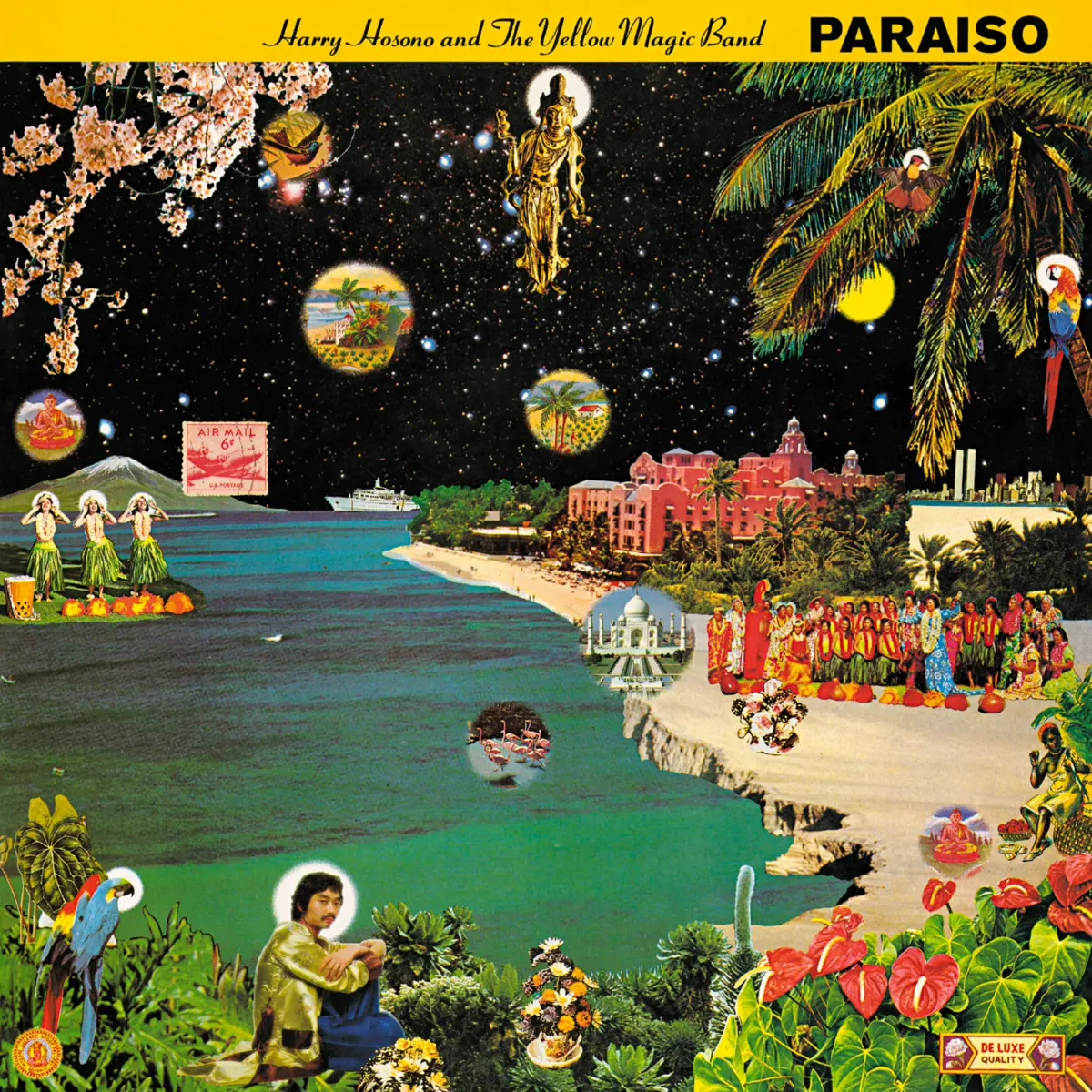
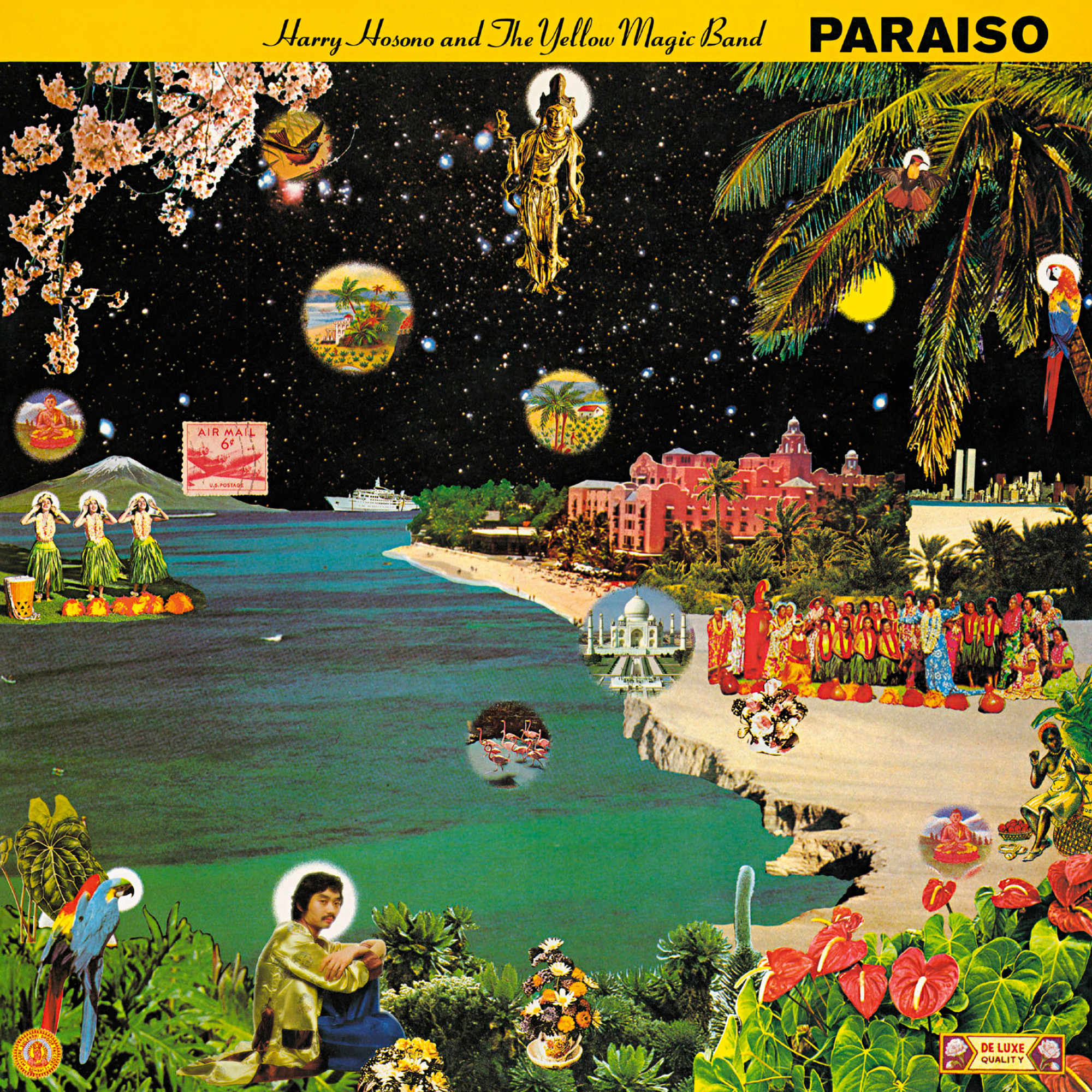
3. Haruomi Hosono – Paraiso (1978)
As one of the wackier and more adventurous releases on this list, Haruomi Hosono’s Paraiso leans into the playful experimentation that characterized Japan’s creative vanguard. The legendary composer, producer, and co-founder of Yellow Magic Orchestra and Happy End delivers a supremely uplifting, psychedelic blend of exotica and tropicalia. Imagine a record produced by Les Baxter and fronted by a sonic hybrid of Little Feat and Bill Withers. It remains a masterclass in cross-cultural stylistic pastiche.
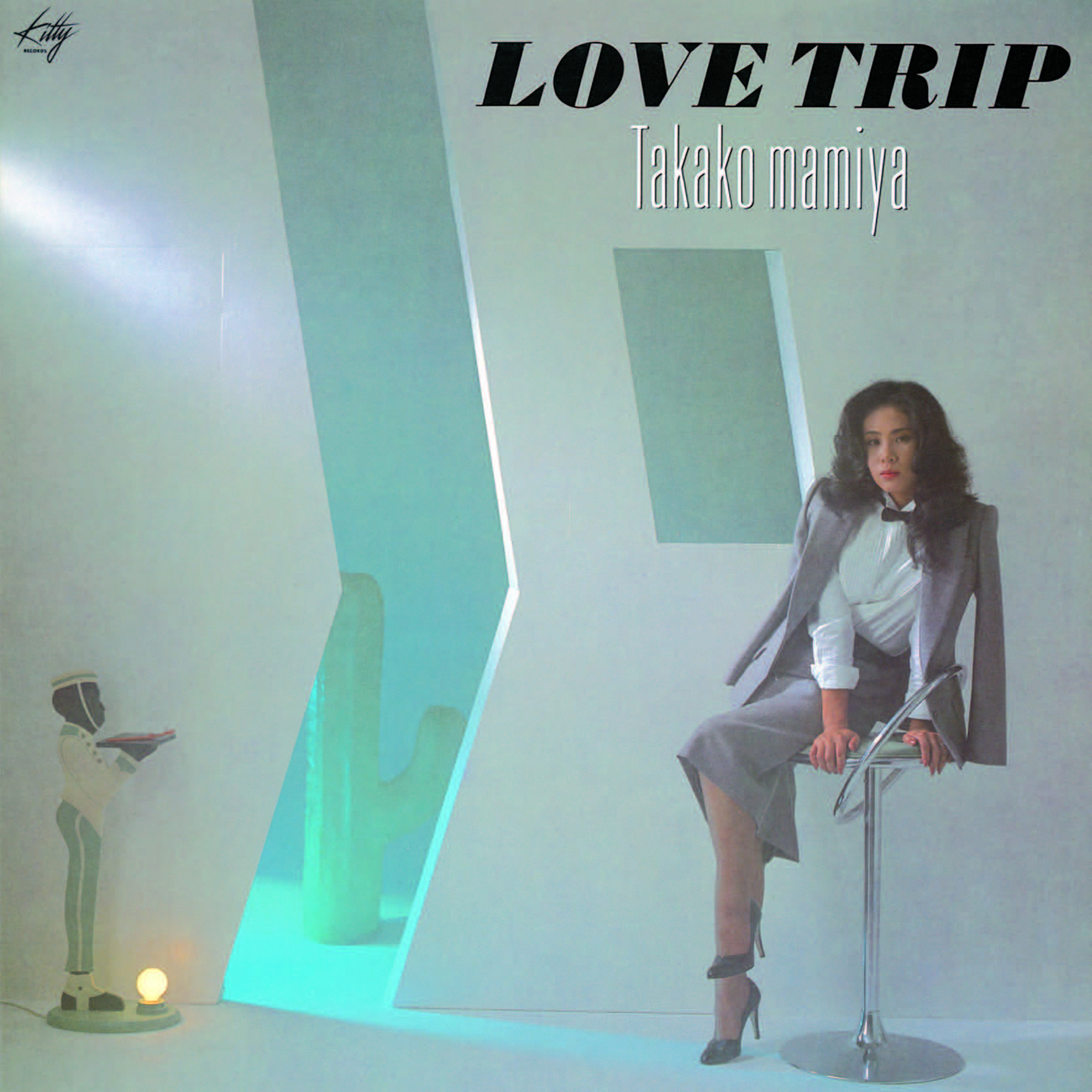
4. Takako Mamiya – Love Trip (1982)
From its effortlessly classy sleeve art to the iconic Kitty Records center label, everything about Love Trip telegraphs "cult classic." Compounded by the enigmatic story of Mamiya—who released only this single studio album—the record has attained internet-era legend status. Yet the music easily justifies the hype. Sitting at the hyper-sophisticated intersection of city pop, sophisti-pop, and smooth jazz, tracks from Love Trip would sit comfortably on a playlist alongside Roxy Music’s Avalon, Randy Crawford’s Secret Combination, or Everything But The Girl’s The Language Of Life.
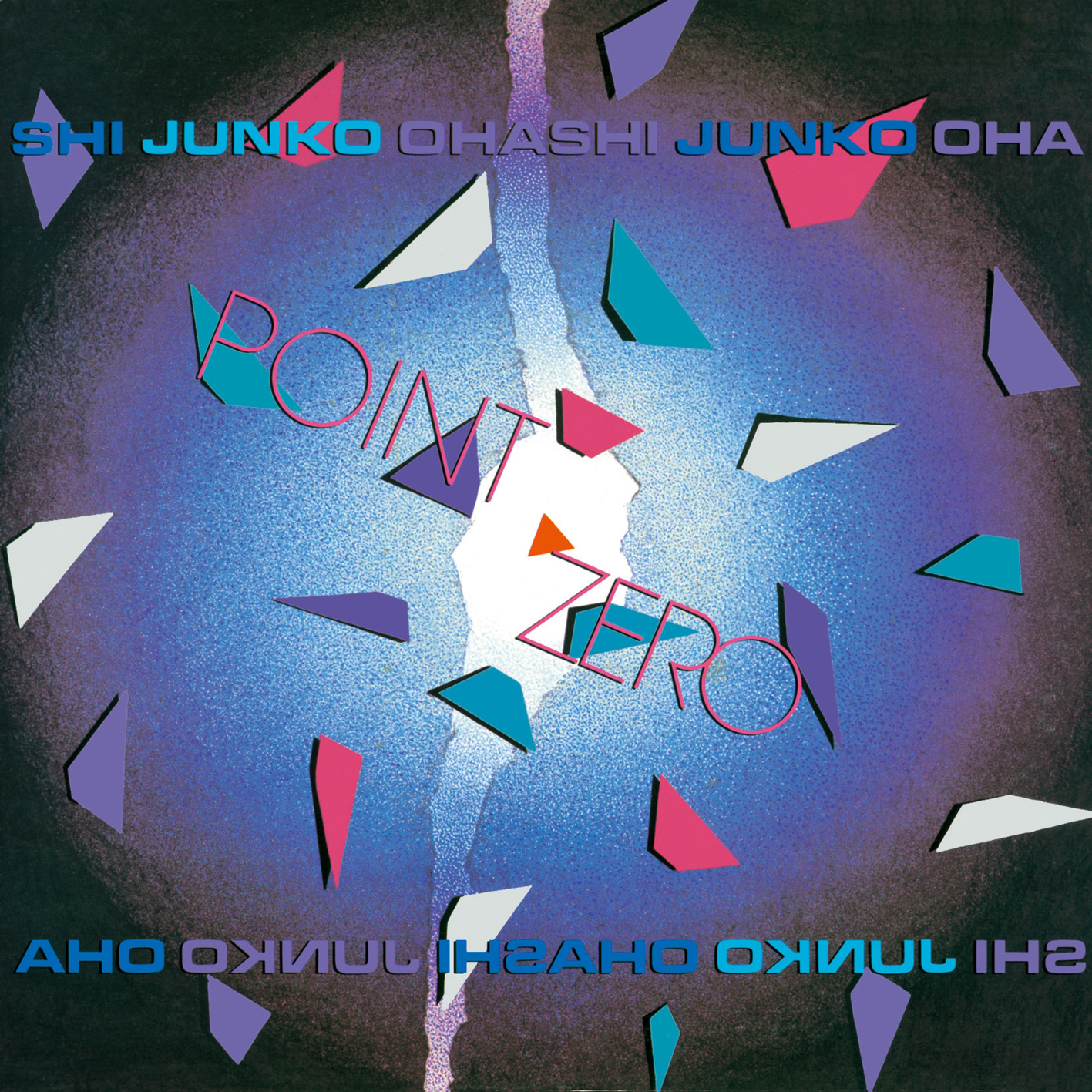
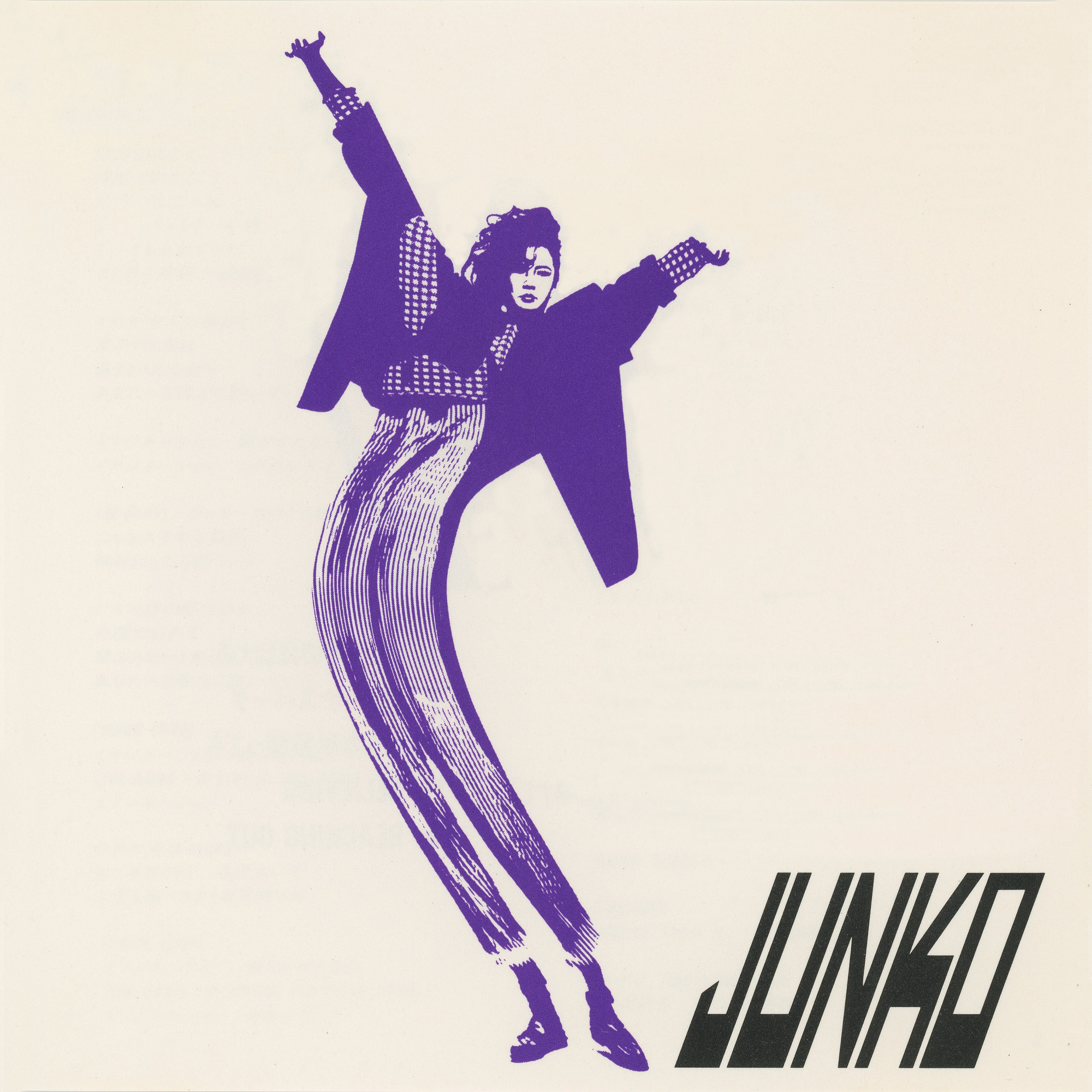
5. Junko Ohashi – Point Zero (1983)
While best known for her definitive compilation Magical, soul powerhouse Junko Ohashi achieved something far more daring with her 11th studio album, Point Zero. Recorded in New York alongside elite American session musicians, this kaleidoscopic post-disco record is a revelation. It is bookended by the gold-standard boogie classic "Dancin" and the irresistibly catchy closer "Sugao no Mama de," while the futuristic "Sensual Night" demonstrates a compositional foresight years ahead of its time.
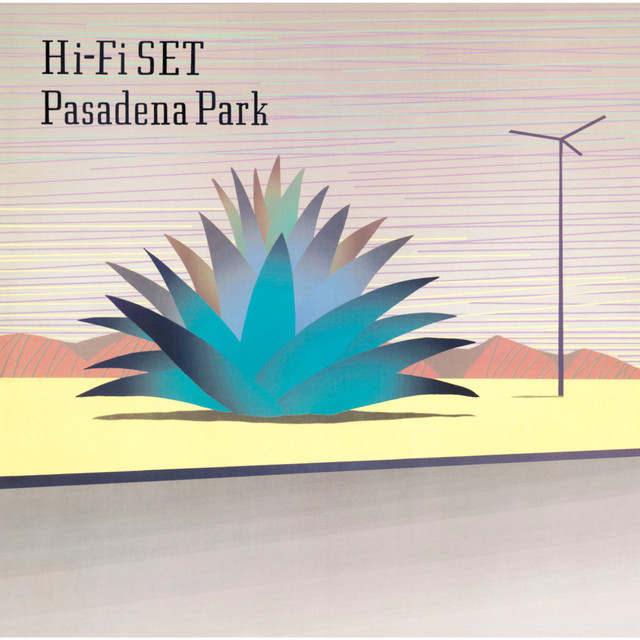
6. Hi-Fi Set – Pasadena Park (1984)
Rising from the ashes of the folk outfit Akai Tori (The Red Birds), Hi-Fi Set transitioned toward lush, decadent jazz-funk harmonies reminiscent of Manhattan Transfer. By 1984, their sound mirrored the opulent materialism of the decade’s economic bubble. From the minimalist Japanese-Americana cover art to the sophisti-pop contents—evoking a cross between Swing Out Sister and The Carpenters—Pasadena Park is an archetypal city pop text.
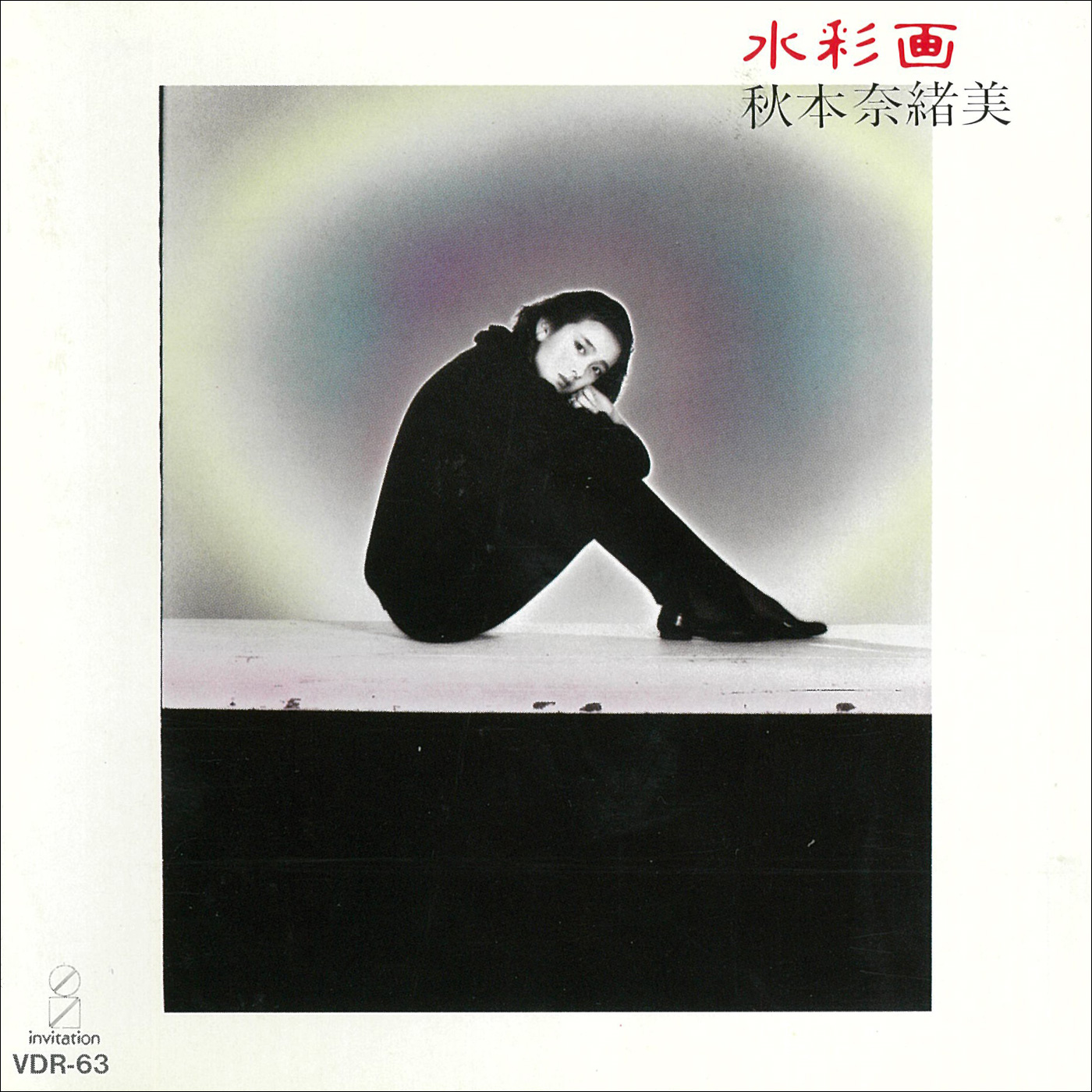
7. Naomi Akimoto – Suisaiga (1984)
Translating to "watercolor painting," Suisaiga is an outlier in the city pop canon: ethereal, melancholy, and deeply idiosyncratic. Rather than relying on sunlit funk grooves, Akimoto utilizes heavy reverb, sparse synthesizer textures, and understated vocals to craft something akin to an early blueprint for alternative R&B. It is neither sunny nor danceable, but it remains a hypnotically singular listening experience.
8. Junko Yagami – Communication (1985)
After departing Discomate Records for Moon Records, Junko Yagami consolidated her pop dominance with Communication. Eschewing organic instrumentation for a hi-NRG, digital synth-funk arena, the album serves as a zany, Jean-Paul Goude-inspired voyage into a futuristic Tokyo. From the Madonna-esque title track to the electronic reggae-pop of "Johannesburg," Yagami captures the hyper-modern ambition of mid-80s Japan.
9. Rajie – Espresso (1985)
On her seventh and final studio album, veteran singer-songwriter Rajie effectively invented a distinctively Japanese, wintry variation of dream pop, predating Western and domestic equivalents by years. Espresso relies on ethereal vocals, dreamlike synthesizers over chorused guitar lines, and washes of warm reverb. Beneath the otherworldly atmospheric production lies a sturdy, highly accessible pop core.
10. RA MU – Thanks Giving (1988)
For fans tracking the twilight of the bubble era, RA MU represents the ultimate synthesis of the Idol pop phenomenon and advanced city pop production. Fronted by Momoko Kikuchi alongside prolific backing vocalists Rosalyn Renee Keel and Darelle-Foster Holden, the group combined Kikuchi’s signature whispered delivery with bright, new jack swing-infused R&B arrangements. It stands as a brilliant, glittering epitaph to an era of unbridled musical excess.
Supporting Context & Metrics: The Mechanics of a Revival
The international explosion of city pop is not merely a nostalgic internet fluke; it is supported by a massive shift in global listening habits, physical music economics, and cross-border digital distribution.
- The YouTube Algorithm Catalyst: The revival began taking serious shape in the mid-2010s, largely catalyzed by YouTube’s recommendation algorithm serving up Miki Matsubara’s 1979 track "Stay With Me" to millions of international users worldwide.
- Physical Market Resurgence: According to international distribution data from independent record networks, Japanese vinyl imports and domestic represses have seen exponential year-on-year growth across North America and Europe since 2020.
- Economic Parallelism: Cultural sociologists note that the current global fascination with 1980s Tokyo mirrors the youth fascination with hyper-capitalist aesthetics, high-gloss production values, and retro-futuristic optimism during periods of modern socio-economic uncertainty.
Official Statements & Industry Outlook
The maturation of city pop from a niche internet subculture into a legitimate fixture of the global festival circuit is underscored by landmark events like the upcoming City Pop Waves festival at Crystal Palace Bowl.
Industry figures emphasize that the genre’s longevity lies in its uncompromising standard of musicianship. Unlike many contemporary bedroom-produced genres, city pop was constructed by some of the most proficient session players, jazz arrangers, and vocalists of the 20th century. Record labels are responding in kind, with companies actively acquiring licensing rights to repress long-out-of-print masterworks on high-fidelity vinyl to meet soaring Western demand.
As Jono Beard notes:
"The great thing for anyone getting into city pop these days is that it’s becoming easier than ever to find on vinyl outside of Japan, thanks to the efforts of record companies and distributors who are starting to import and/or repress it at an increasing rate to meet the growing demand."
Future Outlook
While titans like Tatsuro Yamashita, Anri, Miki Matsubara, and Minako Yoshida continue to command astronomical prices on the secondary collector market, the horizons of the genre are expanding.
Looking toward 2026 and beyond, the influence of city pop is fracturing into new sub-genres, inspiring modern indie-pop producers, vaporwave offshoots, and international neo-soul acts. Festivals like City Pop Waves prove that this music was never merely a historical relic of Japan’s economic bubble—it is a living, breathing blueprint for sophisticated pop music that transcends language barriers and generational divides. Whether discovered through a dusty crate in Nottingham or an algorithm-generated playlist in Los Angeles, the neon-lit coastline of city pop remains open for exploration.