Executive Overview
Few bands capture the specific, shadowy architecture of urban isolation quite like Interpol. Emerging from the Manhattan indie sleaze vanguard of the early 2000s, the band stepped onto the global stage draped in sharp designer suits, armed with driving, atmospheric guitar lines and a disaffected, baritone tone. They painted an ashen, cinematic picture of a post-9/11 New York City—a metropolis grappling with its own reflection in the wake of tragedy.
With stark guitars, cyclical rhythms, and a brooding aesthetic that immediately invited comparisons to Joy Division, Interpol staked their claim as true torchbearers of the post-punk revival. Yet, their knack for soaring melodic hooks and polished grandeur has always placed them just as comfortably within the broader pantheon of alternative and indie rock. Genre classifications, however, feel secondary when confronting music this emotionally resonant. When the world demands melancholy, no one delivers it with quite the same surgical precision as Interpol.
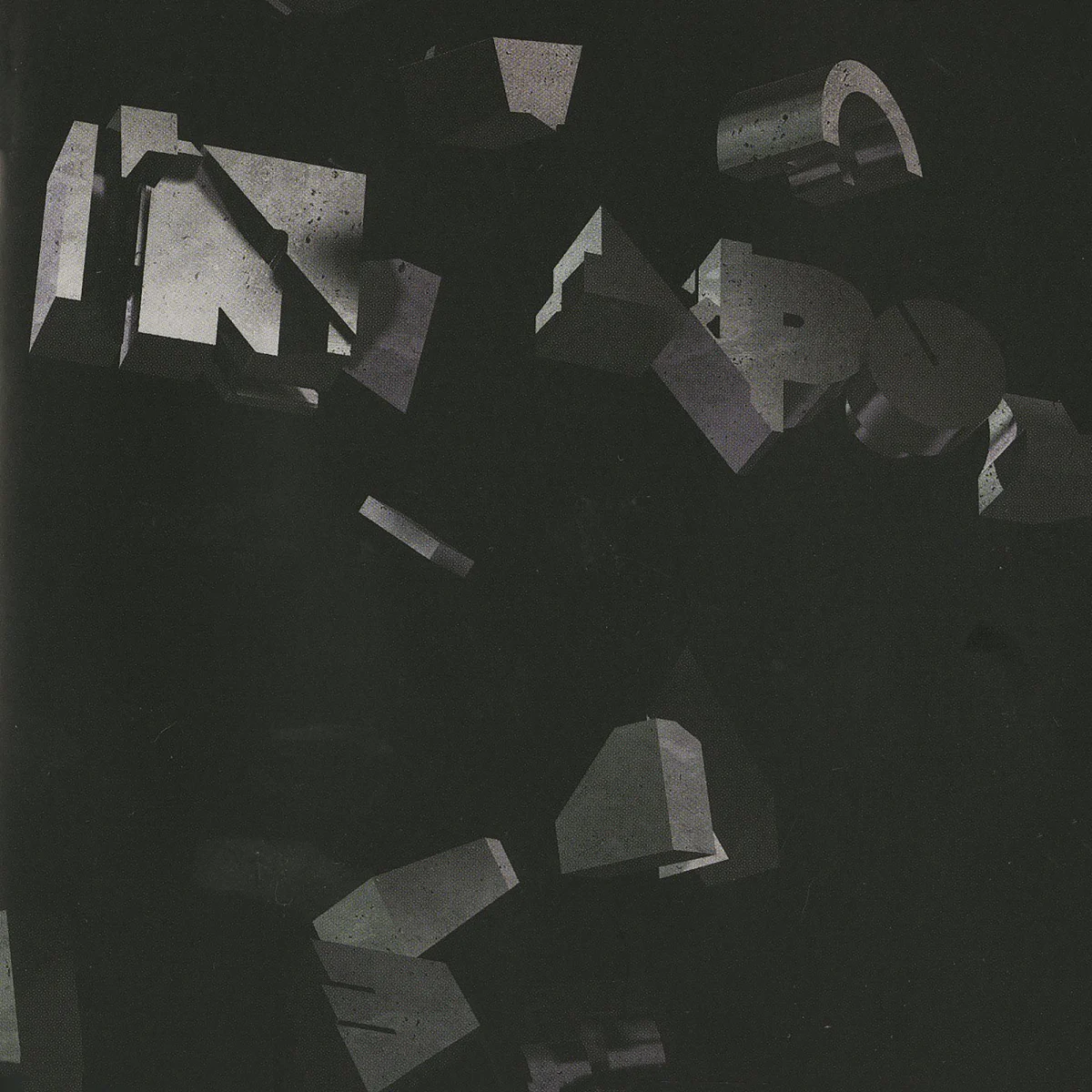
To mark the release of the band’s eighth studio album, This Mirror Weighs a Ton, Matt Baghurst—Manager of Rough Trade Denmark Street and a lifelong devotee who first caught the New York legends on the Other Stage at Glastonbury in 2014—undertakes the definitive task. Baghurst has meticulously ranked Interpol’s immaculate discography from great to greatest.
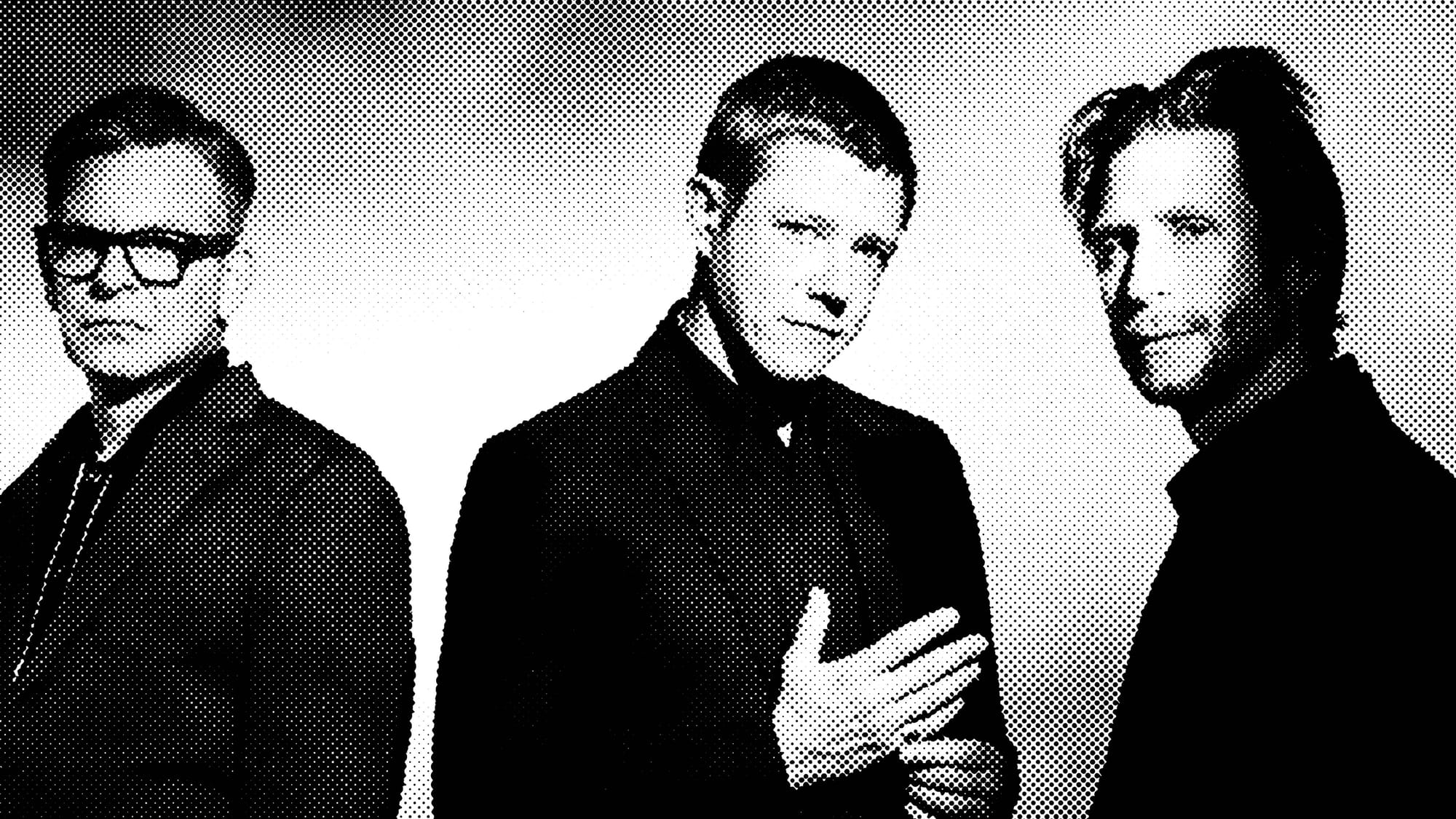
Before diving into the list, it is worth noting that a new Interpol record deserves time to live, breathe, and find its place in the world before taking a spot in the hierarchy. Consequently, This Mirror Weighs a Ton is left off the official ranking for now, allowing it space to integrate into the band’s rich sonic legacy.
Detailed Chronology: The Complete Album Ranking
7. Interpol (2010)
6. The Other Side of Make-Believe (2022)
5. Our Love to Admire (2007)
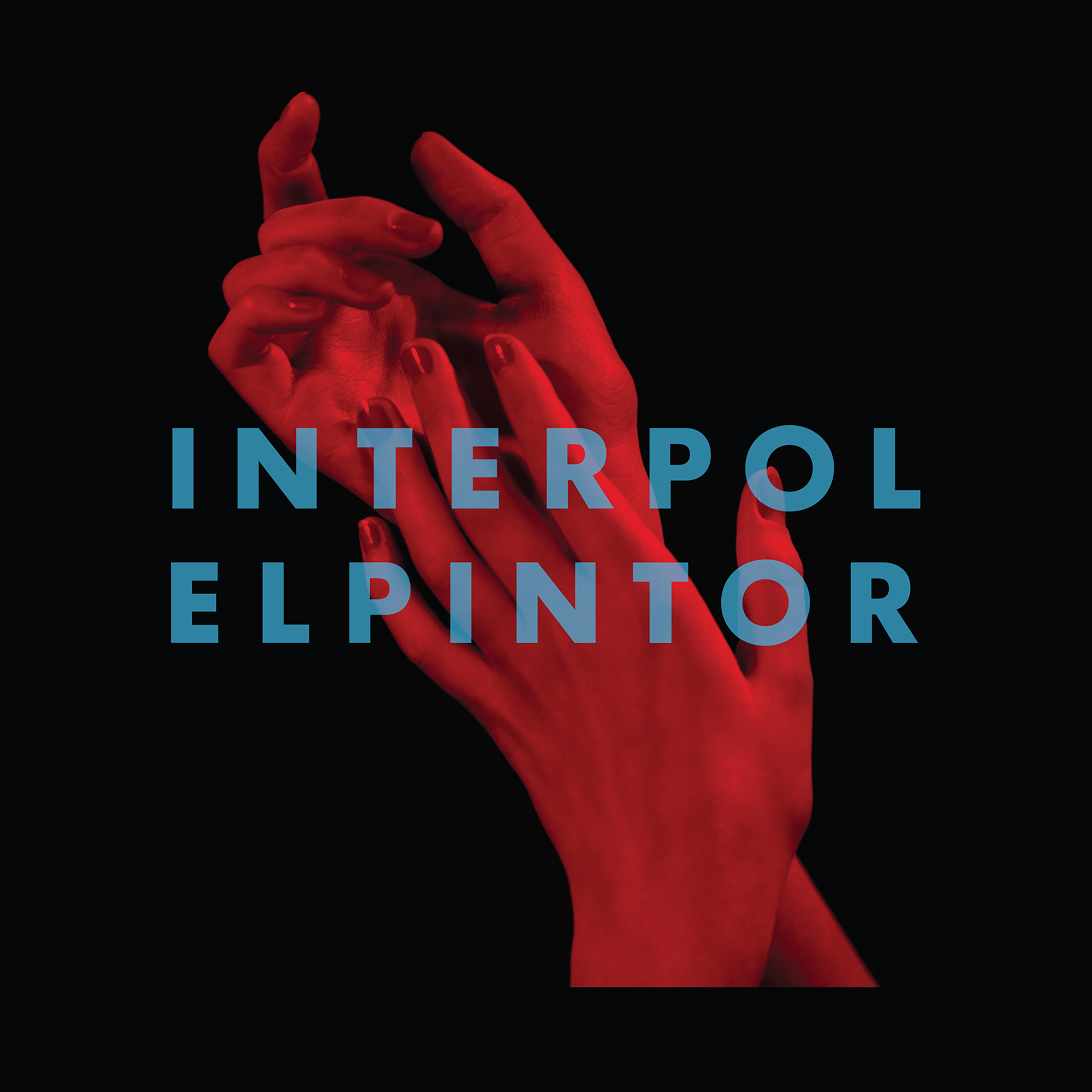
4. El Pintor (2014)
3. Marauder (2018)
2. Antics (2004)
1. Turn On the Bright Lights (2002)
7. Interpol (2010)
Kicking off the ranking is the band’s self-titled fourth full-length release from 2010. While the record features undeniable highlights—such as the cavernous "Lights" and the driving, urgent "Barricade," which stands as a career highlight—it became increasingly apparent that a decade of relentless, back-to-back writing and touring had begun to exhaust the group.
The lyrical themes reinforce the physical and mental strain surrounding the recording sessions. Internal frictions during production are palpable, manifesting as a temporary loss of a core songwriting identity. However, retrospective evaluation reveals that subsequent releases have granted this album much-needed sonic context. Listening back today, it has aged far better than its contemporary critics suggested.
- Key Track: "Summer Well"
6. The Other Side of Make-Believe (2022)
A cinematic album characterized by a deliberate, slower tempo, The Other Side of Make-Believe demonstrates the band’s ongoing commitment to evolving their sound. Standout tracks like "Toni," "Gran Hotel," and "Something Changed" highlight a mature restraint, capturing the band’s attempt to make sense of a global landscape gripped by pandemic-era isolation and heightened fear.
Though softer and more reflective, the record retains the essential moodiness woven into Interpol’s DNA. A notable footnote to this era is the brilliant remix companion project, which saw forward-thinking electronic and avant-garde artists such as Jeff Parker, Water From Your Eyes, and Daniel Avery deconstruct and reimagine the album’s source material.
- Key Track: "Toni"
5. Our Love to Admire (2007)
Placing this major-label debut for Capitol Records further down the list may ruffle feathers, but despite commercial hits like "No I in Threesome" and "The Heinrich Maneuver," Our Love to Admire contained early warning signs of a hardening sonic staleness. The inflexibility that defined this era would ultimately culminate in the creative gridlock of their self-titled follow-up.
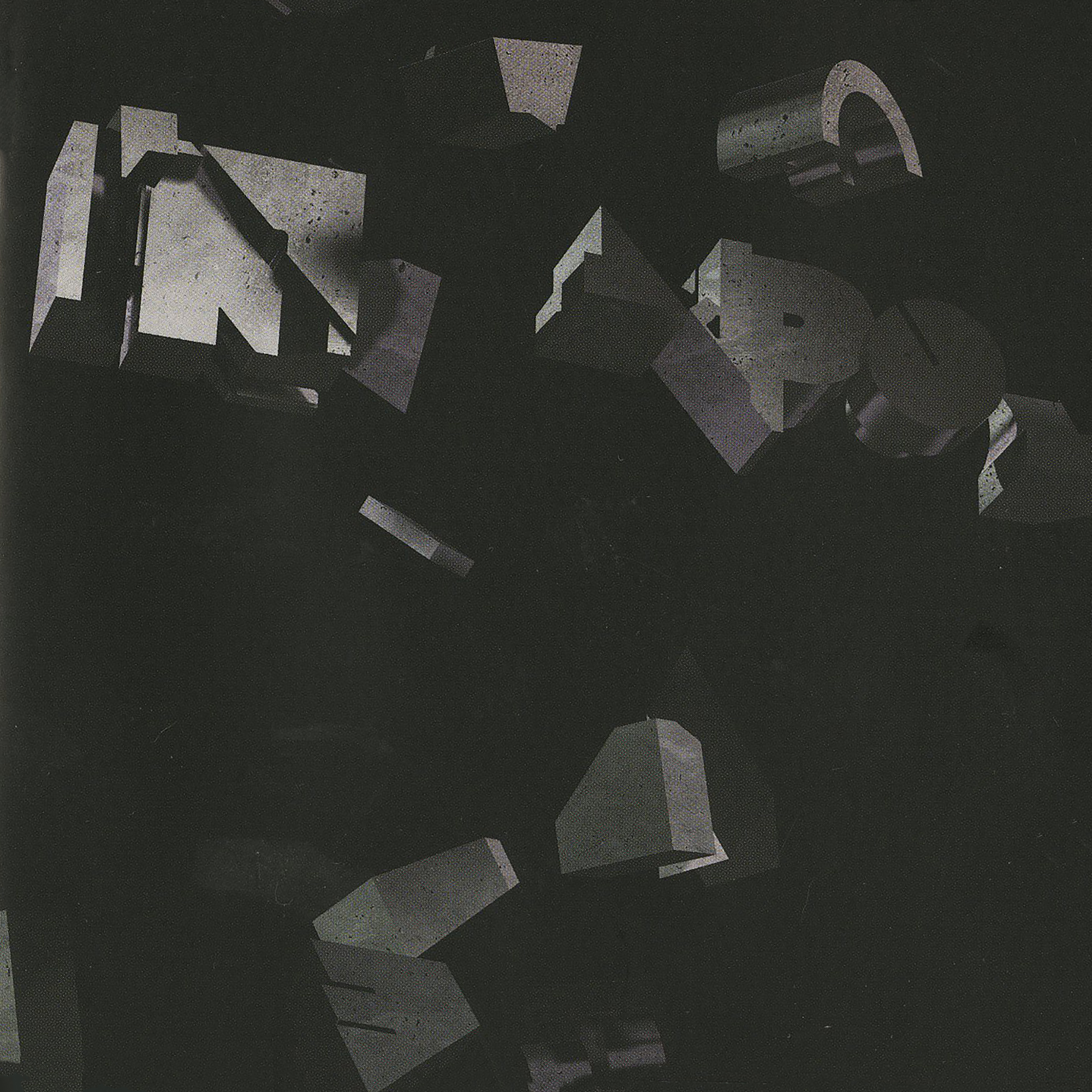
By no means a bad record—in fact, it boasts some of Paul Banks’ finest vocal performances, practically spitting out poetic couplets on "Pace Is the Trick"—it lacks the structural importance of other milestones in the band’s catalog.
- Key Track: "Rest My Chemistry"
4. El Pintor (2014)
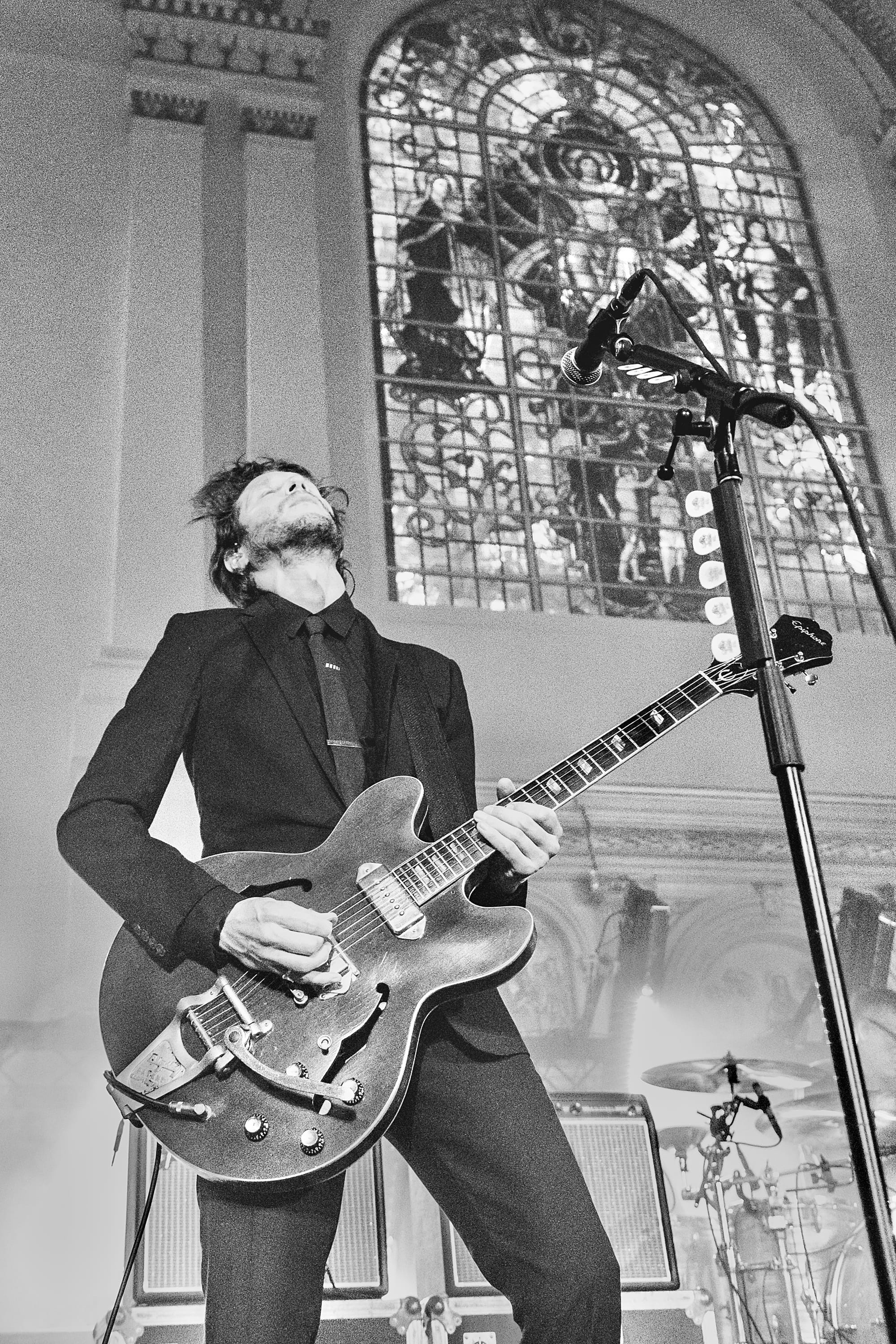
Before El Pintor, Interpol had found themselves creatively cornered. The departure of foundational bassist Carlos Dengler—whose distinct melodic playing was central to the band’s early identity—marked a monumental turning point. Left as a trio, Paul Banks, Daniel Kessler, and Sam Fogarino had to confront an uncertain future.
In a bold move, Banks took over bass duties. This structural shift injected fresh electricity into the group: songs felt more direct, muscular, and rhythmically focused. El Pintor ranks higher than its predecessor because its success proved the band could survive profound loss through adaptation. Without this record’s triumph, it is fair to question whether Interpol would still exist today.
- Key Track: "Anywhere"
3. Marauder (2018)
Marauder stands as a remarkably well-crafted and cohesive piece of work. Cuts like "The Rover" and "If You Really Love Nothing" are dark, urgent, and capture the haunting, nocturnal quality of classic cuts like "Not Even Jail" or "Stella Was a Diver and She Always Knew."
Arguably the closest a later-era record has come to rivaling their legendary first two albums, Marauder utilizes raw, unvarnished production that leaves no room to escape its heavier emotional moments. Lyrically, it functions like an interrogation, examining the psychological mechanics of self-sabotage. At the time of its release, it represented the band at their absolute best in over a decade.
- Key Track: "Stay in Touch"
2. Antics (2004)
When an acclaimed band announces a rapid follow-up to a universally praised debut, skepticism is natural; masterpieces typically require gestation periods. Yet, Interpol defied expectations with Antics, delivering a record just two years later that rivals their debut in songwriting craft, lyrical depth, and dynamic interplay between guitars and bass.

The only reason it sits at number two is because its predecessor is a genre-defining monument. Anthems like "Slow Hands," "C’mere," and "Evil" remain permanent fixtures of Interpol’s live performances. They provide the high-energy momentum necessary to balance the darker, moodier spaces of the band’s catalog—a masterclass in sequencing.
- Key Track: "Evil"
1. Turn On the Bright Lights (2002)
Few will be surprised by this placement. Turn On the Bright Lights is one of the most influential and structurally flawless rock albums of the twenty-first century.
Picture four sharply dressed young men in New York City, honing their craft in sweaty rehearsal rooms while future indie icons—the Yeah Yeah Yeahs, The National, The Strokes—rehearsed in the rooms next door. The opening guitar riff of "Obstacle 1," the cataclysmic outro of "PDA," and the sweeping dynamism of "The New" represent the Platonic ideal of guitar band formation. Sometimes lightning strikes in a bottle, and this album remains the ultimate documentation of that phenomenon.

- Key Track: "Obstacle 1"
Supporting Context & Metrics: The Rough Trade History
Interpol’s relationship with Rough Trade is deeply rooted in mutual reverence. It began with Turn On the Bright Lights, which remains a long-standing Rough Trade Essential and a permanent fixture in record store rotation worldwide.
Over the years, the partnership has manifested in intimate, high-profile live events:
- August 2018: Interpol played an intimate, sell-out in-store performance at Rough Trade East to a rapturous crowd—a remarkably close-quarters setting for a global touring act six albums deep into their career.
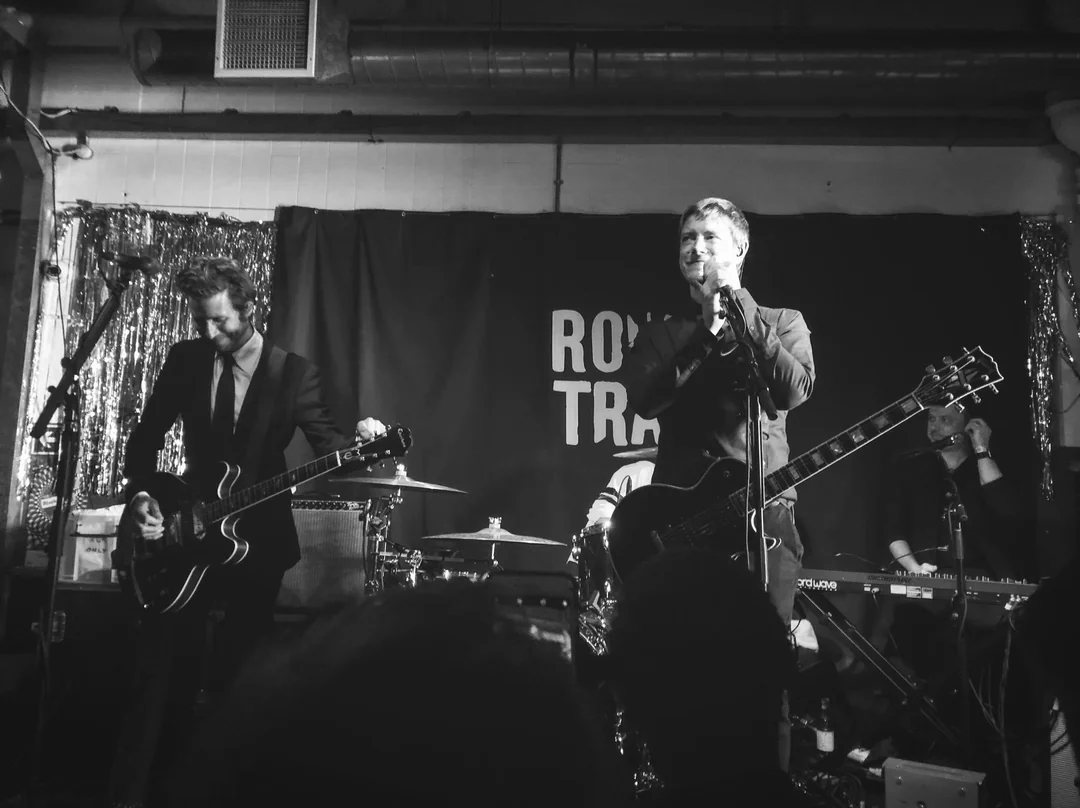
- July 2022: Rough Trade hosted a special out-store performance at the historic Hackney Church, celebrating the release of The Other Side of Make-Believe.
Official Statements & Collaborations
To celebrate the release of their eighth studio album, This Mirror Weighs a Ton, Interpol has partnered with legendary street-wear institution OBEY to release a limited-edition tote bag featuring an exclusive design by OBEY founder Shepard Fairey. Available exclusively through Rough Trade, the collaboration bridges the band’s distinct visual aesthetic with contemporary counterculture.
Reflecting on the turbulent recording era of El Pintor and the departure of Carlos Dengler, Paul Banks noted the necessity of reinvention:
"When the dynamic shifts so fundamentally, you either fold or you step up. We had to find a new way to communicate in the studio, and taking on the bass forced me to look at our arrangements through an entirely different lens."
Matt Baghurst summarizes the enduring appeal of the band’s output across two decades:

"This album [Turn On the Bright Lights] is, to me, one of the most influential of the century… This is why people start bands. Sometimes it just clicks, and this album is the epitome of that."
Future Outlook
With This Mirror Weighs a Ton entering the musical ecosystem, Interpol continues to defy the lifecycle typical of early-2000s indie survivors. Eschewing pure nostalgia tours, the trio of Banks, Kessler, and Fogarino maintain an active creative engine, balancing cinematic experimentation with the sharp-suited post-punk architecture that made them legends.
As the band takes the new material on the road, fans and critics alike are left watching how this latest chapter will eventually settle into the band’s immortalized discography. One thing remains certain: the world will always have room for immaculate, beautifully constructed gloom.