In an era dominated by algorithmic optimization, hyper-personalized social media feeds, and the creeping homogenization of chart-topping pop, the contemporary music landscape is experiencing a profound counter-movement: a desperate, collective hunger for the uncanny. While mainstream streaming services feed listeners a diet of frictionless, focus-grouped audio, a parallel universe of sonic radicalism is capturing the cultural zeitgeist. These are artists who operate not as ordinary humans navigating the digital age, but as extraterrestrial emissaries, woodland spirits, and digital ghosts.
From the sudden, startling breakthrough of French-Canadian math-rock anomaly Angine de Poitrine to the enduring, cryptic lore of electronic institutions like Boards of Canada and Aphex Twin, the modern underground is reclaiming a vital element that commercial music has largely discarded: absolute, unmitigated mystery.
This deep dive examines the phenomenon of the "otherworldly artist"—creators who construct elaborate, alternate realities through masked identities, microtonal instruments, and anti-algorithmic mythmaking. Far from being mere gimmicks, these personas serve a distinct purpose: they strip away the cult of personality tied to social media feeds, shifting the focus entirely onto a singular, uncompromised craft. As we examine icons past and present—ranging from the cosmic jazz pioneer Sun Ra to the shape-shifting industrial-pop auteur Yves Tumor—we explore why audiences are increasingly turning away from the mundane and pledging allegiance to those who sound like they have landed from another planet entirely.
Detailed Chronology: The Evolution of the Extraterrestrial Aesthetic
The lineage of the otherworldly in modern music is not a recent invention, but a rich, decades-long tradition of artists rejecting terrestrial reality in favor of fully realized fictional universes.
The Cosmic Dawn: Sun Ra and the Birth of Afrofuturism (1950s–1993)
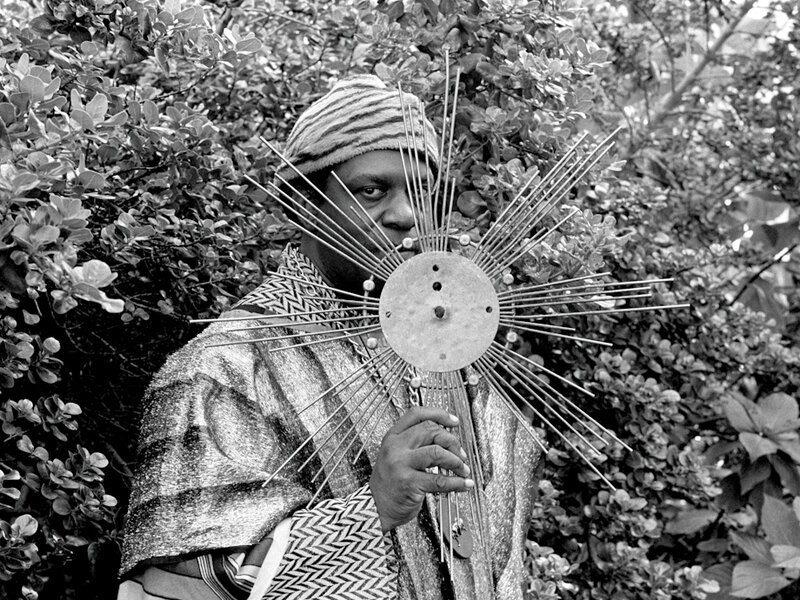
Long before electronic producers donned helmets or indie rock bands wore ghillie suits, Herman Poole Blount abandoned his earthly identity to become Sun Ra. Operating from the early 1950s until his passing in 1993, Sun Ra anchored his avant-garde jazz, big-band arrangements, and early synthesizer experiments in an elaborate cosmic philosophy. Claiming to have been born on Saturn, Sun Ra and his Sun Ra Arkestra pioneered Afrofuturism—a creative movement fusing Black culture with science fiction and space-age technology. Their immersive performances were less traditional concerts than sci-fi rituals, utilizing Egyptian-inspired attire, poetry, and chanting to rewrite a history of terrestrial oppression into a liberating cosmic journey. Sun Ra proved that an artist could completely transcend their earthly origins if the mythos was backed by staggering musical genius.
The Cryptic Architects: Aphex Twin and Boards of Canada (1990s–Present)
As electronic music matured in the late 20th century, privacy and anonymity transformed from theatrical staging into radical acts of preservation. Richard D. James, operating primarily as Aphex Twin, constructed a surrealistic sonic universe characterized by shimmering ambient textures, breakneck drill-and-bass percussion, and deeply unsettling self-portraits. In a rare 2014 interview with Pitchfork, James articulated the holy grail of modern listening: "The holy grail for a music fan, I think, is to hear music from another planet, which has not been influenced by us whatsoever. Or, even better, from lots of different planets."
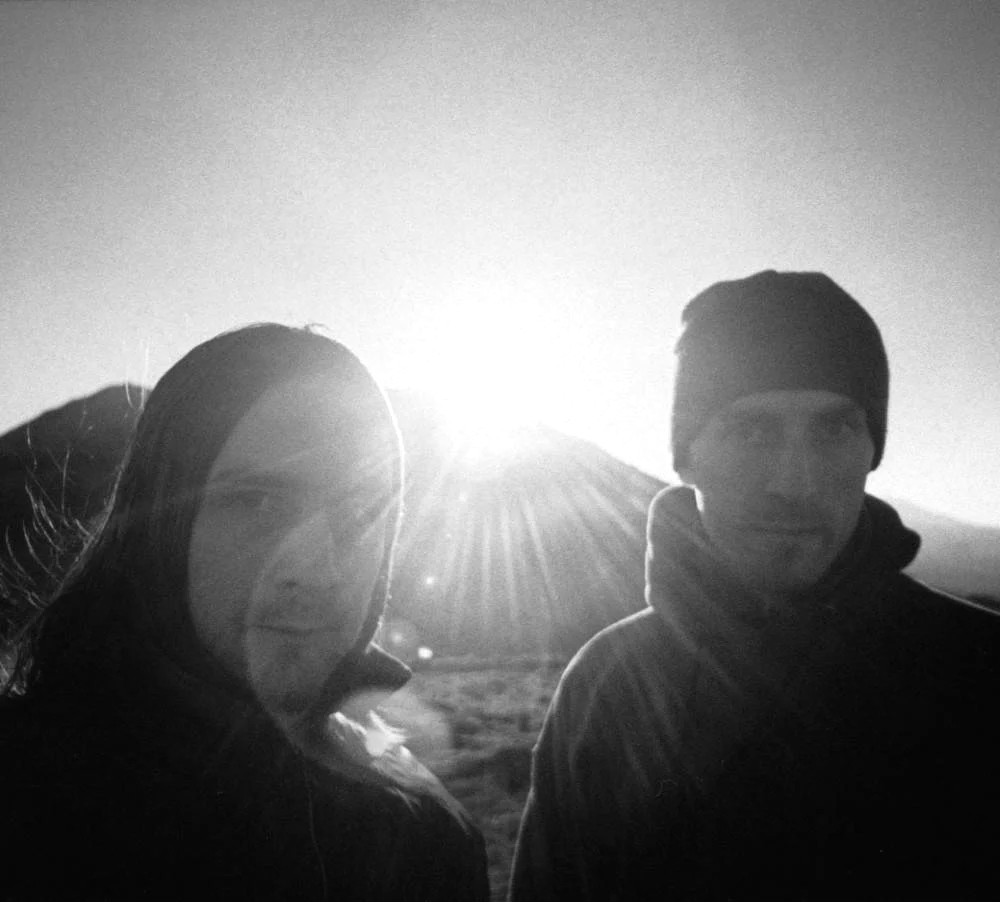
Simultaneously, Scottish duo Boards of Canada mastered the art of hauntology. By weaving analogue warmth, pastoral beauty, and apocalyptic undertones with audio samples sourced from obsolete VHS tapes and public service broadcasting, they established a sound teetering between comforting nostalgia and dread. Their fiercely loyal fanbase—cultivating deep lore on forums and message boards—helped cement the duo’s liminal aesthetic, culminating in cultural crossover moments such as director Kane Parsons utilizing the track The World Becomes Flesh for the 2026 A24 hit Backrooms.
The Contemporary Vanguard: Masks, Math-Rock, and the 2026 Breakthrough
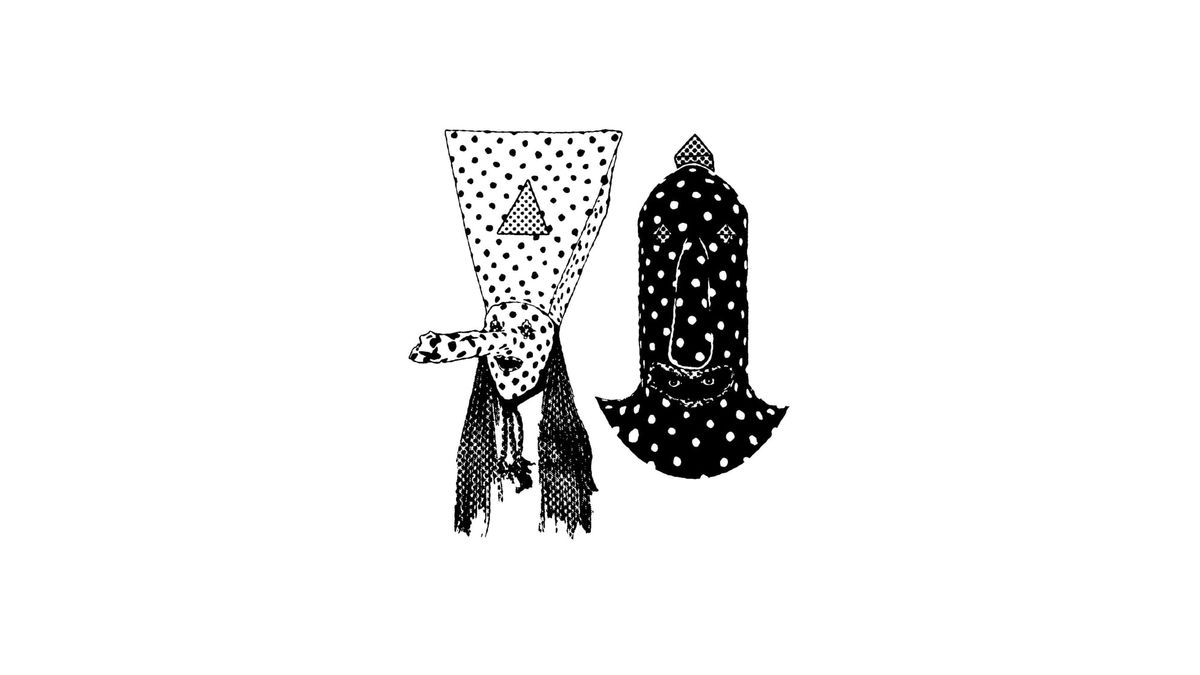
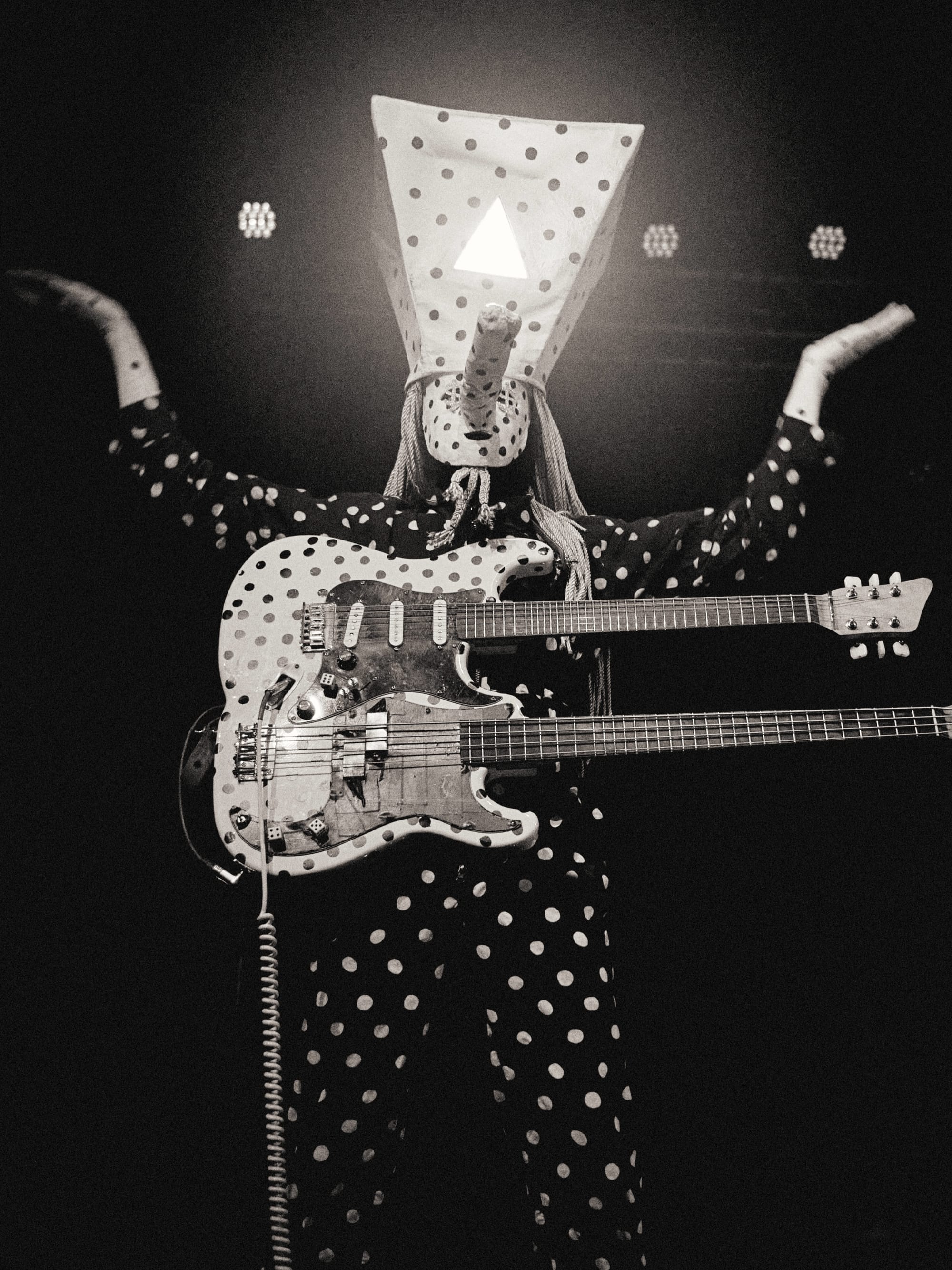
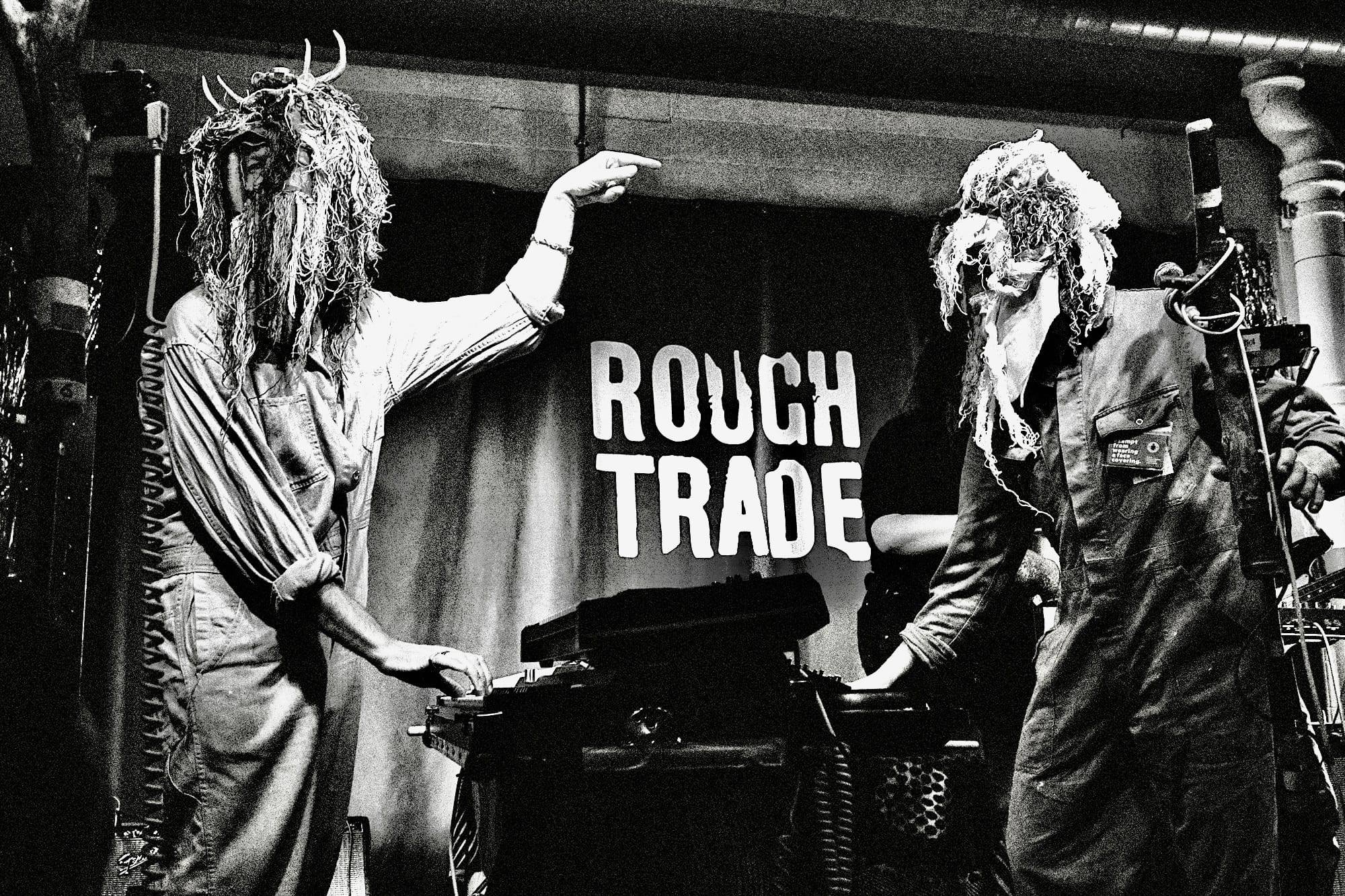
The mid-2020s have accelerated this hunger for the uncanny. The unexpected breakthrough of Angine de Poitrine serves as a case study in modern cult appeal. Adopting polka-dotted, DIY monochromatic personas and conversing exclusively in an unidentifiable "alien tongue," the French-Canadian math-rock and microtonal duo became a viral sensation following their landmark 2026 KEXP performance.
While their visual presentation initially drew comparisons to masked pioneers like Daft Punk or The Residents, Angine de Poitrine’s true power lies in their weaponization of anonymity. By hiding behind hybrid instruments and extraterrestrial characters, they force audiences to abandon passive listening habits, treating every release as a seismic event capable of altering the face of rock music.
Supporting Context & Metrics: The Anatomy of Cult Appeal
What separates transient internet novelties from enduring otherworldly icons? Statistical metrics and cultural analysis point toward several core pillars:
The Rejection of the Algorithmic Self: In an era where listeners are inundated with behind-the-scenes content and hyper-accessible artist personas on TikTok, anonymity acts as a powerful corrective. Artists like Burial, Dean Blunt, and MF DOOM built legendary status by withholding their images, proving that mystery generates a deeper, more resilient psychological attachment than over-exposure.
Genre-Fluid World-Building: Modern otherworldly acts refuse to be boxed into traditional genre parameters. Venezuelan visionary Arca employs metallic percussion, warped vocals, and glitching electronics across her expansive catalog—most notably her five-part KiCk cycle—to explore themes of bodily mutation, cyber-reggaeton, and her transition as a trans woman. With her 2026 announcement of XXXXX via XL Recordings, Arca continues to demonstrate how avant-garde electronic music can operate by entirely self-invented rules.
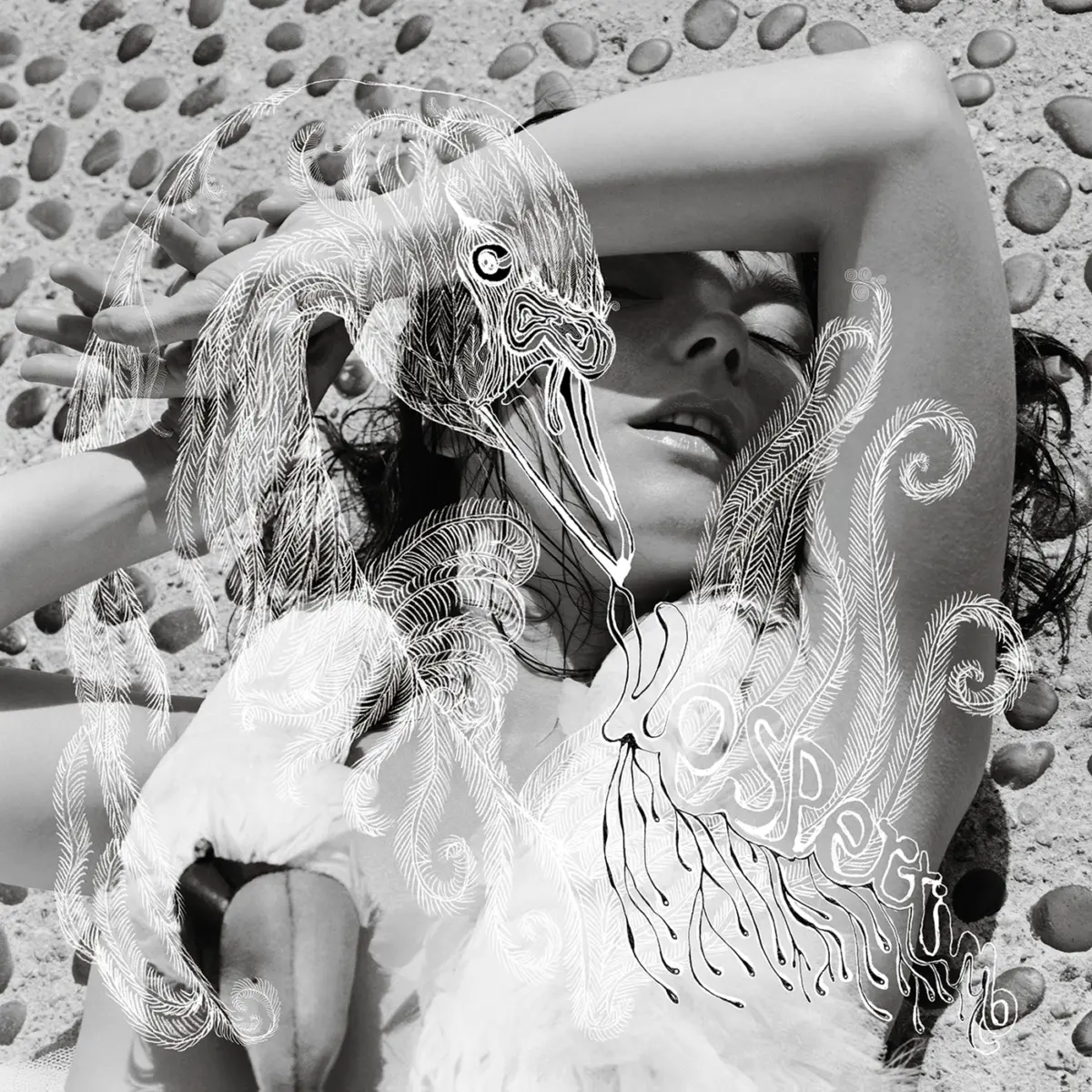
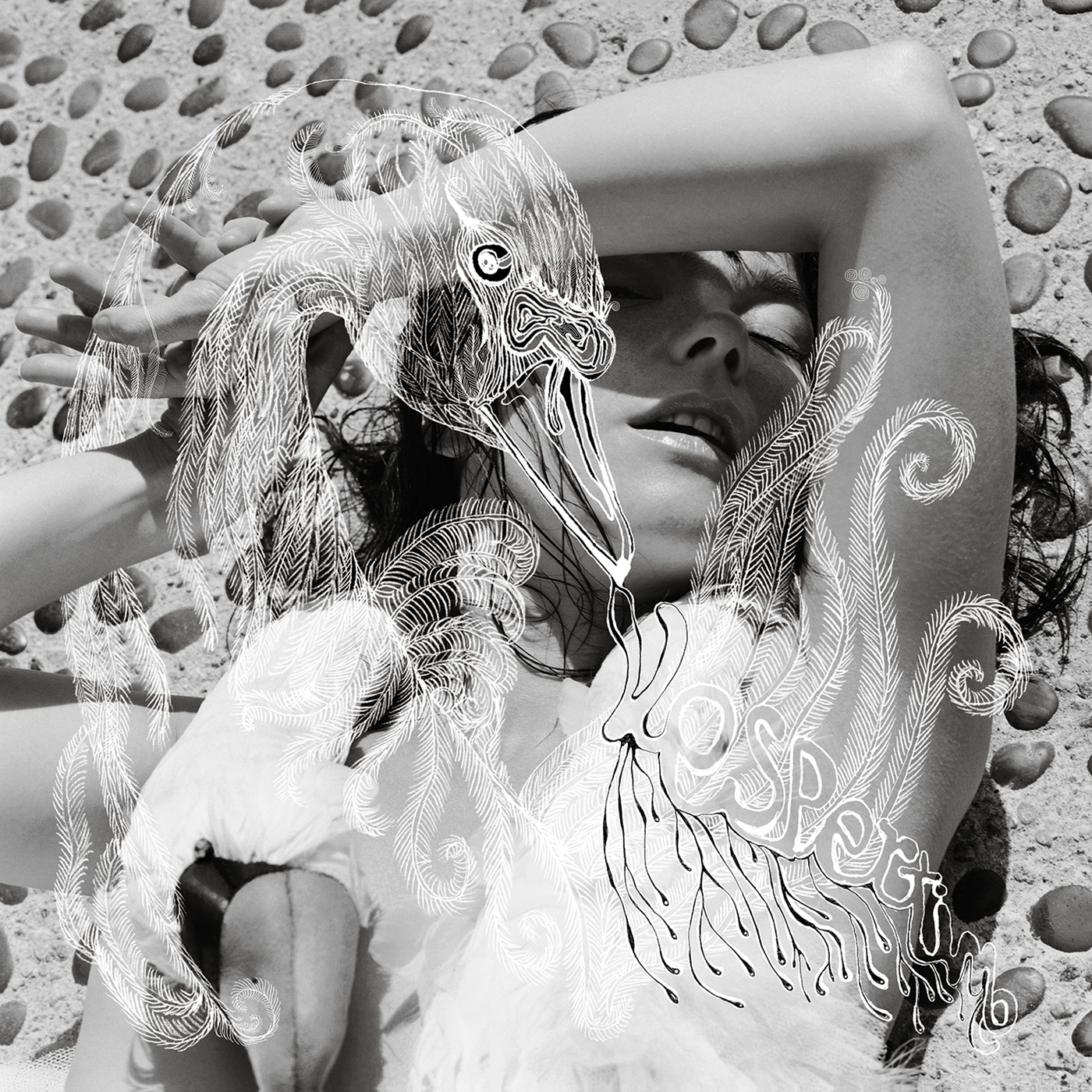
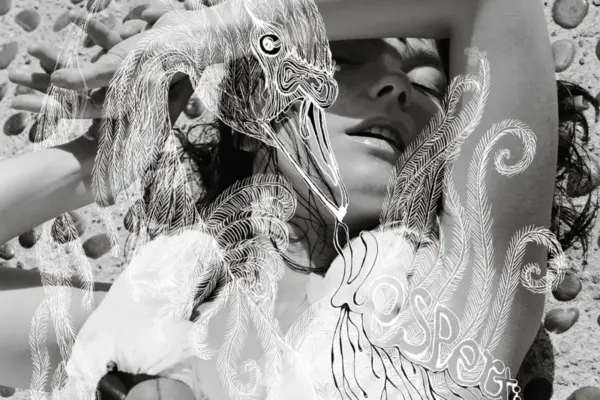
The Language of Non-Lexical Emotion: Vocalists like Björk and Elizabeth Fraser of Cocteau Twins transcend traditional lyricism. Björk’s integration of breaths, tongue clicks, and guttural croaks creates a "Björkish" language that bypasses intellectual translation to deliver pure, unadulterated emotion. Similarly, Fraser’s glossolalic vocals in Cocteau Twins allow listeners to project their own internal landscapes onto shimmering, dream-pop soundscapes.
Official Statements & Critical Perspectives
Cultural critics and artists alike have increasingly spoken out on the necessity of preserving artistic mystery in an over-digitized age. Industry analysts note that contemporary audiences are experiencing "transparency fatigue"—exhaustion resulting from artists being accessible twenty-four hours a day across multiple digital platforms.
"When an artist removes their ego and their literal face from the equation, they stop being a product of their environment and start becoming an environment unto themselves. You don’t just listen to Daft Punk, Aphex Twin, or Angine de Poitrine; you inhabit them." — Contemporary Musicology Review, Q2 2026
This sentiment is echoed by boundary-pushing creators who view their work as channels for external realities. As Yves Tumor—whose androgynous punk sensuality and theatrical, shape-shifting performances evoke the spirit of David Bowie’s Ziggy Stardust—frequently suggests through their hypnotic stage presence, music should function as a living, breathing dream state: "I can be your baby in real life… sugar, I can live in your dreams."
Future Outlook: The Next Generation of World-Builders
As we look toward the remainder of 2026 and beyond, the appetite for the extraordinary shows no signs of abating. The commercial dominance of mainstream pop will undoubtedly continue, but a robust counter-culture of dedicated listeners is actively constructing new fandoms around artists who treat their craft as portal-building.
Today’s emerging underground is populated by a dizzying array of sonic architects who are expanding the blueprint laid down by Sun Ra, Aphex Twin, and Björk. Artists such as Magdalena Bay, yeule, Jawnino, KAVARI, Jane Remover, horsegiirL, Blawan, Two Shell, Model/Actriz, and Pollyfromthedirt are redefining what it means to have a cult following in the digital age.
These future icons are not merely releasing tracks; they are constructing complete ecosystems, alternate realities, and immersive multimedia experiences that demand our full attention. For the modern music fan weary of the predictable, the message from the underground is clear: Space is the place, and the most thrilling journey you can take is into the unknown.